November 7, 2025
Architect’s Guide: How to Make Small Spaces Feel Larger
In the realm of architecture and interior design, the challenge of transforming small spaces into expansive environments is both a science and an art. For design-conscious homeowners and boutique commercial clients, particularly those residing in bustling urban areas like Miami, maximizing the potential of limited space is not just a necessity but a pursuit of creating timeless, personal environments. This ‘Architect’s Guide: How to Make Small Spaces Feel Larger’ delves into the strategies and philosophies that redefine compact areas, turning them into functional and aesthetically pleasing havens. As our cities grow denser and living spaces become more constrained, the demand for innovative space planning has never been more pertinent. This guide offers a deep dive into the principles of light manipulation, the strategic use of color, and the thoughtful selection of furnishings—all critical elements in crafting spaces that defy their physical limitations. We explore how the interplay of these elements can create an illusion of grandeur, making even the smallest of rooms feel open and inviting. Whether you are a homeowner looking to enhance your personal sanctuary or a business owner aiming to optimize your boutique space, this guide provides insights that are as practical as they are poetic. By embracing these design principles, you can transform any space into a reflection of your unique style and needs, ensuring that it not only meets but exceeds your expectations. Let us embark on this journey to unlock the potential of small spaces, crafting environments that are both functional and emotionally resonant.

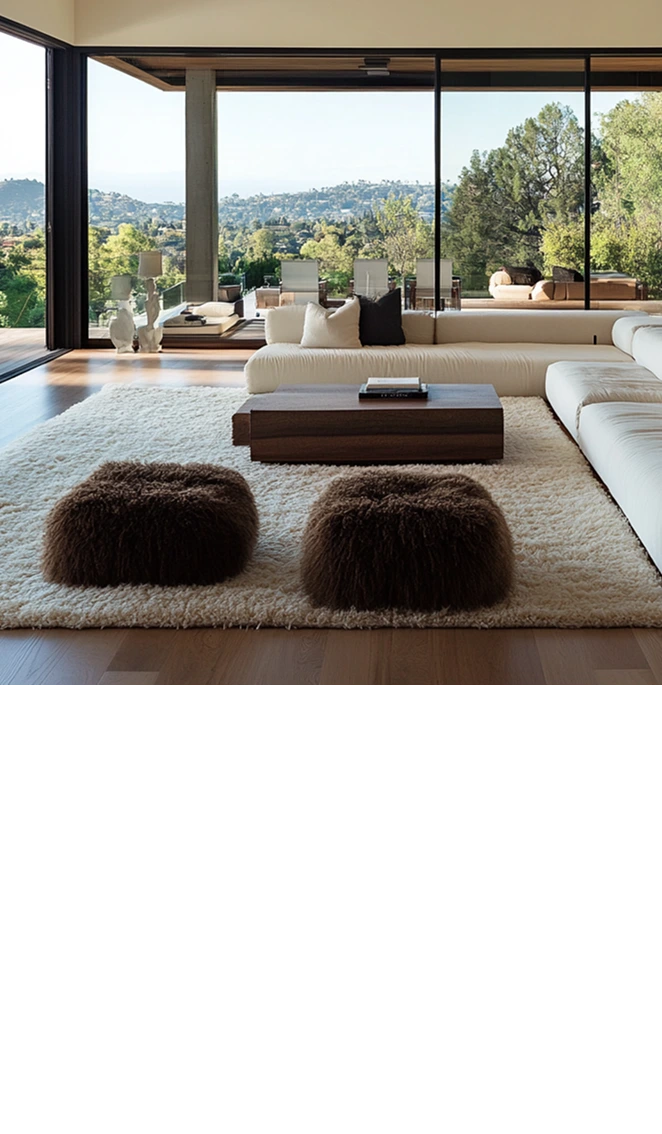
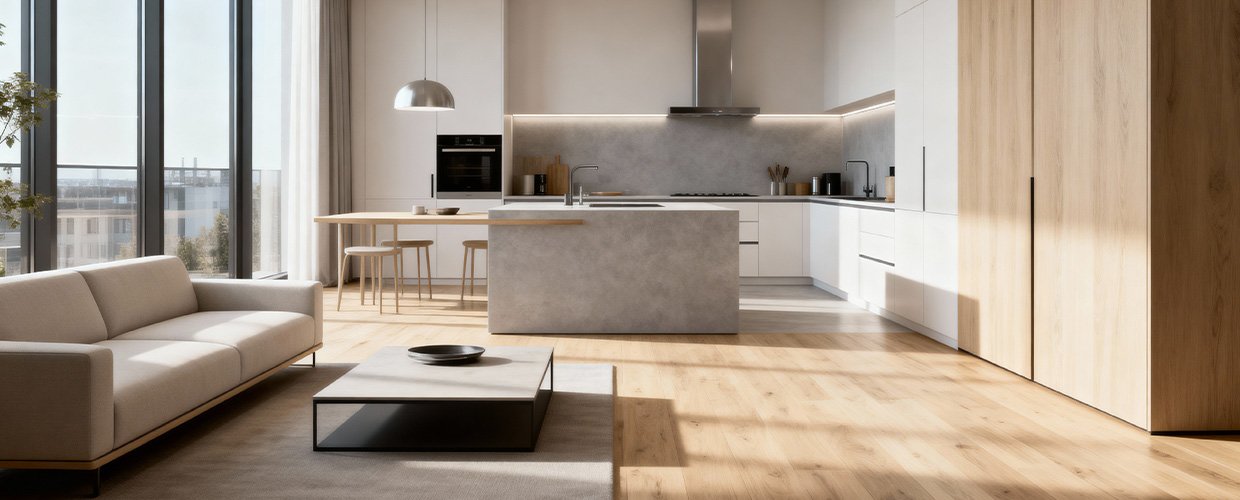
The essence of making small spaces feel larger lies in the strategic manipulation of design elements that trick the eye and enhance functionality. One of the most effective methods is the use of natural light. Large windows, skylights, and glass doors can flood a space with light, creating an airy and open atmosphere. Mirrors also play a crucial role; strategically placed, they reflect light and give the illusion of depth, making a room appear more expansive. In addition to lighting, color selection is paramount. Lighter shades tend to open up a space, with whites, soft pastels, and neutral tones being particularly effective in creating a sense of continuity and flow. This is not to say that bold colors should be avoided entirely; when used sparingly as accents, they can add depth and character without overwhelming the space. Furthermore, the choice of furnishings can significantly impact the perception of space. Opt for multi-functional furniture that serves more than one purpose, such as a sofa bed or a fold-out desk. This not only saves space but also adds versatility to the room. Furniture with exposed legs can also make a space feel larger by allowing more of the floor to be visible. Additionally, maintaining a clutter-free environment is essential. Clutter can make even the largest of spaces feel cramped, so consider built-in storage solutions that keep belongings organized and out of sight. By thoughtfully integrating these design strategies, architects and designers can transform small spaces into areas that feel much larger than their physical dimensions suggest, offering both beauty and practicality.
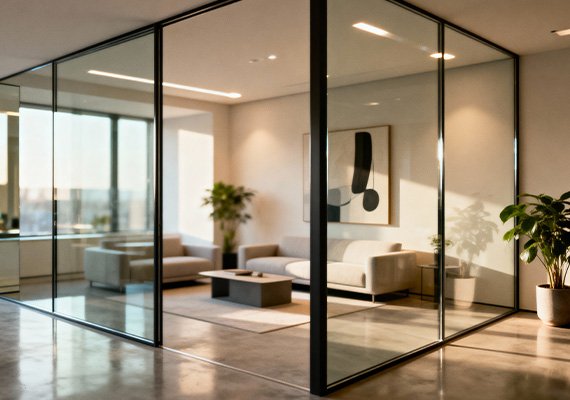
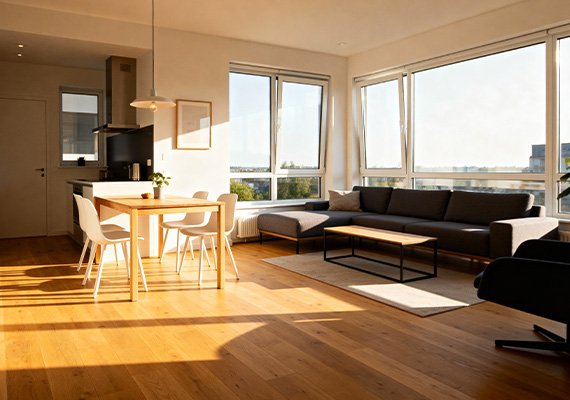
In conclusion, making small spaces feel larger is a multifaceted endeavor that combines creativity with practicality. The key takeaways from this guide emphasize the importance of light, color, and furniture selection in crafting environments that transcend their physical constraints. By harnessing natural light and utilizing reflective surfaces, spaces can be transformed into bright and open areas. The strategic use of color can further enhance this effect, with lighter shades promoting a sense of openness and continuity. Multi-functional and space-saving furniture, along with a commitment to minimizing clutter, ensures that every square foot is utilized effectively. These principles are not just about aesthetics; they are about creating environments that are deeply personal and functional, aligning with the brand purpose of AB Concepts to craft refined, timeless spaces. As you consider these strategies, remember that the ultimate goal is to create a space that resonates with your personal style and meets your practical needs. Whether you are redesigning a home or a boutique commercial space, these insights offer a foundation for creating environments that inspire and delight. We invite you to start a conversation with AB Concepts to explore how these principles can be tailored to your unique space, ensuring that it is as expansive and welcoming as your vision
TRENDING NOW