How to Use Accent Colors Without Disrupting a Neutral Palette
In the world of interior design, the neutral palette has long been celebrated for its timeless elegance and versatility. Neutral colors such as whites, beiges, grays, and taupes create a serene and sophisticated foundation that can be easily adapted to various styles and preferences. However, while a neutral palette offers a calming backdrop, there’s often a desire to introduce a splash of color to inject personality and vibrancy into the space. The challenge lies in incorporating accent colors without disrupting the harmony and balance that neutrals provide. This is where the art of using accent colors effectively comes into play. In this comprehensive guide, we’ll explore strategies for adding accent colors to a neutral palette, ensuring that the overall aesthetic remains cohesive and harmonious. Whether you’re a homeowner looking to refresh your living space or a business owner aiming to create a welcoming environment, understanding how to use accent colors can transform your design approach. By strategically selecting and placing accent colors, you can enhance the visual interest of a room while maintaining the tranquility and sophistication that neutrals offer. This approach not only elevates the design but also allows for personal expression, making your space uniquely yours. Let’s delve into the techniques and considerations that will help you master the use of accent colors in your neutral-themed interiors.
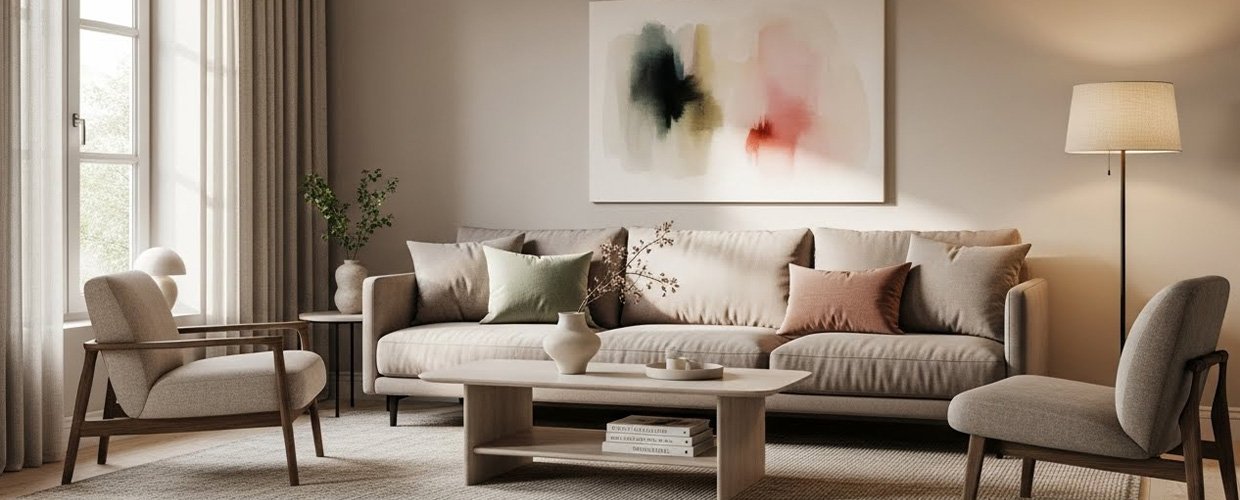
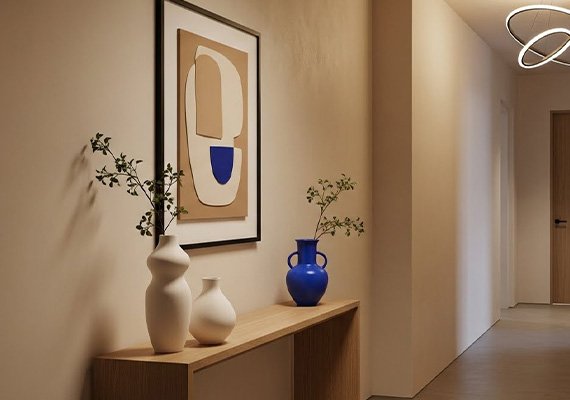
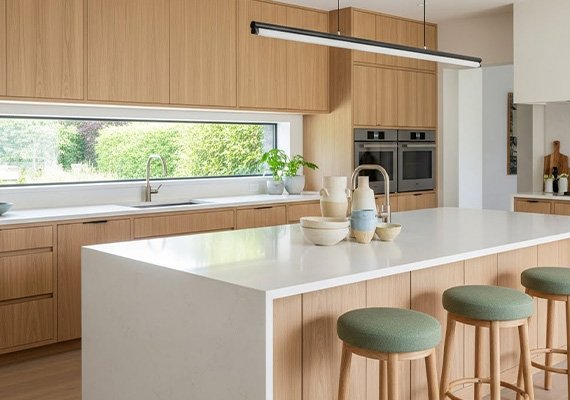
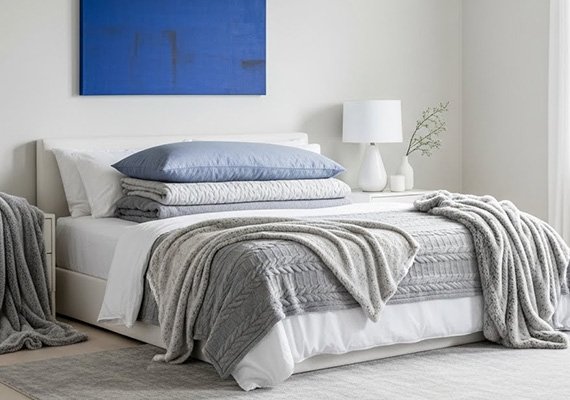
To effectively use accent colors in a neutral palette, it’s essential to start with a clear understanding of the role these colors will play in your design. Accent colors serve as focal points that draw the eye and add depth to a room without overwhelming it. The key is to choose colors that complement rather than clash with your existing neutral tones. Start by identifying a color that resonates with you or aligns with the mood you wish to create. For instance, a soft blue can evoke a sense of calmness, while a vibrant yellow might add energy and warmth. Once you’ve selected your accent color, consider how it will be distributed across the space. A popular method is the 60-30-10 rule, where 60% of the room is dominated by a base neutral color, 30% by a secondary neutral, and 10% by the accent color. This ensures that the accent color enhances the design without overshadowing the neutrals. Additionally, think about the elements in which the accent color will be incorporated. This could be through decorative pillows, artwork, a statement piece of furniture, or even in smaller details like vases and books. The goal is to create a cohesive look where the accent color ties the room together, adding interest and personality. By thoughtfully selecting and placing accent colors, you can achieve a design that is both dynamic and harmonious, reflecting your personal style while preserving the timeless appeal of a neutral palette.
In summary, using accent colors in a neutral palette is an art that combines creativity with strategic planning. The key takeaways for successfully incorporating accent colors include understanding their role as enhancers of the neutral backdrop, selecting hues that complement your existing palette, and applying the 60-30-10 rule to maintain balance. Remember to distribute the accent color thoughtfully across various elements in the room, such as textiles, artwork, or accessories, to create a cohesive and inviting atmosphere. This approach not only adds visual interest and depth to your space but also allows for personal expression and customization. As you experiment with accent colors, consider the mood and ambiance you wish to convey, ensuring that your choices align with your design goals and personal taste. By following these guidelines, you can confidently use accent colors to elevate your neutral interiors, creating spaces that are not only beautiful but also reflective of your unique style and sensibility. Whether you’re refreshing a single room or redesigning an entire home, mastering the use of accent colors will enable you to transform your space into a harmonious and inspiring environment.
TRENDING NOW
How Texture and Color Work Together to Shape Human Experience