10 Expert Tips for Mixing Textures in Modern Interior Design
In the realm of modern interior design, texture plays a pivotal role in crafting spaces that resonate with depth and personality. The art of mixing textures is not merely about aesthetic appeal; it is about creating an environment that engages the senses and evokes emotion. As design-conscious homeowners and boutique commercial clients increasingly seek environments that feel both personal and timeless, understanding how to effectively combine textures becomes essential. This article delves into the nuanced world of texture in interior design, offering expert insights that merge functionality with artistry. In modern interiors, where minimalism often reigns, the strategic use of texture can prevent spaces from feeling sterile or flat. By integrating a variety of materials—be it the smoothness of glass, the roughness of reclaimed wood, or the plushness of velvet—designers can create a rich tapestry that adds layers of intrigue and warmth. Moreover, texture can influence the perception of a room’s size and shape, guiding the eye and enhancing architectural features. For instance, a textured wall can serve as a focal point, drawing attention and adding dimension to an otherwise simple space. This guide will explore ten expert tips for mixing textures, providing a comprehensive approach to achieving harmony and balance in modern interior design. Whether you are a homeowner looking to refresh your living space or a boutique client aiming to infuse character into a commercial setting, these insights will equip you with the knowledge to transform your environment into a masterpiece of modern design.
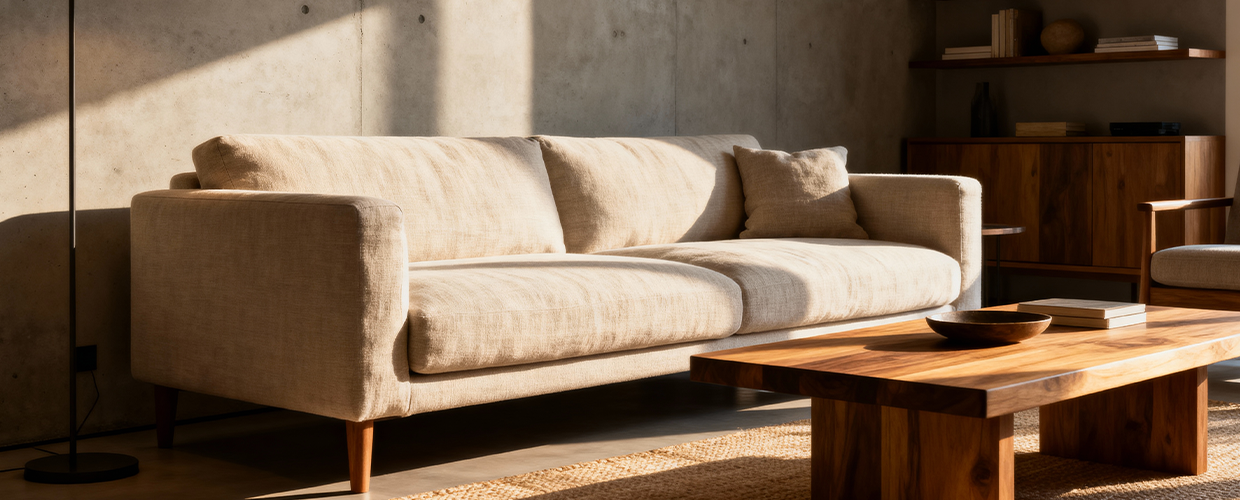
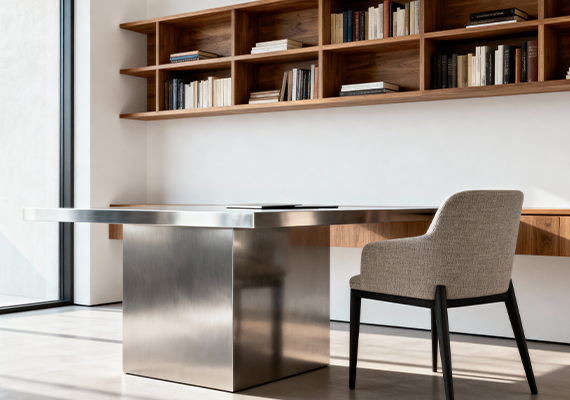
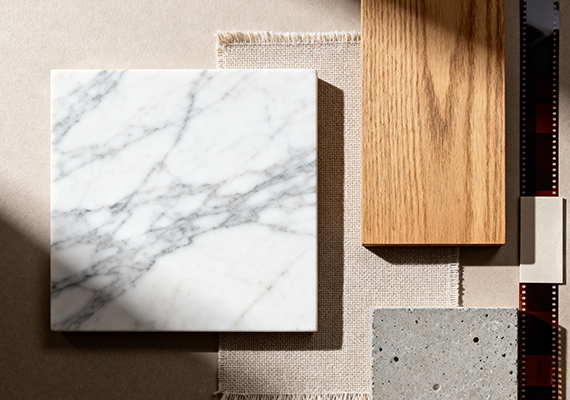
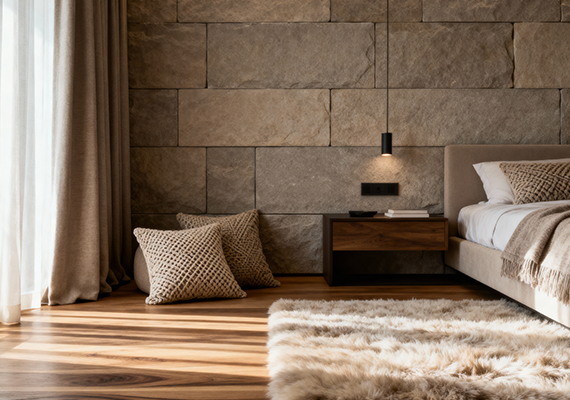
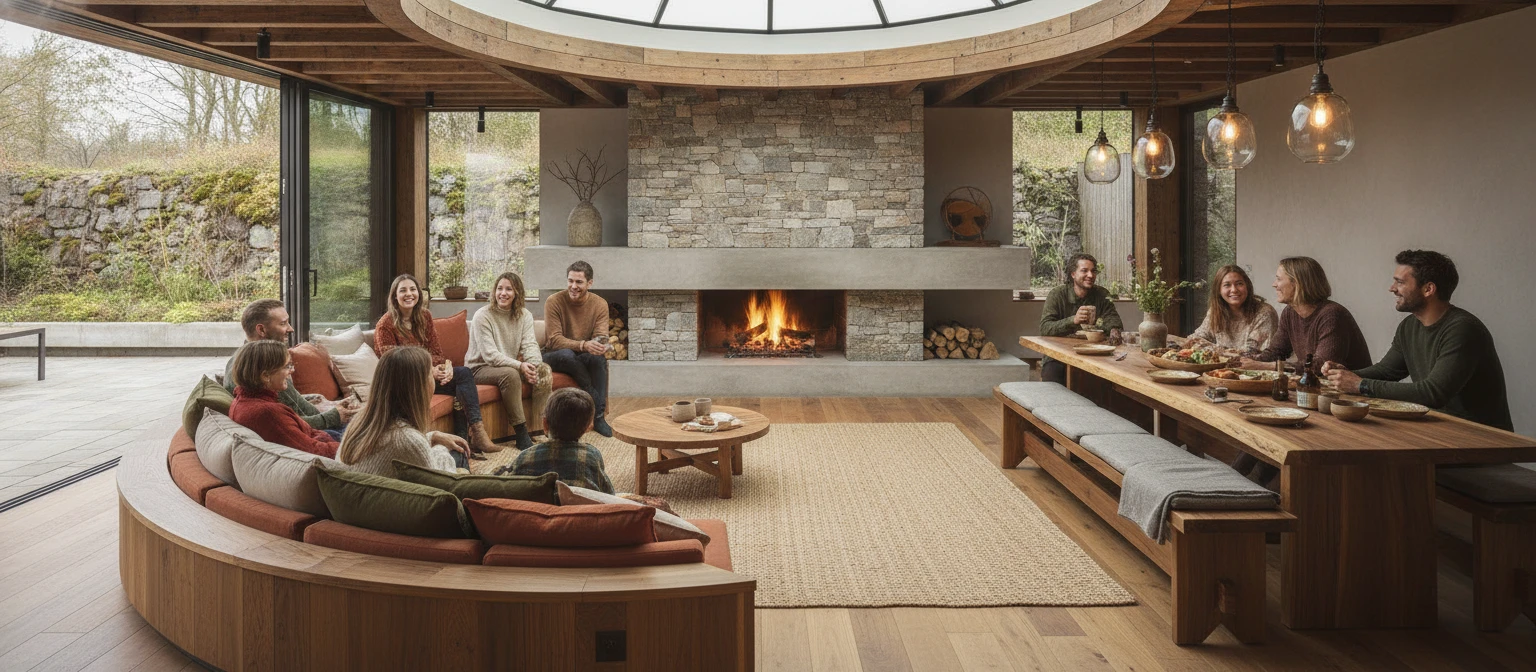
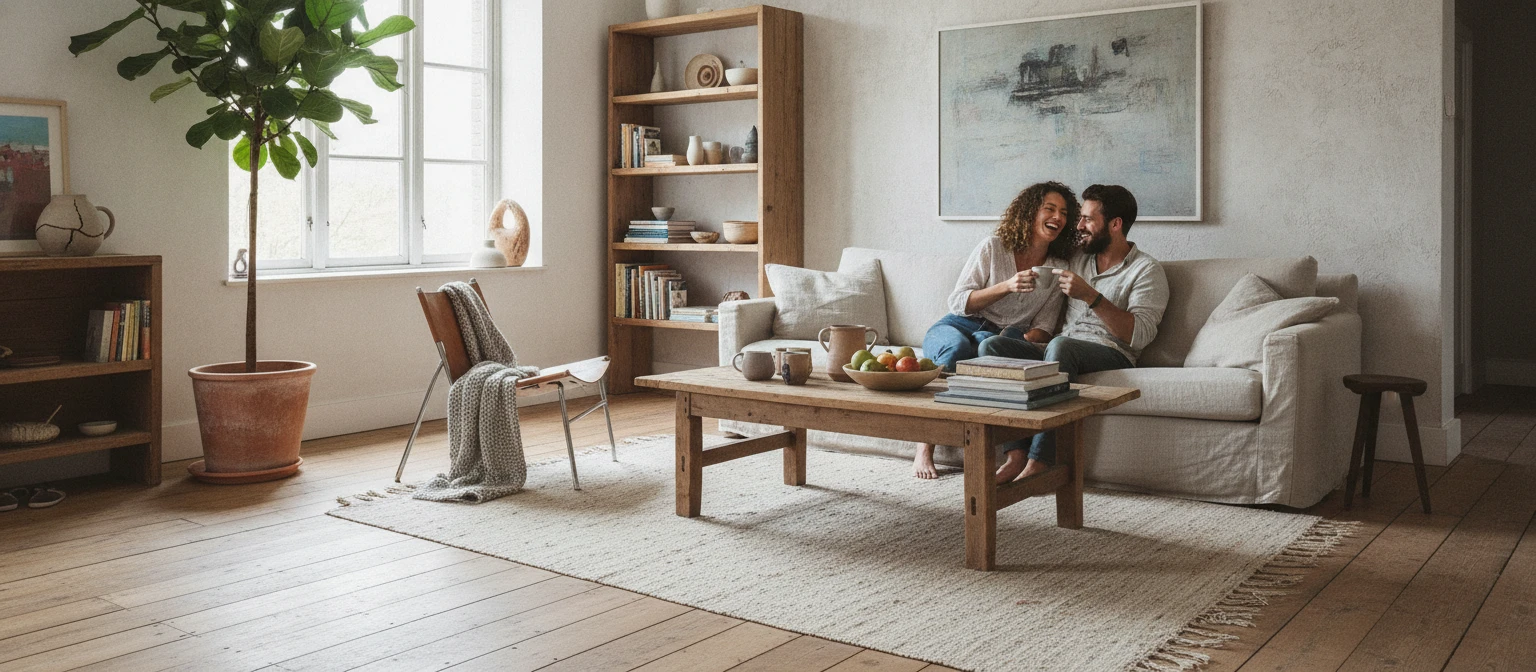
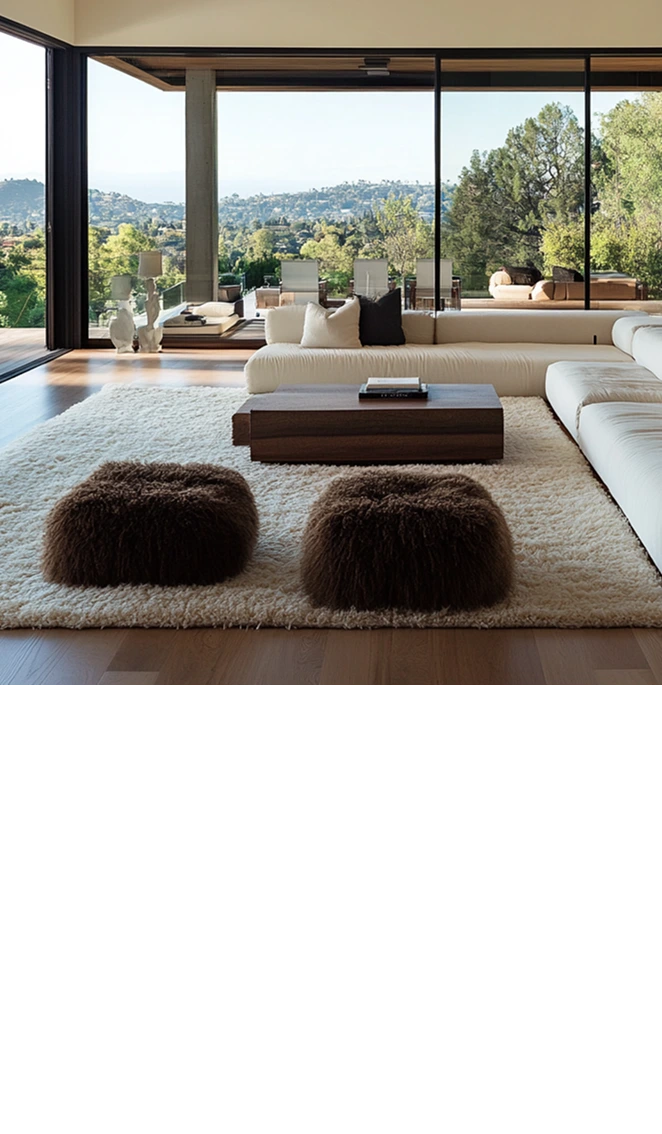
The first step in mastering texture mixing is understanding the inherent qualities of different materials. Each texture brings its own set of characteristics that can influence the mood and functionality of a space. For example, natural materials like wood and stone offer a sense of warmth and earthiness, while metals and glass provide a sleek, modern edge. To effectively combine these elements, consider the overall theme and purpose of the room. A living room designed for relaxation might benefit from the comforting textures of wool and leather, whereas a sleek, modern kitchen could be enhanced with stainless steel and polished marble. The key is to strike a balance that aligns with the desired atmosphere. Additionally, pay attention to scale and proportion when mixing textures. Large, bold textures can dominate a space if not balanced with subtler elements. For instance, a heavily textured wall might be paired with smooth, understated furniture to avoid overwhelming the senses. It’s also important to consider the interplay of light and texture. Natural light can accentuate the nuances of textured surfaces, casting shadows that add depth and interest. In contrast, artificial lighting can create different effects, highlighting certain textures while softening others. By understanding these dynamics, you can create a space that feels cohesive and harmonious, with each texture complementing the others to form a unified whole.
As we conclude our exploration of mixing textures in modern interior design, it’s essential to reflect on the transformative power of texture in crafting spaces that are both functional and deeply personal. By thoughtfully integrating a variety of textures, you can create environments that not only look stunning but also resonate with warmth and character. Remember that balance is key; a harmonious blend of textures can elevate a space, while a discordant mix can detract from its beauty. Consider the role of light, scale, and proportion in your design, as these elements can significantly impact the perception of texture. Whether you’re designing a cozy residential retreat or a chic commercial venue, these principles will guide you in creating spaces that captivate and inspire. At AB Concepts, we believe that every design choice should reflect the unique personality and aspirations of our clients. We invite you to start a conversation with us, as we craft environments that are not only visually compelling but also deeply meaningful. Let us help you transform your space into a masterpiece of modern design, where every texture tells a story and every detail is a testament to thoughtful craftsmanship.
TRENDING NOW
How Texture and Color Work Together to Shape Human Experience