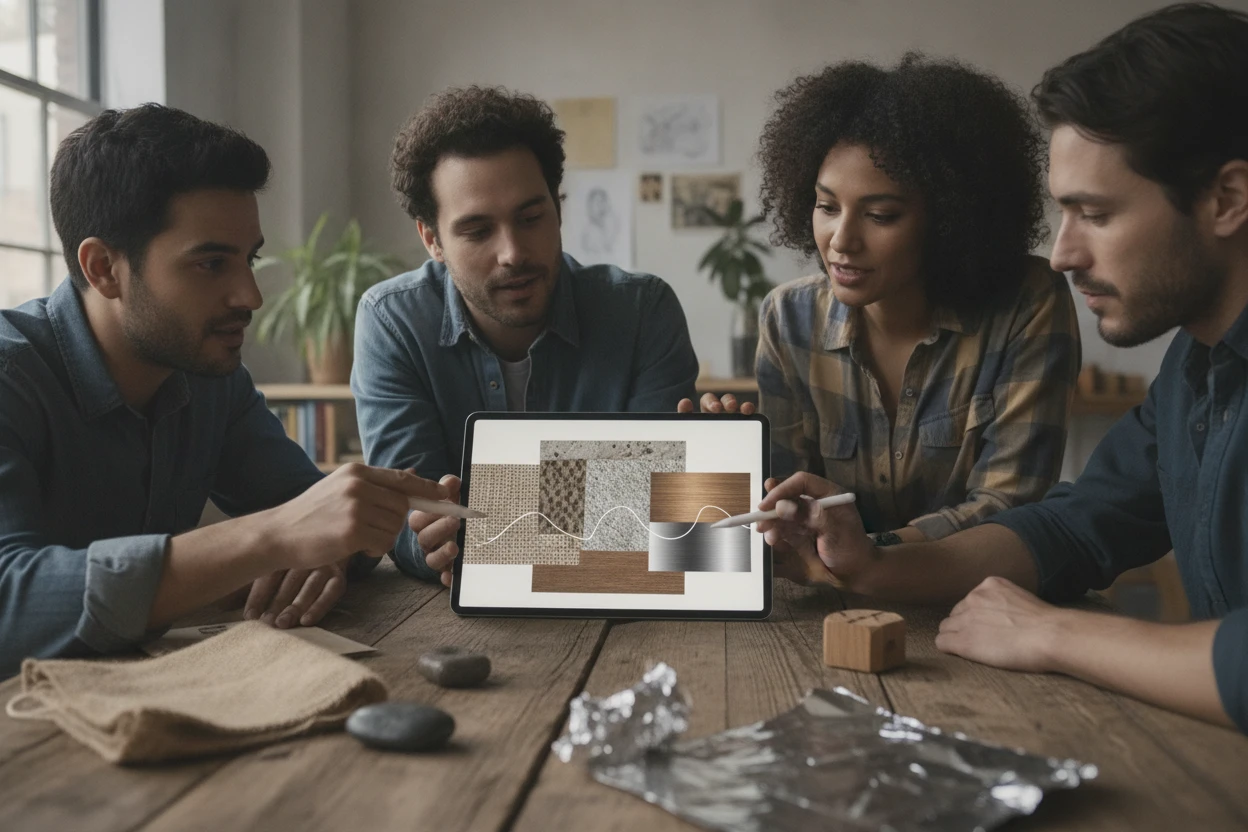
Why Texture Matters More Than Ever in Digital Design
As we navigate through a world increasingly dominated by digital interfaces, understanding why texture matters more than ever in digital-age design becomes crucial. Texture, often overlooked, is a powerful element that adds depth and richness to visual experiences. In the realm of design, texture can evoke emotions, create atmosphere, and enhance user interaction. Unlike traditional media, where physical textures could be felt, digital design relies on visual representations to simulate tactile experiences. This is particularly important in digital environments where users crave engagement and connection. Texture can guide the user’s eye, create hierarchy, and improve usability by providing visual cues that help users navigate through content. In a time when users are bombarded with information, the tactile quality of textures can make digital interfaces more inviting and memorable. By integrating texture thoughtfully, designers can craft experiences that resonate with users, fostering a deeper connection and encouraging prolonged engagement. Thus, embracing the significance of texture not only enhances aesthetic appeal but also contributes to the overall functionality and effectiveness of digital design.
Diving deeper into why texture matters more than ever in digital-age design, we must consider its multifaceted role in user experience. Textures can influence perceptions of quality and authenticity; for instance, a smooth, sleek finish can convey modernity and sophistication, while a rough, organic texture can evoke warmth and approachability. Designers can leverage these associations to align their visual strategies with brand identity and user expectations. For example, in e-commerce, utilizing textured backgrounds can enhance product images, making them appear more tangible and desirable, thus influencing purchasing decisions. Additionally, as design trends evolve, there is a growing emphasis on creating immersive experiences. Textures can contribute to this by simulating real-world interactions; think of how a button that appears raised feels more clickable than a flat one. Furthermore, the rise of augmented reality (AR) and virtual reality (VR) technologies amplifies the importance of texture, as these platforms strive to replicate real-life experiences. In such environments, realistic textures enhance immersion, making users feel more connected to the digital space. In summary, leveraging texture effectively in digital design can significantly enhance user engagement and satisfaction, making it an indispensable aspect of modern design practices.
In conclusion, the significance of texture in digital-age design cannot be overstated. As we have explored, texture not only enriches the visual appeal of digital interfaces but also plays a critical role in enhancing user experience and interaction. By thoughtfully integrating texture into design, professionals can create more engaging, memorable, and functional experiences that resonate with users. As the digital landscape continues to evolve, designers are encouraged to experiment with textures, understanding their emotional and psychological impacts on users. The successful use of texture can lead to better brand recognition and user loyalty, making it a vital consideration for anyone involved in digital design. Moving forward, the challenge lies in balancing innovation with usability, ensuring that texture enhances rather than complicates the user experience. Designers should remain vigilant, continually assessing how texture can be applied to meet the changing needs and expectations of users in an increasingly digital world.
TRENDING NOW
How Texture and Color Work Together to Shape Human Experience