Why Curved Forms Are Reshaping Modern Interior Design
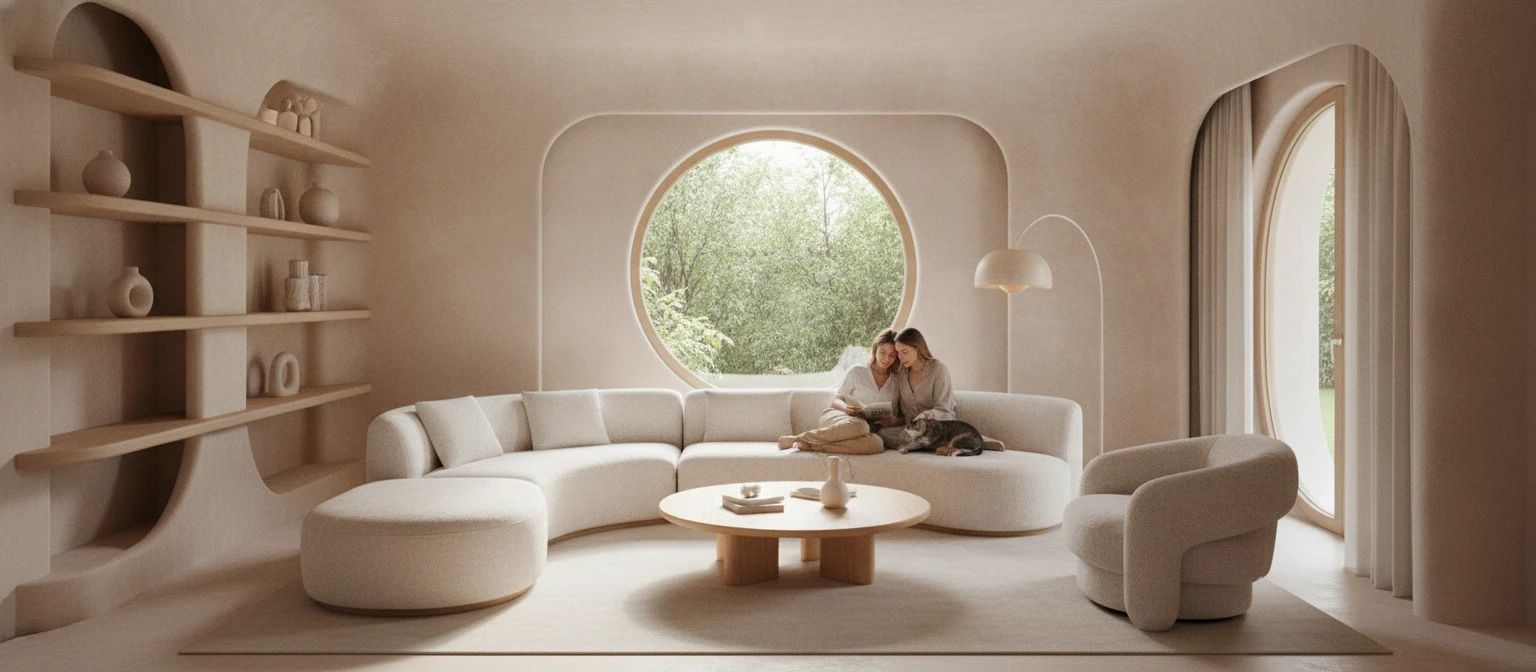
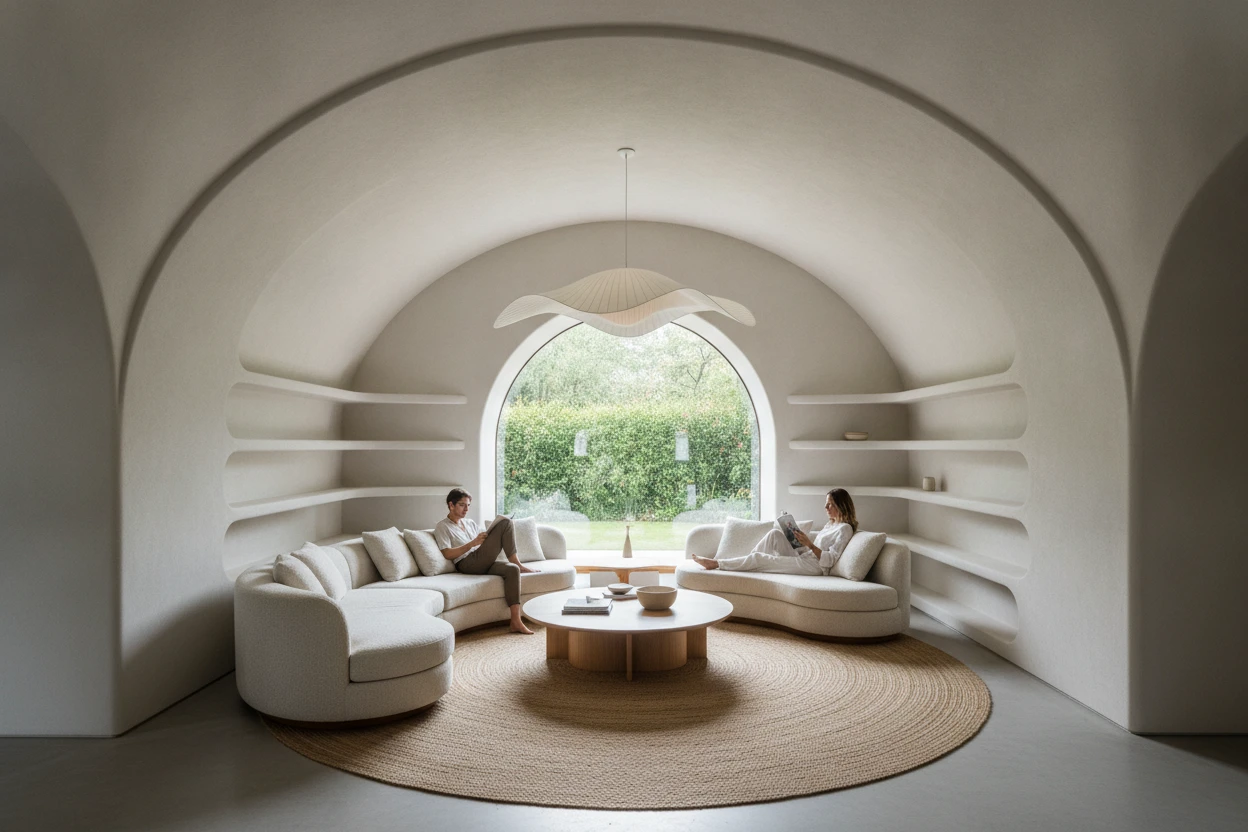
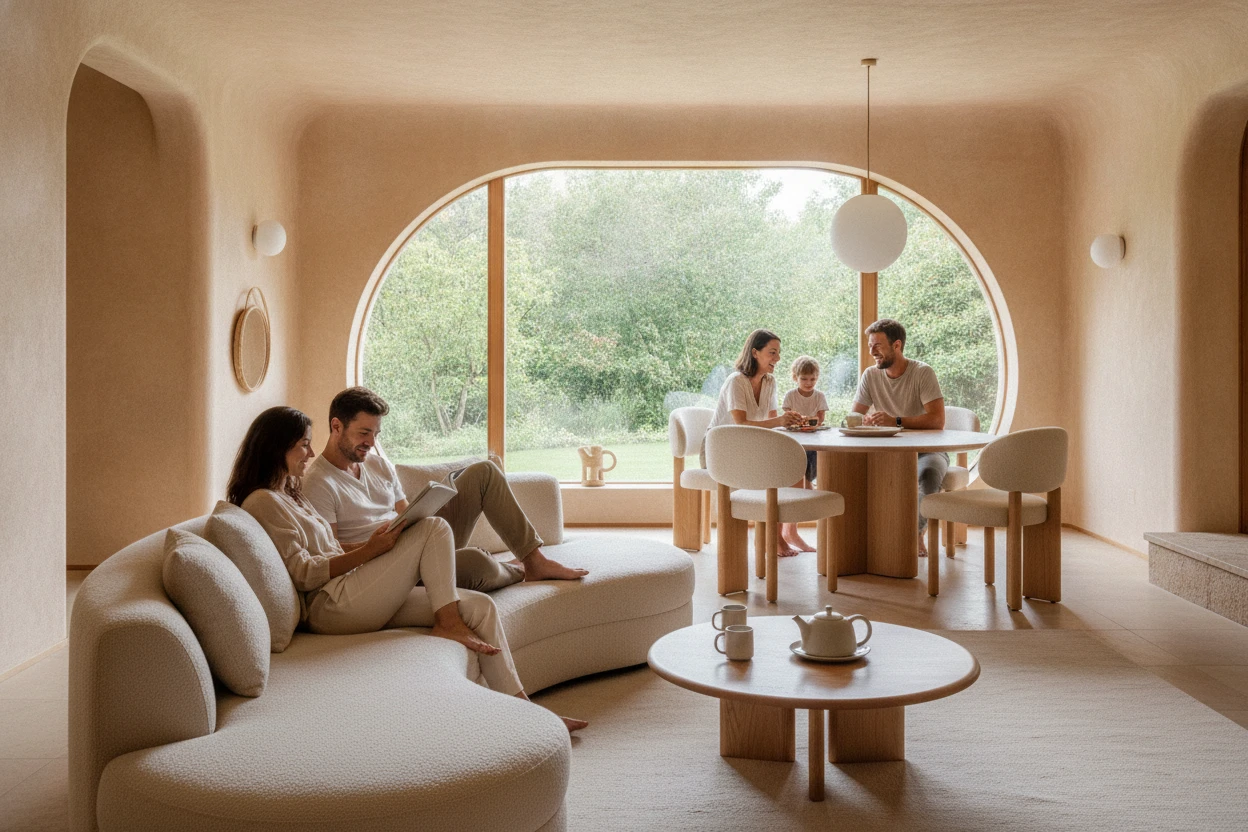
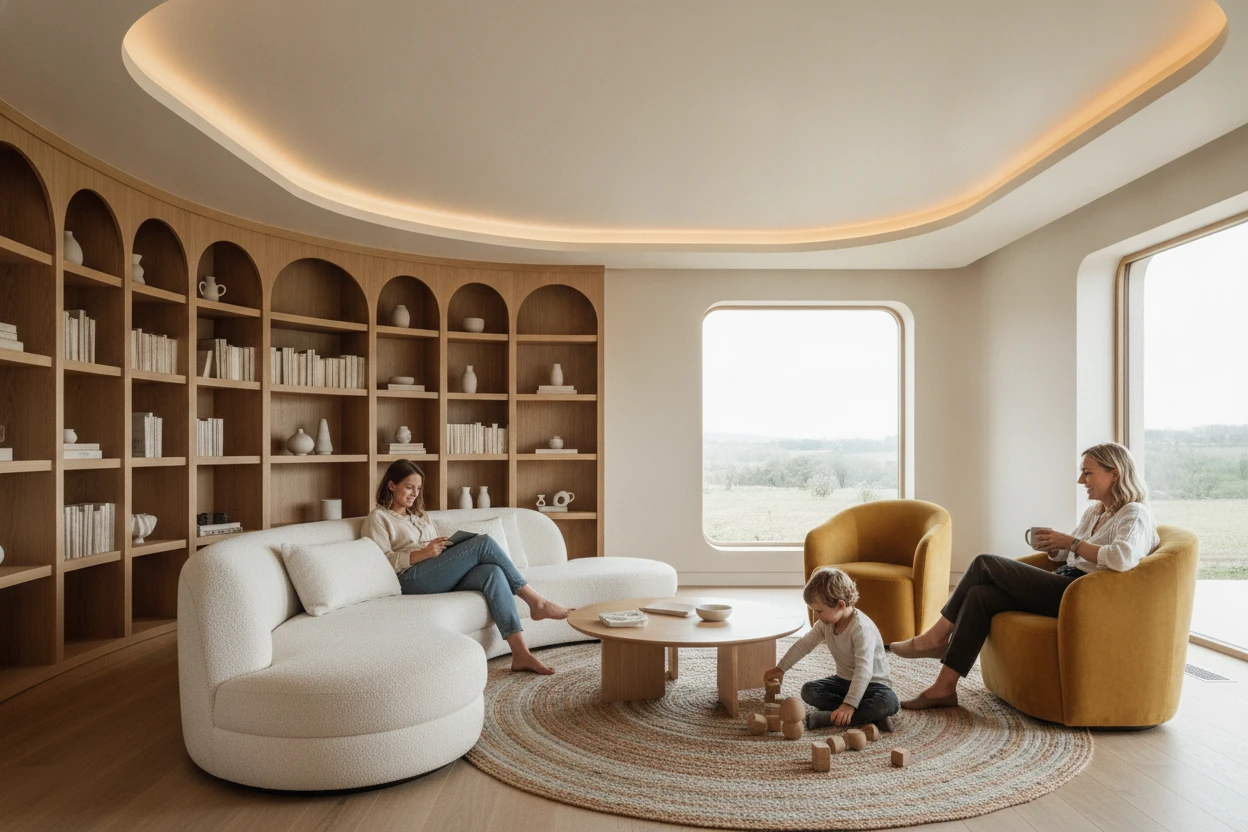
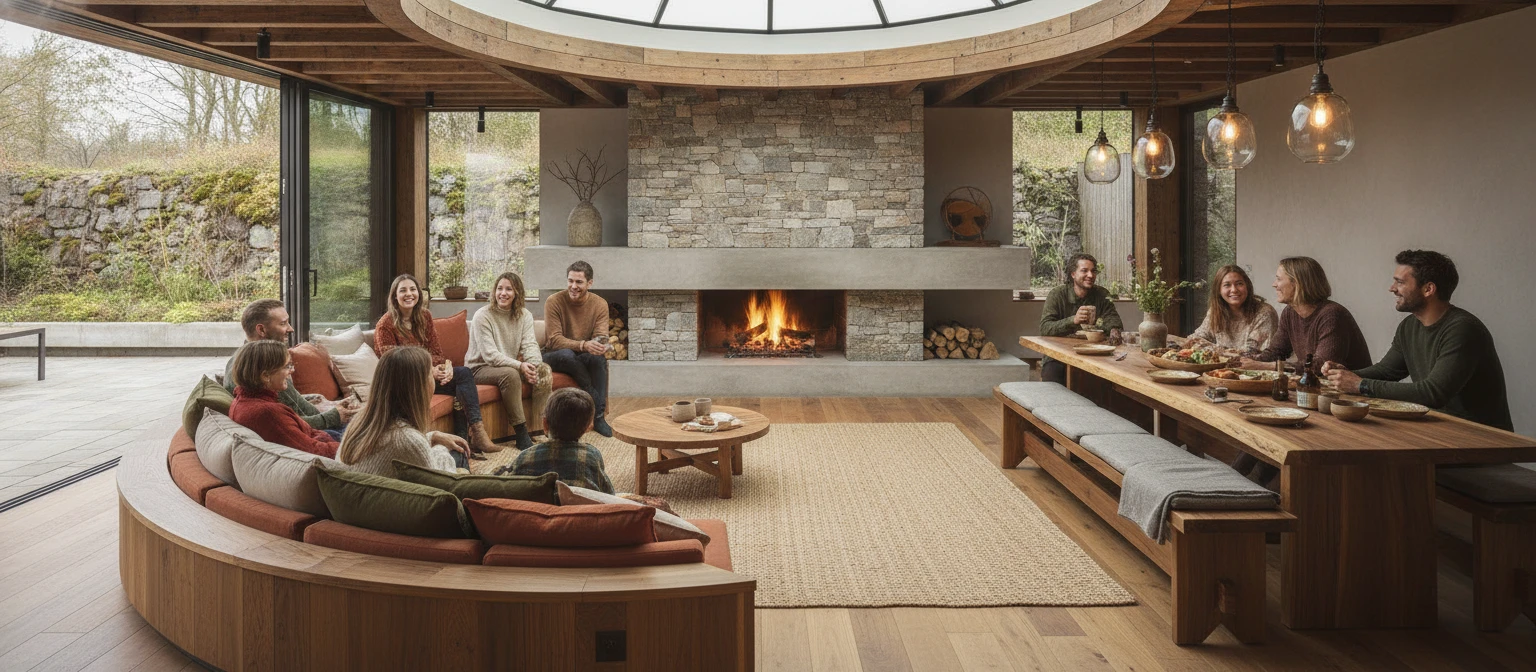
In recent years, the world of interior design has witnessed a remarkable shift towards incorporating curved forms, a trend that is reshaping spaces in innovative ways. This evolution stems from a growing desire for comfort, warmth, and a more organic aesthetic in our living environments. Curved lines contrast sharply with the rigid, straight lines of traditional design, offering an inviting and softer visual appeal. The use of curves can be seen in various elements such as furniture, architecture, and decorative accents. Designers are increasingly recognizing that curves evoke a sense of fluidity and movement, which can enhance the overall atmosphere of a space. Additionally, the psychological effects of curved forms cannot be overlooked; they often create feelings of safety and relaxation, making them particularly well-suited for residential spaces. Understanding why curved forms are reshaping modern interior design requires a closer examination of both aesthetic and psychological influences, which play a significant role in how we perceive and interact with our environments. As we delve deeper into this trend, we will explore its origins, implications, and the future of design as it embraces these gentle yet impactful shapes.
The trend towards curved forms in interior design can be traced back to various influences, including art movements and the increasing emphasis on sustainability. Designers are now drawing inspiration from nature, where soft curves and flowing lines are the norm, rather than the harsh angles and geometric shapes that have dominated modern architecture for decades. For instance, furniture designers are crafting pieces like sofas and chairs with rounded edges that not only enhance comfort but also serve as focal points within a room. Iconic examples of this trend include the works of renowned designers like Pierre Paulin and Eero Saarinen, who creatively integrated curves into their designs, making them timeless classics. Furthermore, the rise of biophilic design, which seeks to connect indoor spaces with the natural world, has further propelled the popularity of curved forms. By incorporating organic shapes, designers are able to promote a sense of harmony and balance within interiors, creating spaces that feel alive and inviting. The adaptability of curved forms allows them to be seamlessly integrated into various design styles, whether it be modern minimalism, bohemian chic, or even industrial aesthetics. This versatility ensures their continued relevance in the ever-evolving landscape of interior design. As we move forward, it is clear that curved forms will play an essential role in defining the aesthetics and functionality of our living and working spaces.
In summary, the shift towards curved forms in modern interior design is not merely a trend but a significant evolution that reflects our changing needs and preferences. These organic shapes offer a compelling alternative to traditional straight lines, promoting a sense of comfort, warmth, and connection to the natural world. As designers continue to explore and innovate with curves, we can expect to see even more creative applications across various styles and contexts. The importance of this trend lies in its ability to enhance not only the aesthetic appeal of spaces but also the emotional and psychological well-being of their inhabitants. For those looking to embrace this design philosophy, consider incorporating curved furniture, rounded architectural features, or soft, flowing decorative elements into your interiors. By doing so, you can create environments that are not only visually striking but also nurturing and harmonious, ultimately reshaping the way we experience our spaces.
TRENDING NOW
How Texture and Color Work Together to Shape Human Experience