The Secret to Creating Cohesive Interiors with Multiple Materials
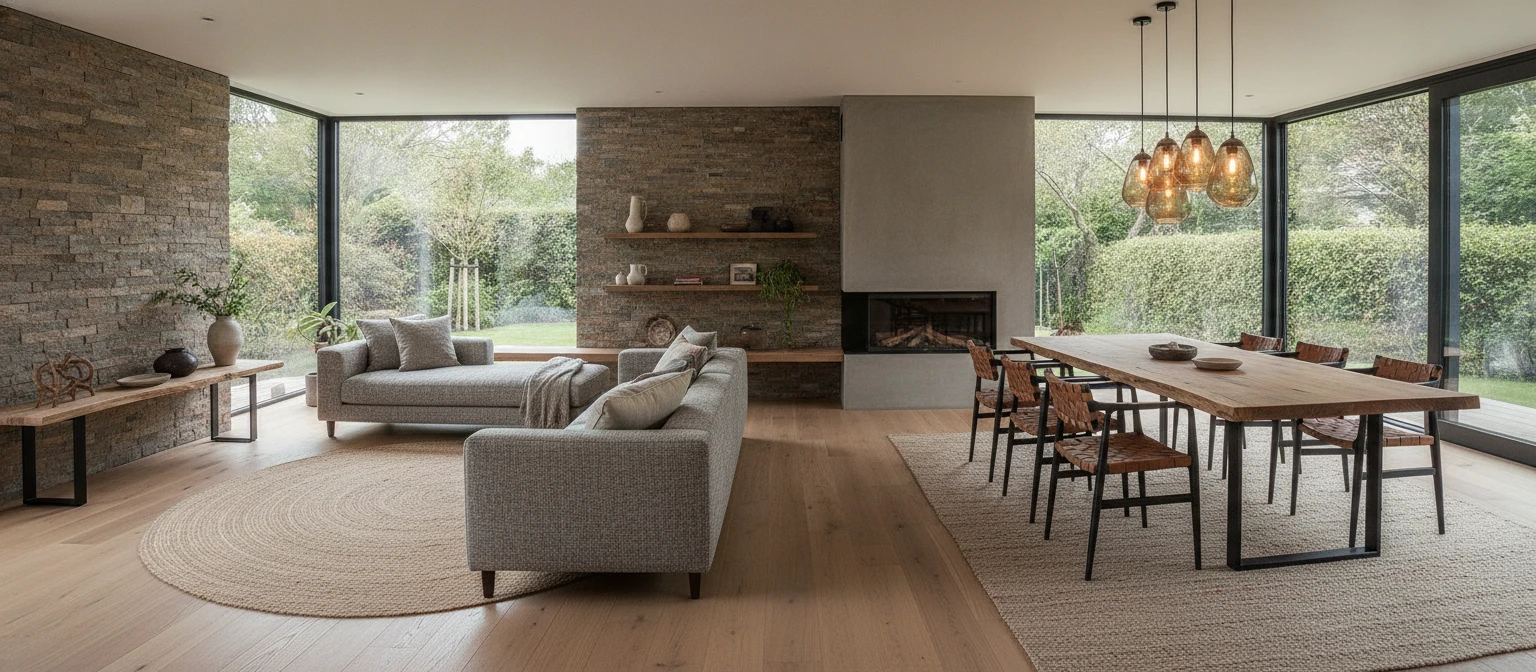
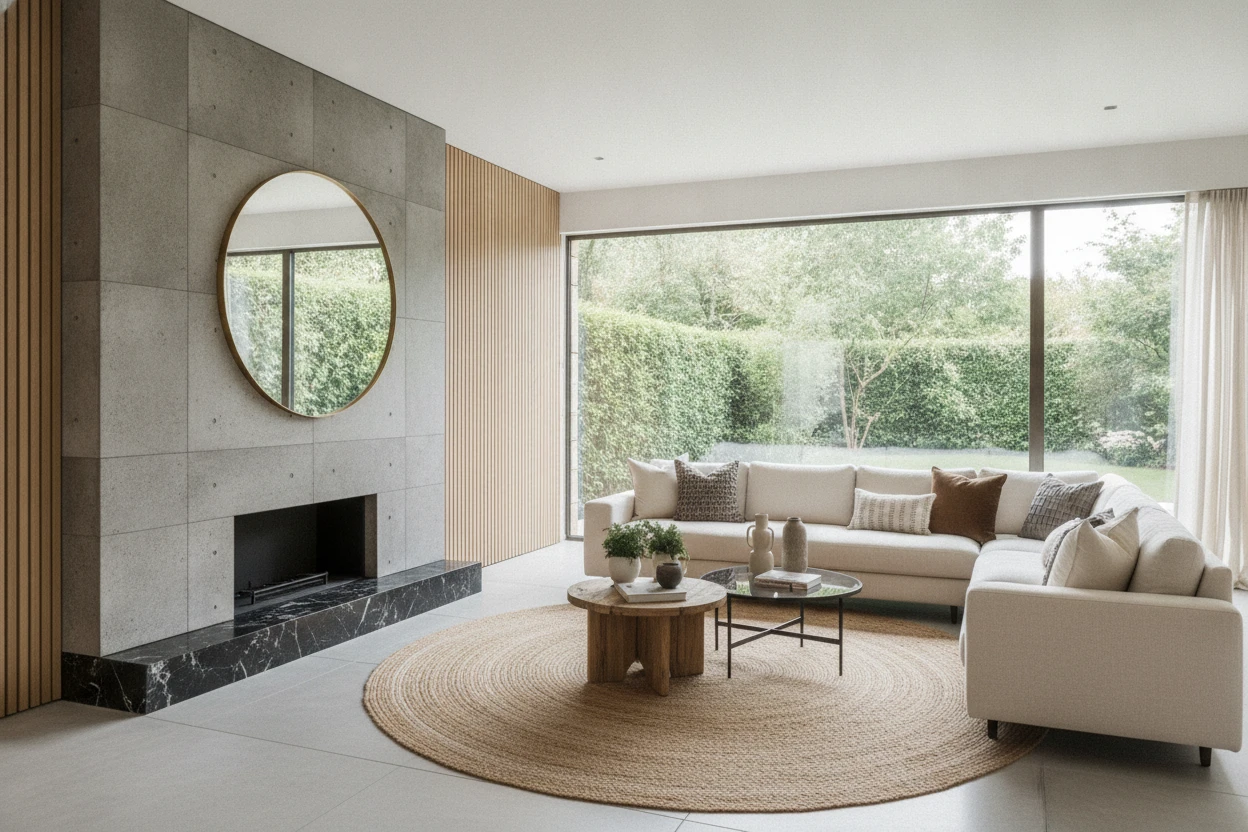
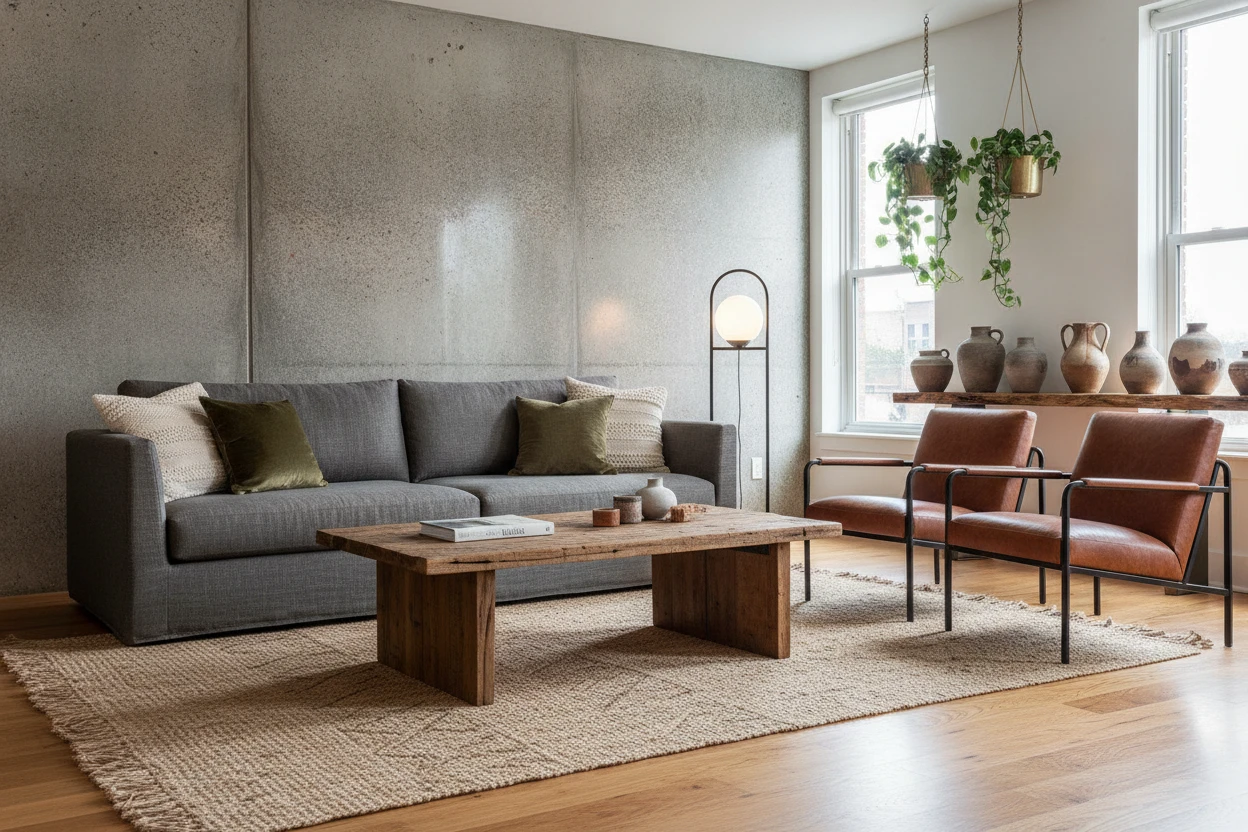
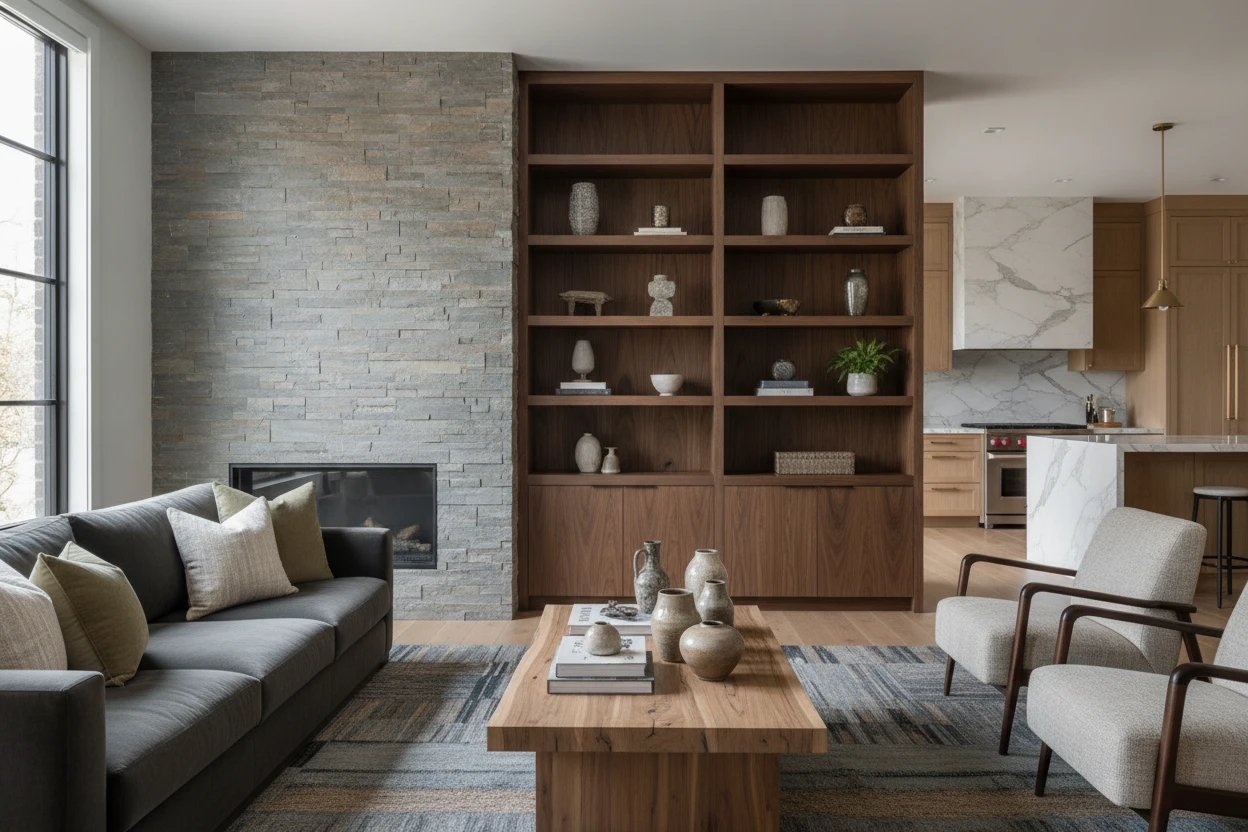
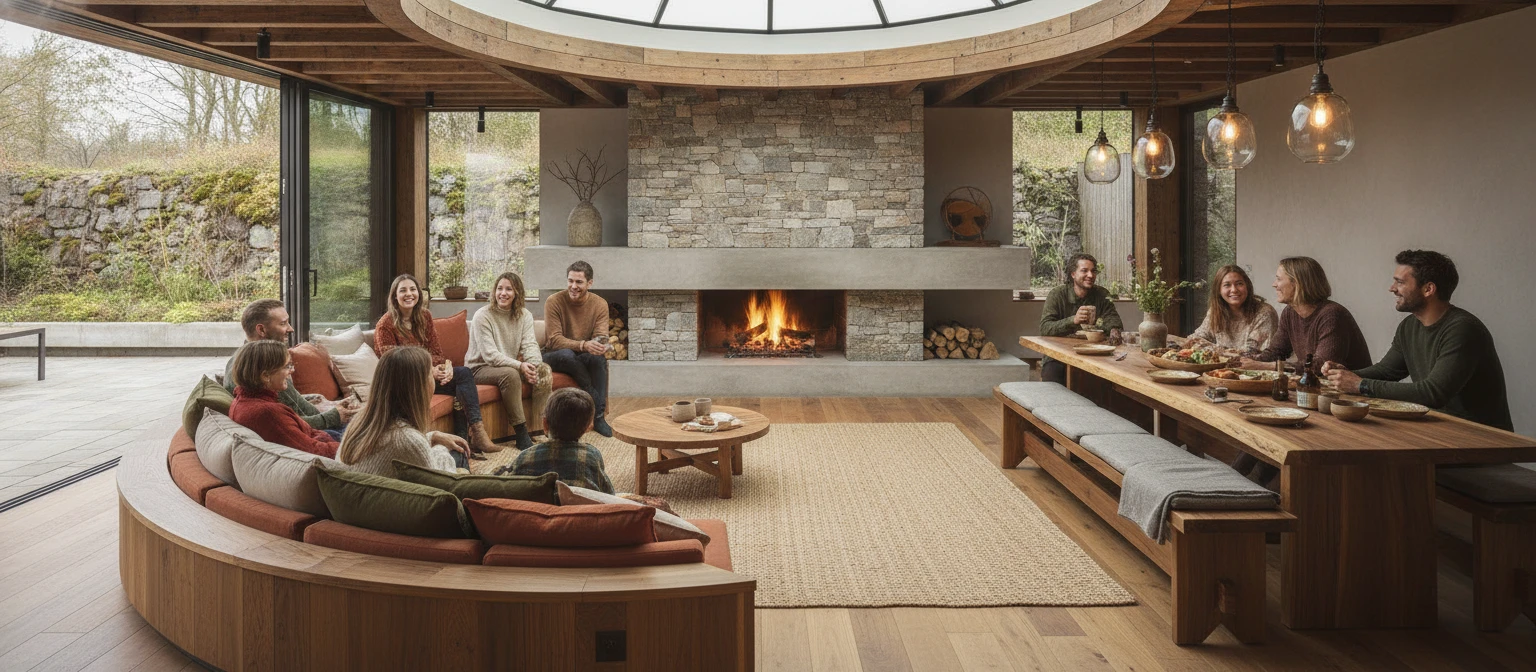
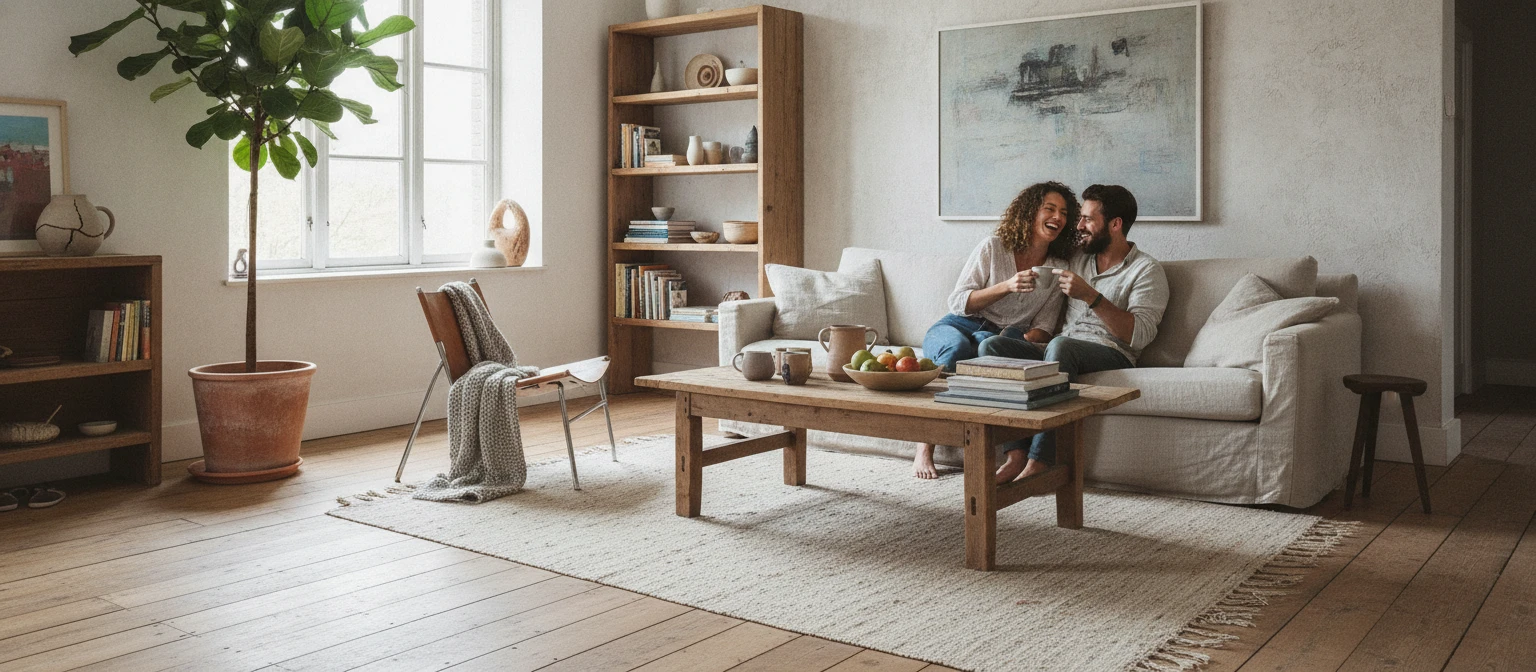
Creating cohesive interiors with multiple materials is an art that combines creativity, functionality, and an understanding of design principles. In today’s interior design landscape, using a variety of materials can add depth, texture, and interest to any space. However, achieving a harmonious look requires careful consideration and planning. The secret to creating cohesive interiors lies in selecting materials that complement each other while maintaining a unified aesthetic. For instance, pairing wood with metal can create a warm yet modern feel, while the juxtaposition of soft textiles against hard surfaces can evoke a sense of comfort and sophistication. It’s essential to establish a color palette that ties the various materials together, ensuring that they do not compete for attention but instead work in synergy to enhance the overall design. Additionally, understanding the scale and proportions of different elements is crucial to maintaining balance within the space. By thoughtfully combining materials, designers can create environments that are not only visually appealing but also functional and welcoming, making it essential for anyone looking to elevate their interior design skills to grasp this foundational concept.
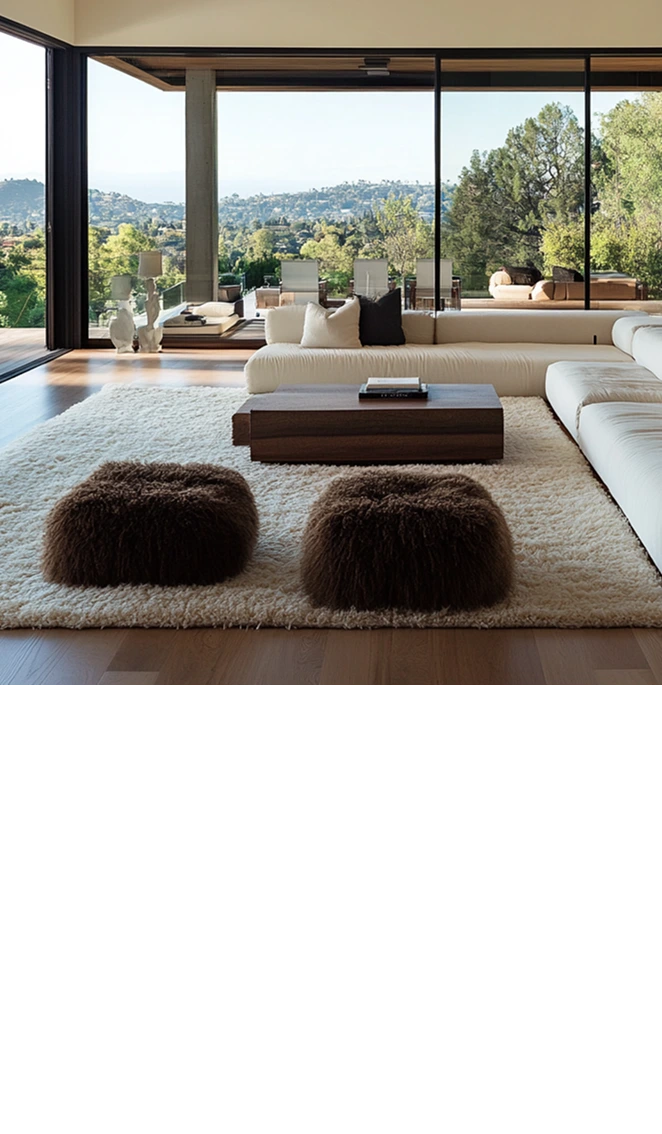
When exploring the secret to creating cohesive interiors with multiple materials, one must consider the various aspects of texture, color, and style. For example, incorporating natural elements like stone or wood can introduce an organic feel, while sleek metals and glass can lend a contemporary edge. The key is to find a common thread among the materials that links them together—this could be a shared color, a recurring shape, or a unifying theme that carries through the design. A successful interior might feature a stunning marble countertop, rustic wooden cabinetry, and modern stainless steel appliances, all working together to create a kitchen that feels both inviting and stylish. Additionally, layering different materials can add depth and intrigue; consider a living room that combines a plush velvet sofa, a woven jute rug, and a sleek glass coffee table. The contrast not only enhances visual interest but also creates a tactile experience. It’s also important to think about the scale of each material in relation to the space. For example, large tiles can make a small bathroom feel more expansive, while oversized furniture can dominate a room if not balanced with appropriately scaled decor. By understanding how to mix and match materials while considering these elements, anyone can master the secret to creating cohesive interiors that reflect their unique style and vision.
In summary, the secret to creating cohesive interiors with multiple materials rests on the principles of balance, color coordination, and thoughtful layering. By selecting materials that complement rather than clash, and by establishing a clear design theme, you can achieve a harmonious aesthetic that feels both intentional and inviting. Consider the role of texture and scale in your design choices, ensuring that each element contributes to the overall atmosphere of the space. Whether you’re redesigning a single room or an entire home, take the time to explore different material combinations and how they interact with one another. Remember, cohesion does not mean uniformity; rather, it embraces diversity within a structured framework. As you embark on your design journey, keep these principles in mind, and you’ll be well on your way to creating stunning interiors that capture attention and evoke emotion. Embrace experimentation and let your creativity flow, and you’ll discover that the beauty of multiple materials lies in their ability to tell a story together.
TRENDING NOW
How Texture and Color Work Together to Shape Human Experience