The Science Behind Choosing the Right Color Palette for Interiors
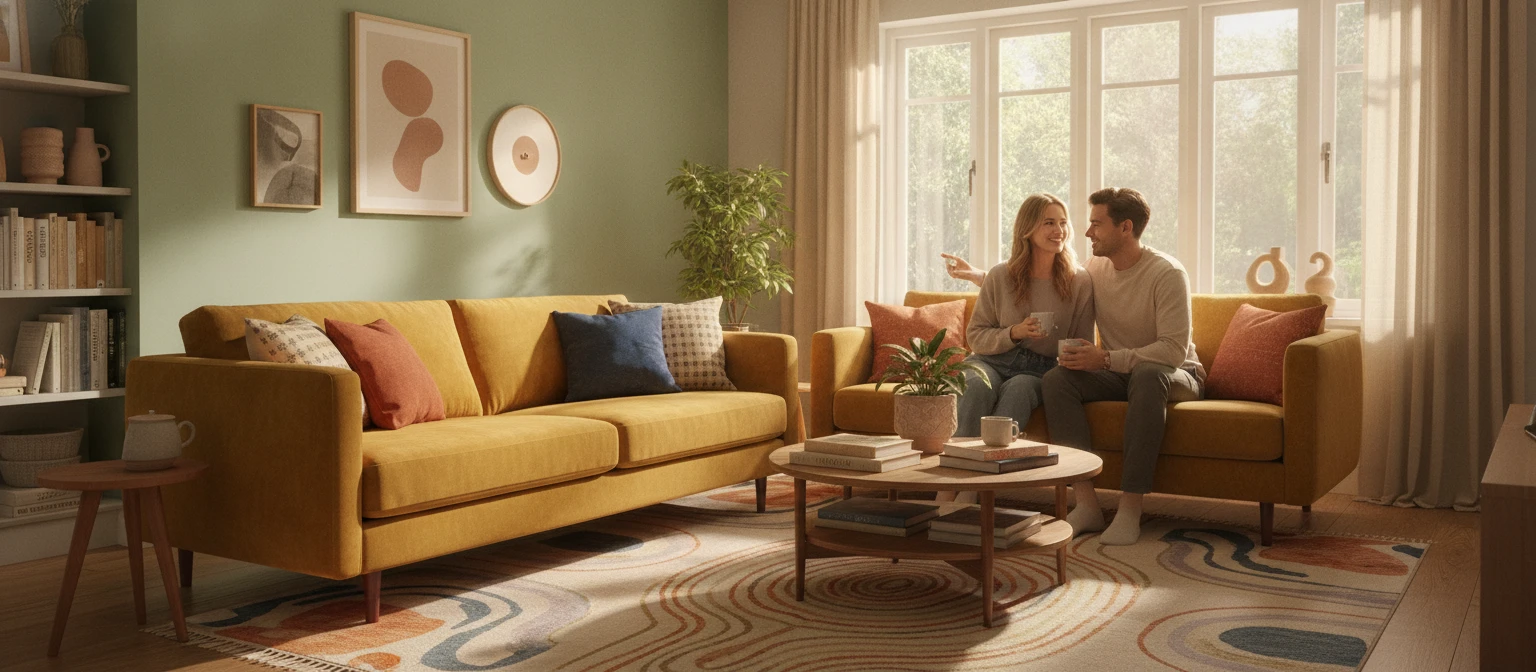
The Science Behind Choosing the Right Color Palette for Interiors is a crucial topic for anyone looking to transform their living space effectively. Color not only influences the aesthetic appeal of a room but also profoundly impacts our emotions and behaviors. For instance, warm colors like reds and oranges can evoke feelings of warmth and comfort, making spaces feel inviting and cozy. Conversely, cooler colors such as blues and greens often promote calmness and relaxation, ideal for bedrooms or meditation areas. Understanding the psychological effects of colors can empower homeowners and decorators to make informed decisions that enhance the functionality and ambiance of a space. Additionally, different colors can create perceptions of space; light colors can make a room appear larger, while dark colors can provide a sense of intimacy. Moreover, the choice of color palette should align with the purpose of the room and the lifestyle of its inhabitants. This exploration of color psychology is essential for crafting interiors that are not only visually appealing but also supportive of emotional well-being and practical use, making it a critical consideration in interior design.
Delving deeper into The Science Behind Choosing the Right Color Palette for Interiors reveals the significance of color theory in design. The color wheel, comprised of primary, secondary, and tertiary colors, forms the basis for creating harmonious color schemes. Complementary colors, located opposite each other on the wheel, create vibrant contrasts that energize a space, while analogous colors, situated next to each other, produce a more serene and unified look. Moreover, trends in interior design often reflect cultural influences and societal changes; for instance, the rise of biophilic design has increased the popularity of earthy tones that connect living spaces to the natural world. A well-thought-out color palette can also enhance the perceived value of a home. For example, neutral tones are often favored in real estate because they appeal to a broader range of potential buyers, creating a blank canvas that allows them to envision their style within the space. Additionally, lighting plays a crucial role in how colors appear; natural and artificial light can alter the perception of color, making it essential to test paint samples under different lighting conditions before finalizing a decision. This comprehensive understanding of color theory and application helps individuals create spaces that are not only aesthetically pleasing but also resonate with their personal style and lifestyle needs.
In summary, The Science Behind Choosing the Right Color Palette for Interiors is a multifaceted exploration that intertwines psychology, aesthetics, and practicality. By understanding the emotional and spatial effects of different colors, homeowners can make informed choices that enhance their living environments. Whether opting for bold, vibrant hues to energize a space or subtle, calming shades for relaxation, the right color palette can significantly influence mood and functionality. As individuals embark on their interior design journey, it is essential to consider both personal preferences and the psychological implications of color choices. Utilizing color theory to create harmonious and purposeful spaces not only enriches the aesthetic appeal but also supports emotional well-being. Future considerations may involve experimenting with the latest color trends or incorporating personal touches that reflect one’s unique style. Ultimately, a well-chosen color palette serves as a foundation for beautiful and functional interiors, fostering a sense of comfort and satisfaction in the spaces we inhabit.
TRENDING NOW
How Texture and Color Work Together to Shape Human Experience