January 16, 2026
The Resurgence of Artisanal Materials in Contemporary Design
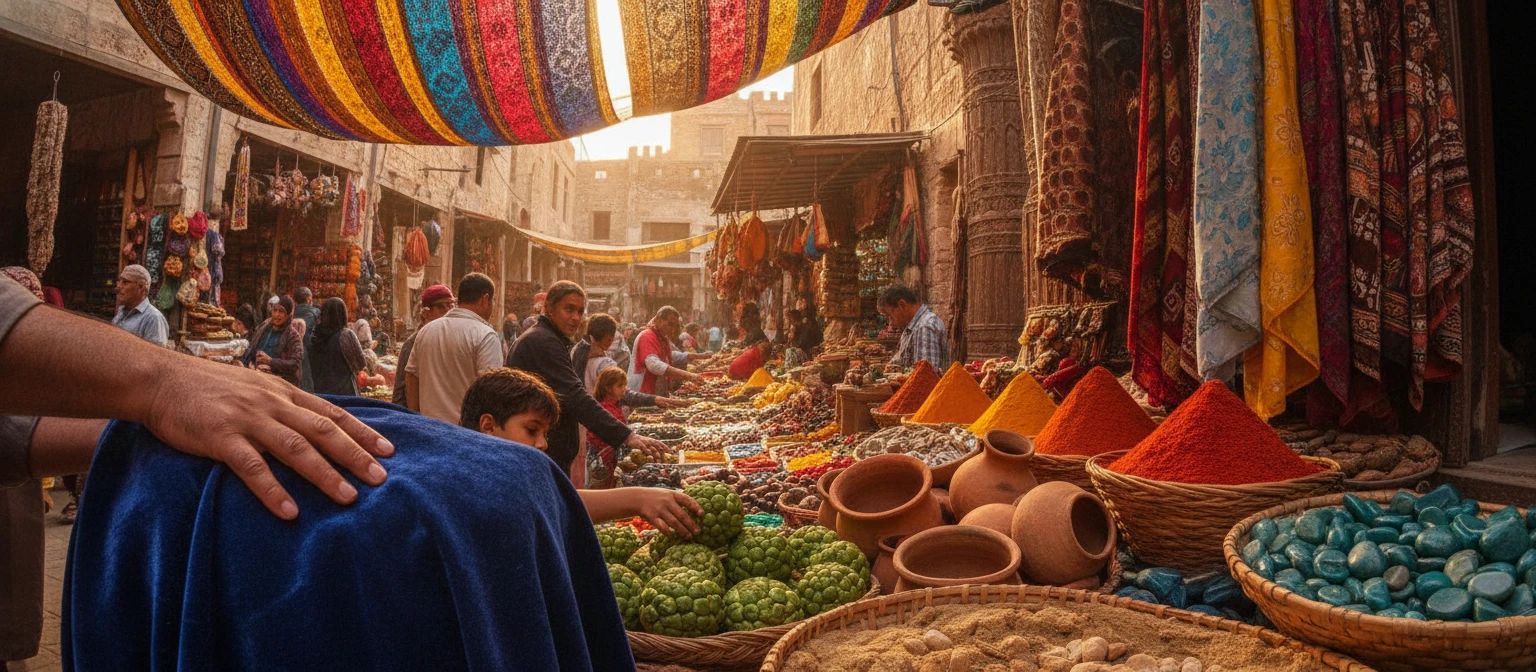
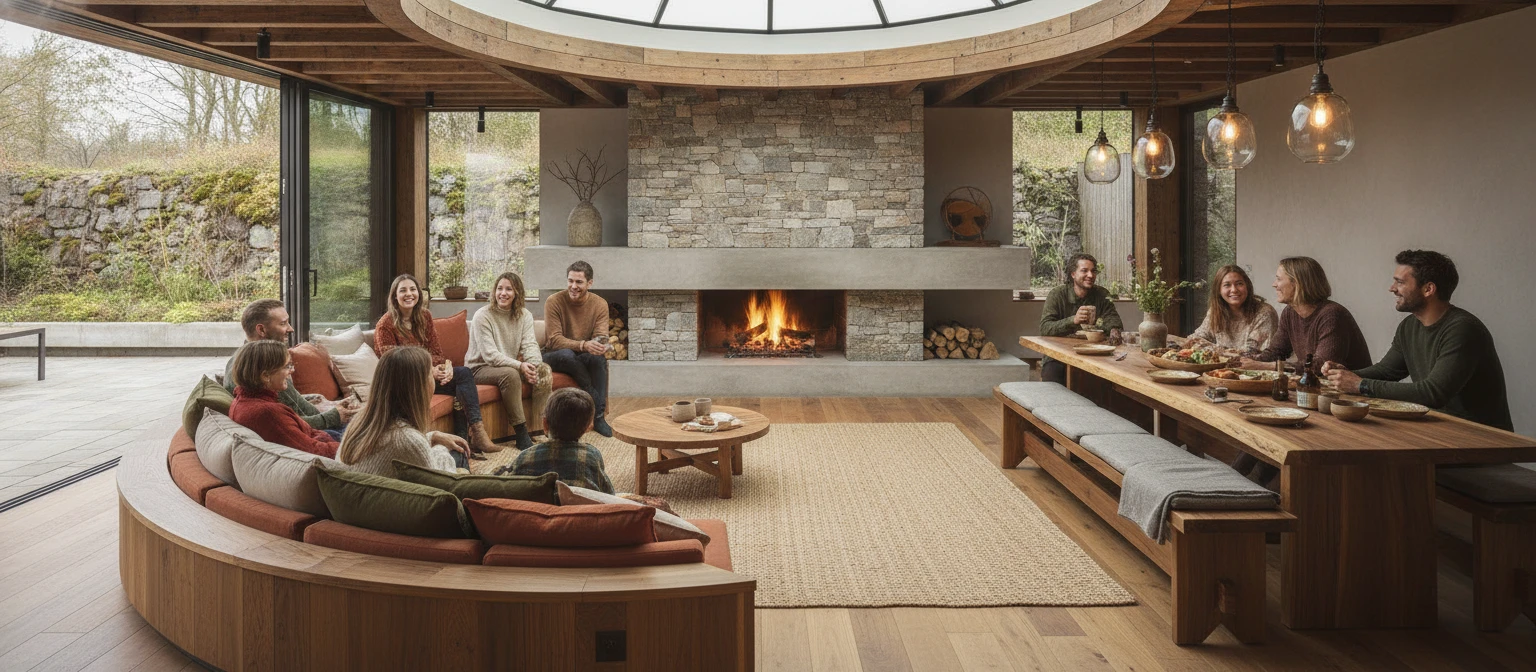
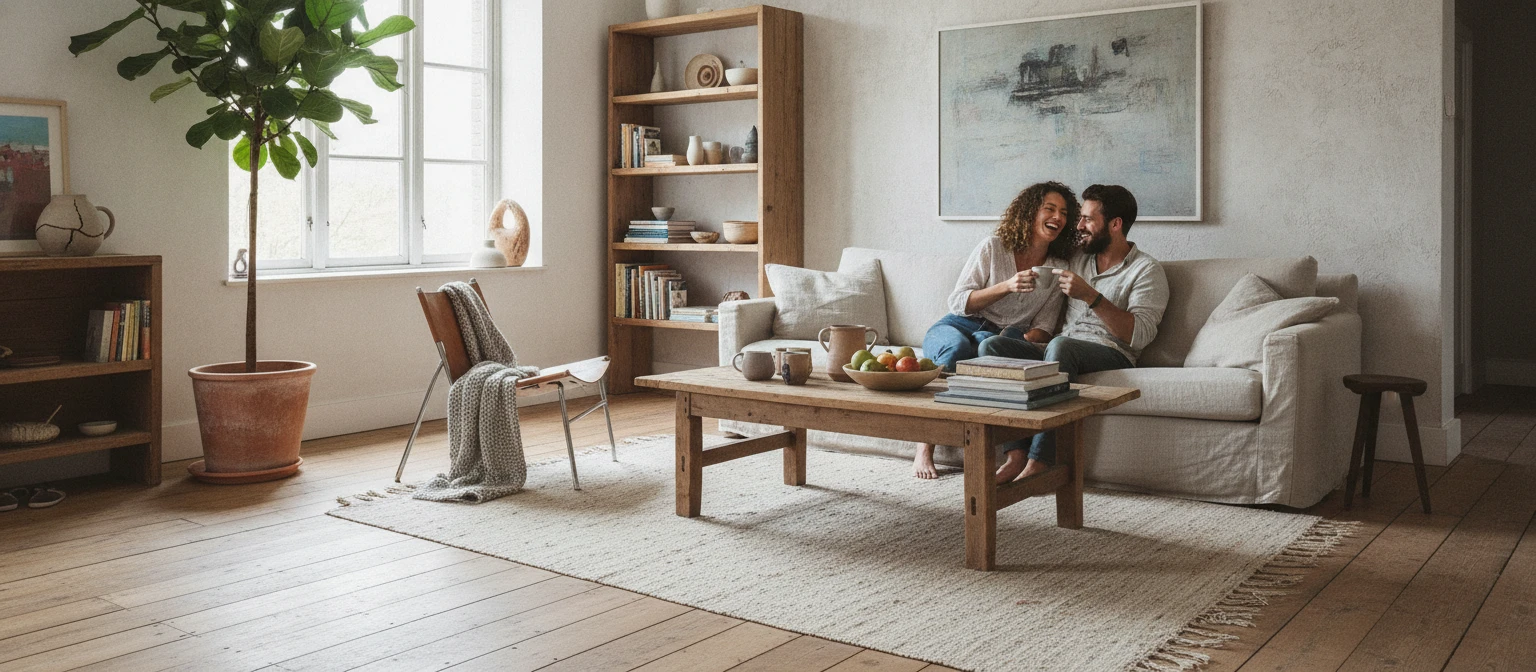
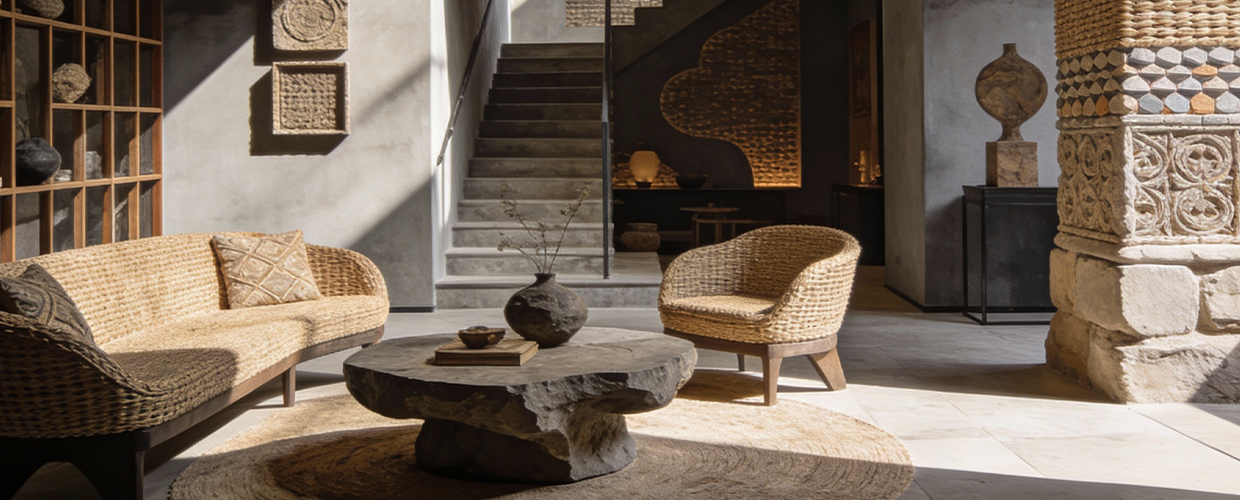
In the modern landscape of luxury design, a profound shift is occurring as architects and interior designers increasingly turn to artisanal materials to craft spaces that resonate with authenticity and narrative depth. This resurgence is not merely a trend but a thoughtful return to craftsmanship, where each element within a space tells a unique story. The resurgence of artisanal materials in contemporary design reflects a growing desire to create environments that are not only visually stunning but also deeply personal and timeless. As the world becomes more digitized and fast-paced, there is a counter-movement towards slowing down, appreciating the tactile, and celebrating the imperfections that come with handmade materials. This shift is particularly evident in the luxury hospitality and residential sectors, where clients seek spaces that evoke a sense of place, history, and cultural richness. Artisanal materials, with their inherent textures and unique characteristics, offer a sensory experience that is unmatched by mass-produced alternatives. Whether it’s the warm grain of reclaimed wood, the intricate patterns of handwoven textiles, or the subtle variations in hand-glazed ceramics, these materials invite touch and engagement, creating a dialogue between the space and its occupants. This article explores the significance of this movement, examining how the integration of artisanal materials is not only elevating design aesthetics but also fostering a deeper connection between space and human experience. Through this exploration, we aim to provide valuable insights for design-conscious decision-makers who appreciate the poetry of space and the timeless beauty of material storytelling.
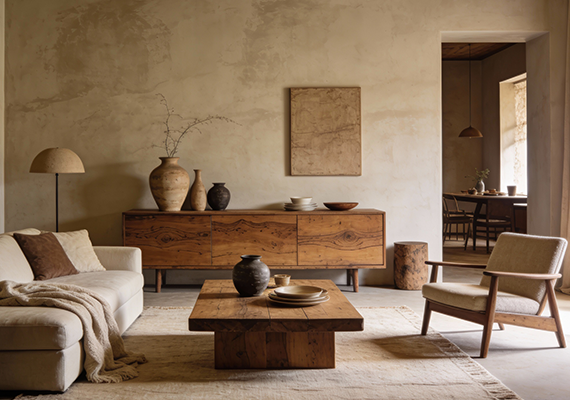
The resurgence of artisanal materials in contemporary design is a testament to the enduring appeal of craftsmanship and the human touch. In a world dominated by technology and mass production, there is a growing appreciation for the unique qualities that handmade materials bring to a space. This movement is driven by a desire to create environments that are not only aesthetically pleasing but also imbued with a sense of history and authenticity. Artisanal materials, with their rich textures and imperfections, offer a tactile experience that engages the senses and invites interaction. For instance, the use of natural stone with its varied veining and color variations can transform a simple room into a sanctuary that speaks of the earth’s beauty and resilience. Similarly, the application of hand-forged metals can add a layer of sophistication and timelessness, creating a bridge between past and present. In luxury hospitality, these materials are used to evoke a sense of place, connecting guests to the local culture and landscape. In residential design, they offer homeowners a chance to infuse their spaces with personal meaning and character. The resurgence of artisanal materials also aligns with a broader cultural shift towards sustainability and ethical consumption. By choosing materials that are locally sourced and crafted by skilled artisans, designers are supporting sustainable practices and preserving traditional crafts. This approach not only enhances the aesthetic and functional qualities of a space but also contributes to a more sustainable and equitable design industry. As we continue to navigate the complexities of modern life, the integration of artisanal materials offers a pathway to creating spaces that are not only beautiful but also meaningful and enduring.
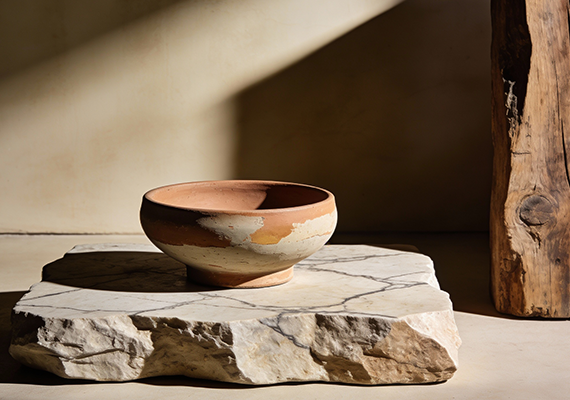
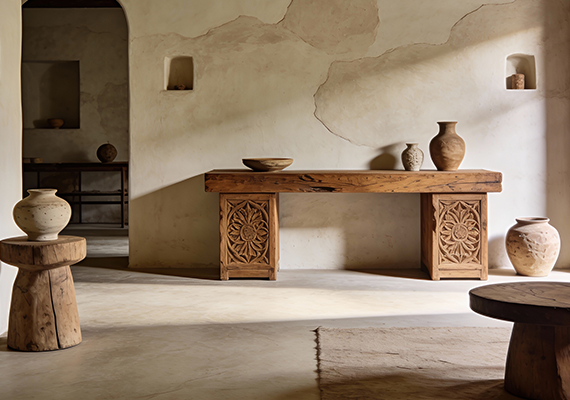
The resurgence of artisanal materials in contemporary design underscores a significant shift towards authenticity, sustainability, and sensory engagement in the creation of luxury spaces. This movement celebrates the unique qualities of handcrafted materials, offering a counterpoint to the homogeneity of mass production. By integrating artisanal elements, designers are crafting environments that are rich in narrative and cultural significance, resonating with the poetry of space that AB Concepts champions. These materials not only enhance the aesthetic appeal of a space but also foster a deeper connection between the occupants and their surroundings, creating experiences that are both personal and timeless. For decision-makers in the luxury hospitality and residential sectors, embracing artisanal materials can lead to the creation of spaces that stand out for their beauty, authenticity, and sustainability. As we look to the future, the continued exploration of artisanal materials in design promises to enrich our built environments, offering new opportunities to tell stories through architecture and interior design. This approach aligns with the growing demand for spaces that elevate everyday living while honoring the traditions and skills of artisans around the world. In this way, the resurgence of artisanal materials is not just a design trend but a meaningful evolution in how we conceive and inhabit our spaces.
TRENDING NOW