The Relationship Between Natural Light and Interior Colors
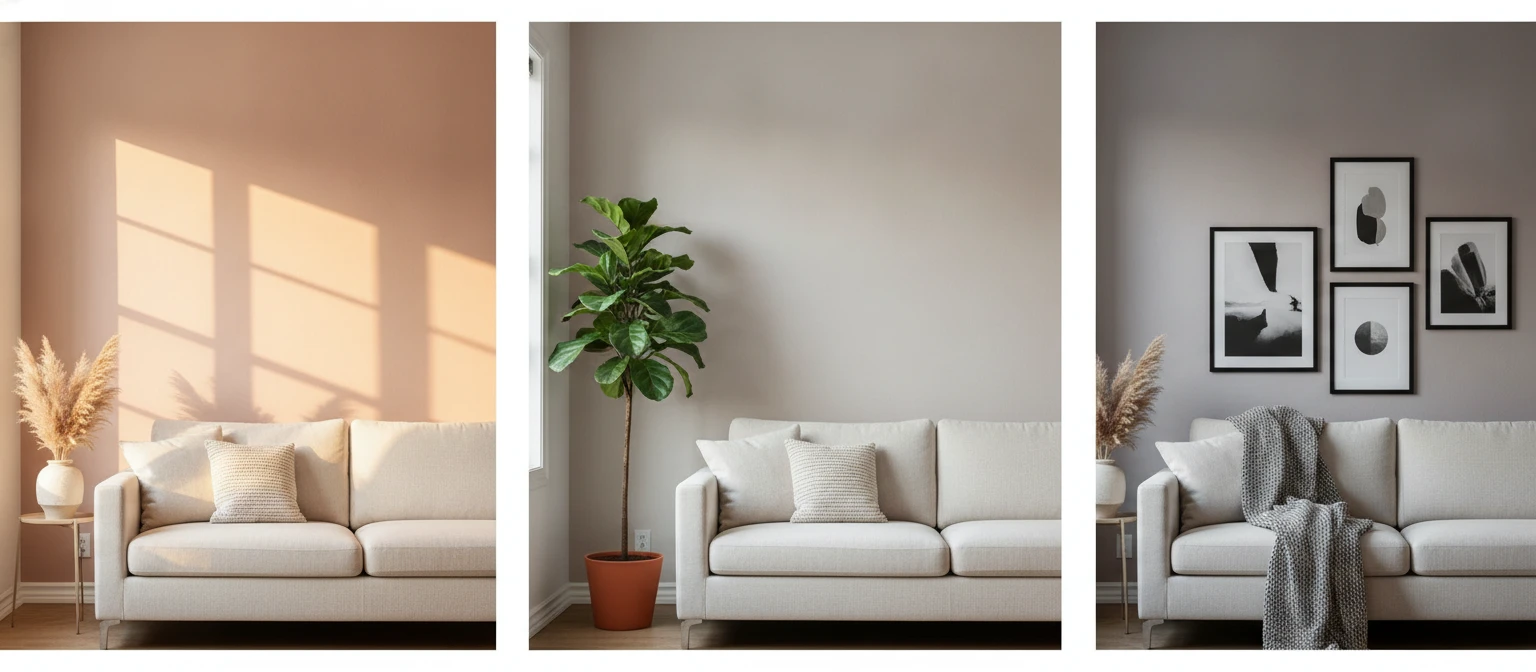
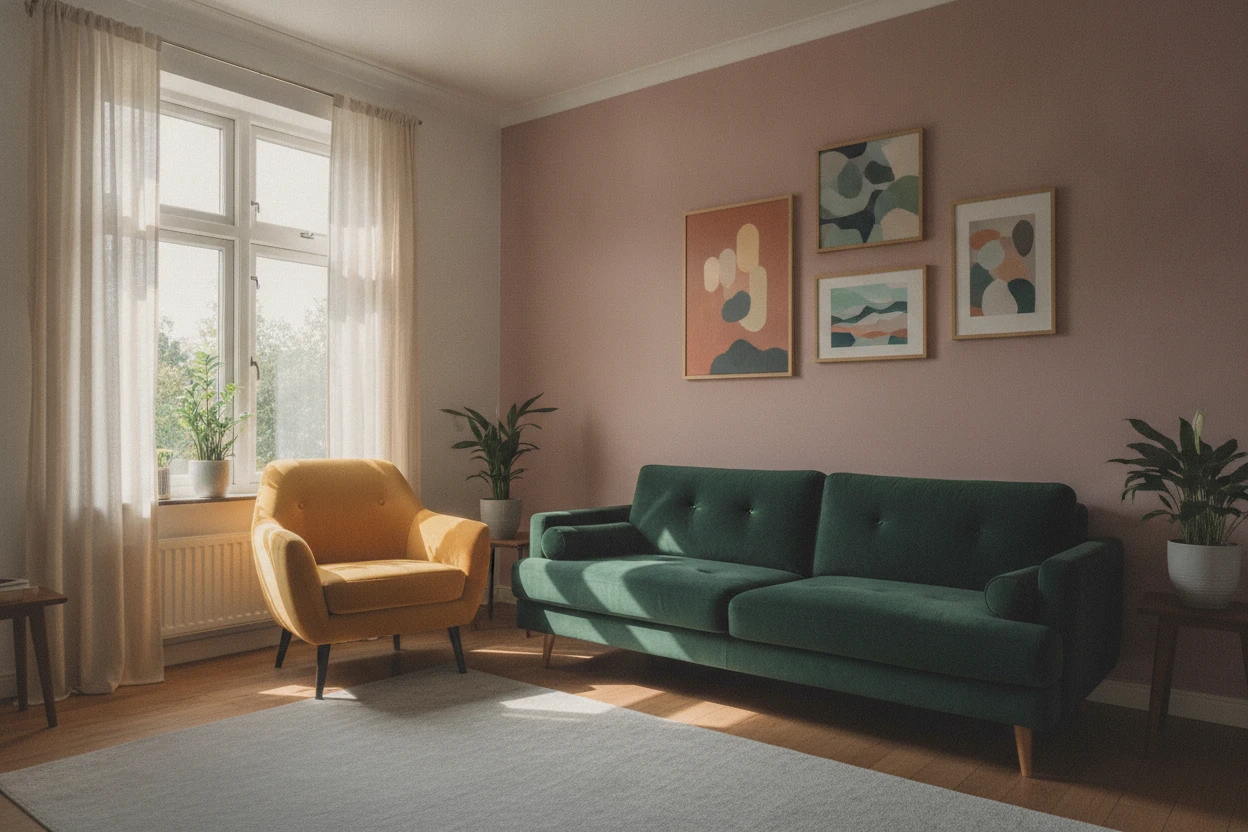
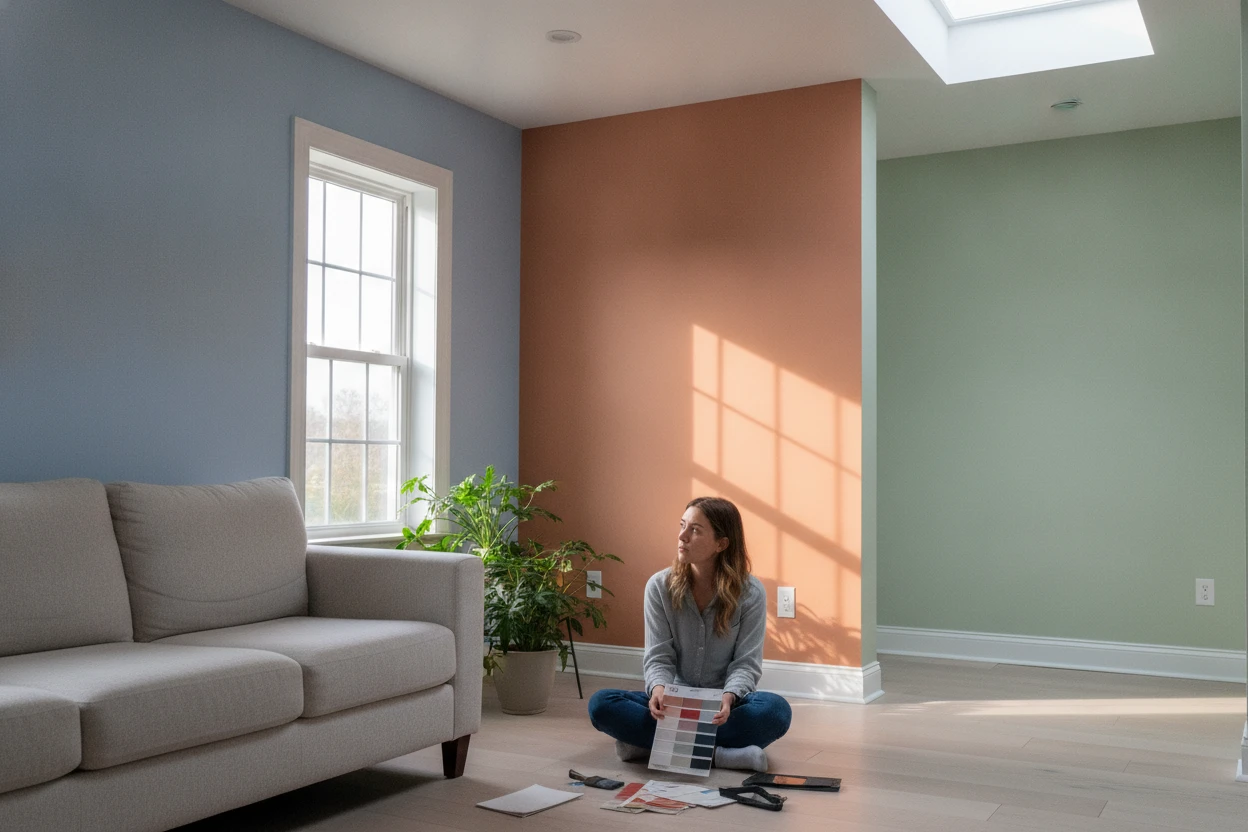
The relationship between natural light and interior colors is a critical aspect of interior design that can significantly influence the atmosphere and perception of a space. Natural light, the illumination provided by the sun, plays a vital role in how colors are perceived within any environment. This interaction is not merely aesthetic; it can affect mood, productivity, and even the functionality of a space. For example, a room that receives abundant natural light can make colors appear more vibrant and lively, while spaces with limited sunlight may render colors dull and muted. Understanding how different types of natural light—such as warm morning light versus cool afternoon light—affect color perception is essential for homeowners and designers alike. This knowledge enables them to make informed decisions about paint choices, furnishings, and overall design schemes that enhance the room’s intended purpose. Moreover, the orientation of windows and the size of openings also contribute to how light enters a space, further influencing the color dynamics. By grasping the nuances of this relationship, one can create inviting and harmonious environments that resonate with the desired emotional responses.
The interplay between natural light and interior colors is not only about aesthetics; it is also a science rooted in color theory and psychology. Colors react differently depending on the quality and quantity of natural light they receive. For instance, a soft pastel in a bright, sunlit room can evoke feelings of tranquility and cheerfulness, whereas the same color in a dimly lit space may appear more somber and less inviting. Additionally, the time of day and seasonal changes can dramatically alter the perception of colors within a room. The golden hour, shortly after sunrise or before sunset, can cast a warm glow that enhances earthy tones like terracotta or cream, making them feel cozy and inviting. On the other hand, midday sun, which is more intense and neutral, can highlight cooler tones, such as blues and greens, providing a fresh and airy feeling. Furthermore, the materials and textures in a room can also influence how colors are reflected or absorbed, adding another layer to the relationship between natural light and interior colors. Understanding these dynamics allows homeowners to tailor their color selections strategically, ensuring that each space feels harmonious and reflective of their personal style.
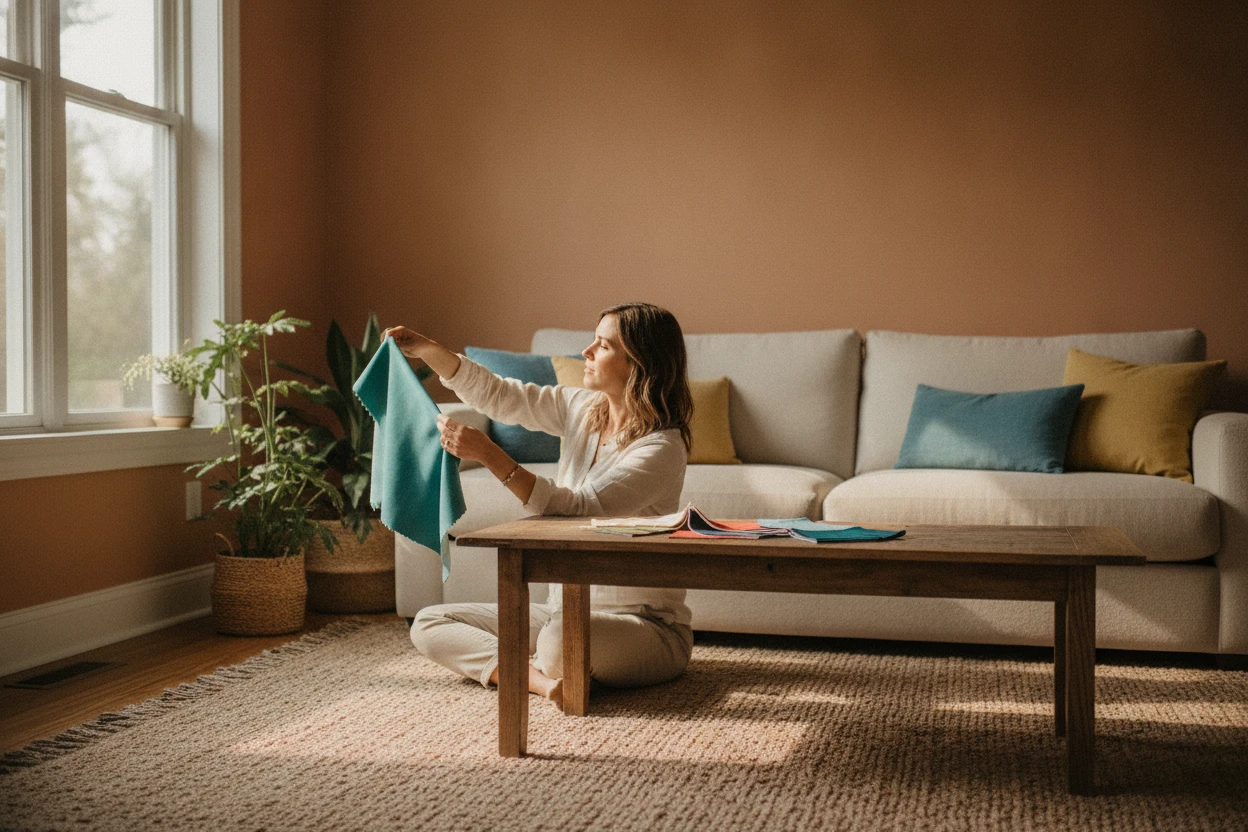
In conclusion, the relationship between natural light and interior colors is a multifaceted topic that encompasses aesthetic, psychological, and practical considerations. By acknowledging how different light conditions affect color perception, individuals can make informed decisions that enhance their living or working environments. Whether it’s selecting the right paint shades or considering the placement of furniture and decor, the impact of natural light should never be overlooked. To maximize the benefits, consider experimenting with color samples at different times throughout the day to observe how they change with varying light conditions. Additionally, incorporating mirrors and reflective surfaces can help distribute natural light more evenly, enhancing the overall color experience. Ultimately, understanding this relationship not only elevates the design of a space but also contributes to a more enjoyable and functional living experience.
TRENDING NOW
How Texture and Color Work Together to Shape Human Experience