November 7, 2025
The Power of Natural Materials: Bringing Authenticity to Modern Spaces
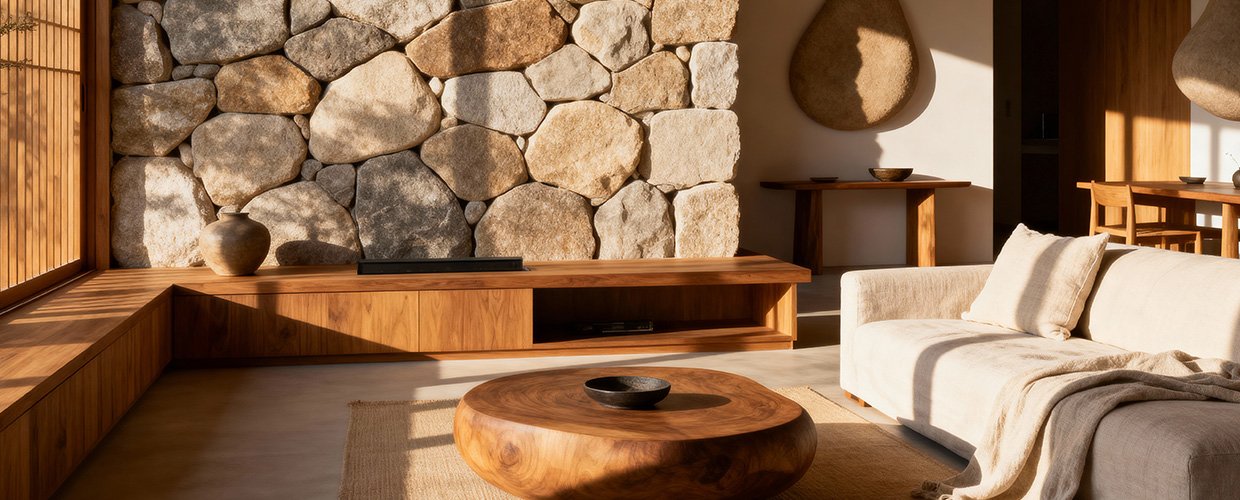
In a world increasingly dominated by synthetic materials and digital experiences, there is a growing desire to reconnect with nature and bring a sense of authenticity into our living spaces. The use of natural materials in architecture and interior design offers a timeless appeal that resonates deeply with our innate appreciation for the natural world. This trend is not merely aesthetic; it is a movement towards creating environments that promote well-being and sustainability. Natural materials such as wood, stone, and clay possess unique characteristics that imbue spaces with warmth, texture, and a sense of grounding. These materials tell a story of origin and craftsmanship, connecting the occupants to the earth and to the hands that shaped them. The power of natural materials lies in their ability to transform modern spaces into sanctuaries of authenticity and comfort, offering a refuge from the hustle and bustle of everyday life. As we explore the integration of these materials into contemporary design, we uncover a rich tapestry of possibilities that invite us to rethink our relationship with the spaces we inhabit. The importance of this topic extends beyond mere aesthetics; it speaks to a broader cultural shift towards valuing the tangible and the real in an increasingly virtual world. For design-conscious homeowners and boutique commercial clients, the allure of natural materials is undeniable, offering a path to creating bespoke interiors that are both functional and deeply personal. In this article, we delve into the myriad ways natural materials can be harnessed to bring authenticity to modern spaces, inviting readers to explore the transformative potential of nature within their own environments.
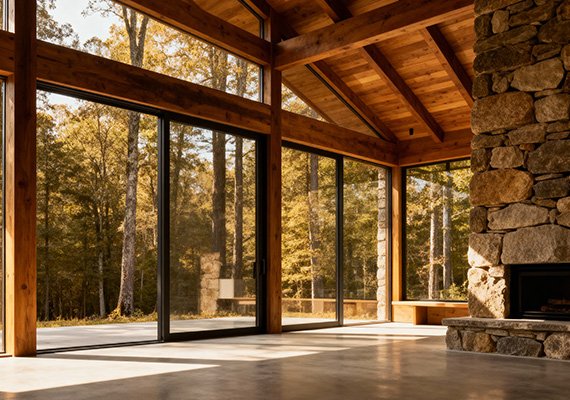
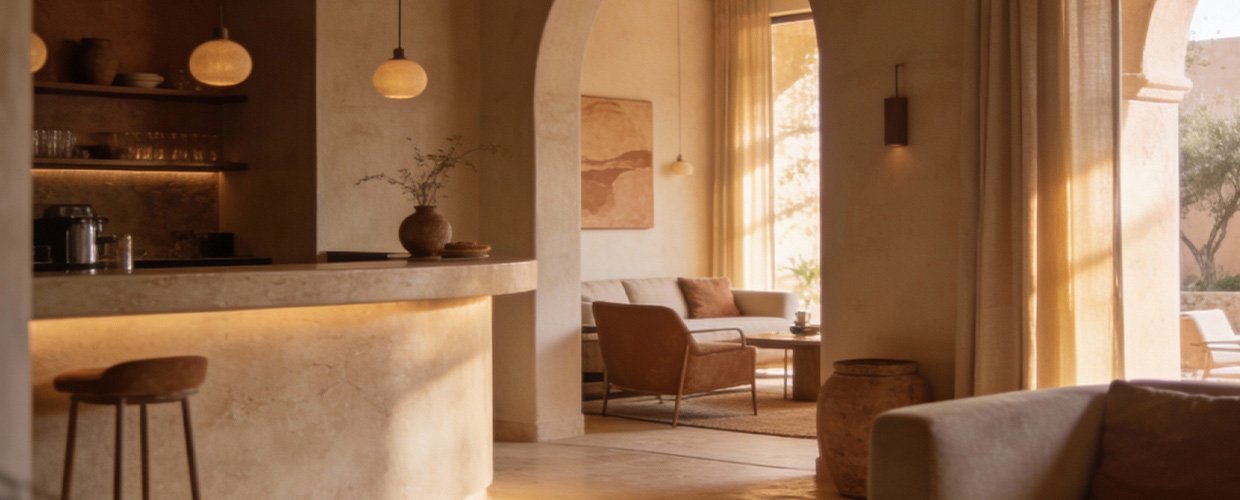
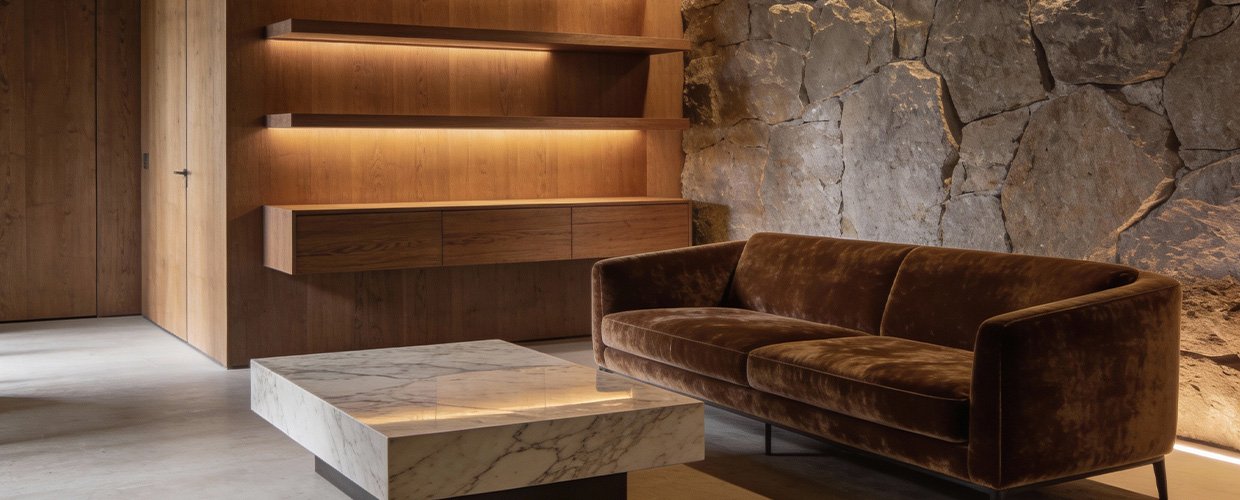
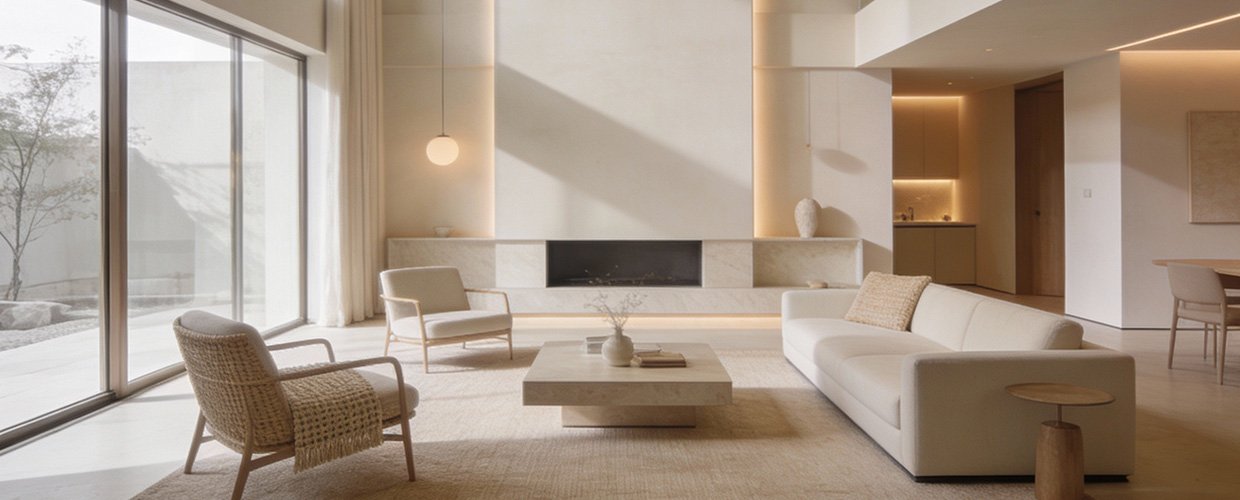
Natural materials offer a palette of textures and tones that are unparalleled in their ability to evoke emotion and connection. Wood, for instance, is a versatile material that can be used in a variety of ways, from structural elements to intricate detailing. Its warmth and organic beauty make it a favorite in both residential and commercial spaces. The grain of the wood tells a story of growth and resilience, adding character and depth to any design. Stone, on the other hand, brings a sense of permanence and strength. Whether used as flooring, countertops, or accent walls, stone offers a tactile experience that is both grounding and luxurious. Each piece of stone is unique, with its own patterns and colors, making it a one-of-a-kind addition to any space. Clay, often seen in the form of terracotta tiles or pottery, adds an earthy, rustic charm. Its porous nature allows it to breathe, contributing to healthier indoor air quality and a more comfortable living environment. The use of natural materials also aligns with sustainable design practices. These materials are often locally sourced, reducing the carbon footprint associated with transportation. They are also biodegradable, ensuring that when they reach the end of their life cycle, they can return to the earth without causing harm. Moreover, natural materials age gracefully, developing a patina over time that adds to their beauty and character. This longevity and adaptability make them an investment in both the present and the future. By incorporating natural materials into modern design, we create spaces that are not only visually stunning but also environmentally responsible and emotionally resonant. These materials invite us to slow down, to appreciate the craftsmanship and the natural world, and to find solace in spaces that reflect our values and our connection to the earth.
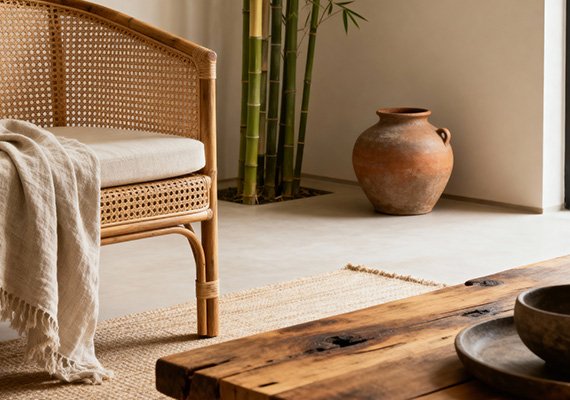
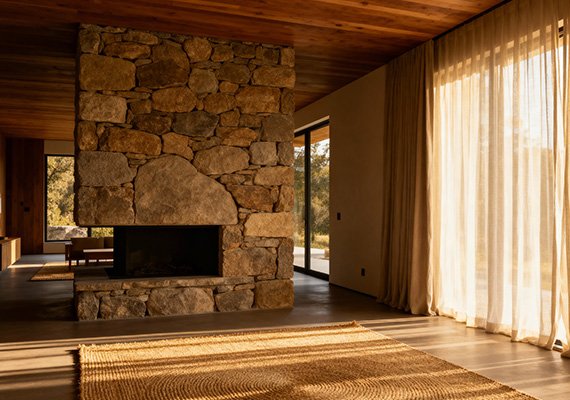
In conclusion, the integration of natural materials into modern spaces offers a profound opportunity to enhance both aesthetic and emotional experiences. These materials bring authenticity, warmth, and a sense of connection to our environments, making them more than just places to live or work. They become extensions of our identity and values, reflecting a commitment to sustainability and craftsmanship. As we navigate the complexities of modern life, the simplicity and beauty of natural materials provide a grounding force, reminding us of the importance of nature in our daily lives. The key takeaways from this exploration include the understanding that natural materials are not just a design choice but a lifestyle choice that prioritizes well-being and environmental responsibility. For those seeking to create spaces that are timeless and deeply personal, the use of natural materials offers a pathway to achieving these goals. By embracing the power of nature in design, we invite a sense of harmony and balance into our lives, fostering environments that inspire and rejuvenate. As you consider the potential of natural materials in your own spaces, we invite you to start a conversation with AB Concepts. Our expertise in crafting refined and functional environments ensures that your vision is brought to life with the authenticity and elegance that natural materials so beautifully provide.
TRENDING NOW