The Most Versatile Materials for Modern Luxury Interiors
In the realm of modern luxury interiors, the choice of materials plays a pivotal role in shaping the overall aesthetic and functionality of a space. The most versatile materials for modern luxury interiors are not just about opulence; they encompass a blend of durability, sustainability, and unique visual appeal. From sleek metals to sumptuous textiles, these materials are integral in creating environments that resonate with sophistication and comfort. As we navigate through trends that prioritize both style and substance, understanding the characteristics of these materials allows designers and homeowners alike to make informed decisions. This knowledge goes beyond mere aesthetics; it also involves considerations of maintenance, environmental impact, and how well these materials can adapt to various design styles. By examining the nuances of each material, we can appreciate their potential to transform spaces into luxurious havens that reflect personal tastes while upholding contemporary design principles. This exploration sets the stage for a deeper dive into the specific materials that are redefining luxury interiors today, each offering unique attributes that contribute to a cohesive and elegant living experience.
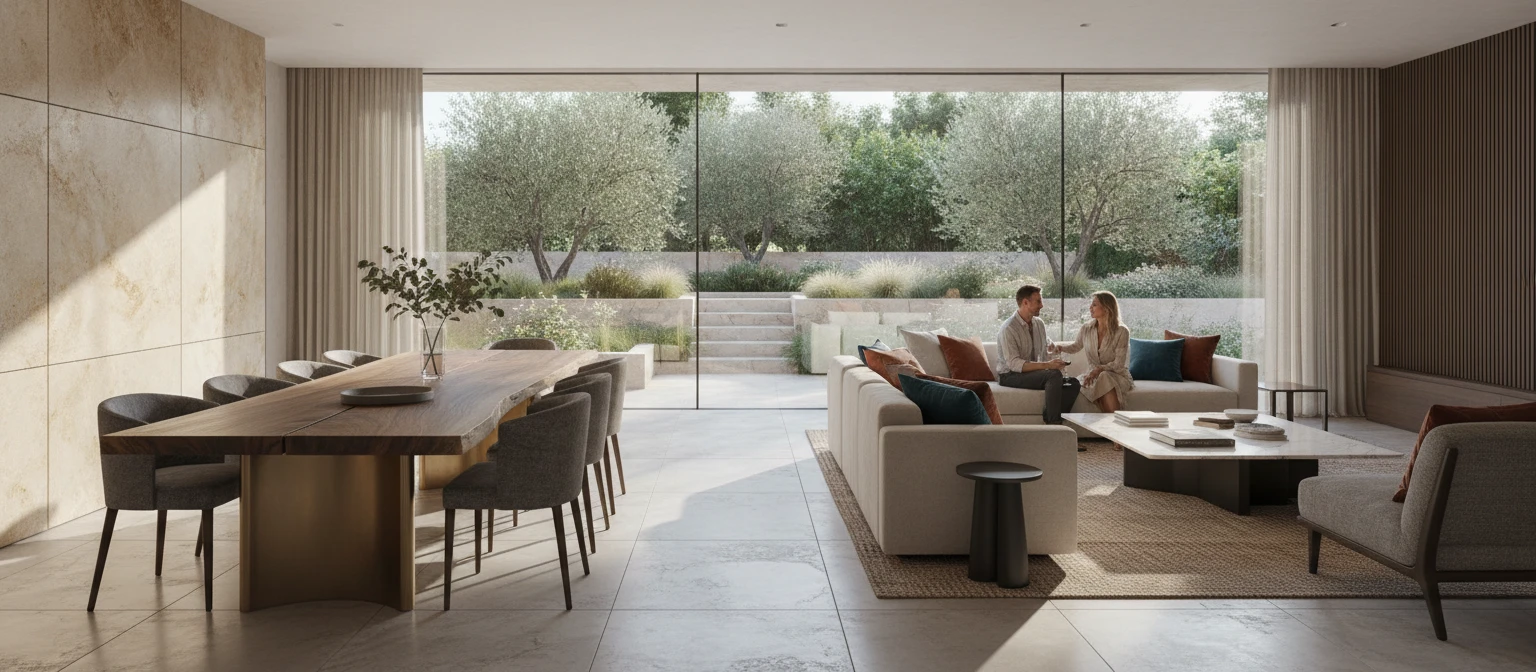
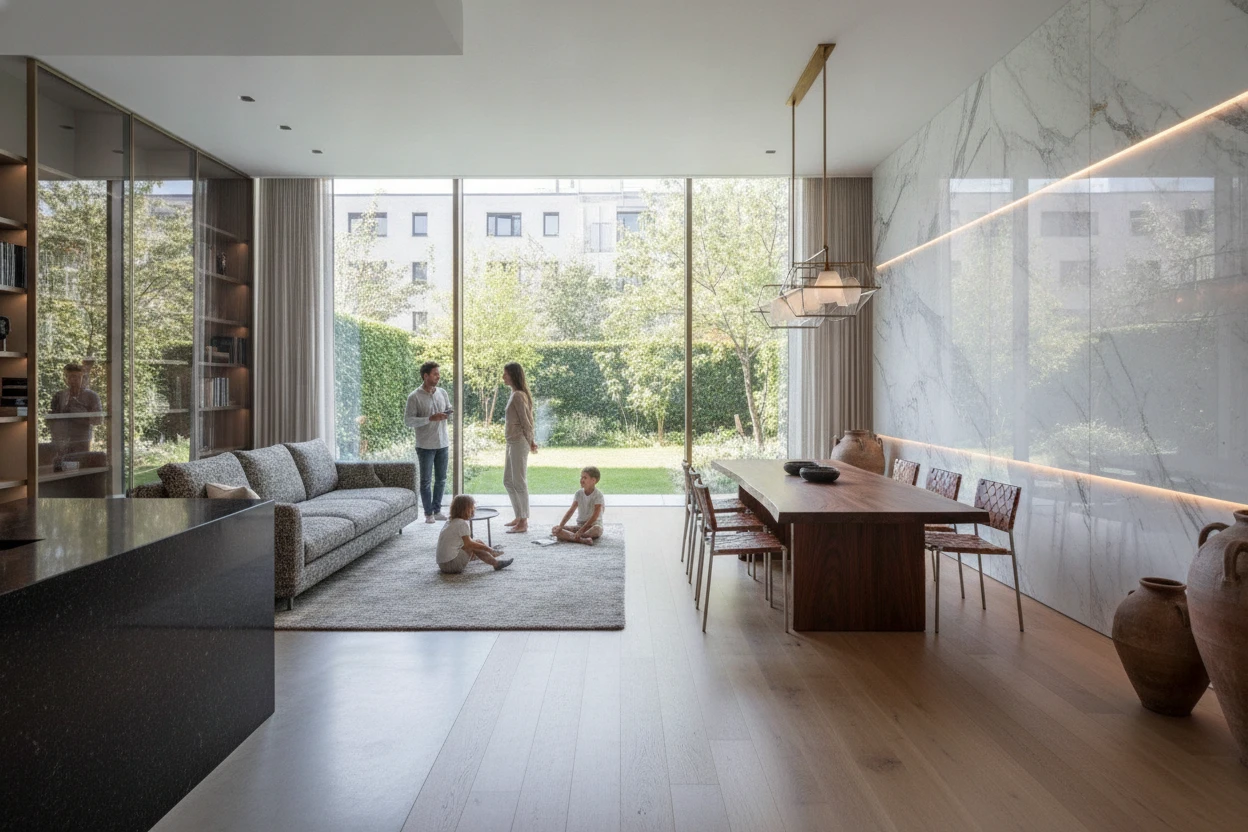
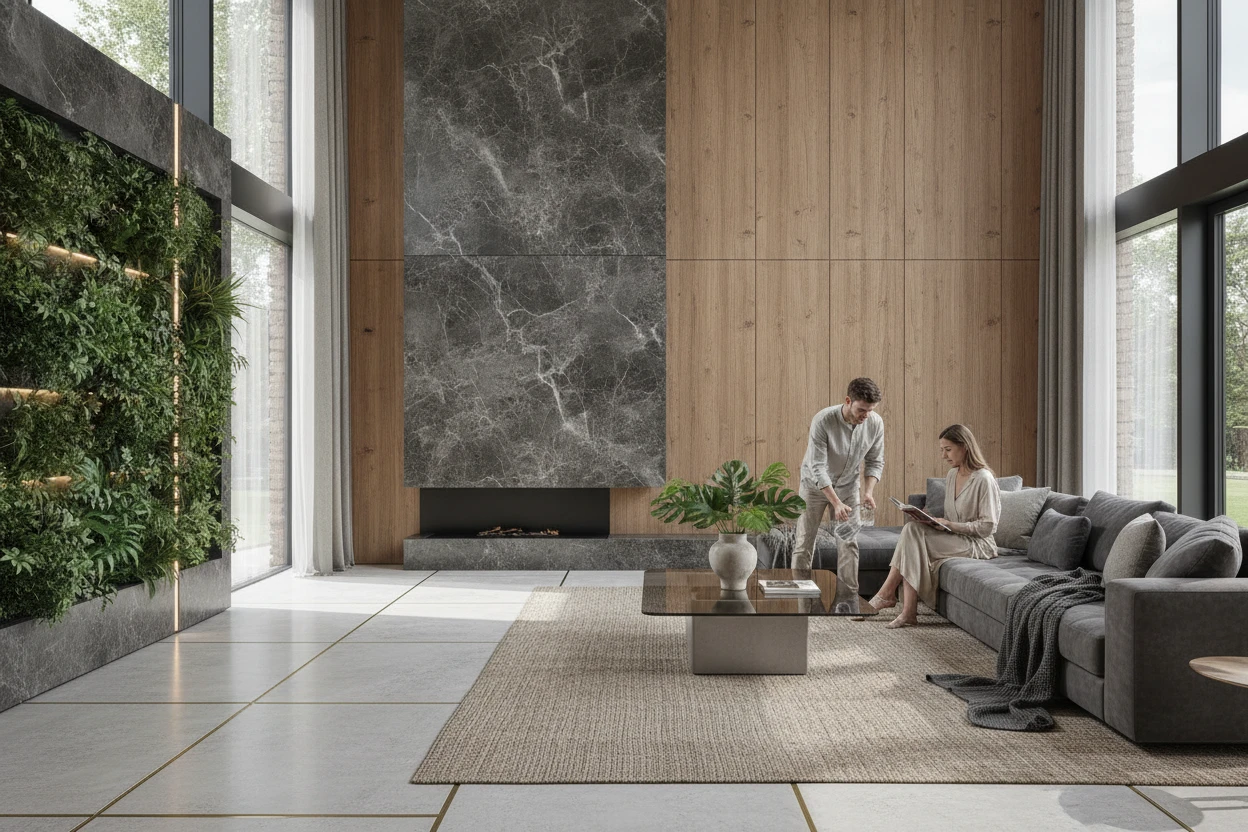
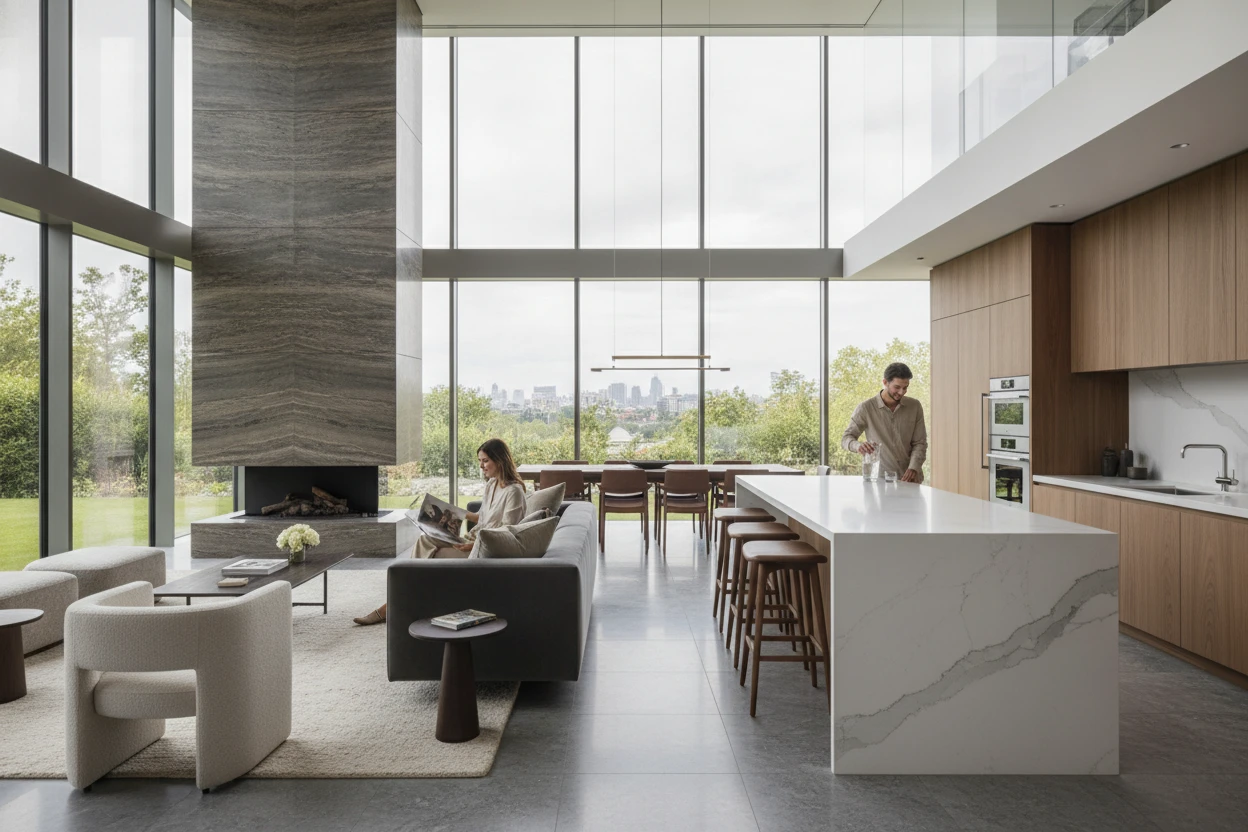
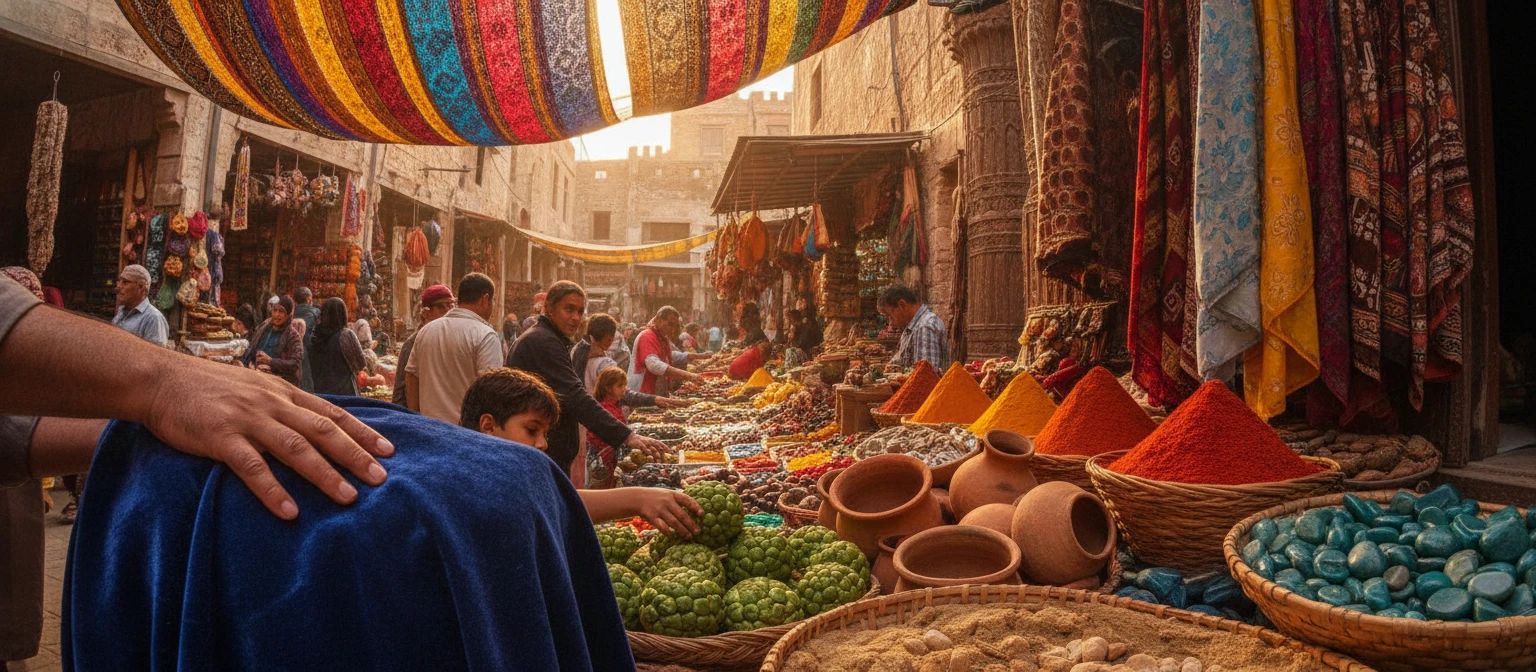
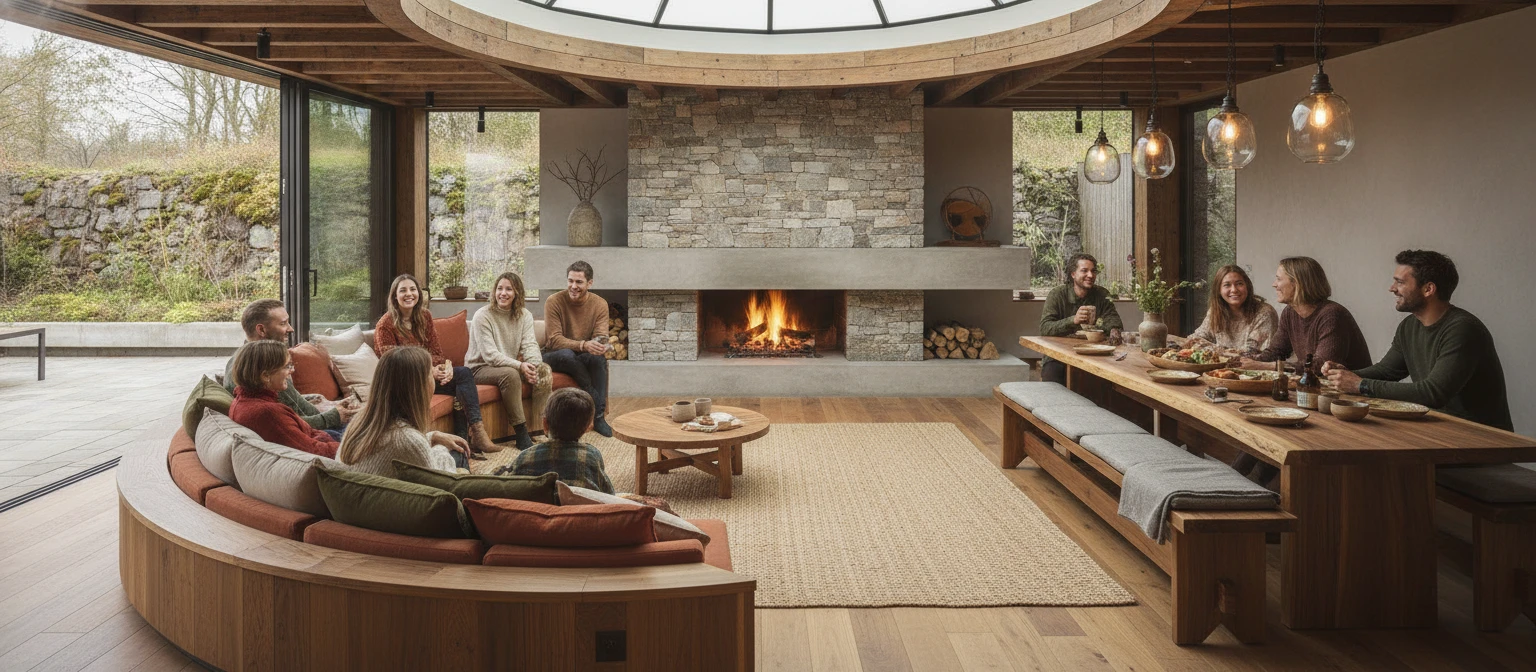
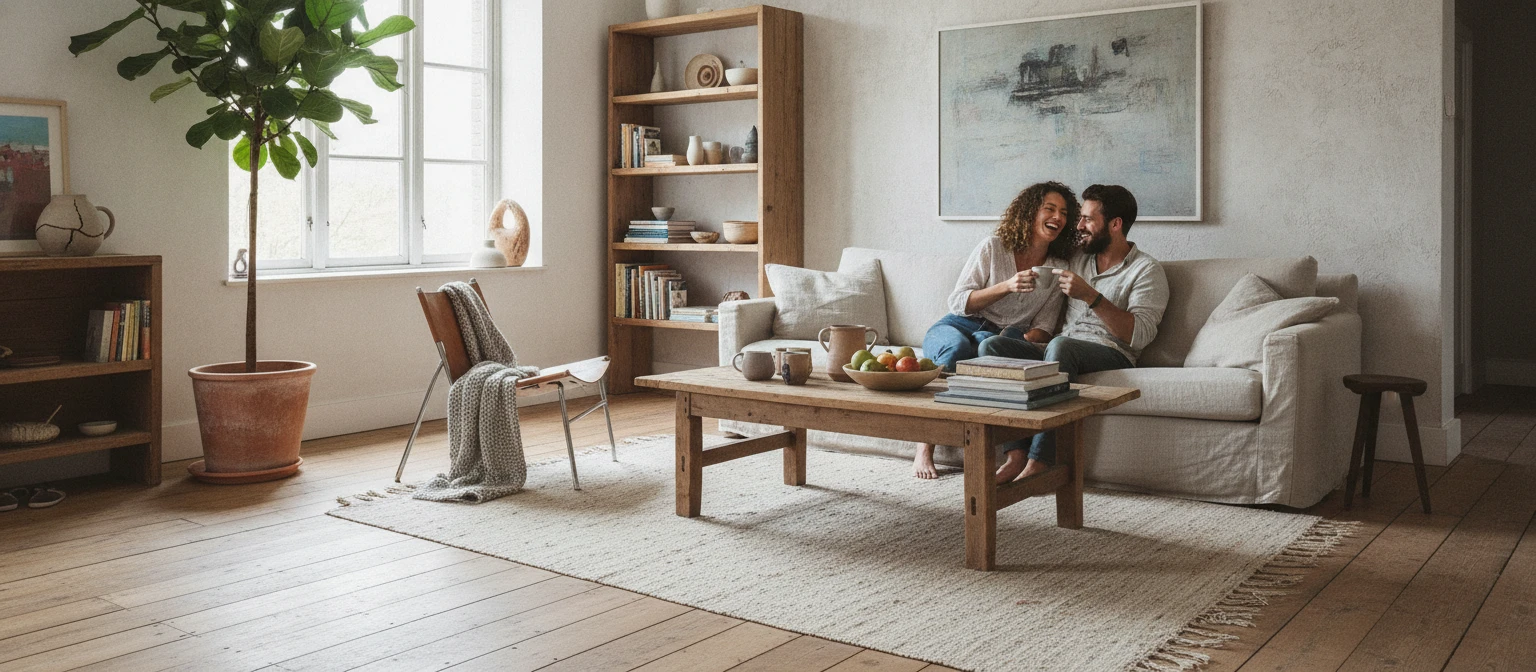
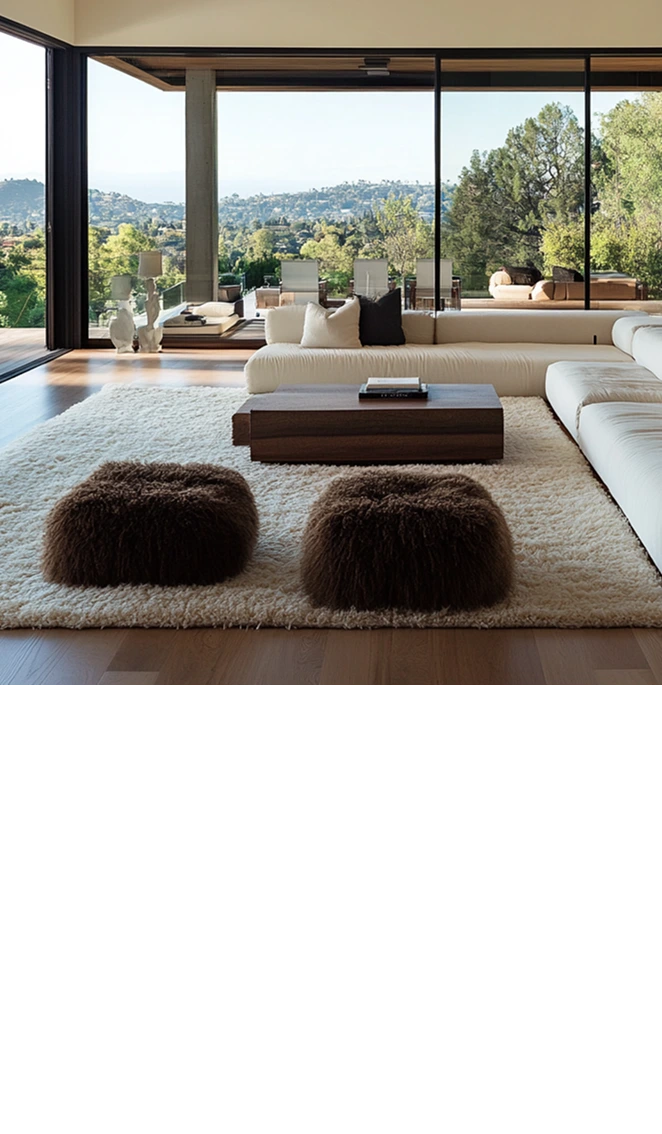
When discussing the most versatile materials for modern luxury interiors, several key players emerge, each offering unique advantages. Natural stone, such as marble and granite, stands out for its durability and timeless beauty. Marble, with its intricate veining and rich history, adds a sense of grandeur to spaces, from grand entryways to opulent bathrooms. On the other hand, metals like brass and bronze are increasingly favored for their warm tones and ability to elevate both modern and traditional designs. These materials not only serve functional purposes but also act as statement pieces that enhance the overall aesthetic. Wood, particularly exotic varieties like teak and walnut, brings warmth and texture to luxury interiors, making it a favored choice for furniture and accents. Coupled with innovative materials like high-performance glass and eco-friendly composites, designers can achieve a seamless balance between luxury and sustainability. Textiles also play a critical role in this equation; luxurious fabrics such as velvet, silk, and high-quality cotton create layers of comfort and elegance. The integration of these materials in various combinations allows for a dynamic interplay of textures and colors, enabling the creation of personalized spaces that reflect individual styles while remaining at the forefront of luxury design trends.
In conclusion, the most versatile materials for modern luxury interiors encapsulate a range of options that not only enhance the beauty of a space but also offer functionality and sustainability. By carefully selecting materials like natural stone, metals, wood, and luxurious textiles, designers can craft environments that are both elegant and livable. This approach not only elevates the aesthetic appeal but also addresses practical considerations such as maintenance and environmental impact. As we move forward, it’s essential to keep these principles in mind when designing luxury interiors. Embracing versatility in material selection not only fosters creativity but also encourages a more sustainable approach to design. Whether you’re renovating a space or embarking on a new project, consider how these materials can work together to create a harmonious and luxurious environment that reflects your personal style while remaining timelessly elegant.
TRENDING NOW
How Texture and Color Work Together to Shape Human Experience