The Art of Mixing Contemporary and Traditional Materials
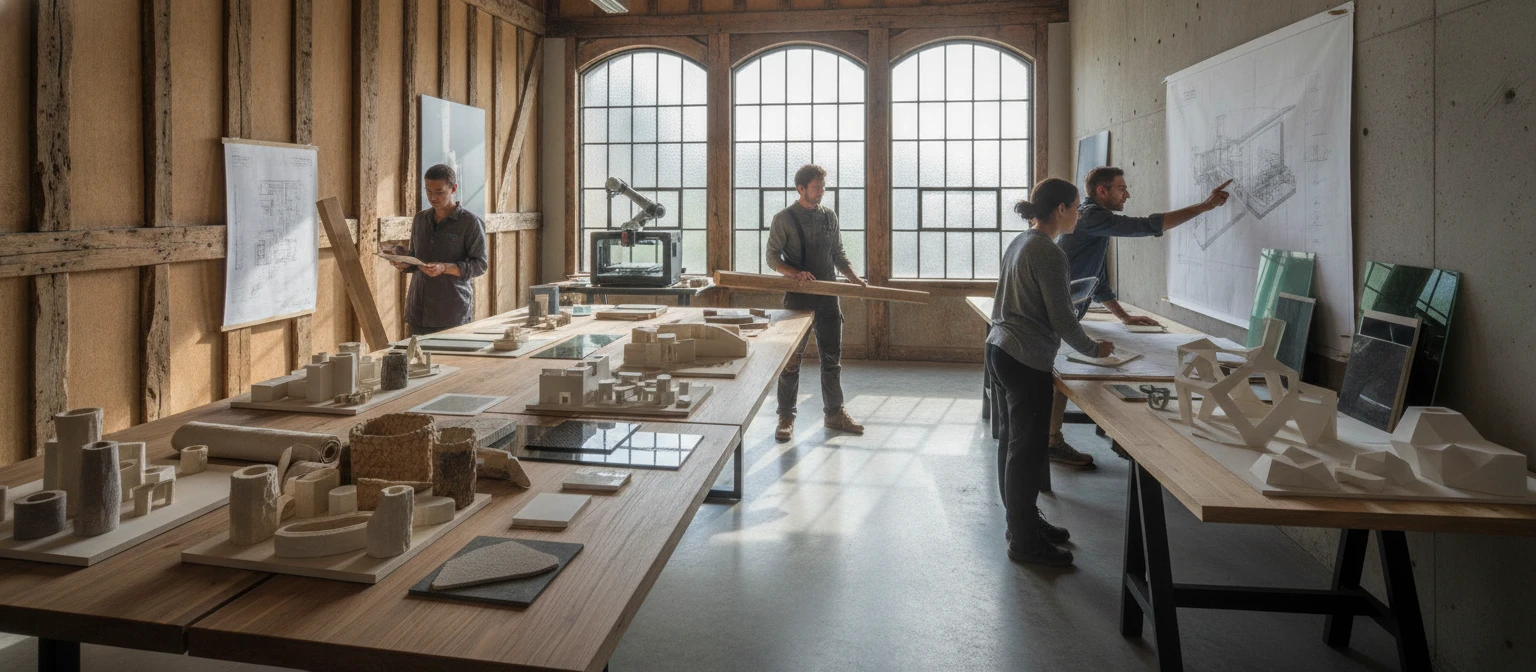
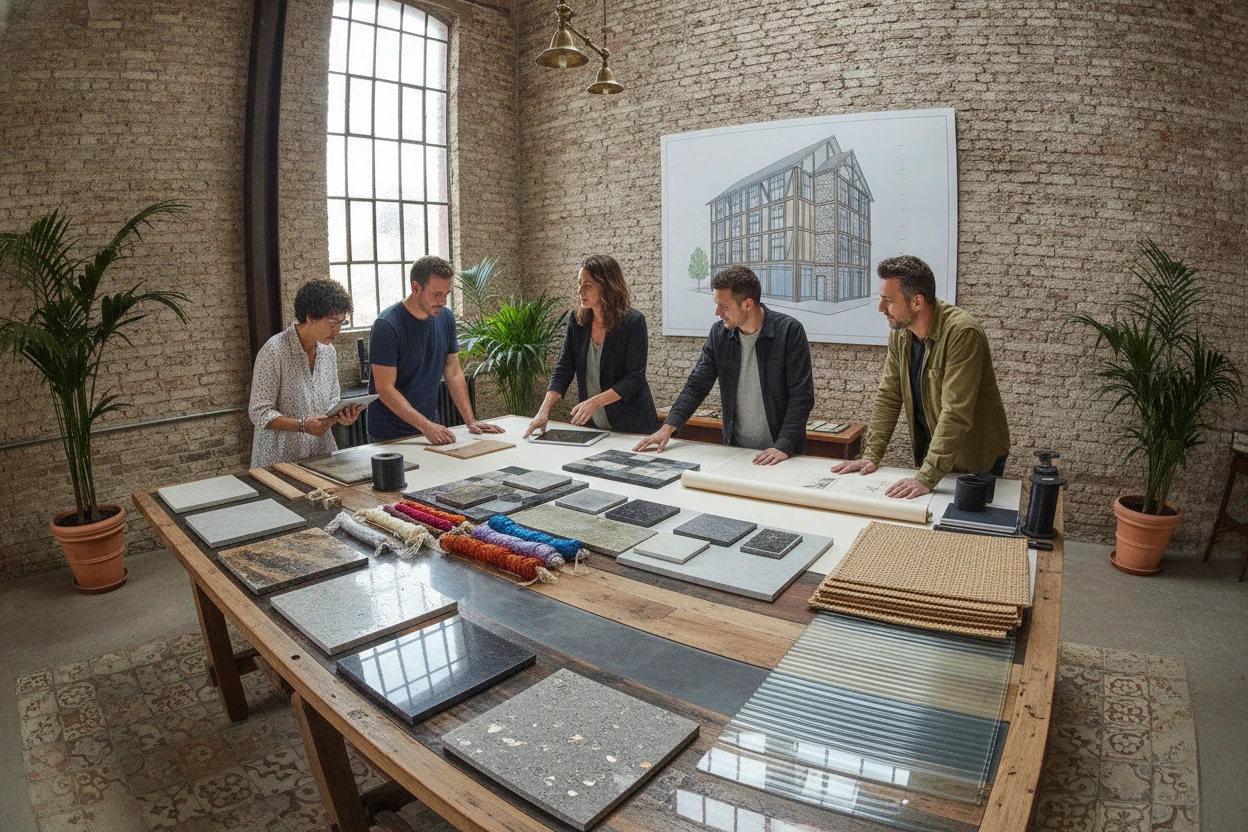
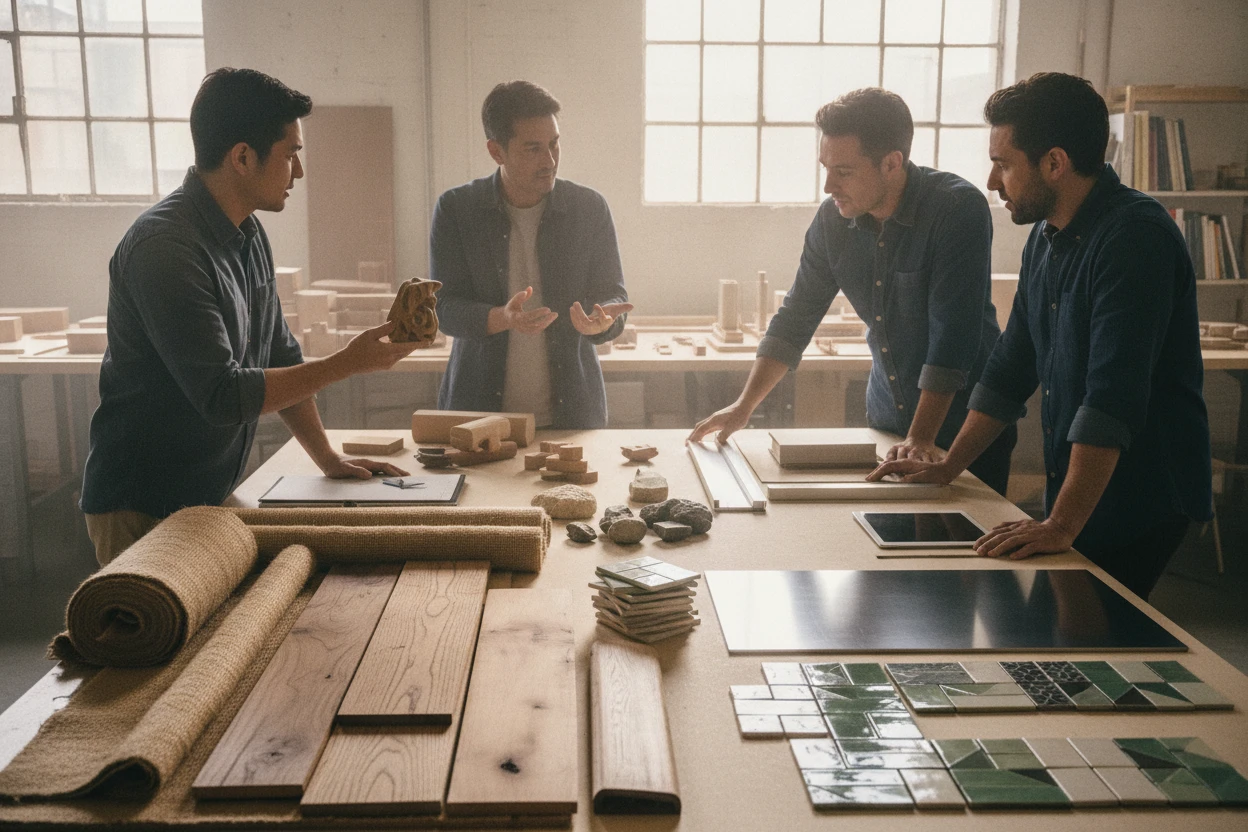
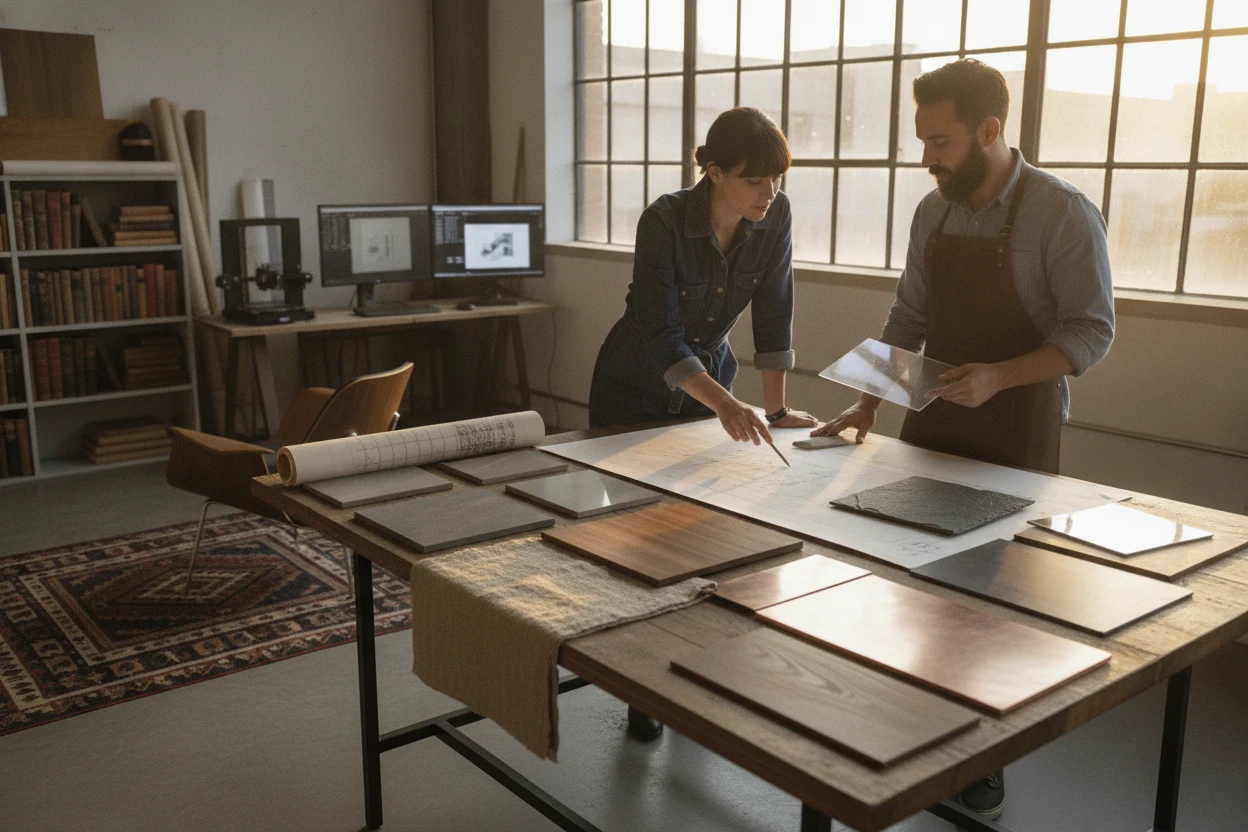
The Art of Mixing Contemporary and Traditional Materials is a fascinating exploration of how designers and architects combine the old with the new to create stunning, unique spaces. This practice not only enhances aesthetic appeal but also tells a story, bridging the gap between eras and cultures. By incorporating traditional materials like wood, stone, and brick with modern elements such as glass, metal, and synthetic finishes, creators can achieve a harmonious balance that resonates with a broader audience. This blending technique reflects a deep appreciation for heritage while embracing innovation and modernity. In today’s fast-paced world, where trends evolve rapidly, the ability to mix different styles and materials becomes increasingly relevant. It allows for personalization and expression, giving spaces a distinct character that can evoke nostalgia and contemporary sophistication simultaneously. As we delve deeper into this art form, we will uncover various strategies, examples, and potential challenges involved in achieving the perfect blend, ensuring that both the contemporary and traditional elements complement each other beautifully.
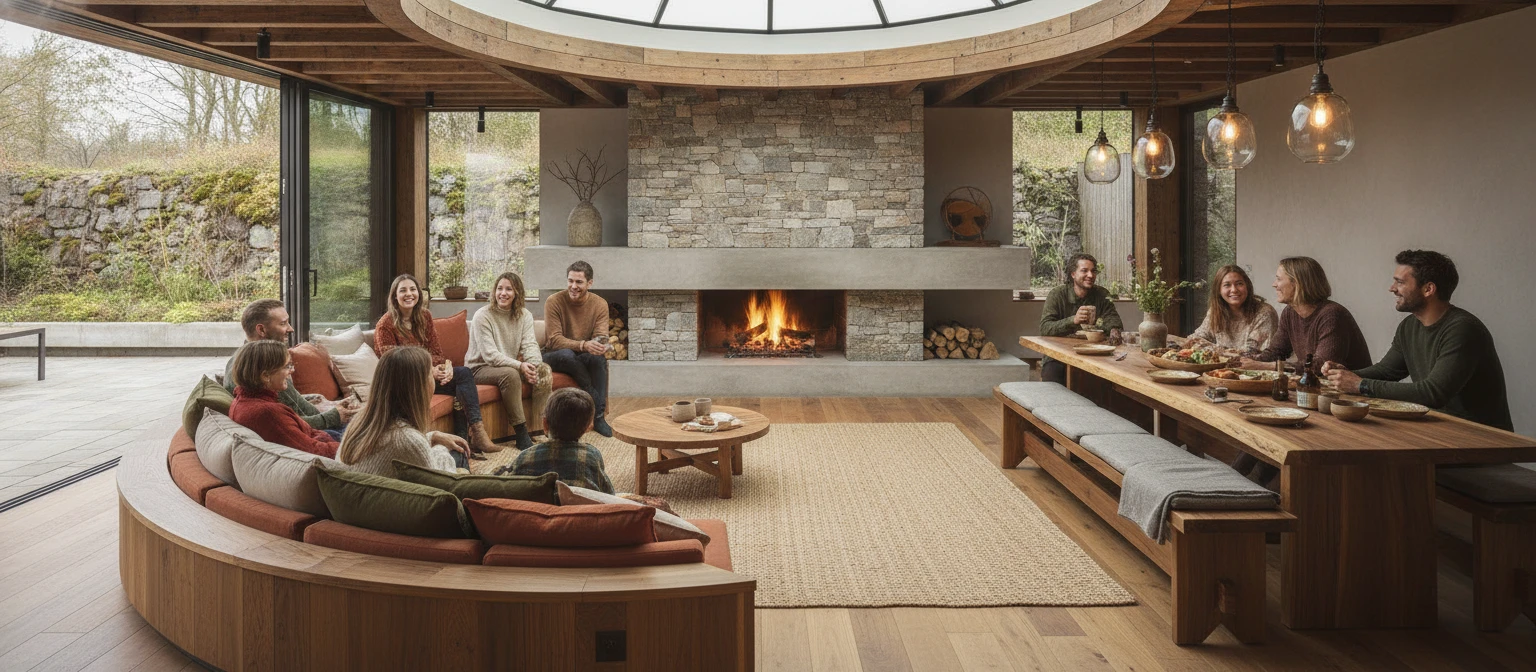
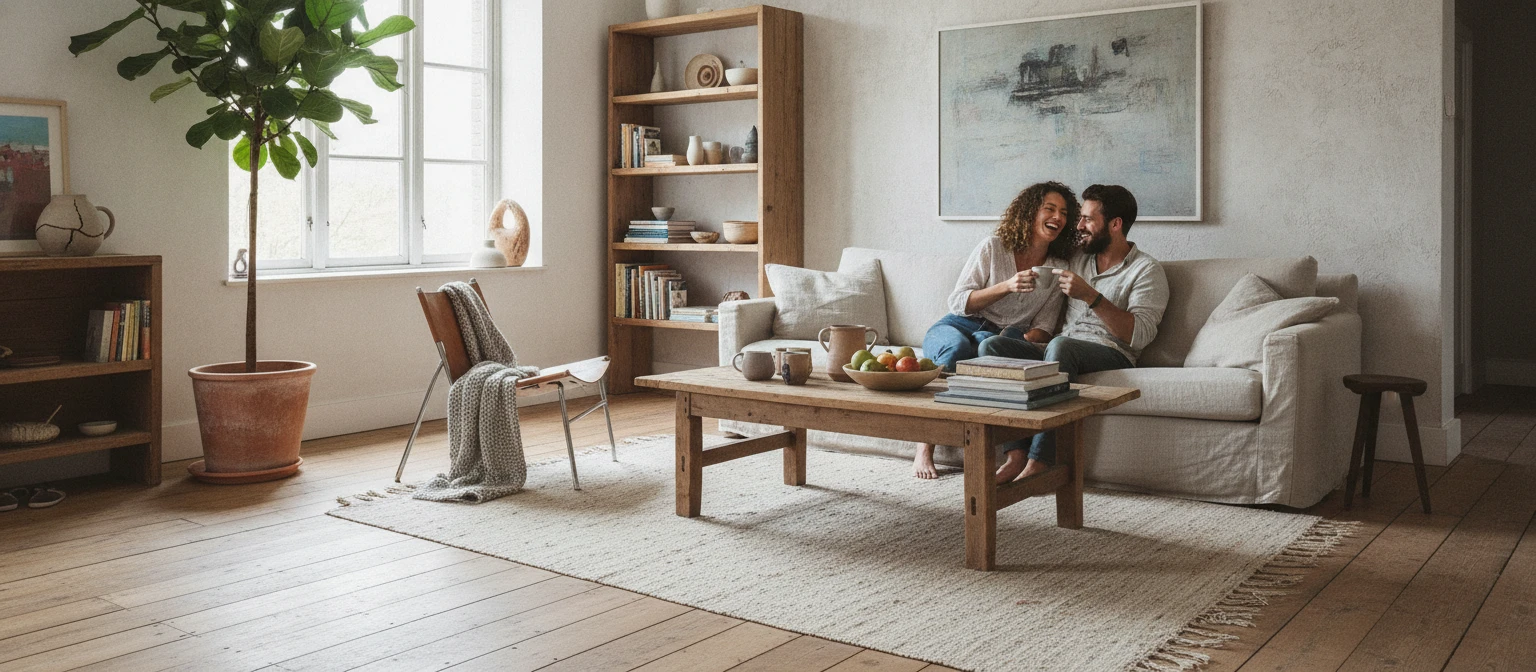
The Art of Mixing Contemporary and Traditional Materials requires a thoughtful approach, as it involves understanding the nuances of both styles and how they can harmoniously coexist. One effective strategy is to choose a dominant style and use elements of the other as accents. For instance, a sleek, modern home can incorporate rustic wooden beams or antique furnishings to create warmth and depth. Conversely, a traditional space can be revitalized with contemporary art pieces or minimalist furniture to inject a fresh perspective. Additionally, color palettes play a crucial role; a neutral base can unify disparate elements, allowing for varied textures and materials to shine without overwhelming the senses. The key is to maintain a cohesive theme while celebrating the distinct characteristics of each material. Practical examples include the use of reclaimed wood in modern interiors, which not only adds character but also promotes sustainability. Moreover, designers often face challenges such as ensuring compatibility between materials in terms of durability and maintenance. By addressing these concerns through careful selection and expert craftsmanship, the art of mixing materials becomes a rewarding endeavor that enhances the overall aesthetic and functional value of a space.
In conclusion, The Art of Mixing Contemporary and Traditional Materials is not merely a design choice; it is a philosophy that reflects our evolving relationship with architecture and interior design. By blending materials from different times, we create spaces that are not only visually appealing but also rich in history and meaning. As you explore this art form, consider the stories each material tells and how they can work together to create a narrative in your own spaces. Whether you’re renovating a home or designing a new one, think about integrating both contemporary and traditional elements. This approach not only enriches your environment but also allows you to express your individuality. As trends continue to evolve, the timeless practice of mixing materials will remain relevant, inviting future generations to appreciate the beauty of diversity in design. Embrace this art, and let it inspire your next creative project.
TRENDING NOW
How Texture and Color Work Together to Shape Human Experience