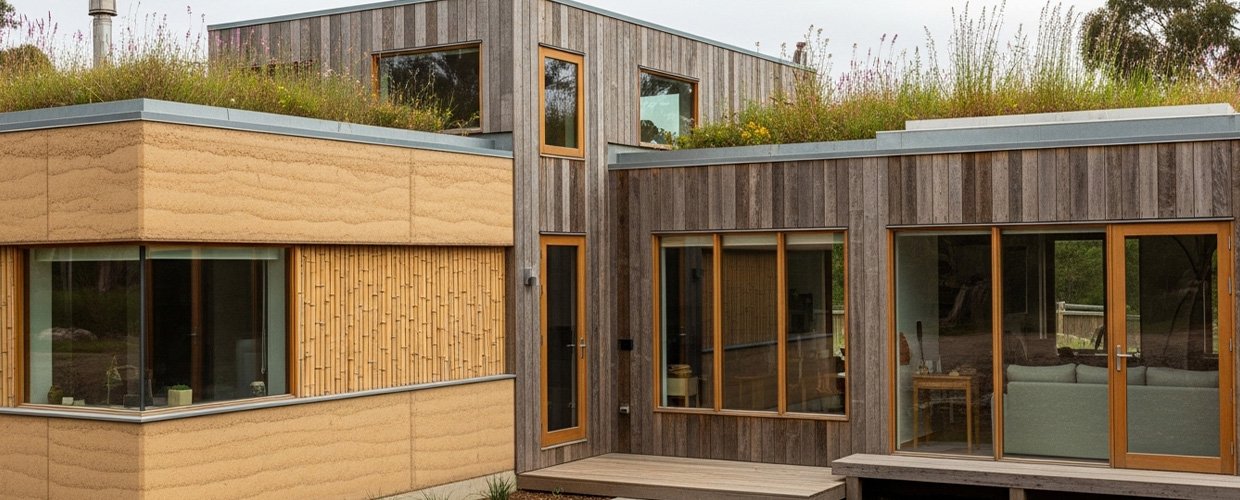
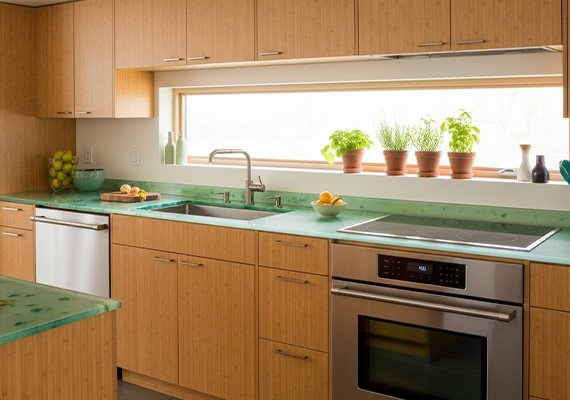
The selection of sustainable architecture materials is a cornerstone of eco-friendly building and renovating. Among the myriad options available, recycled steel stands out as a prime choice for structural applications. Steel is one of the most recycled materials globally, and using recycled steel in construction significantly reduces the demand for new steel production, thereby conserving natural resources and reducing greenhouse gas emissions. Another exemplary material is bamboo, which is gaining popularity due to its rapid growth rate and exceptional strength. Bamboo can be harvested in three to five years, compared to the decades it takes for traditional hardwoods to mature, making it a highly renewable resource. Furthermore, its versatility allows it to be used for flooring, cabinetry, and more, providing a warm, natural aesthetic that complements modern design sensibilities. Beyond these, reclaimed wood offers a rustic charm while contributing to sustainability by repurposing existing materials. This not only preserves forests but also adds unique character to any project. Additionally, the use of low-VOC paints and finishes is crucial in maintaining indoor air quality, as they emit fewer volatile organic compounds, thus promoting healthier living environments. These materials, when integrated thoughtfully, not only reduce environmental impact but also enhance the overall design narrative of a space. By choosing sustainable materials, we are not merely making a statement about our environmental values; we are actively participating in the creation of a more sustainable future.