Interior Design Trends That Prioritize Texture Over Decoration
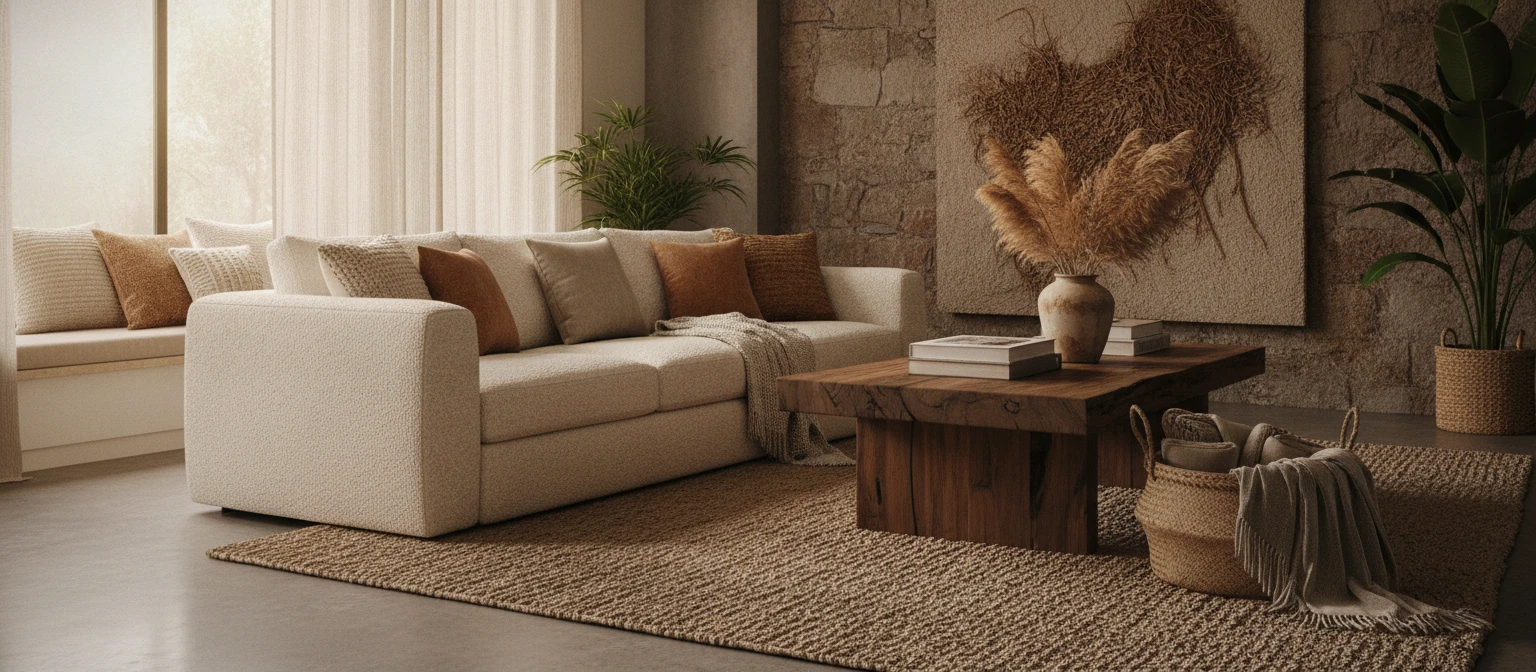
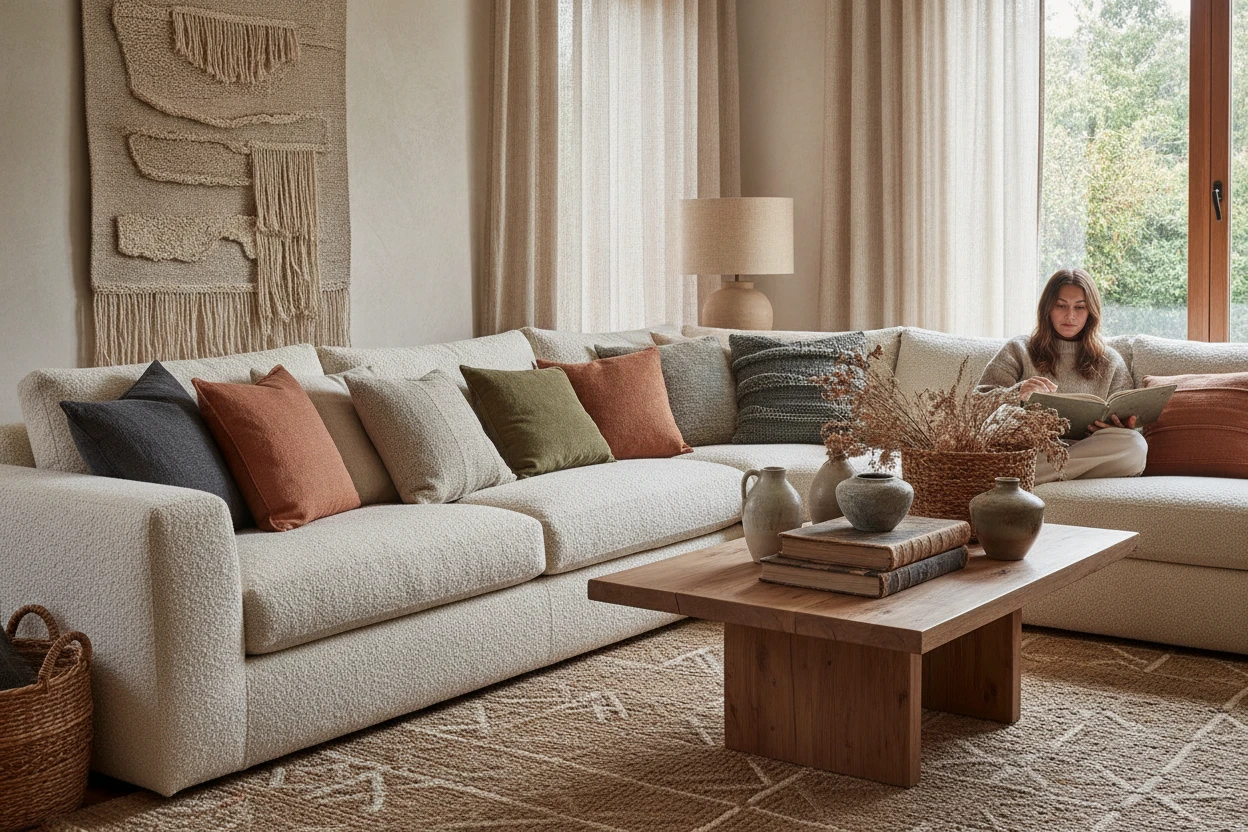
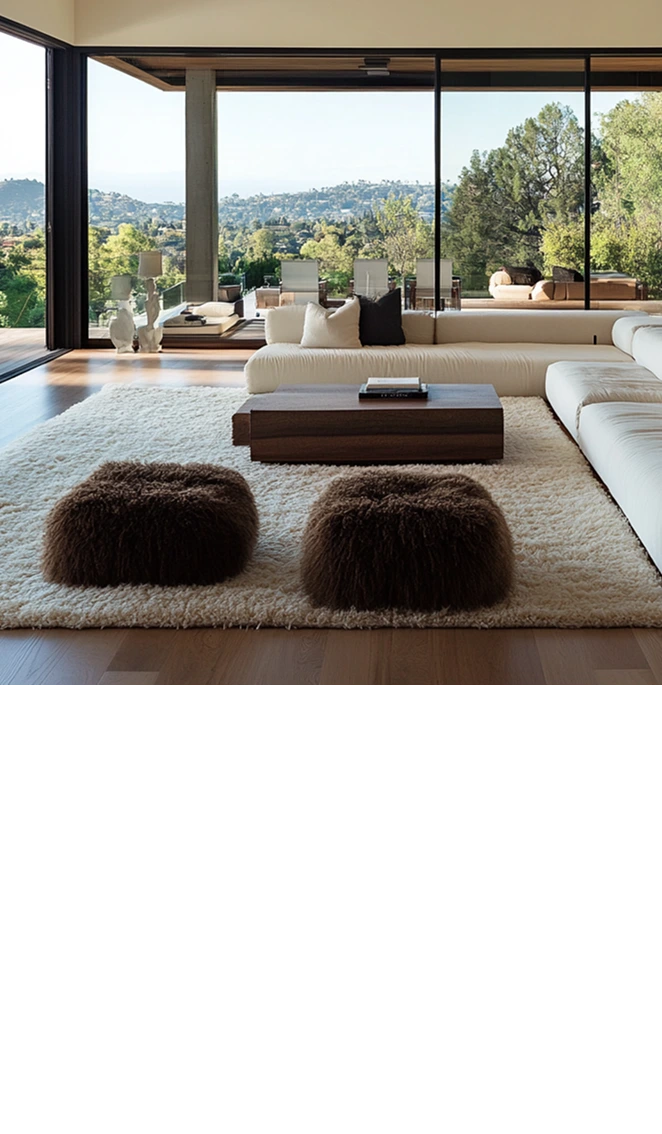
In recent years, interior design has evolved significantly, with a noticeable shift towards prioritizing texture over mere decoration. This trend reflects a deeper understanding of how tactile elements can influence our emotional responses to spaces. Rather than focusing solely on visual aesthetics, designers are now embracing materials that invite touch, creating environments that feel as good as they look. Texture adds depth and richness to interiors, allowing for a multi-sensory experience that engages not just the eyes but also the sense of touch. As we spend more time in our homes, the demand for spaces that foster comfort and well-being has skyrocketed. This is where texture comes into play, as it can transform an ordinary room into a sanctuary. From the plush feel of velvet sofas to the rough surfaces of reclaimed wood, every texture tells a story. Furthermore, incorporating varied textures into design helps to create contrast and visual interest, making spaces more dynamic. By focusing on texture, designers can craft environments that are not only beautiful but also functional and inviting, catering to the needs of modern living.
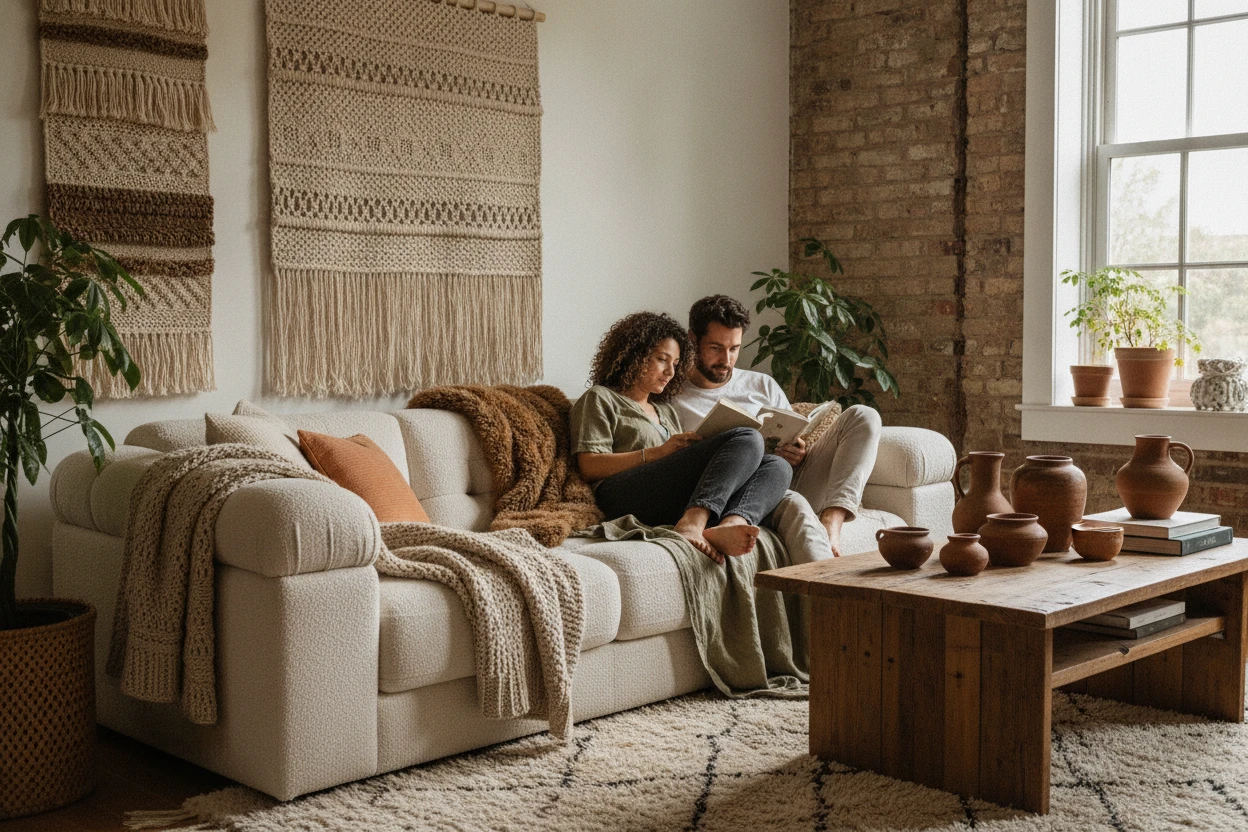
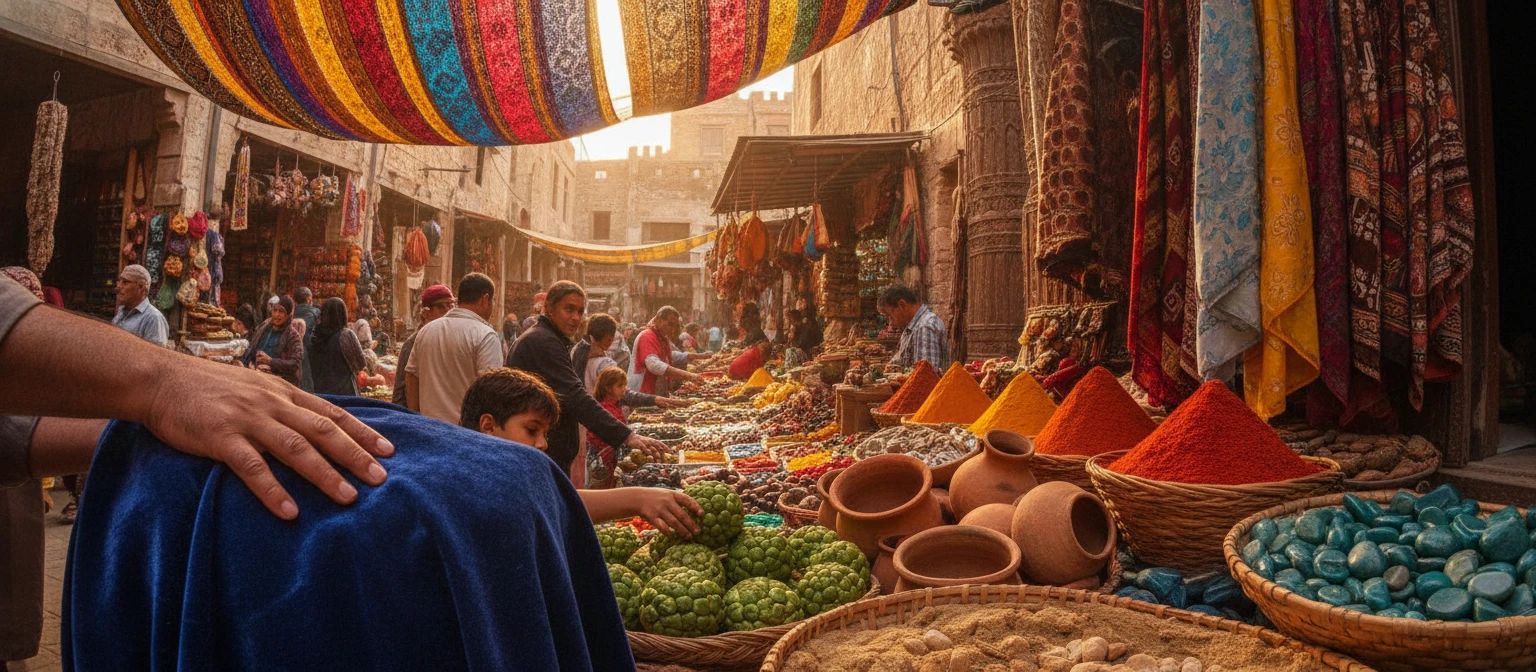
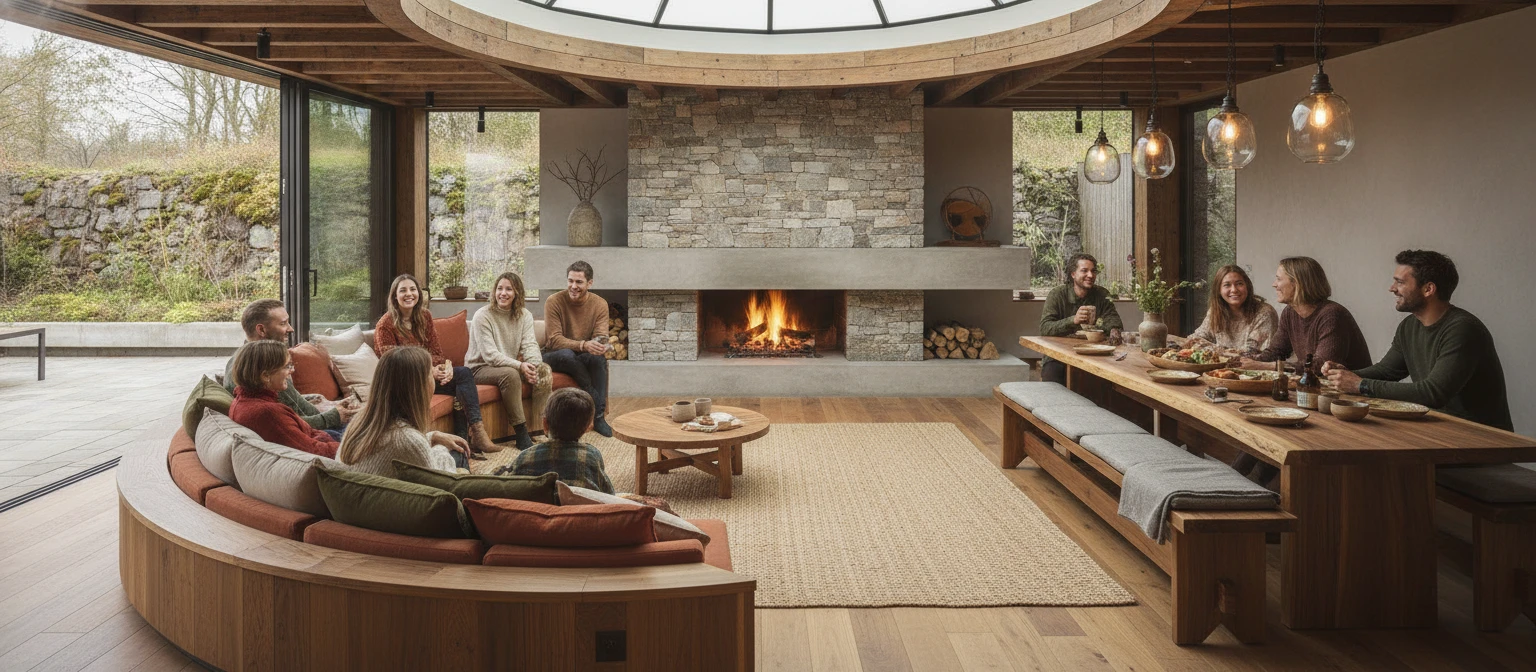
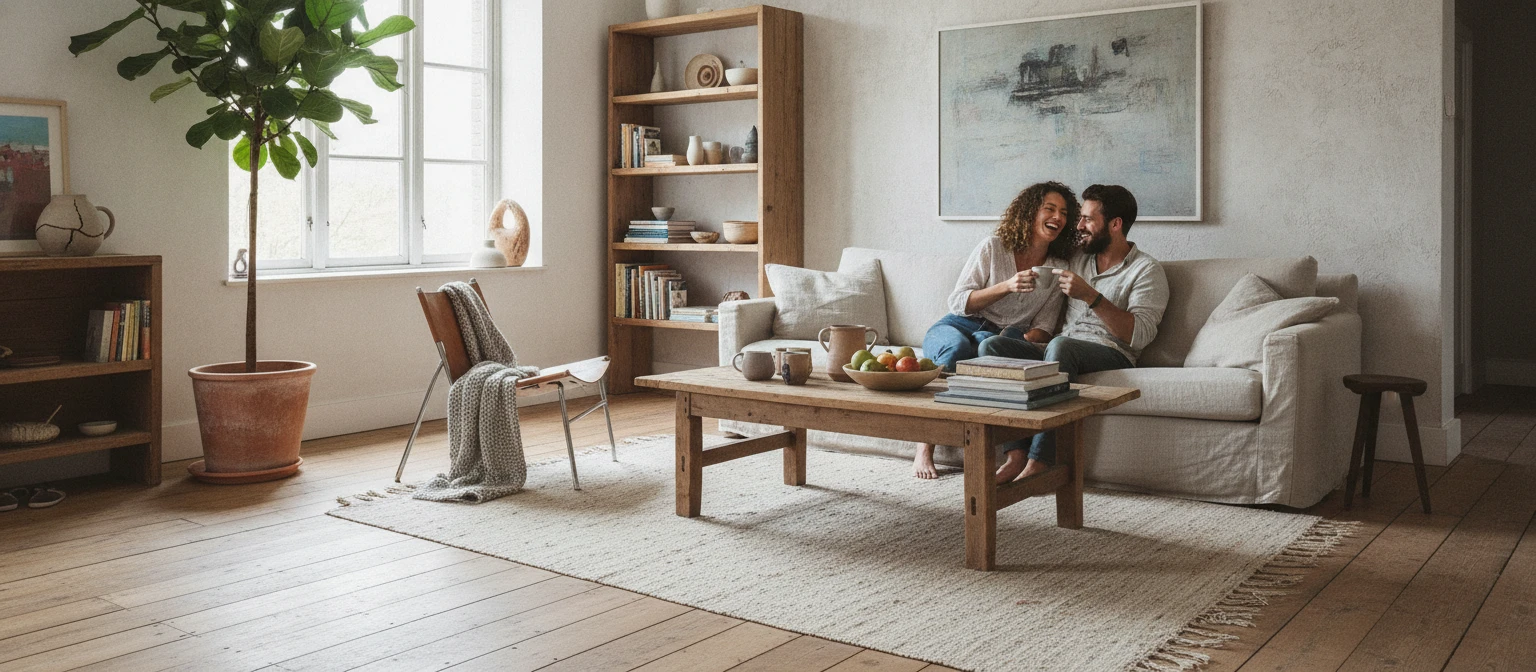
One of the most compelling aspects of interior design trends that prioritize texture over decoration is the wide array of materials available to designers today. Natural materials such as stone, wood, and textiles are making a strong comeback, offering both sustainability and aesthetic appeal. For instance, limestone walls can provide a tactile experience while also serving as a striking feature in any room. Similarly, the use of woven fabrics for upholstery not only adds comfort but also visual intrigue. Layering different textures, such as combining smooth leather with chunky knits, can enhance the overall design and create a cohesive look that draws the eye. Furthermore, trends like biophilic design, which connects indoor spaces with nature, often incorporate natural textures like bark, moss, and plants, enhancing the sensory experience of a space. Additionally, the rise of 3D wall panels and textured wallpapers offers endless possibilities for creativity. These elements not only break the monotony of flat surfaces but also invite interaction and engagement from occupants. By focusing on texture, interior designers are redefining spaces, making them more inviting and personalized, which resonates with the growing desire for authenticity and comfort in home environments.
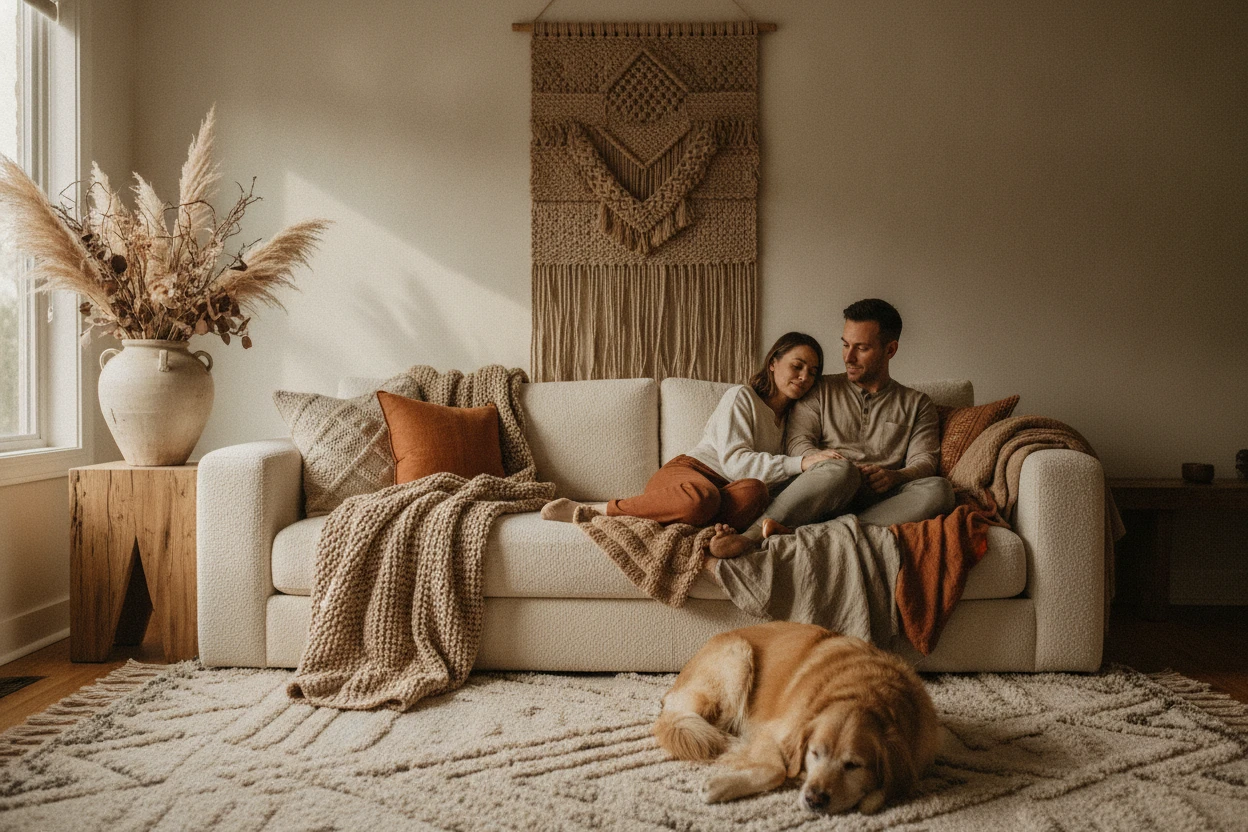
In conclusion, the current interior design trends that prioritize texture over decoration are reshaping how we think about and interact with our living spaces. By embracing a variety of materials and textures, designers are creating environments that are not just visually appealing but also rich in sensory experiences. This approach fosters a sense of comfort and well-being, which is increasingly important in today’s fast-paced world. As homeowners seek to create retreats within their homes, the emphasis on texture presents an opportunity to express individuality and creativity in design. Moving forward, it’s essential for both designers and homeowners to consider how different textures can be combined to enhance spaces, ensuring they are not only functional but also inviting. As you explore these trends, think about how you can incorporate various textures into your own home, from the soft touch of textiles to the ruggedness of natural materials, ultimately creating a space that is uniquely yours.
TRENDING NOW
How Texture and Color Work Together to Shape Human Experience