November 18, 2025

How to Light Your Home Like a Pro: Architect-Backed Tips and Tricks

Lighting is the silent hero of interior design, often overlooked yet profoundly influential in shaping the ambiance and functionality of a space. In the world of architecture and interior design, lighting is not just about illuminating a room; it’s about crafting a mood, enhancing architectural features, and creating a cohesive aesthetic. For the design-conscious homeowner, understanding how to light your home like a pro involves more than choosing stylish fixtures. It requires a strategic approach that considers the interplay of light, shadow, and space. This guide delves into architect-backed tips and tricks to transform your home into a well-lit sanctuary. Whether you’re in Miami or beyond, lighting can elevate your space, making it feel both timeless and deeply personal. This article will explore the nuances of lighting design, offering insights that blend functionality with beauty. From layering light to selecting the right bulbs, these strategies are designed to help you achieve a professional look that resonates with your unique style. By understanding the principles of lighting design, you can create environments that not only look stunning but also enhance your daily living experience. So, let’s embark on this illuminating journey, where each room in your home can become a masterpiece of light and design.
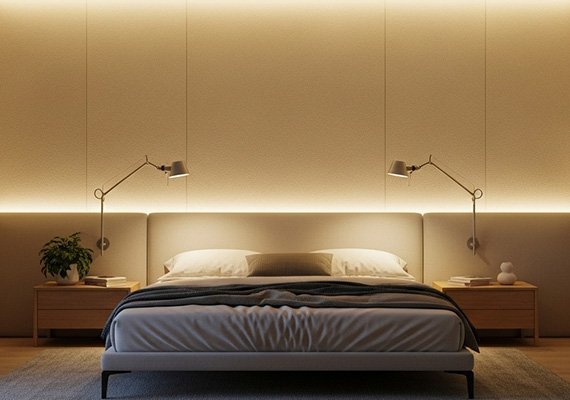
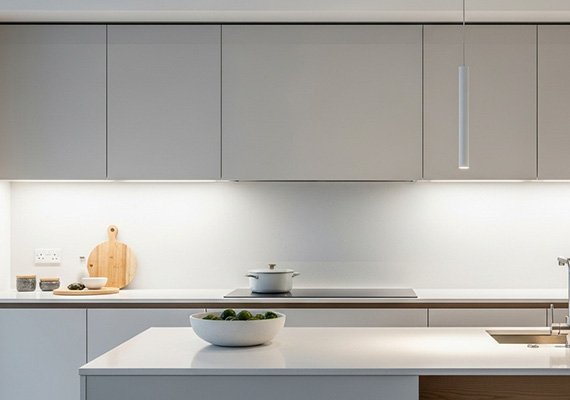
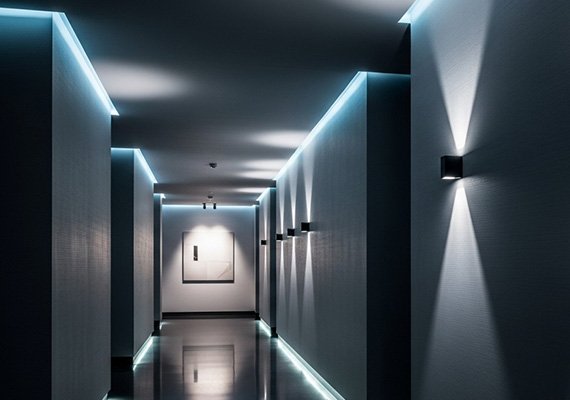
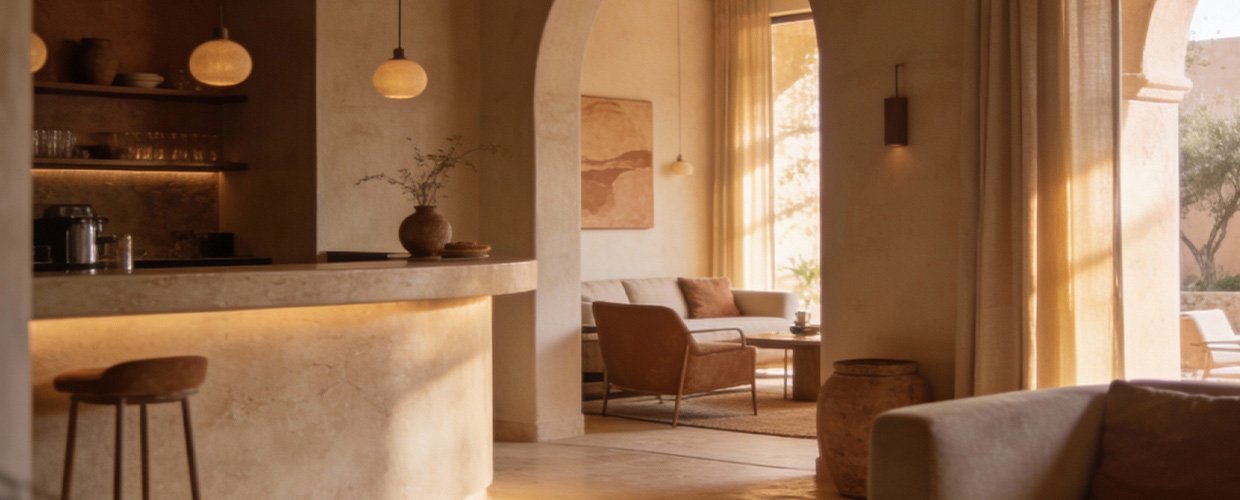
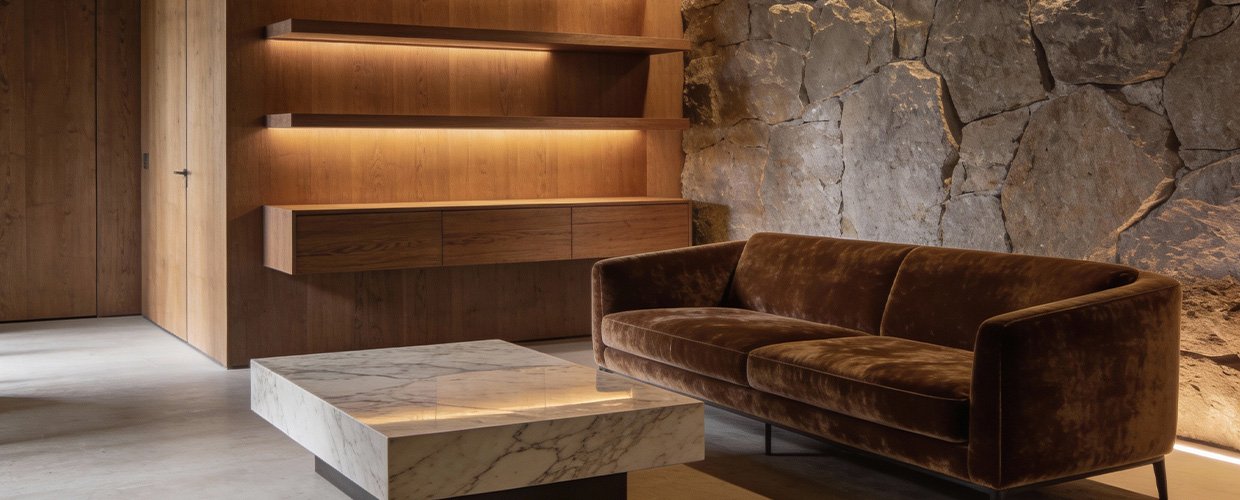
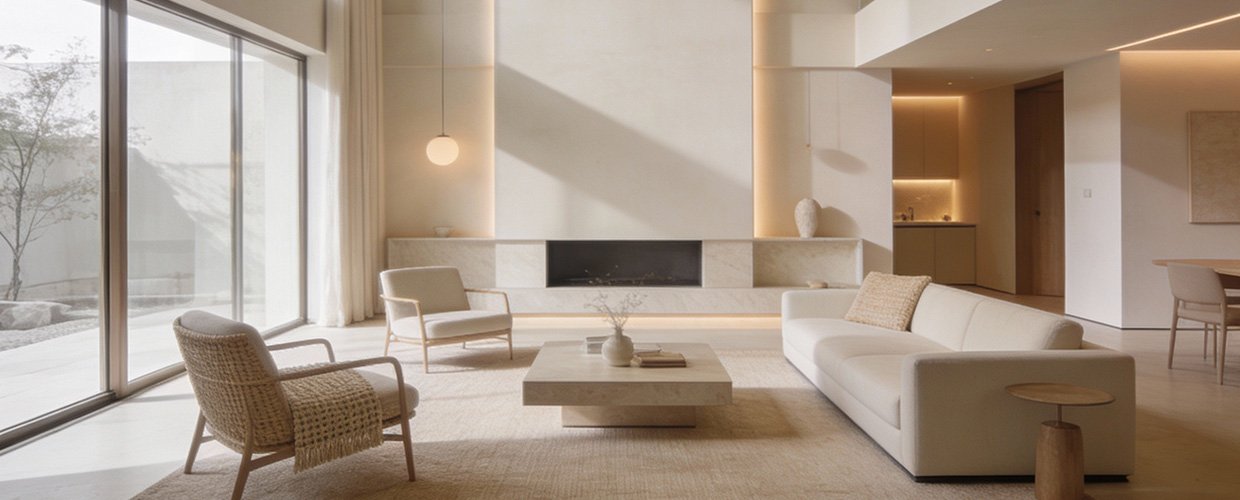
To light your home like a pro, one must first embrace the concept of layering light. This technique involves the use of multiple light sources to create a dynamic and versatile lighting scheme. Begin with ambient lighting, the foundational layer that provides overall illumination. This can be achieved through ceiling-mounted fixtures, chandeliers, or recessed lighting. The goal is to ensure the space is evenly lit, providing a comfortable level of brightness without harsh glares. Next, introduce task lighting, which is essential for specific activities such as reading, cooking, or working. Task lighting should be focused and direct, using desk lamps, under-cabinet lights, or pendant lights to illuminate functional areas. Finally, accent lighting adds depth and dimension, highlighting architectural features, artwork, or unique design elements. This can be achieved with track lighting, wall sconces, or LED strips. By combining these three layers, you create a balanced and harmonious environment that adapts to different needs and moods. Moreover, consider the color temperature of your bulbs, as it influences the room’s atmosphere. Warm light creates a cozy, inviting feel, while cool light is more energizing and suitable for workspaces. Remember, lighting is not just about visibility; it’s about creating an experience that enhances the beauty and functionality of your home.
In conclusion, mastering the art of home lighting requires a thoughtful approach that balances aesthetics with functionality. By employing the technique of layering light, you can transform your home into a versatile and inviting space. Remember to start with ambient lighting to establish a base, then add task lighting for functionality, and finish with accent lighting to highlight features and create depth. Consider the color temperature of your bulbs to set the desired mood, whether it’s warm and cozy or bright and invigorating. These architect-backed tips and tricks provide a framework for lighting your home like a pro, ensuring each room is not only illuminated but also enhanced in its design. As you implement these strategies, you’ll discover the transformative power of lighting in crafting environments that are both beautiful and functional. For those seeking a bespoke approach to lighting design, consider reaching out to AB Concepts. Our expertise in architecture and interior design can help you create a space that feels timeless and deeply personal. Start a conversation with us today to explore how we can illuminate your home in ways you’ve never imagined.

TRENDING NOW

AB Concepts
AB Concepts
AB Concepts
Banner blogs
banner blogs mobile