How to Incorporate Statement Materials Without Losing Balance
Incorporating statement materials into your design projects can elevate the aesthetic and functional appeal of any space. However, achieving the perfect balance is essential to avoid overwhelming the viewer or creating a chaotic environment. Statement materials, which can include bold colors, unique textures, or striking patterns, serve as focal points that draw attention and provide character. When used effectively, these materials can enhance the overall design narrative, making spaces feel more cohesive and well thought out. The challenge lies in integrating these materials without compromising the harmony of the design. This involves understanding the principles of design, such as scale, proportion, and color theory. By carefully selecting complementary elements and ensuring that the statement materials are harmoniously integrated into the overall scheme, designers can create spaces that are both visually appealing and balanced. This article will provide insights on how to achieve this balance while using statement materials creatively and effectively, ensuring your designs stand out while retaining an inviting atmosphere.
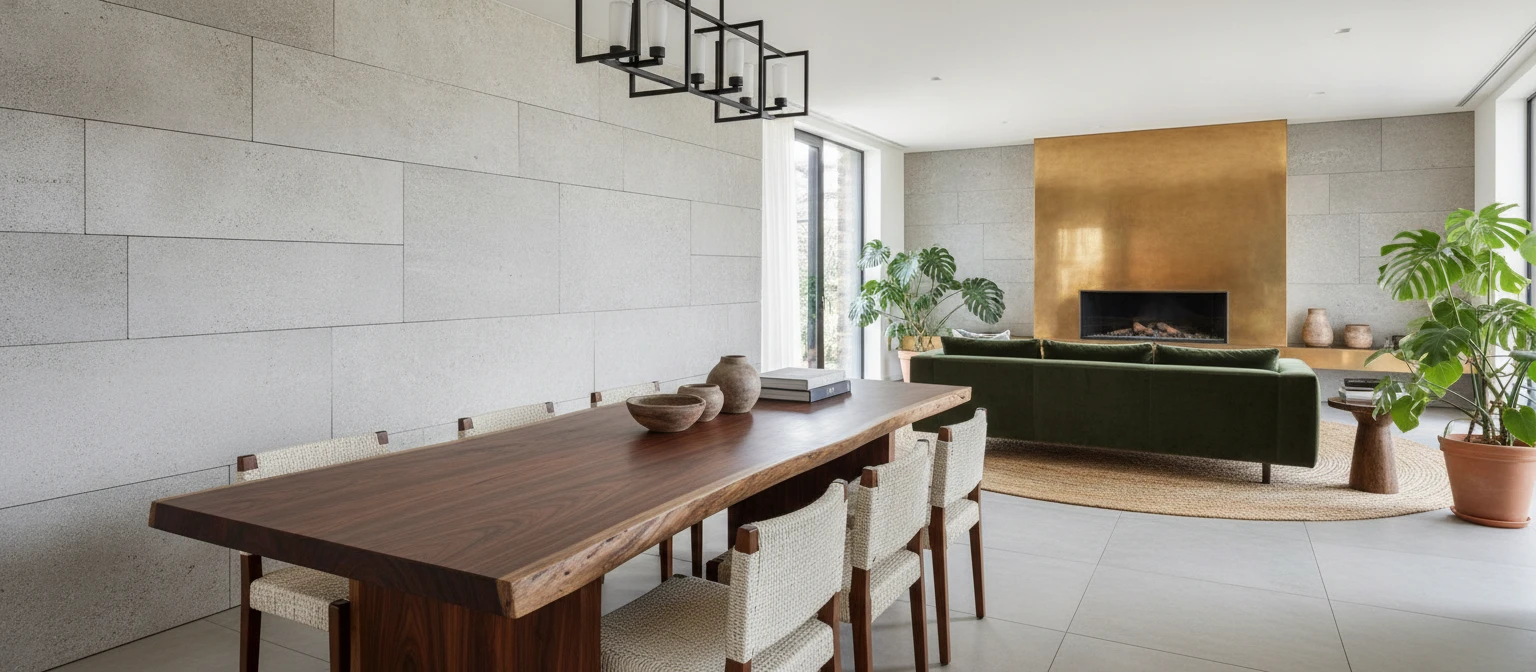
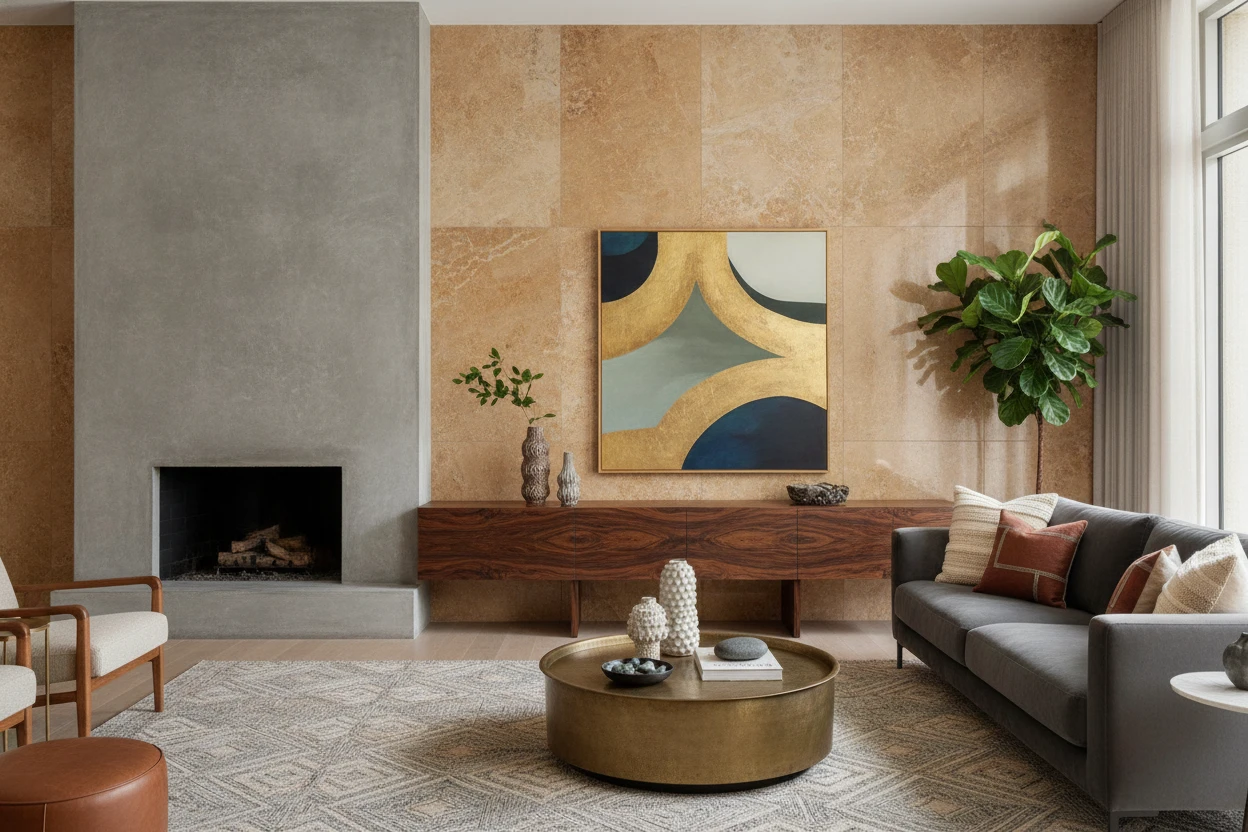
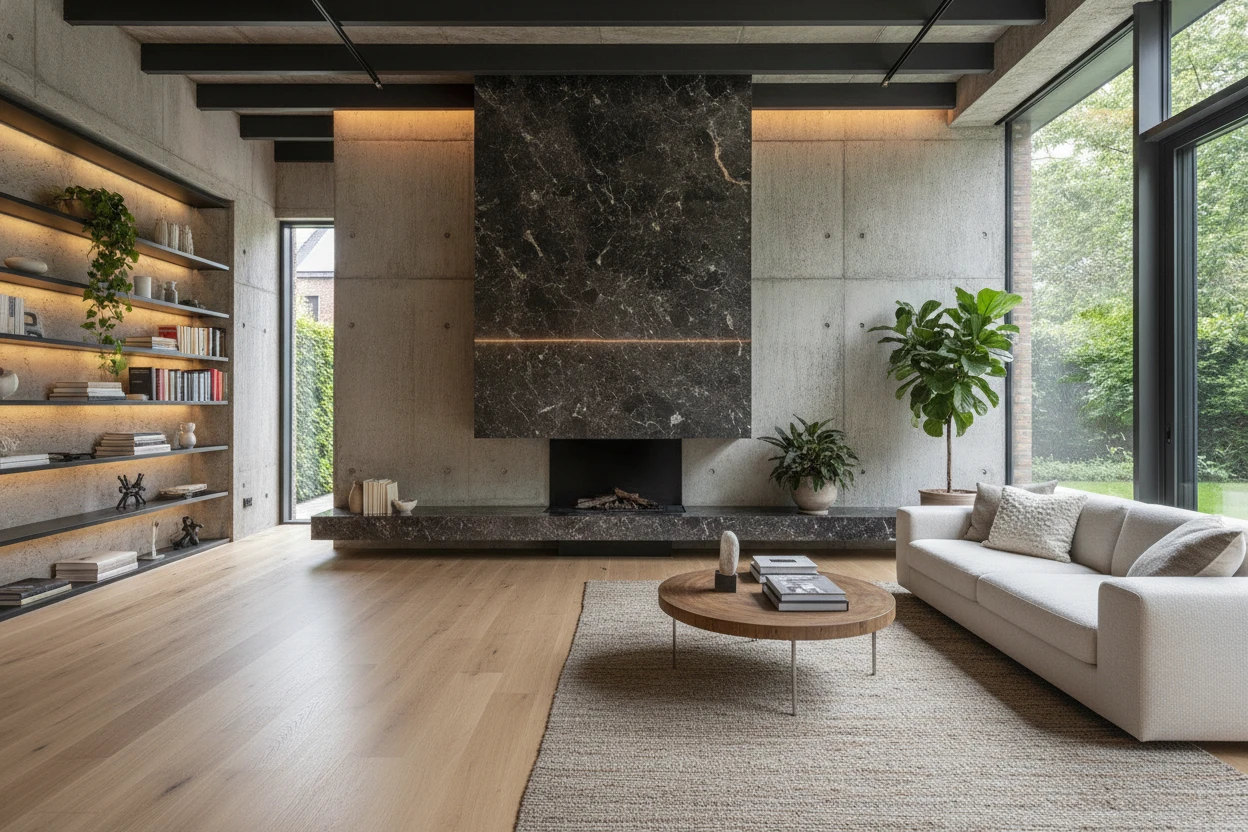
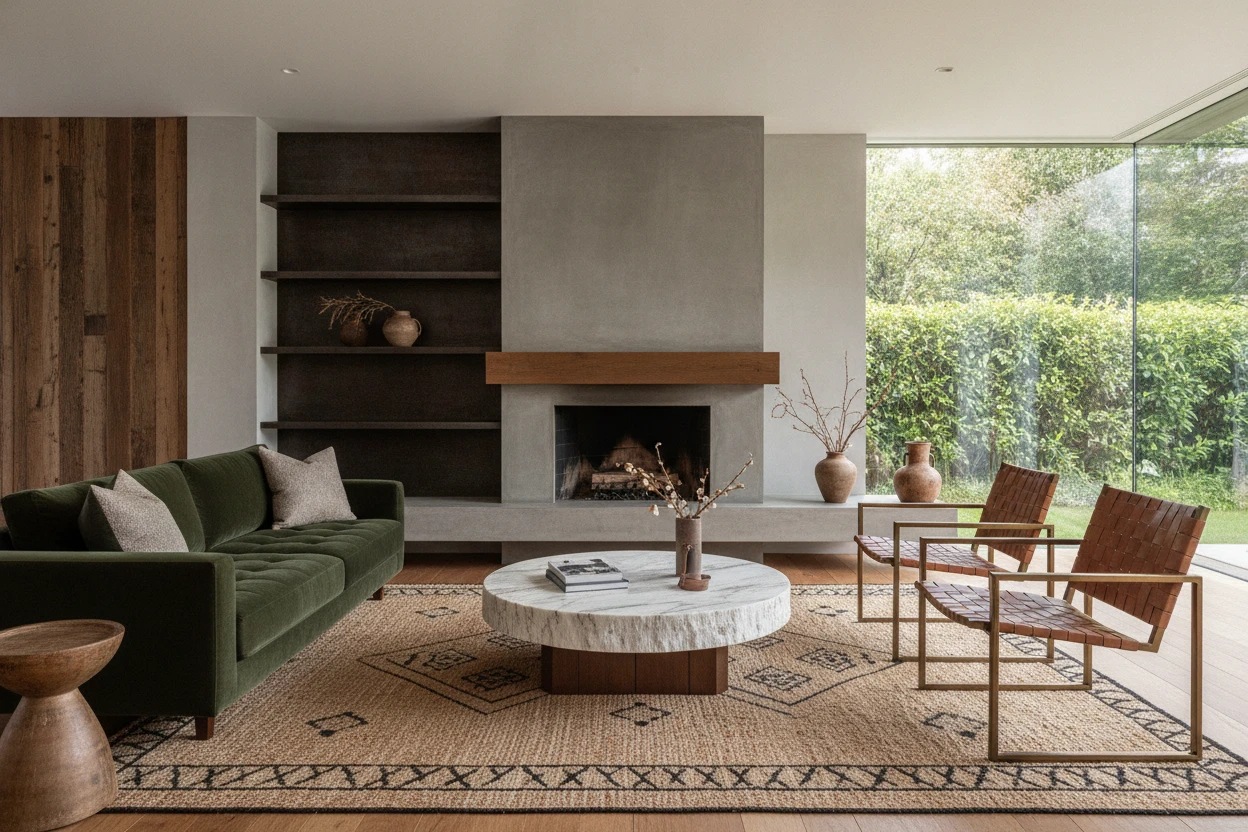
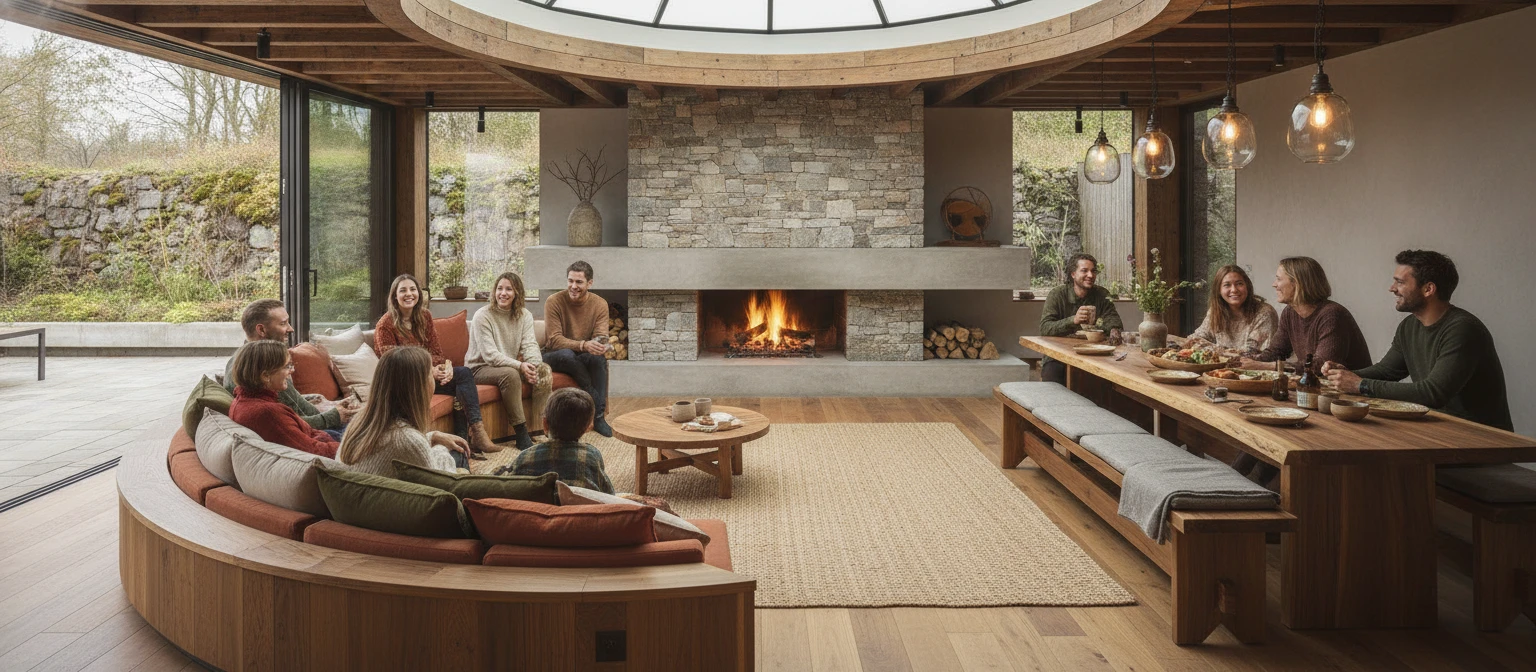
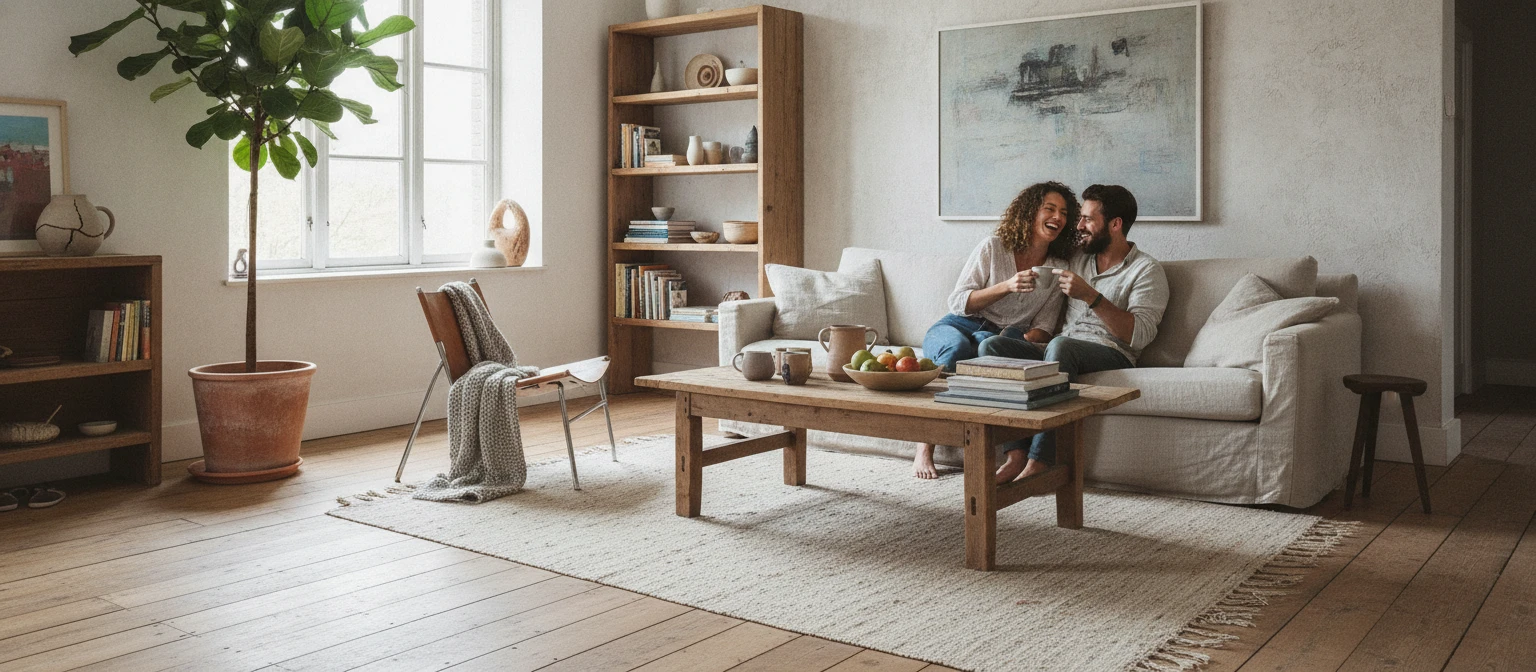
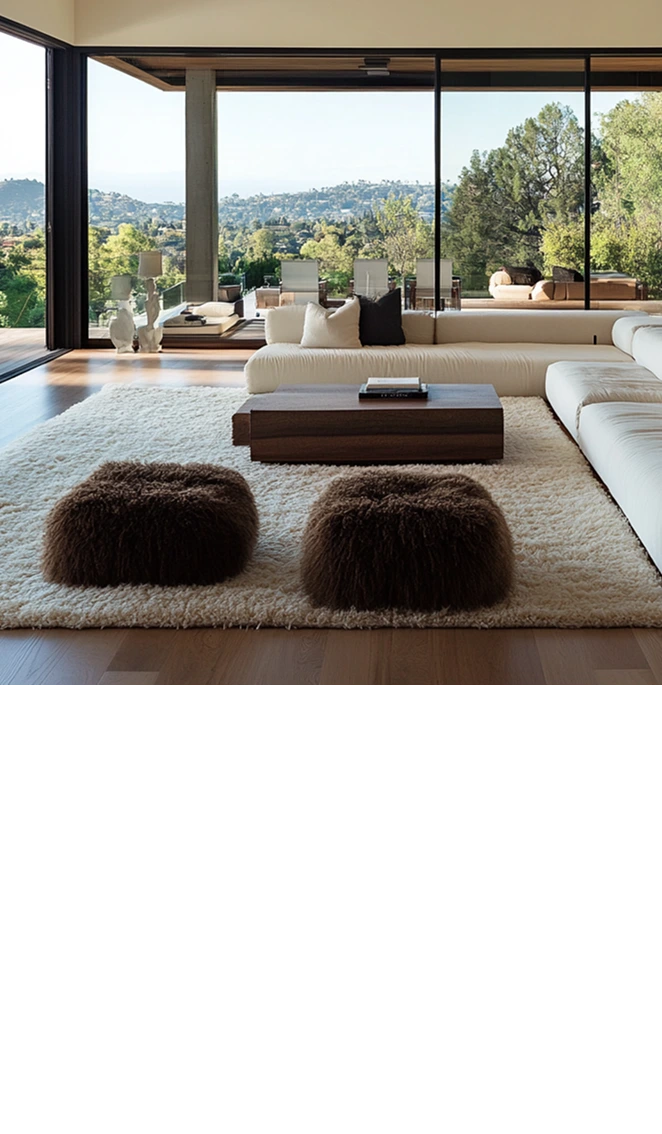
To successfully incorporate statement materials without losing balance, consider starting with a neutral foundation. This provides a blank canvas that allows the statement pieces to shine while preventing them from overwhelming the space. For example, a bold, patterned wallpaper can serve as a striking backdrop for simpler furniture and décor. Additionally, layering different textures can add depth and interest, further enhancing the visual appeal. Think of combining a statement material, such as a leather sofa, with softer elements like plush throw pillows or a textured area rug. Another effective strategy is to limit the number of statement materials used in a single space. By selecting one or two focal points, you can maintain a sense of order and cohesion. Moreover, consider the scale of the statement materials – larger items can dominate a room, while smaller pieces can complement existing elements more subtly. Color coordination plays a pivotal role as well; selecting colors that complement or contrast each other can help maintain visual harmony. Lastly, involve the surrounding space in your design considerations. Ensure that statement materials connect with other design elements, such as lighting and furniture styles, creating a seamless flow throughout the area. This approach not only enhances the aesthetic but also fosters a sense of balance that is crucial for any successful design.
In summary, incorporating statement materials into your design projects requires a thoughtful approach to maintain balance. By establishing a neutral base, limiting the number of statement pieces, and being mindful of scale and color coordination, you can create designs that are both striking and harmonious. Remember to consider the overall flow of the space and how each element interacts with others. This strategic integration not only highlights the statement materials but also enhances the overall atmosphere of the environment. As you embark on your design journey, keep these principles in mind to ensure that your spaces resonate with a sense of balance and style. Embracing these strategies will not only elevate your design projects but also provide a welcoming ambiance that invites engagement and appreciation from those who experience the space.
TRENDING NOW
How Texture and Color Work Together to Shape Human Experience