How to Create Harmonious Spaces: Key Principles of Modern Architecture Explained
In the ever-evolving world of design, the quest to create spaces that resonate with harmony and balance has become paramount. As we navigate the complexities of modern architecture, understanding how to craft environments that evoke a sense of tranquility and cohesion is essential. These spaces are not just about aesthetics; they embody a philosophy that merges functionality with beauty, creating an emotional connection that transcends the physical. For design-conscious homeowners and boutique commercial clients, particularly those who are affluent professionals in Miami and beyond, the allure of bespoke interiors is undeniable. This article delves into the key principles of modern architecture that facilitate the creation of harmonious spaces, offering insights into how these concepts can transform ordinary environments into extraordinary experiences. By exploring the interplay between form and function, light and shadow, and material and texture, we can uncover the secrets to designing spaces that feel both timeless and deeply personal. Join us as we unravel the intricacies of modern architecture, providing you with the tools and inspiration to infuse harmony into your own living or working environments. Whether you are seeking to revitalize a home or redefine a commercial space, the principles discussed here will guide you towards a more refined, functional, and emotionally resonant design.
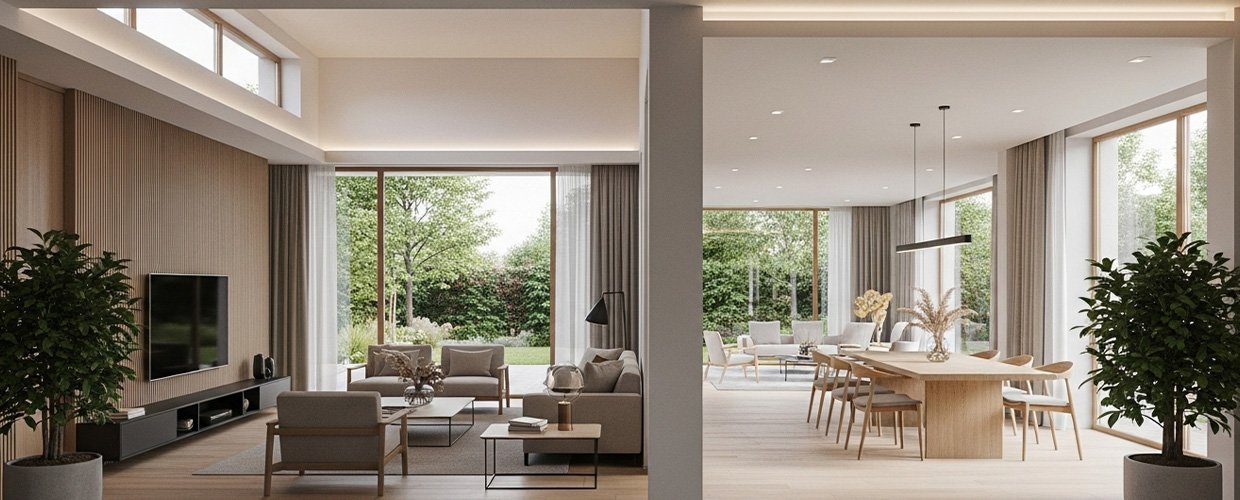
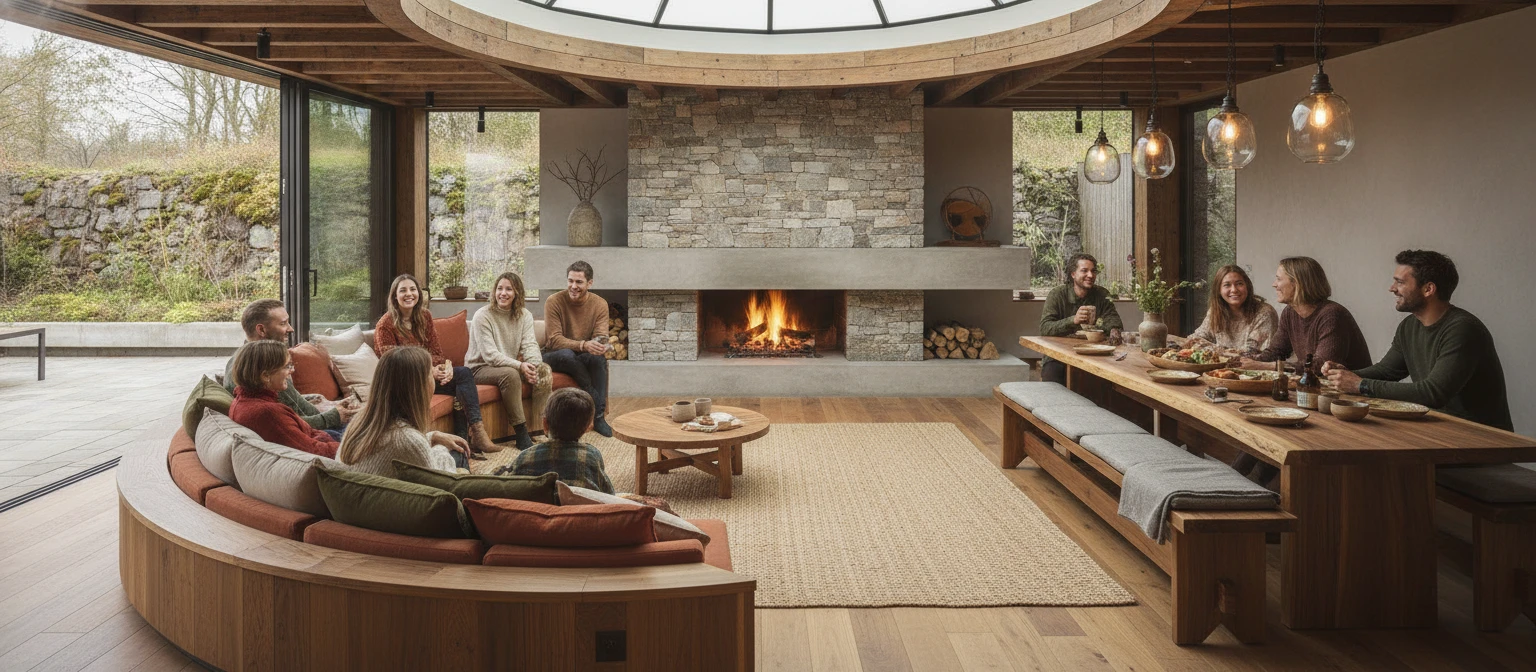
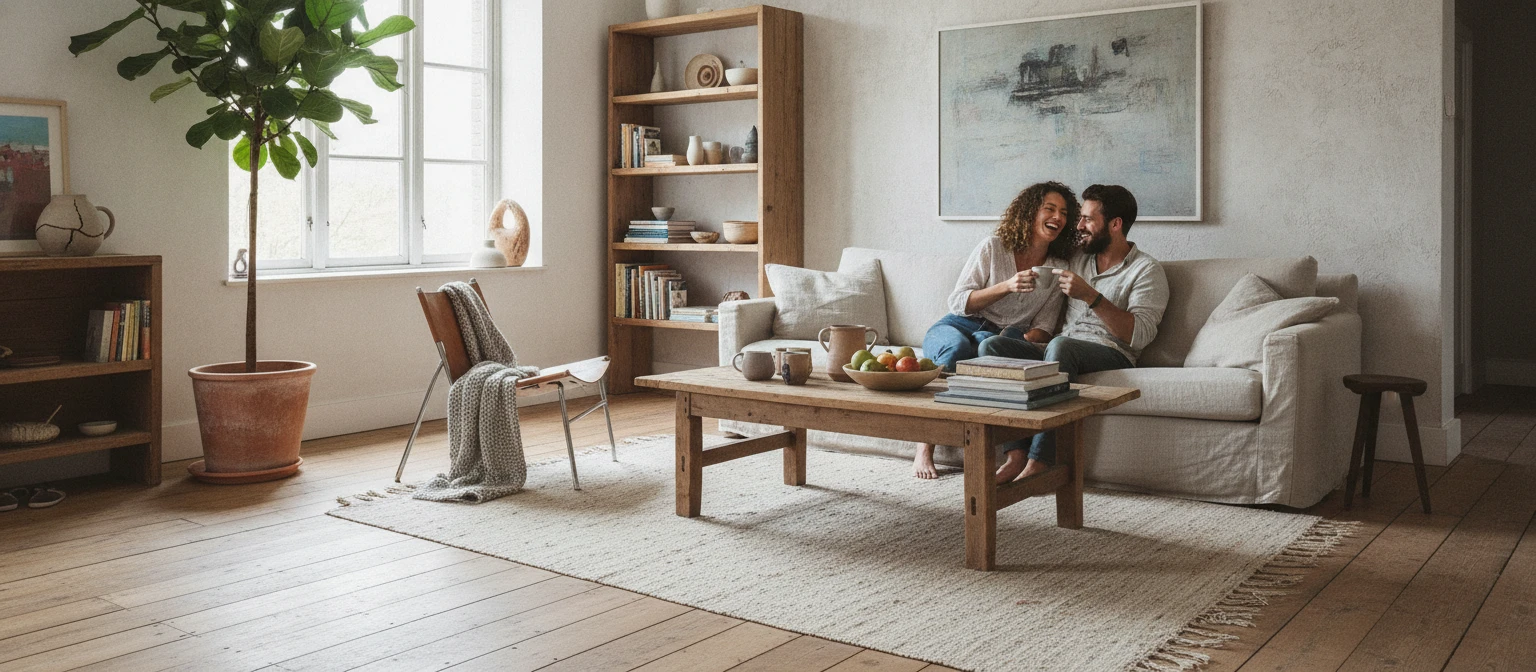
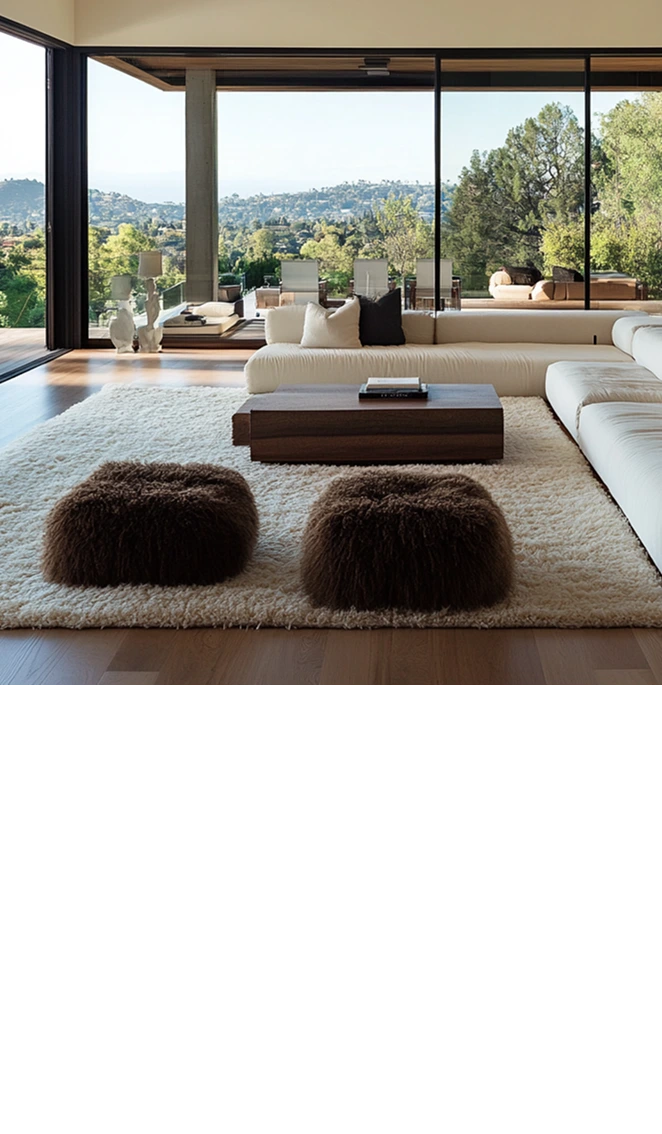
At the heart of modern architecture lies a commitment to simplicity and clarity, which are essential in creating harmonious spaces. This design philosophy emphasizes clean lines, open floor plans, and the seamless integration of indoor and outdoor environments. By prioritizing these elements, architects and designers can craft spaces that not only look appealing but also enhance the well-being of their inhabitants. A key principle is the use of natural light, which plays a pivotal role in shaping the mood and functionality of a space. Large windows, skylights, and glass walls are common features in modern architecture, allowing for an abundance of natural light that can reduce the need for artificial lighting and create a sense of openness. Additionally, the choice of materials is crucial in achieving harmony. Modern architecture often favors sustainable and organic materials such as wood, stone, and glass, which not only contribute to the aesthetic appeal but also promote environmental consciousness. The interplay of these materials with color palettes that reflect nature’s hues further enhances the sense of unity and tranquility within a space. By incorporating these principles, designers can create environments that are not only visually stunning but also deeply connected to the natural world, fostering a sense of peace and well-being.
As we conclude our exploration of how to create harmonious spaces through modern architecture, it is clear that the principles of simplicity, natural light, and material selection are paramount. These elements work in concert to craft environments that are both functional and emotionally resonant. By embracing the philosophy of modern design, one can transform spaces into sanctuaries of peace and productivity. For those seeking to implement these concepts, it is essential to engage with design professionals who understand the nuances of creating bespoke interiors that reflect personal and professional aspirations. The journey towards harmonious spaces is not just about aesthetic choices; it is about cultivating environments that nurture the soul and inspire creativity. As you consider your next design project, remember that the essence of modern architecture is its ability to create connections—between people, nature, and the spaces they inhabit. We invite you to start a conversation with AB Concepts, where our expertise in architecture, interior design, and space planning can help you realize your vision of a harmonious, modern space that feels timeless and deeply personal.
TRENDING NOW
How Texture and Color Work Together to Shape Human Experience