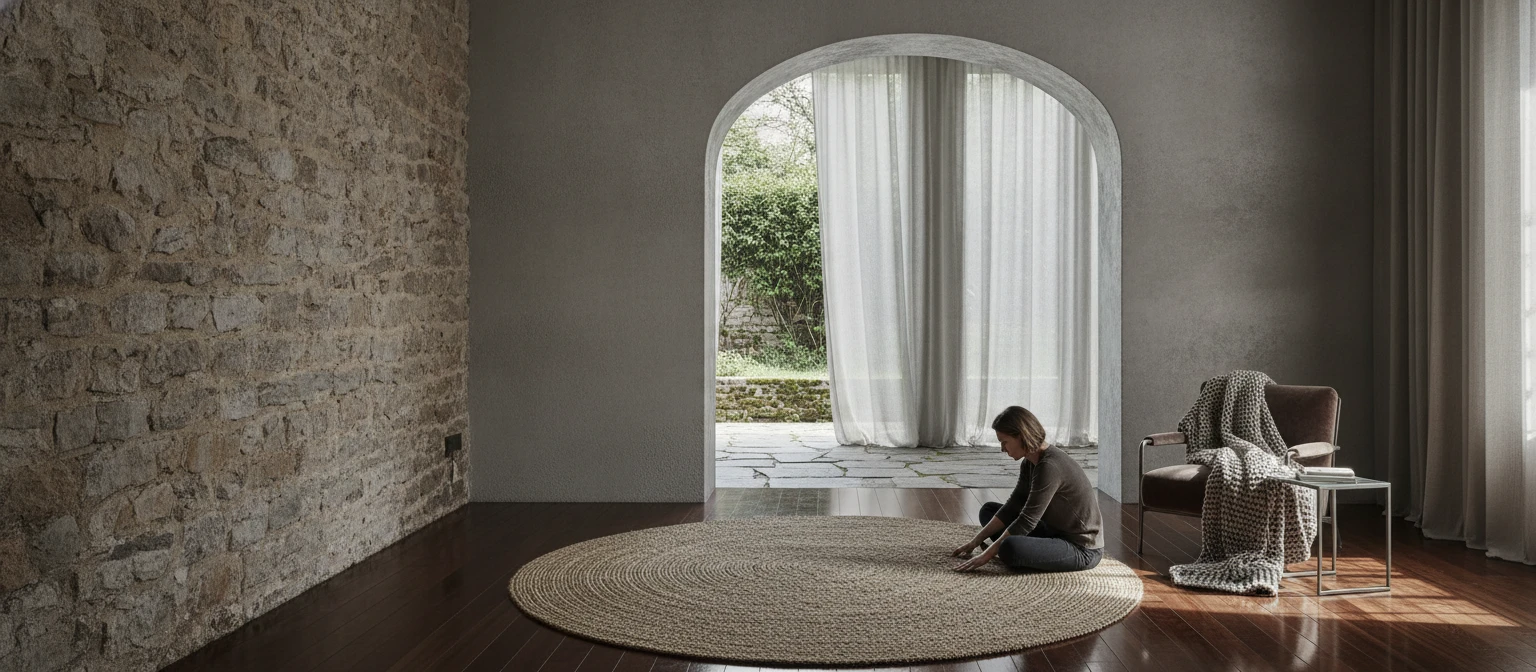
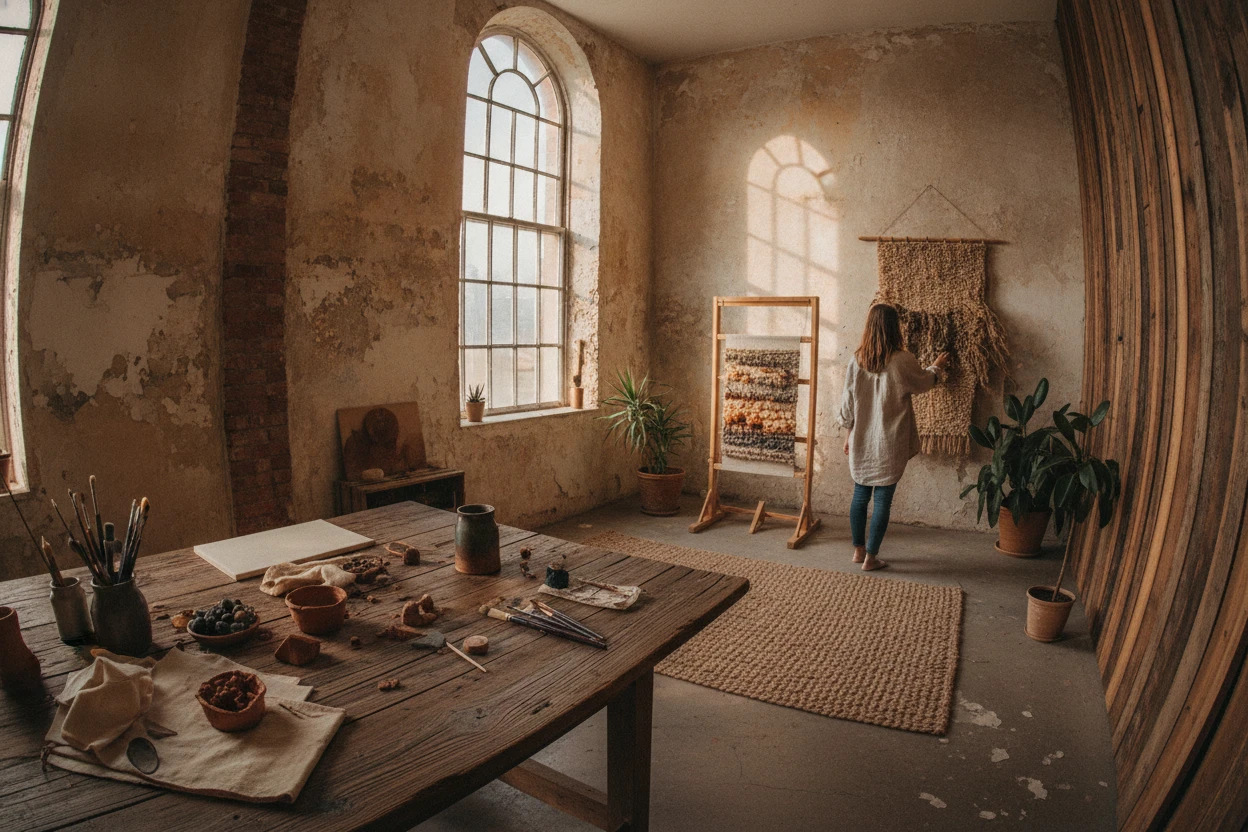
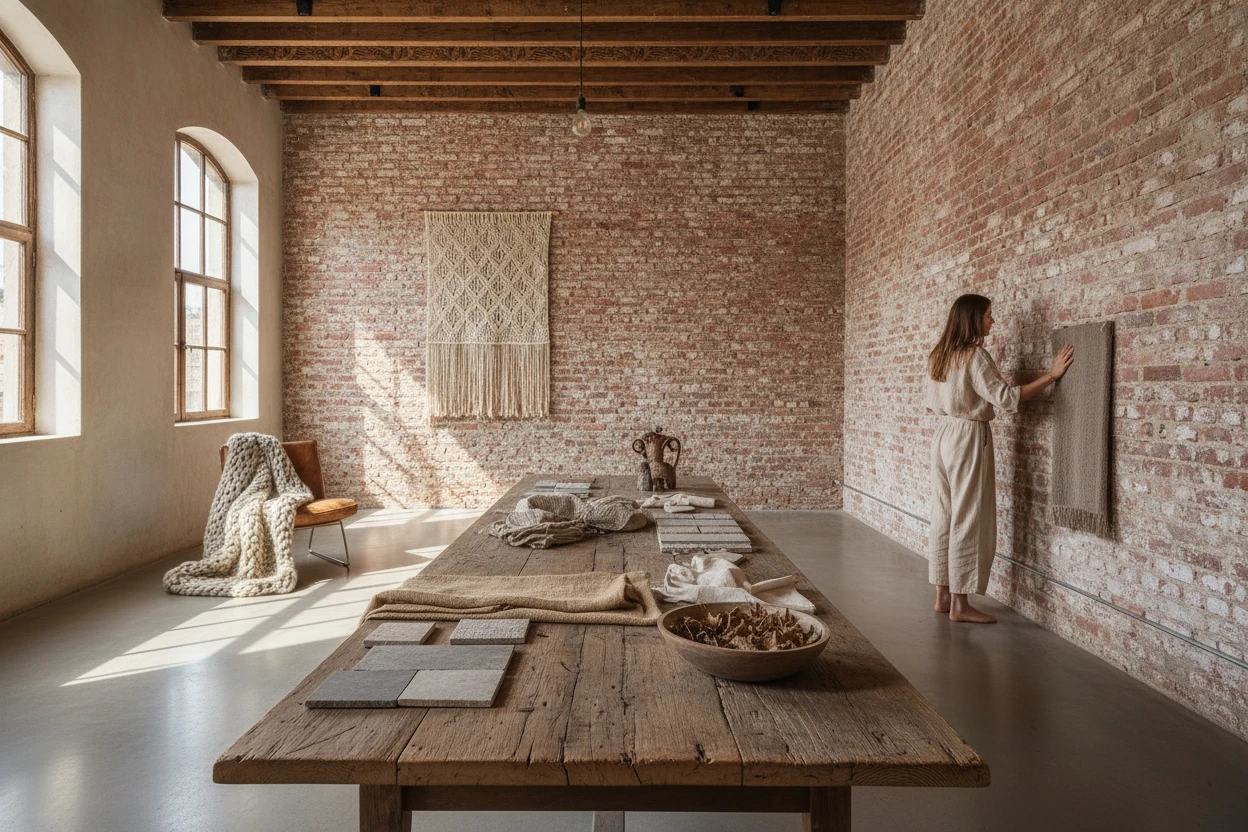
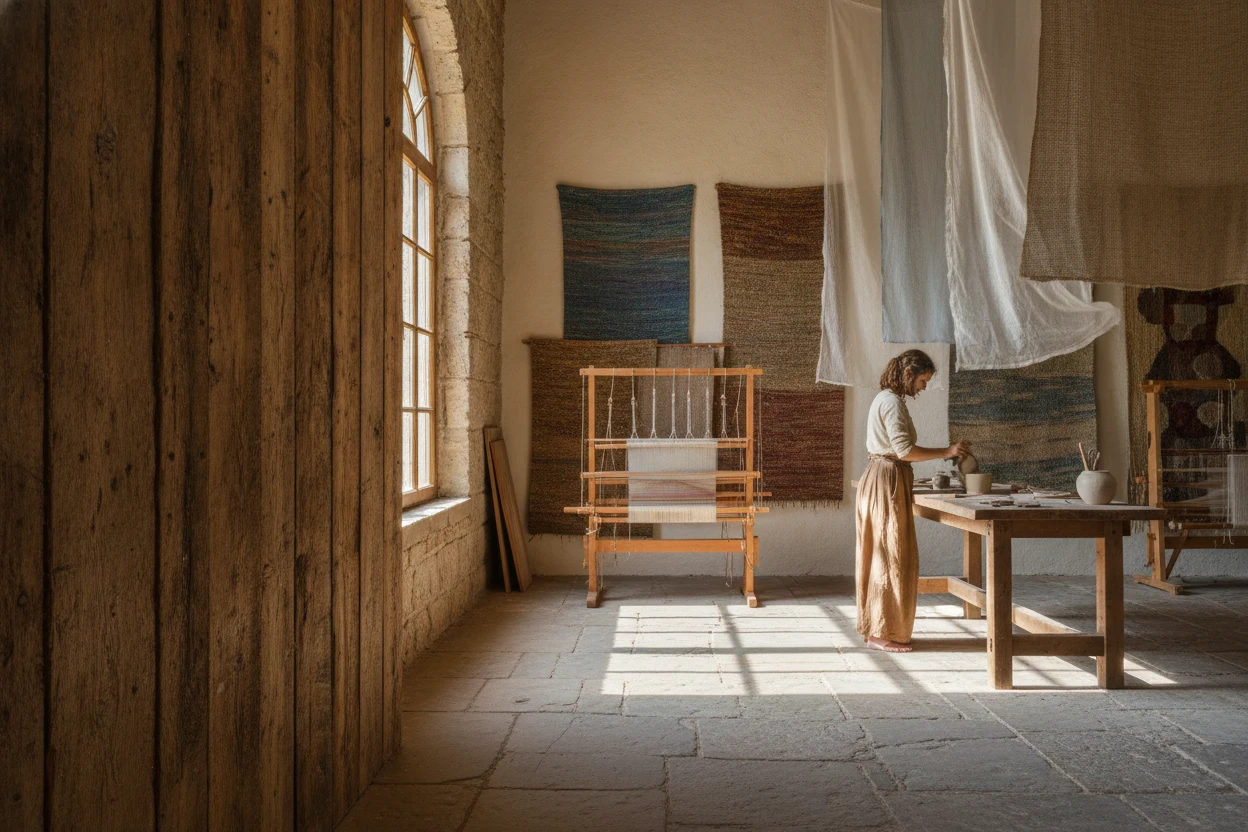
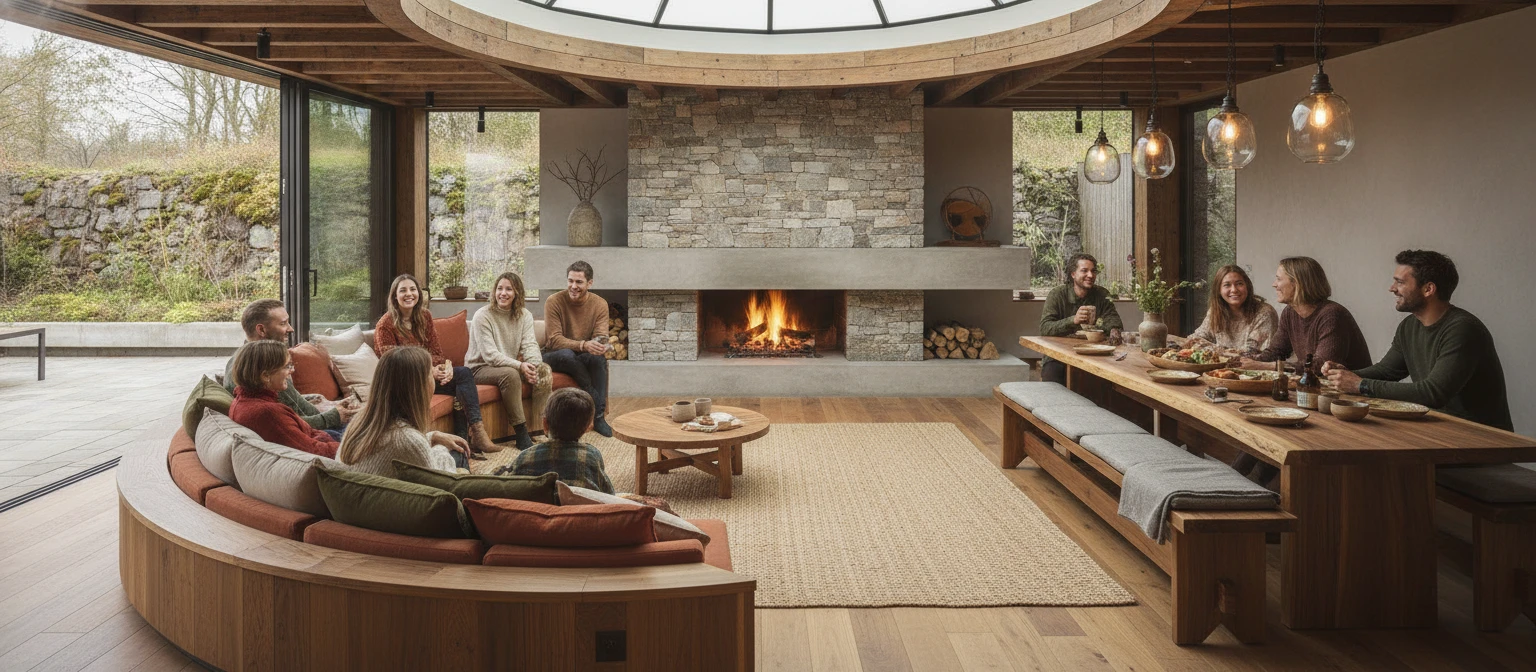
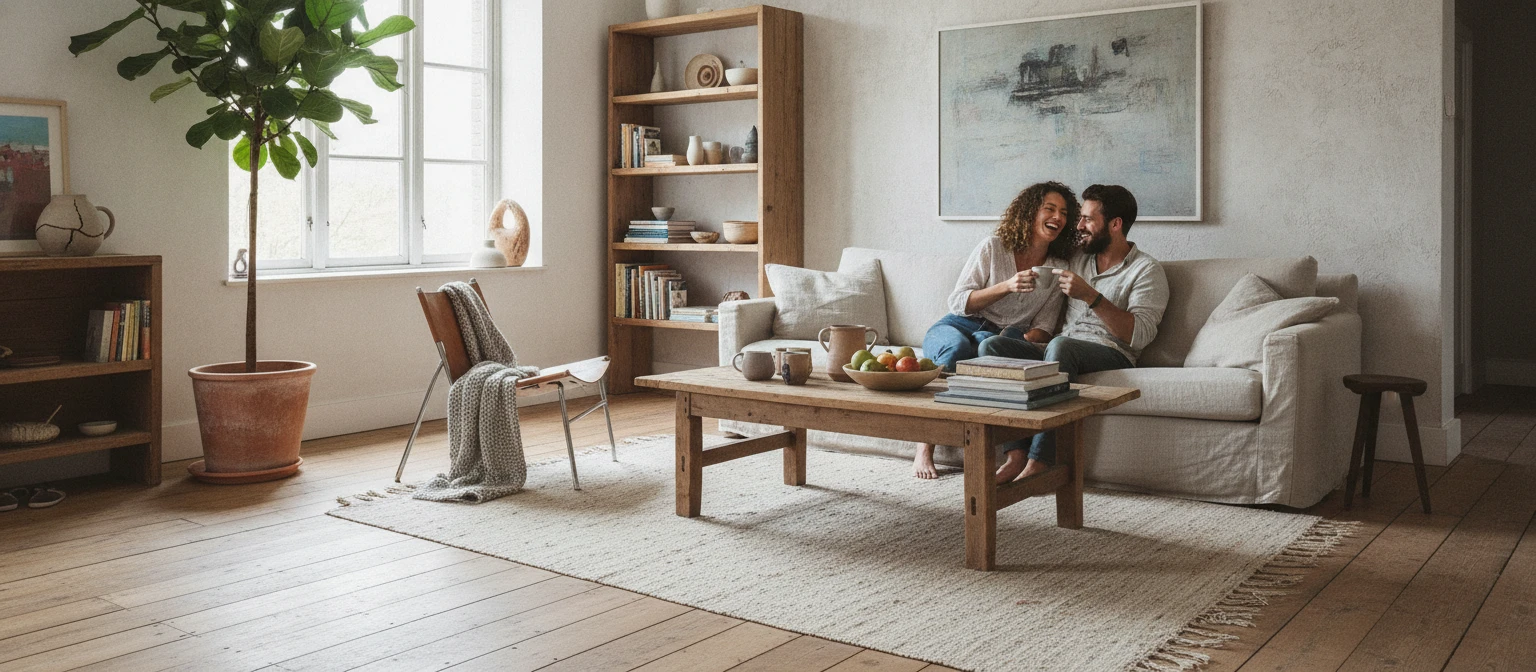
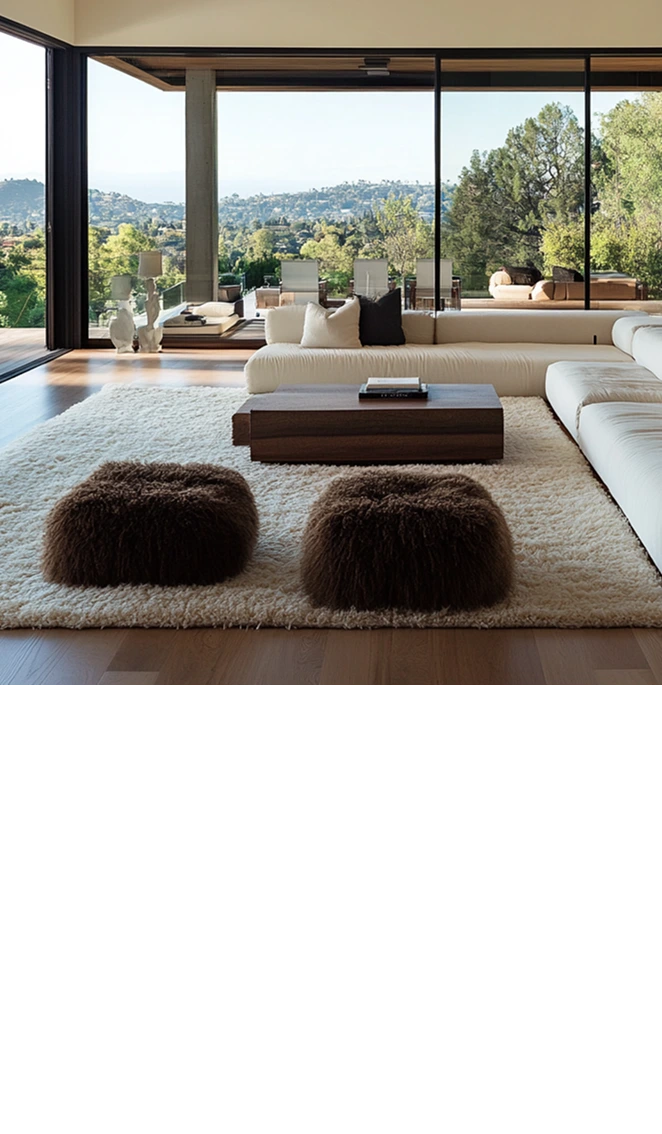
The perception of space is a complex interplay of various factors, including color, light, and texture. Among these, texture plays a pivotal role in shaping how we interpret our surroundings. Texture can be defined as the surface quality of an object, which encompasses both tactile and visual elements. It can be rough, smooth, soft, or hard, and it significantly affects how we perceive the dimensions and characteristics of a space. For instance, a room with textured walls can feel more inviting and cozy compared to one with flat, uniform surfaces. This difference is not merely subjective; it is rooted in our sensory experiences. Research shows that textured surfaces can create visual interest and depth, leading to a greater sense of space. Furthermore, texture can manipulate our emotional responses. A soft, plush texture might evoke feelings of comfort, while a hard, metallic surface could suggest coldness or industrialism. Understanding how texture influences the perception of space is essential for architects, interior designers, and artists, as it allows them to create environments that evoke specific feelings and responses from those who inhabit them.
In the realm of design, the integration of texture can transform the perception of space in profound ways. For example, in architecture, the choice of materials can influence not just the aesthetic appeal of a building but also the psychological experiences of its occupants. Textured surfaces, such as brick or wood, can add warmth and character to a space, making it feel more engaging. In contrast, a space dominated by smooth, reflective surfaces might be perceived as sterile or uninviting. Moreover, texture guides the eye, creating focal points and leading to a more dynamic visual experience. This is particularly relevant in smaller spaces; the strategic use of textured elements can create an illusion of depth and enhance the spatial experience. For instance, a feature wall with intricate patterns can draw attention and distract from the room’s smaller dimensions, making it feel larger. Additionally, texture can impact acoustics, as softer materials absorb sound and contribute to a quieter, more intimate environment. Ultimately, the thoughtful application of texture not only enhances the aesthetic quality of a space but also plays a fundamental role in shaping our emotional and psychological responses.
To summarize, understanding how texture influences the perception of space is essential for creating environments that resonate with users on multiple levels. Textures can evoke emotions, manipulate spatial dimensions, and enhance visual interest, making them a vital consideration in design. As we have explored, the interplay of texture with light and color can significantly alter how a space is experienced, impacting everything from comfort to functionality. Designers and architects should consider the psychological implications of their material choices, as the right textures can foster a sense of belonging and well-being. Looking ahead, embracing innovative materials and techniques will allow for even greater exploration of texture in spatial design. The ongoing evolution of design practices emphasizes the importance of texture, encouraging professionals to think critically about how they can enhance the perception of space in their projects. In conclusion, recognizing the power of texture not only enriches our understanding of design but also enhances the quality of our lived experiences within various environments.
TRENDING NOW
How Texture and Color Work Together to Shape Human Experience