How Sustainable Materials Are Influencing Luxury Interiors
In recent years, the intersection of sustainability and luxury has become a pivotal topic in the world of interior design. As environmental awareness grows, consumers are increasingly seeking ways to incorporate eco-friendly practices into their lifestyles, including their home environments. This shift towards sustainability is not just about reducing carbon footprints; it’s about redefining luxury itself. Traditionally, luxury interiors have been associated with opulence and excess, often at the expense of the environment. However, today’s discerning clientele desires spaces that reflect their values, emphasizing quality, craftsmanship, and sustainability. By choosing sustainable materials, homeowners and designers alike are creating interiors that are not only beautiful but also responsible. This approach demands a deeper understanding of what constitutes luxury. It challenges the conventions of high-end design, pushing boundaries and encouraging innovation in material selection and sourcing. As a result, luxury interiors are evolving to embrace sustainable practices that honor both aesthetic appeal and environmental stewardship.
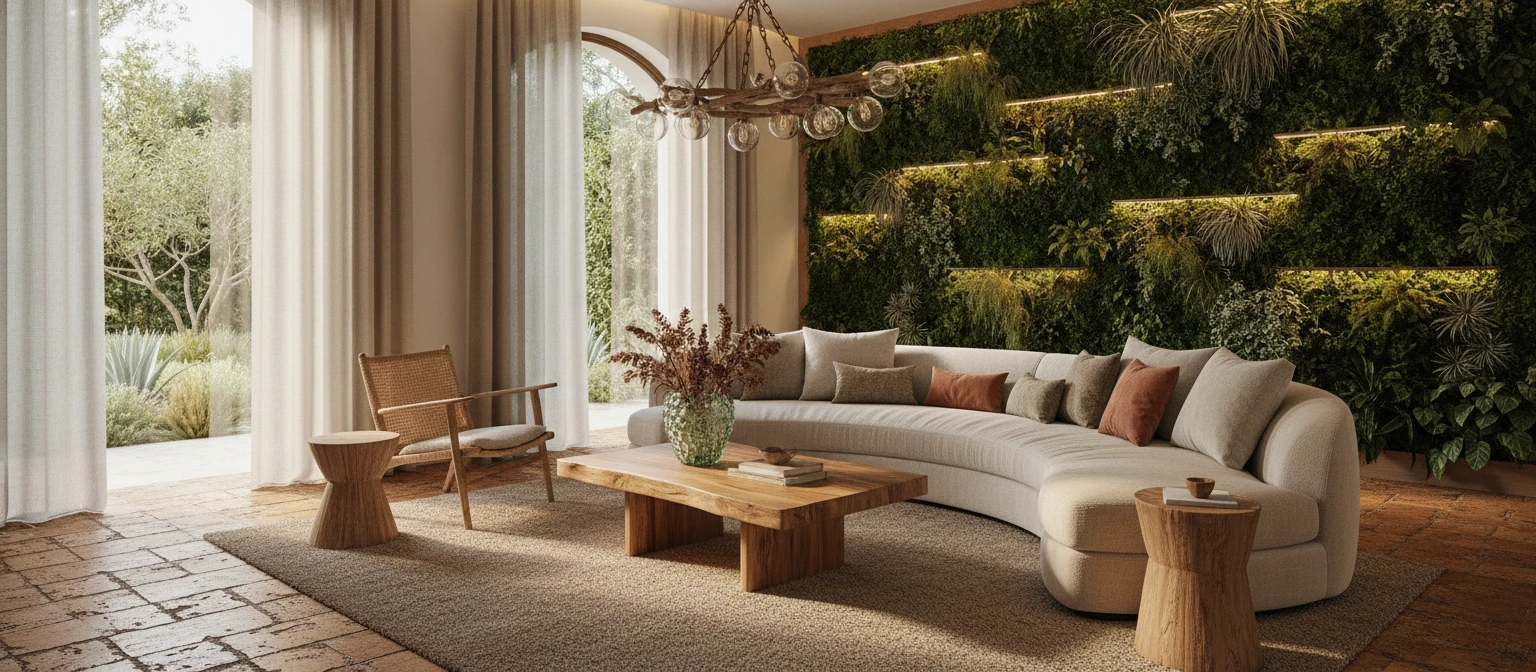
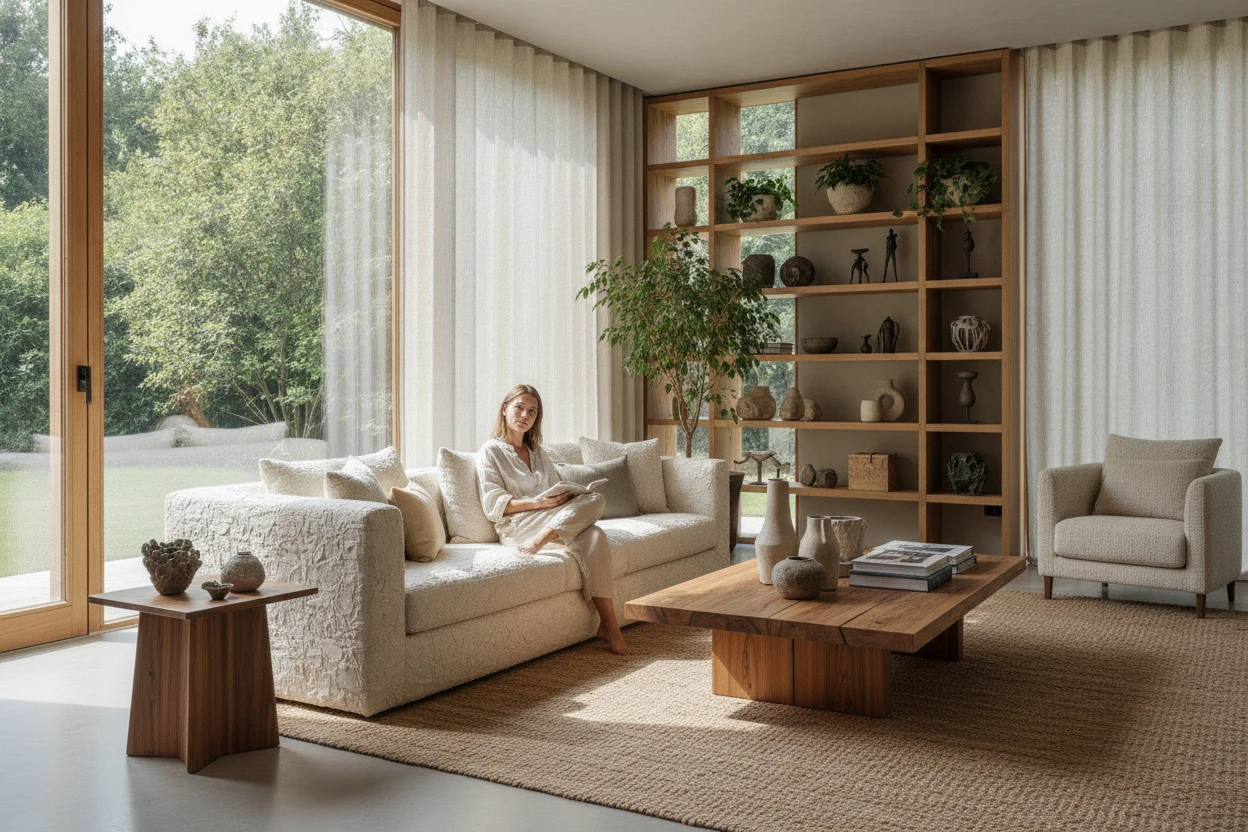
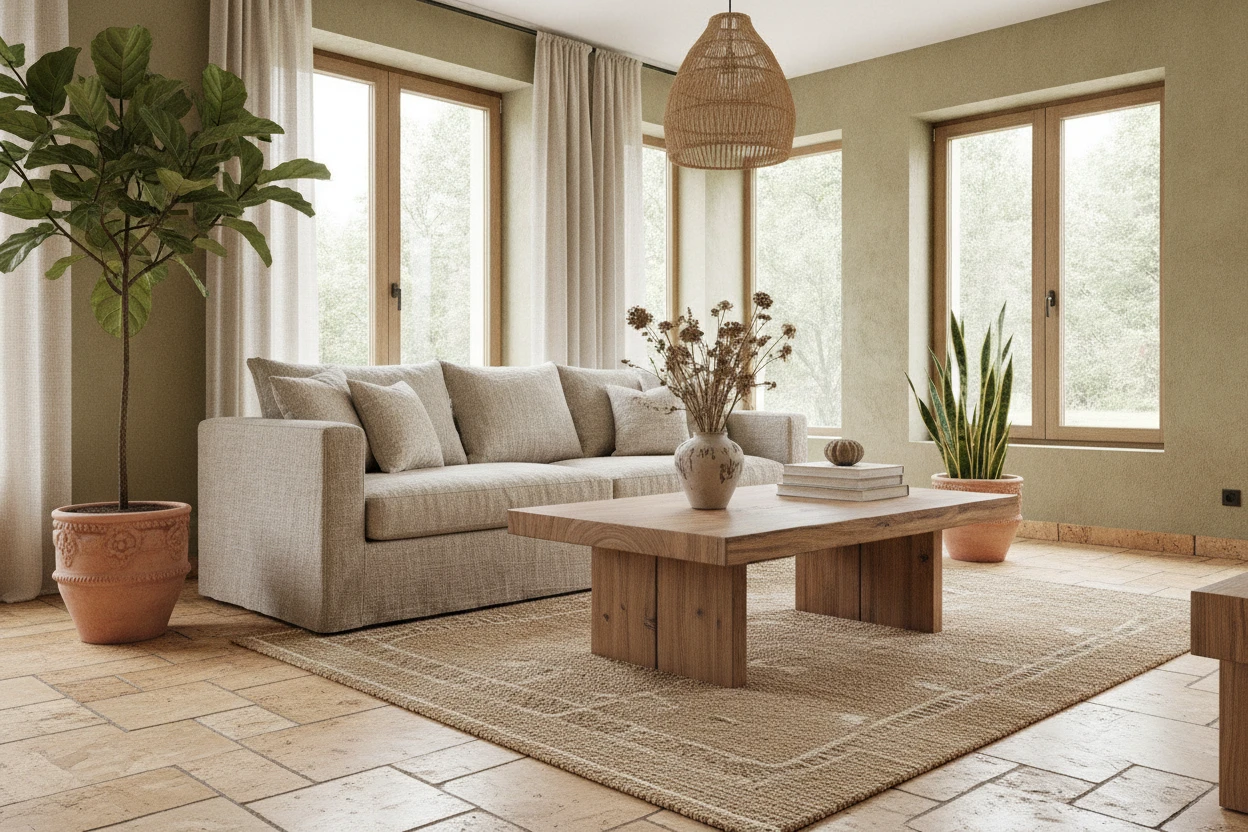
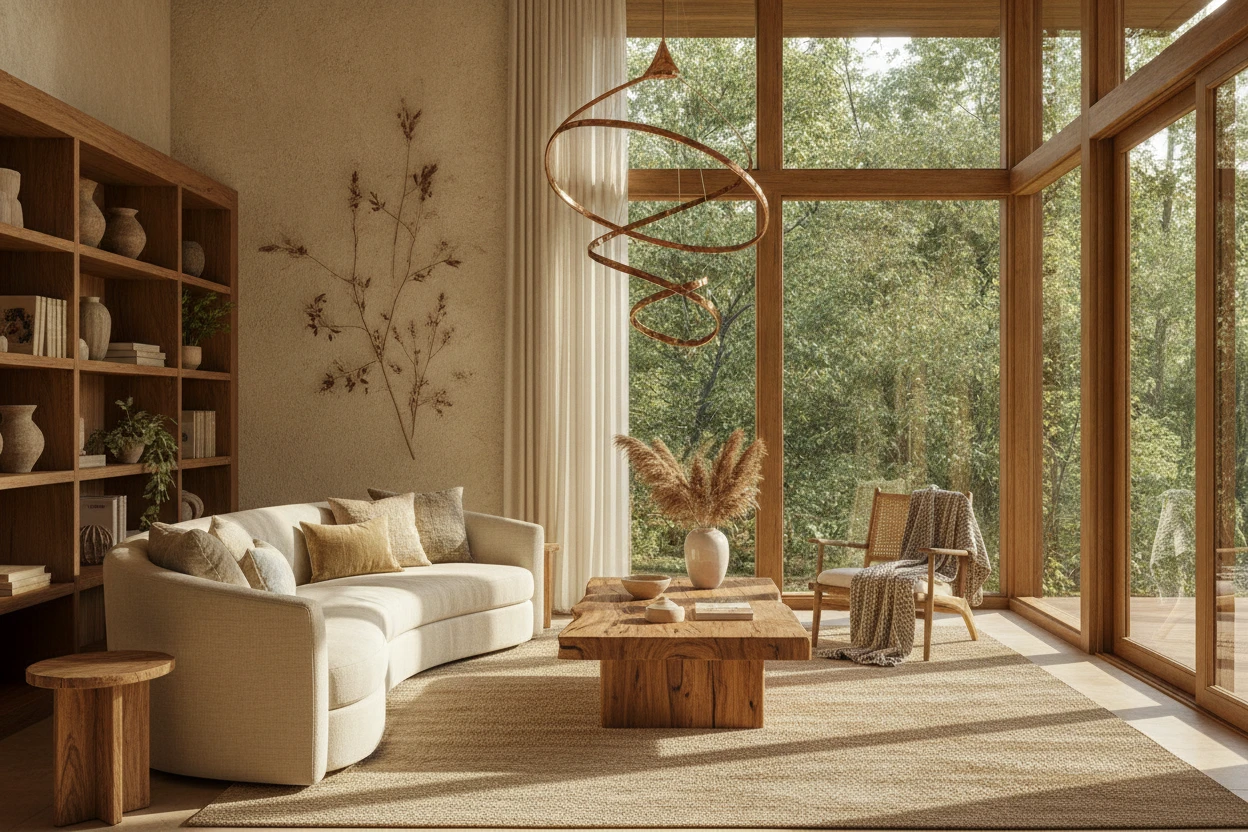
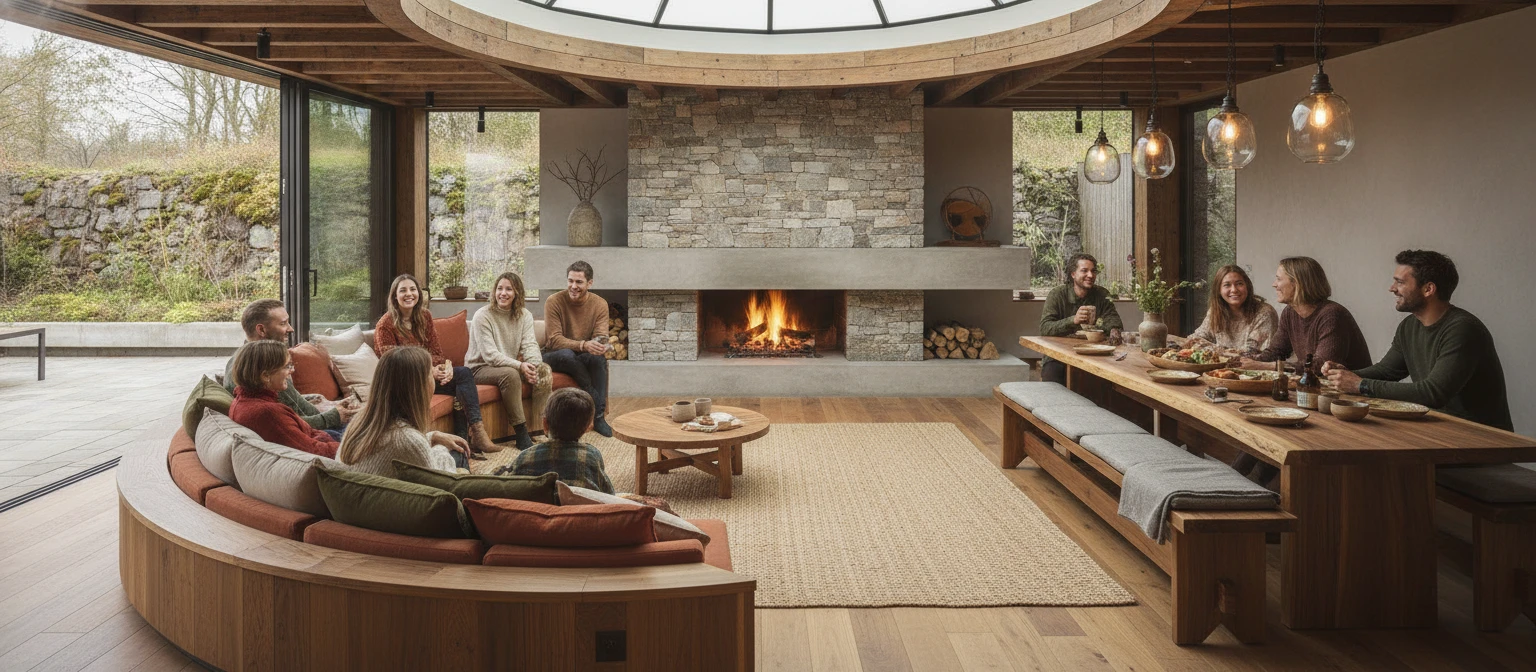
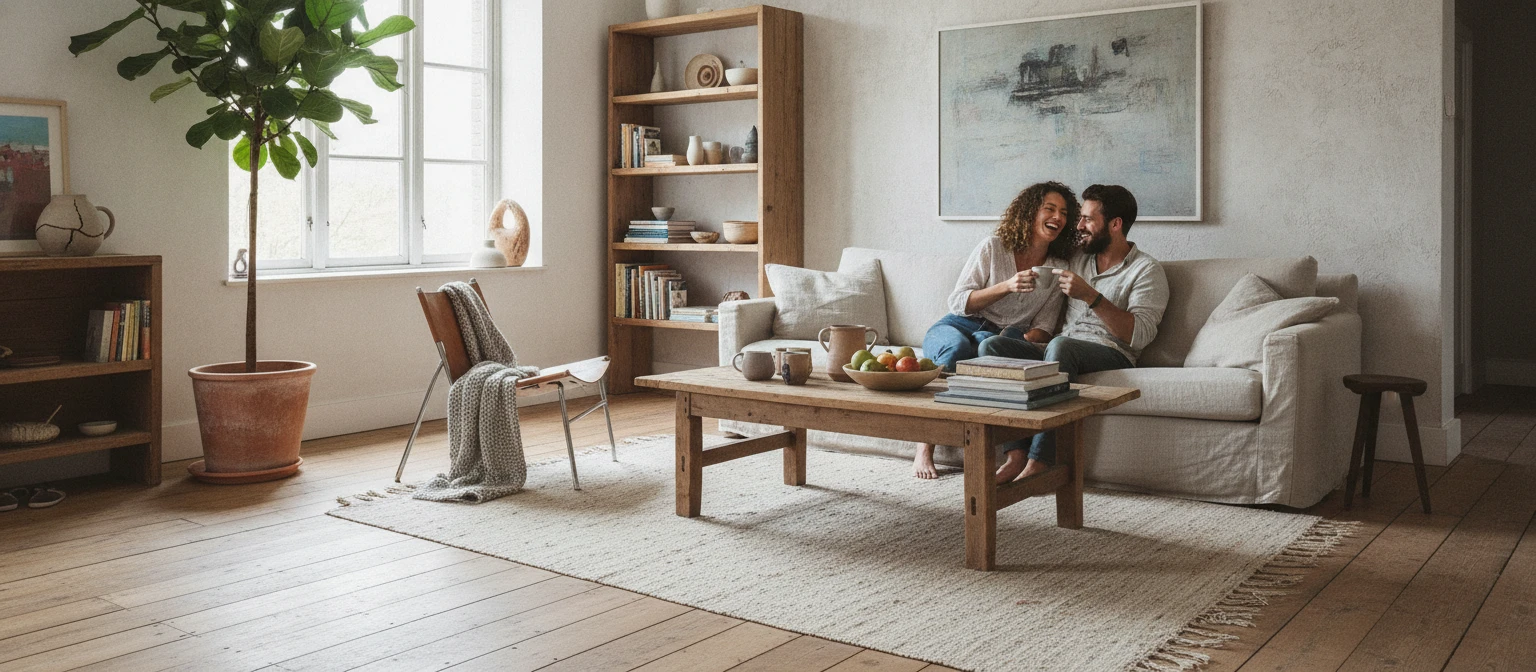
Sustainable materials are influencing luxury interiors in profound ways, redefining the concept of elegance and sophistication. From reclaimed wood to recycled metals and organic textiles, these materials are being utilized to create unique, high-end spaces that tell a story of environmental responsibility. For instance, designers are now opting for sustainably sourced hardwoods that not only minimize deforestation but also provide a distinctive character and warmth to interiors. Moreover, luxurious textiles made from organic cotton or bamboo are becoming popular choices for upholstery and drapery, offering both comfort and an eco-friendly alternative to traditional fabrics. Additionally, innovative materials such as bio-based plastics and low-VOC paints are paving the way for healthier indoor environments without compromising style. High-end brands are also recognizing the value of transparency in their supply chains, promoting a narrative that emphasizes the origins and sustainability of their materials. This trend not only appeals to environmentally conscious consumers but also enhances brand loyalty, as clients are more likely to support companies that align with their values. As a result, the luxury interior design industry is undergoing a significant transformation, where sustainability is no longer an afterthought but a fundamental principle guiding design choices.
To summarize, the influence of sustainable materials on luxury interiors marks a significant shift in both consumer preferences and design philosophies. The integration of eco-friendly materials reflects a broader commitment to sustainability, challenging the traditional notions of luxury that often prioritize aesthetics over environmental impact. As designers and consumers continue to prioritize sustainability, we can expect to see even more innovative solutions that merge style with conscience. Moving forward, individuals looking to create luxury interiors should consider not only the aesthetic appeal of materials but also their environmental footprints. This dual focus on beauty and sustainability will not only enhance the living experience but also contribute to a healthier planet. As the dialogue around sustainability in luxury design evolves, it opens up new avenues for creativity and expression, ensuring that future interiors are not only luxurious but also responsible and meaningful.
TRENDING NOW
How Texture and Color Work Together to Shape Human Experience