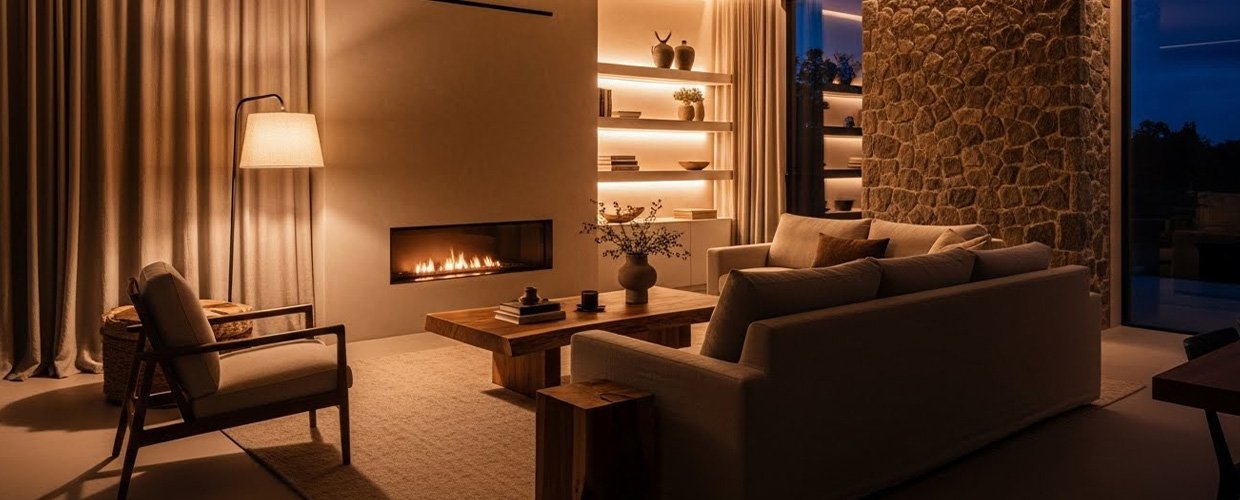
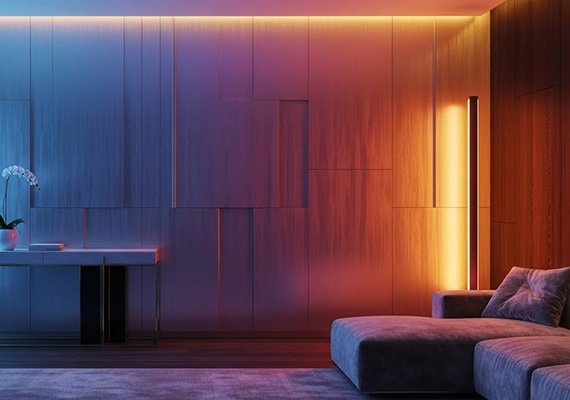
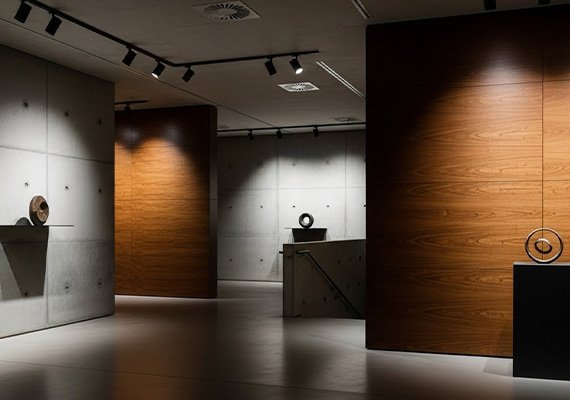
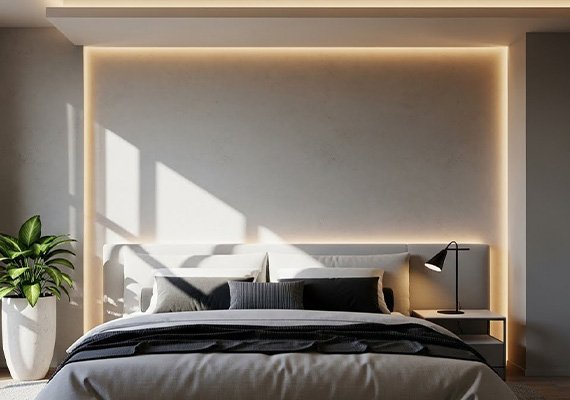
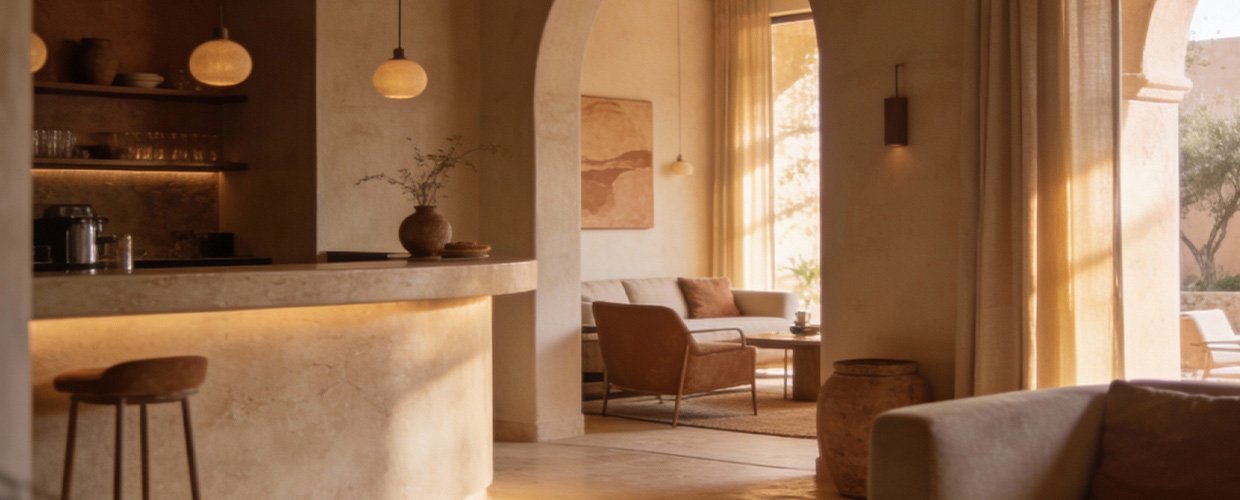
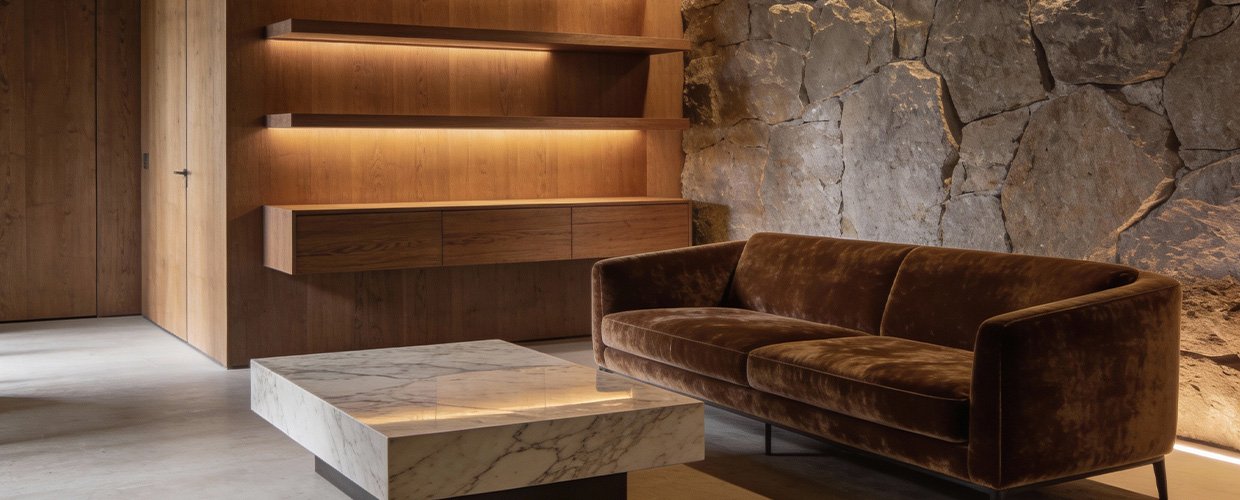
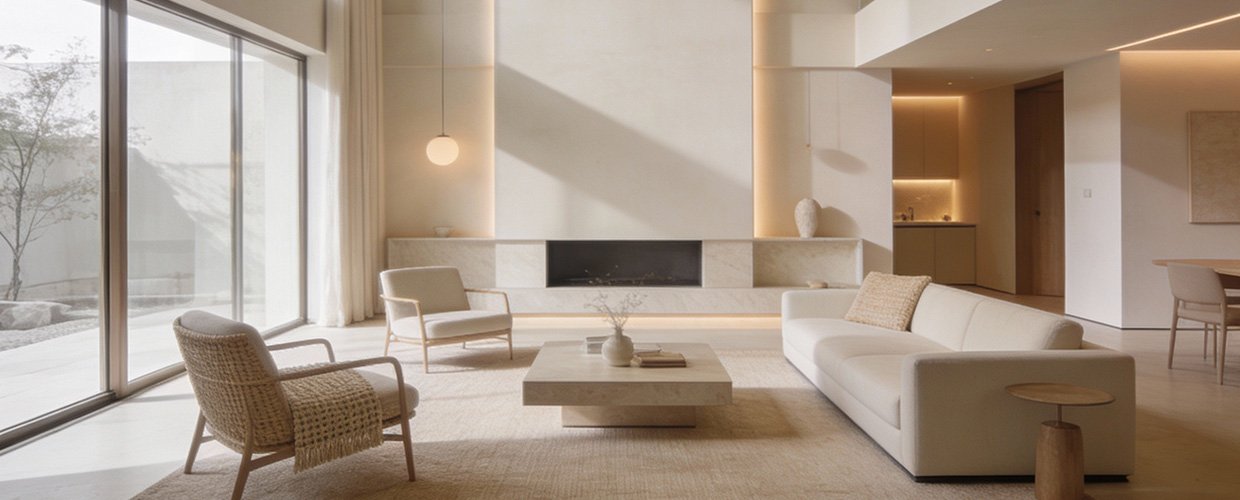
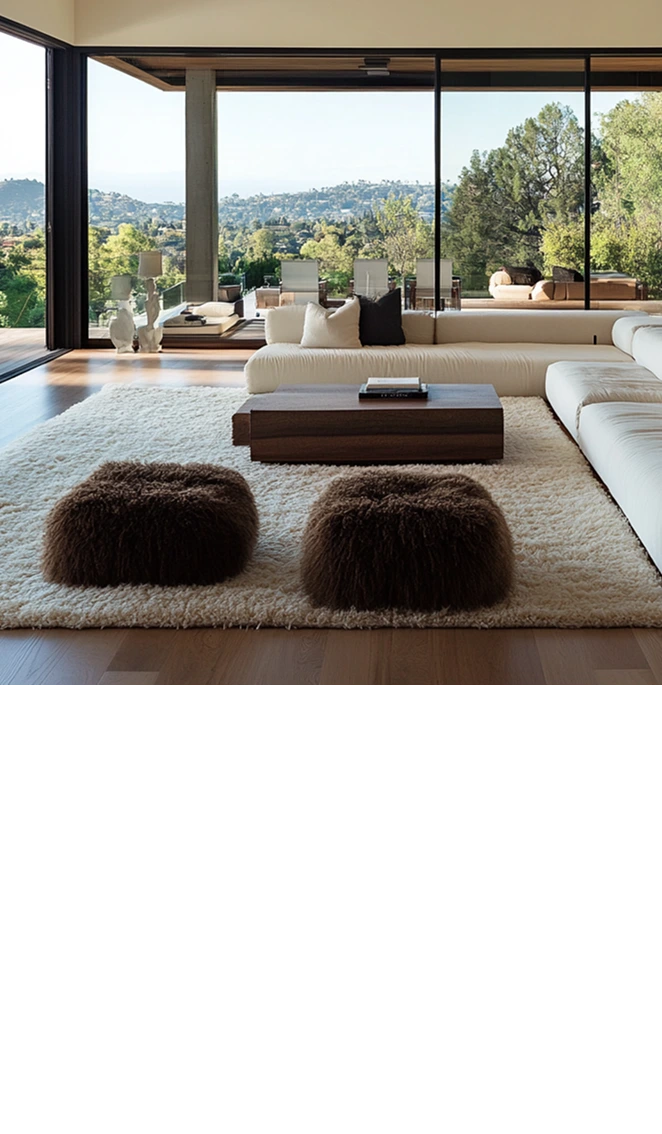
Lighting is an integral component of design that can dramatically alter the perception of color and texture within a space. Natural light, for instance, varies throughout the day, casting different hues and shadows that can make a room feel vibrant and dynamic at one moment and soft and subdued at another. Artificial lighting, on the other hand, offers more control, allowing designers to manipulate the ambiance of a room with precision. Warm lighting, characterized by its yellowish glow, can enhance warm color palettes, making reds, oranges, and yellows appear more saturated and inviting. This type of lighting is ideal for creating cozy and intimate settings, such as living rooms and bedrooms. In contrast, cool lighting, which emits a bluish-white light, can make spaces feel more open and modern, accentuating cooler tones like blues and greens. It is often used in kitchens and bathrooms to create a clean and fresh atmosphere. Beyond color, lighting also plays a significant role in highlighting textures. A well-placed light can accentuate the depth and intricacy of materials like brick, wood, or stone, bringing out their unique characteristics. For example, grazing light, which is directed at a steep angle across a textured surface, can create dramatic shadows that emphasize the texture’s relief. This technique is particularly effective in showcasing feature walls or architectural details. By understanding and utilizing the transformative power of lighting, designers and homeowners can craft spaces that not only look beautiful but also evoke the desired emotional response.