How Designers Create Luxury Through Material Restraint
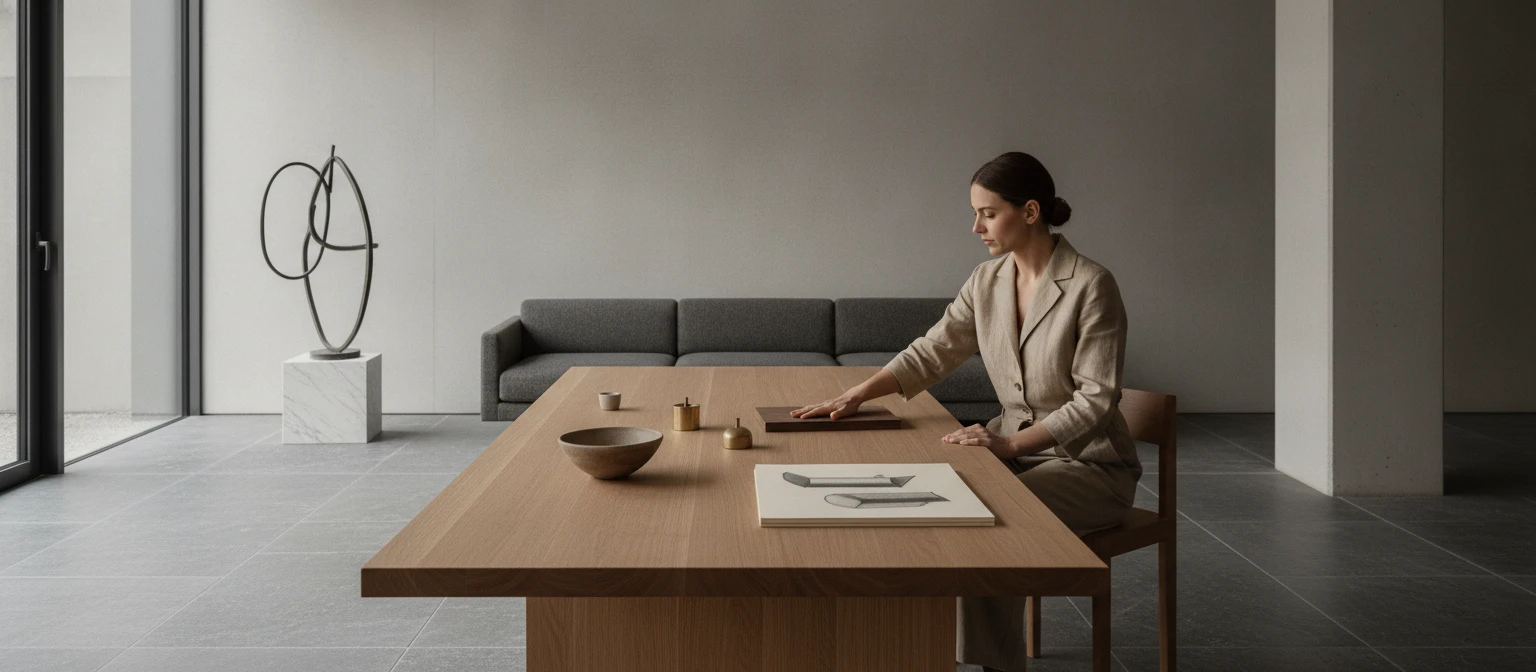
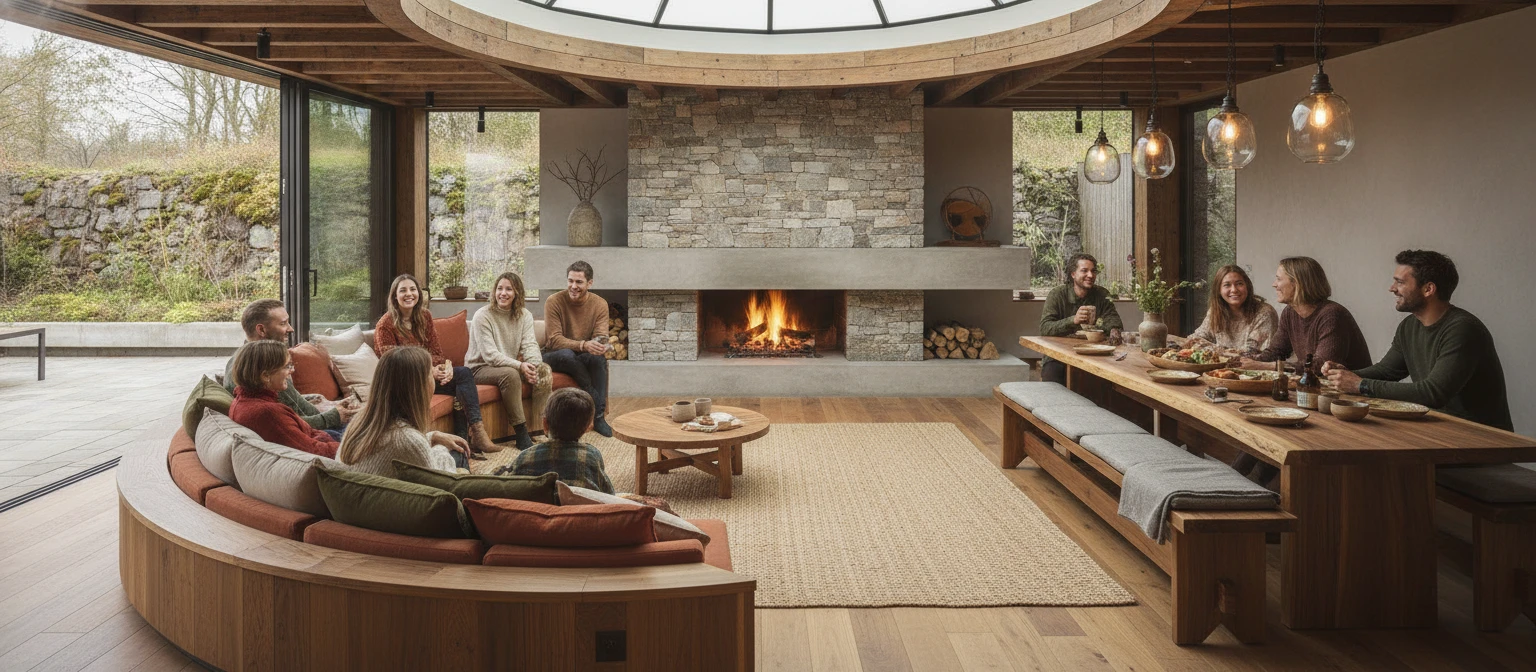
The concept of luxury is often associated with opulence, excess, and grandeur. However, a growing trend among designers is to redefine luxury through a lens of material restraint. This approach emphasizes the thoughtful selection and application of materials to create an atmosphere of sophistication without overwhelming the senses. By focusing on quality over quantity, designers can achieve a refined aesthetic that resonates with discerning customers. The importance of this trend lies in its ability to convey a sense of exclusivity and elegance through minimalist design principles. As consumers become increasingly aware of sustainability and mindful consumption, the role of material restraint becomes even more significant. This method not only highlights craftsmanship but also allows for a deeper emotional connection to the space or product. In this context, luxury is not merely about the materials used but the story they tell and the experiences they evoke. Understanding this shift is essential for both designers looking to innovate and consumers seeking to appreciate the subtleties of modern luxury. By embracing restraint, designers can create environments that are both luxurious and inviting, ultimately enhancing the user experience.
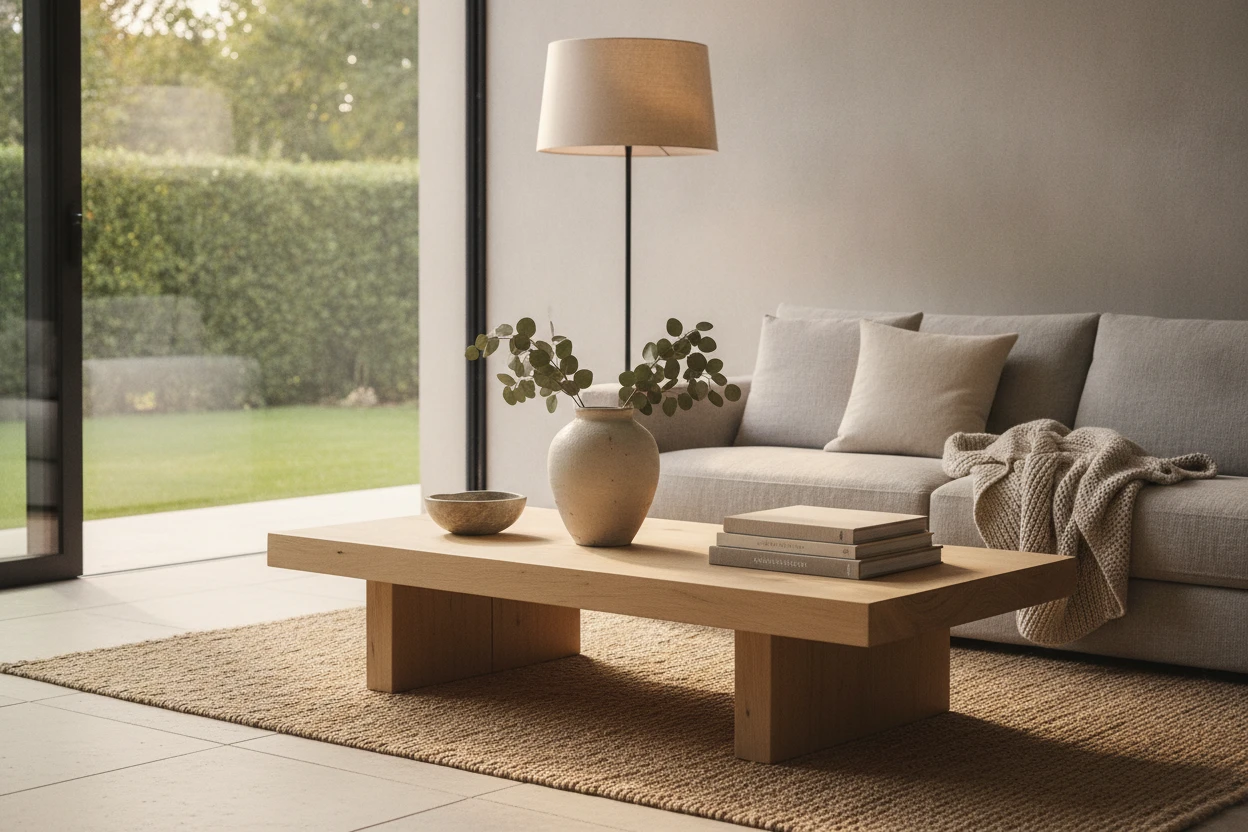
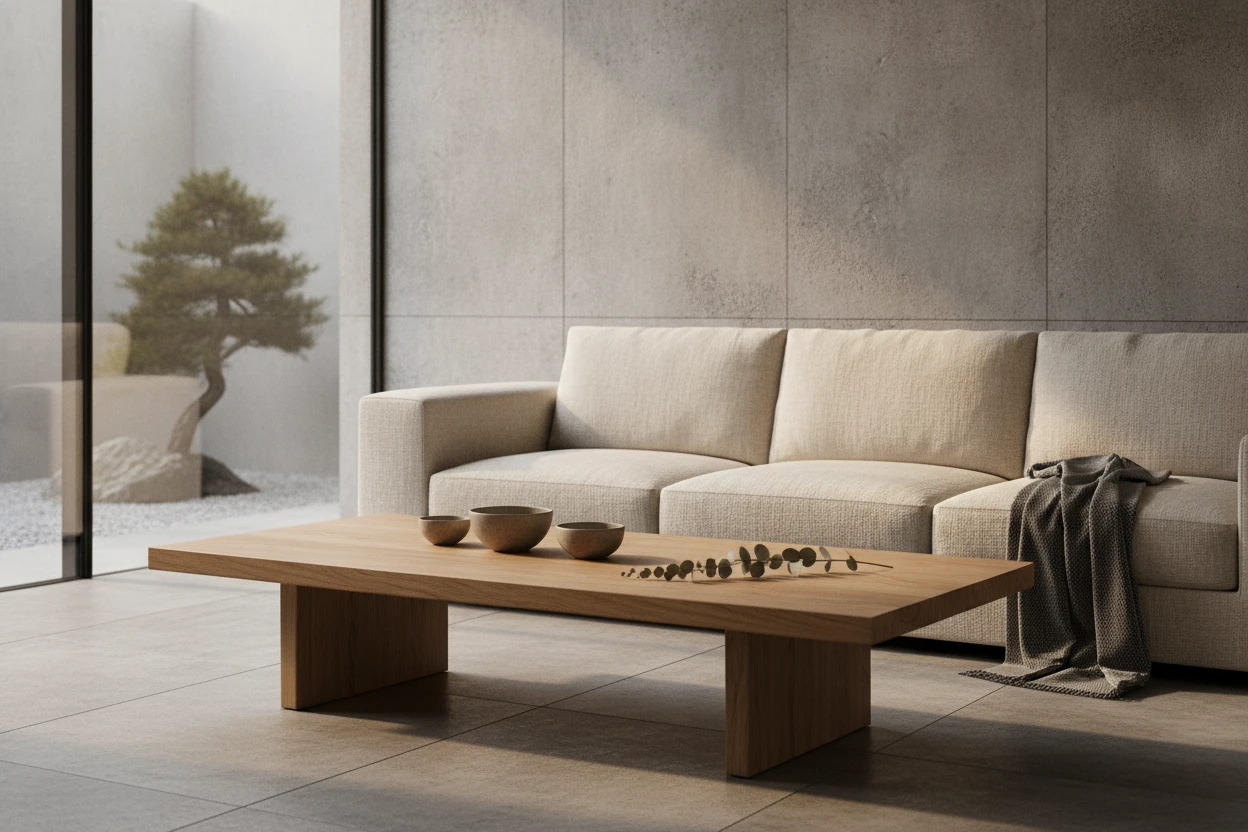
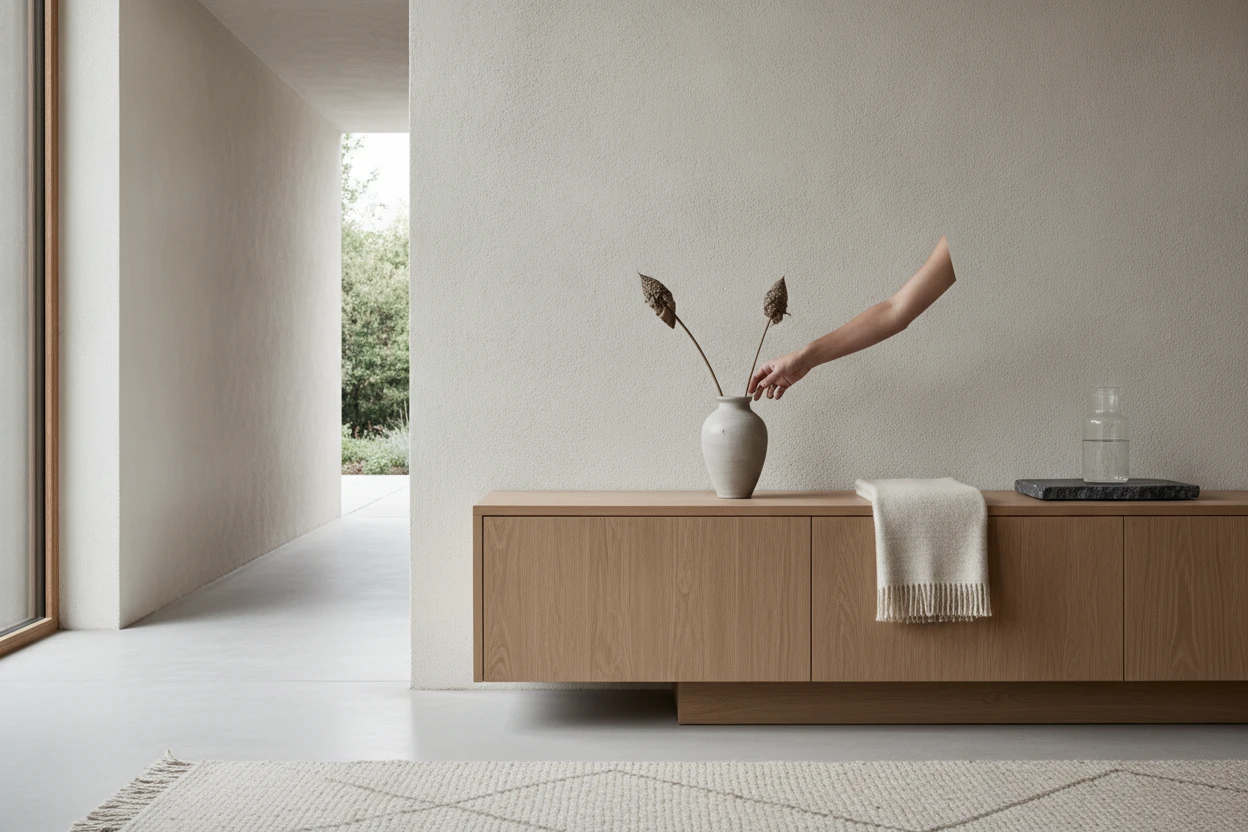
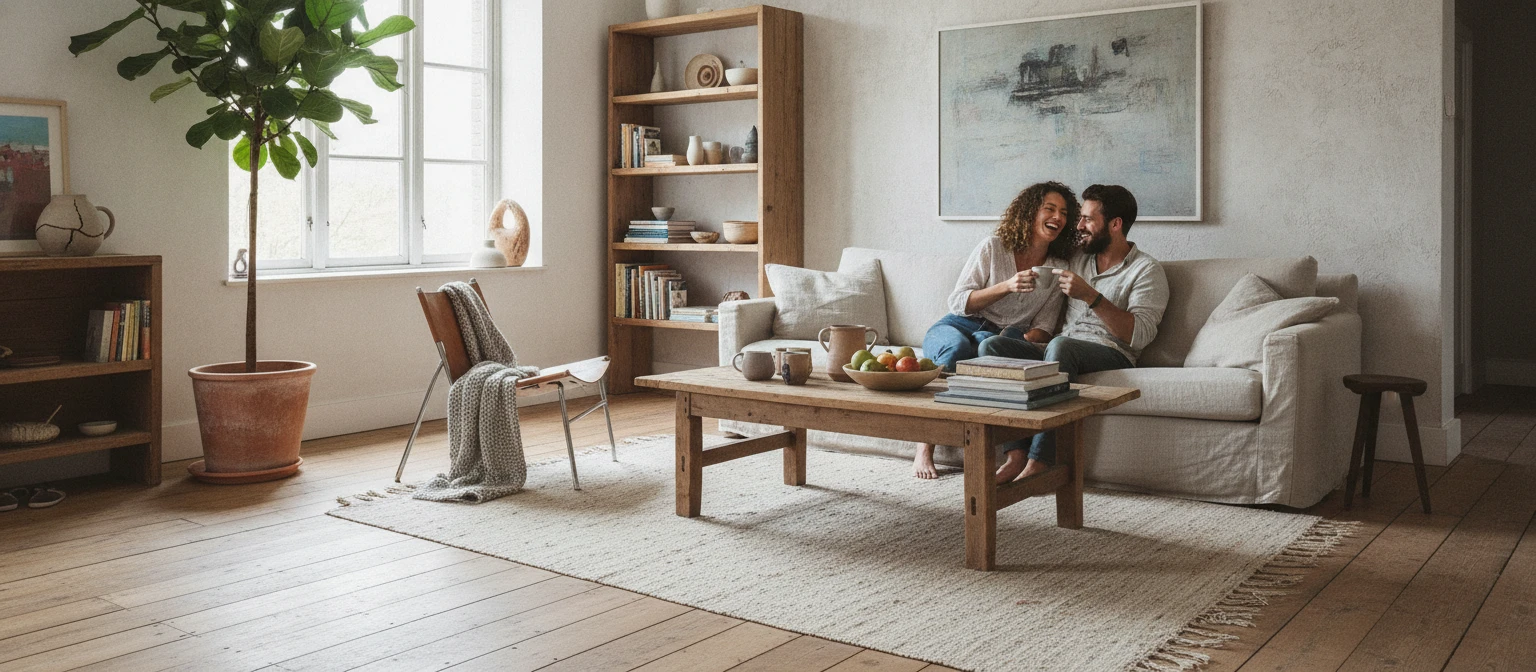
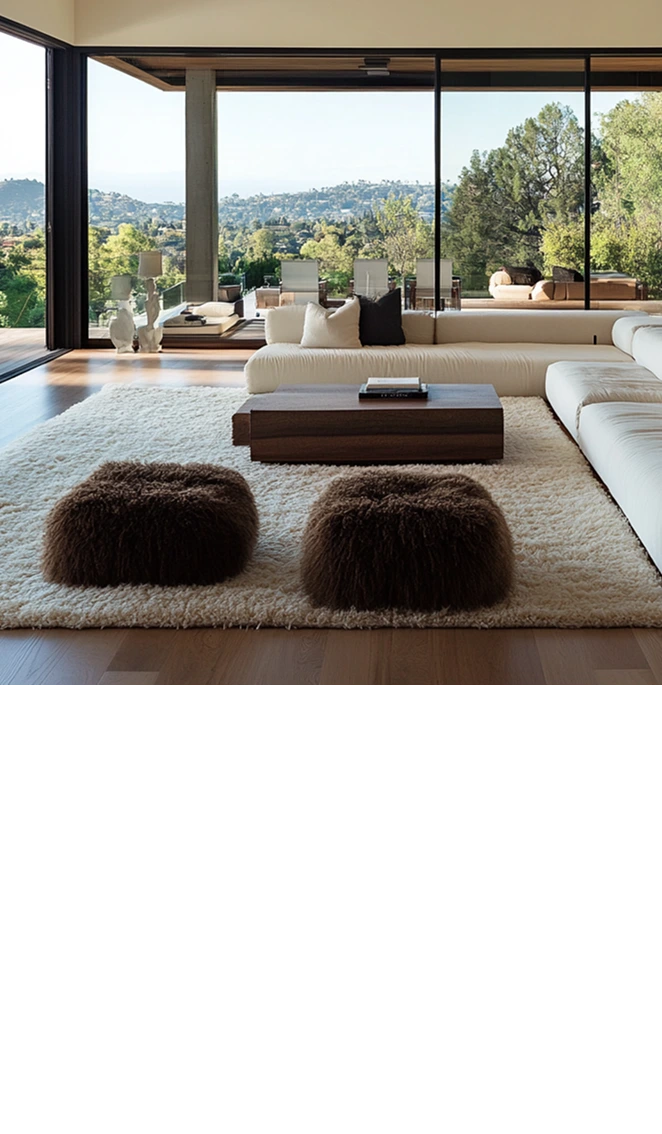
To illustrate how designers create luxury through material restraint, one can look at the contemporary minimalist movement, which has gained significant traction in recent years. This movement champions clean lines and uncluttered spaces, often utilizing a limited color palette and a few carefully chosen materials. For instance, high-end furniture brands are now opting for natural woods, metals, and textiles that speak to the quality and craftsmanship of their products rather than flashy embellishments. Brands like Muji and Nitori exemplify this ethos by offering furniture and home accessories that prioritize functionality while still conveying a sense of elegance. These products often feature understated designs, allowing the materials themselves to shine. Furthermore, in the realm of fashion, designers are increasingly eschewing ostentatious designs in favor of timeless pieces made from luxurious fabrics like cashmere and silk. This strategy not only elevates the product but also appeals to a consumer base that values sustainability and ethical production processes. By showcasing fewer materials but investing in their quality, designers can create items that are cherished for their beauty and craftsmanship, reinforcing the notion that true luxury often lies in simplicity and intentionality.
In summary, the concept of luxury is evolving, and designers are at the forefront of this transformation by embracing material restraint. By focusing on a few high-quality materials, they can create spaces and products that are not only visually appealing but also rich in meaning and sustainability. This approach resonates with a growing audience that appreciates the subtleties of design and values the stories behind each piece. As the industry continues to shift towards minimalism and ethical practices, aspiring designers should consider how they can incorporate these principles into their work. Embracing material restraint can lead to innovative designs that reflect contemporary values while maintaining a luxurious feel. Moving forward, those involved in design, whether in fashion, interiors, or product development, should focus on the harmony between simplicity and sophistication, ensuring that luxury remains accessible and relevant in our rapidly changing world.
TRENDING NOW
How Texture and Color Work Together to Shape Human Experience