December 12, 2025
Earthy Palettes Are Back: How to Style Warm Neutrals in Contemporary Homes
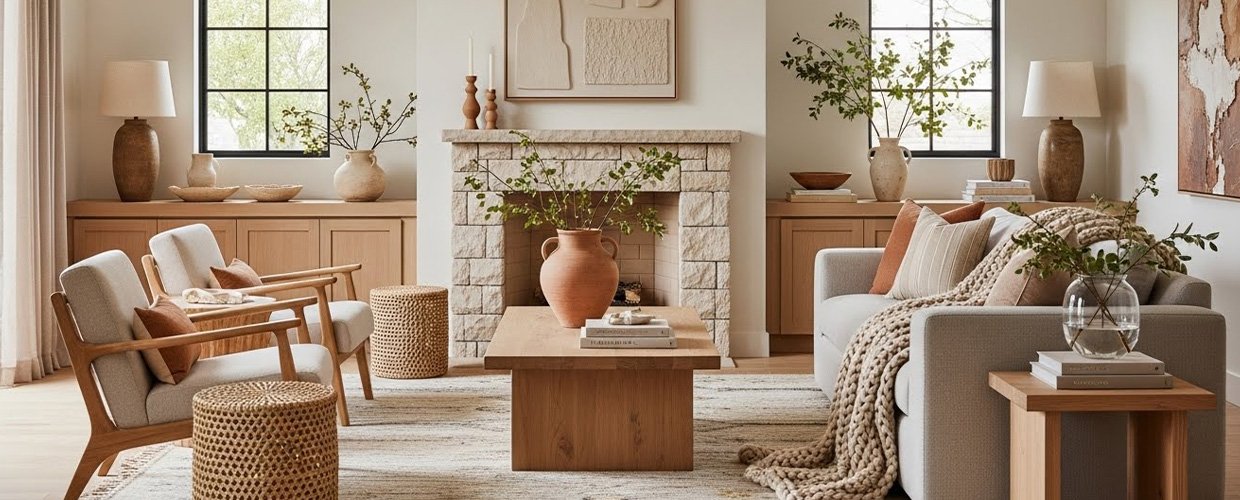
In the ever-evolving world of interior design, trends come and go, but some styles have a timeless allure that keeps them relevant across decades. One such trend making a significant comeback is the use of earthy palettes, particularly warm neutrals, in contemporary homes. These colors, inspired by nature, bring a sense of calm and serenity, creating spaces that are both inviting and sophisticated. At AB Concepts, we believe in ‘The Poetry of Space,’ where each design element tells a story. Warm neutrals, with their subtle elegance, are perfect for crafting environments that speak to the soul and elevate everyday living. This resurgence of earthy tones is not just about aesthetics; it’s about creating a harmonious balance between modern design and the natural world. As homeowners increasingly seek refuge from the fast-paced digital age, interiors that reflect the tranquility of nature are more desirable than ever. Whether it’s the soft beige of sandy beaches or the rich terracotta of desert landscapes, these hues offer a versatile foundation that complements various styles and personal tastes. For our discerning clientele in Miami and beyond, who appreciate refined aesthetics and meaningful spaces, embracing earthy palettes is a way to transform their homes into personal sanctuaries. This article explores how to effectively incorporate warm neutrals into contemporary settings, ensuring that each space is both timeless and tailored to individual lifestyles. By understanding the nuances of these colors and how they interact with different textures and materials, you can create a home that not only looks beautiful but also feels deeply personal and connected to the natural world.
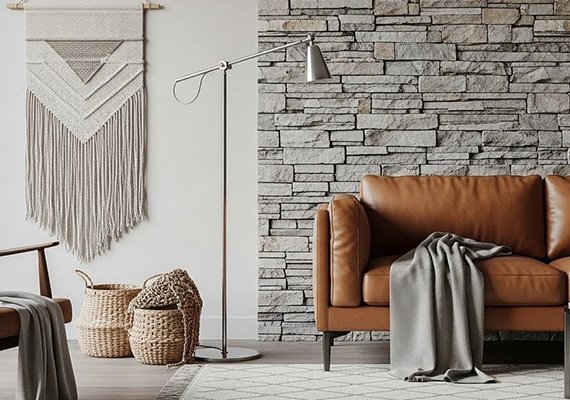
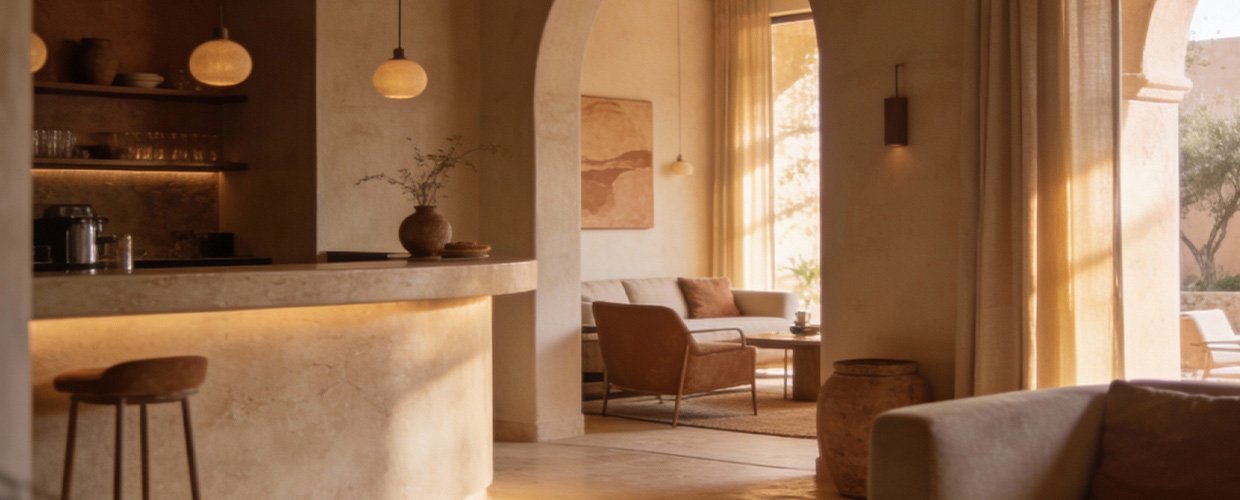
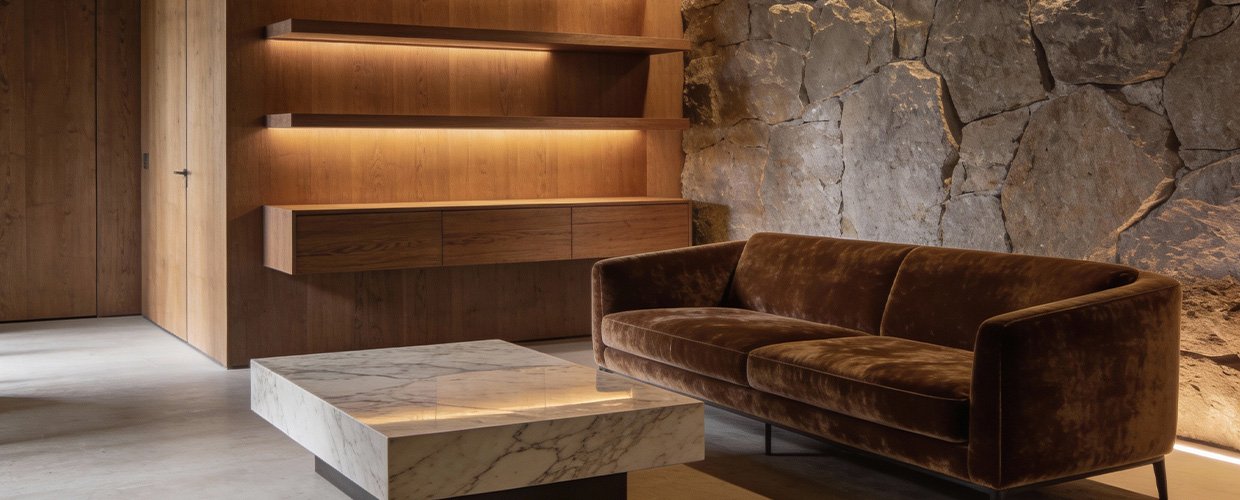
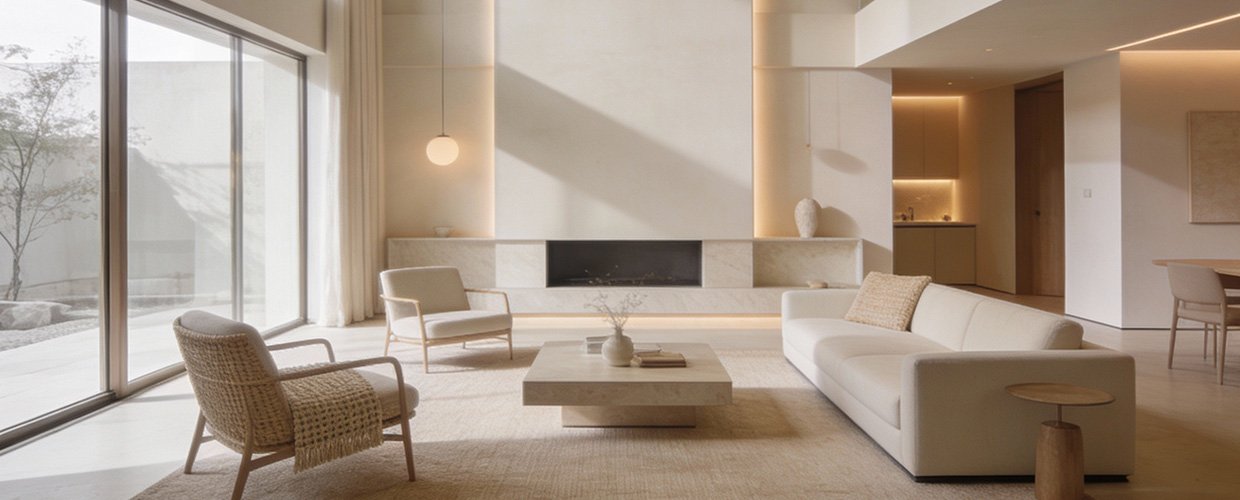
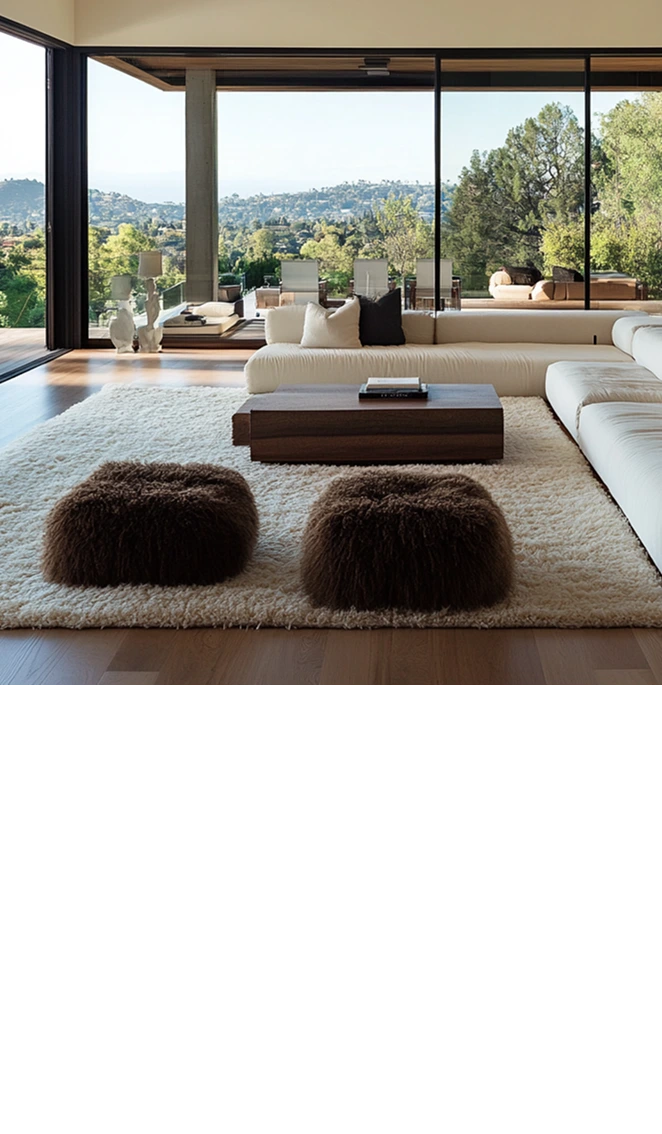
he resurgence of earthy palettes in contemporary home design is more than just a trend; it’s a reflection of a broader desire to reconnect with nature. Warm neutrals, such as soft browns, muted greens, and gentle taupes, are foundational to this style. They provide a versatile backdrop that can be easily adapted to various design elements, from furniture and textiles to art and accessories. One of the key advantages of using these colors is their ability to create a sense of continuity and flow within a space. By choosing a cohesive palette of warm neutrals, you can seamlessly connect different rooms, making your home feel larger and more harmonious. This is particularly beneficial in open-plan living spaces, where maintaining a consistent aesthetic is crucial. Additionally, warm neutrals are incredibly versatile, working well with both modern and traditional design elements. For instance, pairing a taupe wall with sleek, minimalist furniture can create a chic, contemporary look, while the same wall can serve as the perfect backdrop for vintage or rustic pieces, adding depth and character to the space. When styling with warm neutrals, texture becomes an essential element. Incorporating a variety of materials, such as wood, stone, and woven fabrics, adds dimension and interest to a room. These textures not only enhance the earthy feel but also create a tactile experience that invites touch and interaction. Lighting also plays a critical role in bringing out the richness of warm neutrals. Natural light is ideal, highlighting the subtle variations in tone and creating a dynamic play of light and shadow. In the absence of abundant natural light, strategically placed lamps and fixtures can enhance the warmth and depth of these colors. By understanding and utilizing these design principles, you can create a contemporary home that is not only stylish but also a true reflection of your personal connection to the natural world.
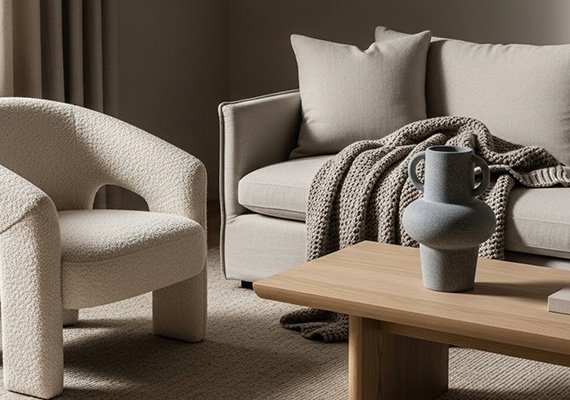
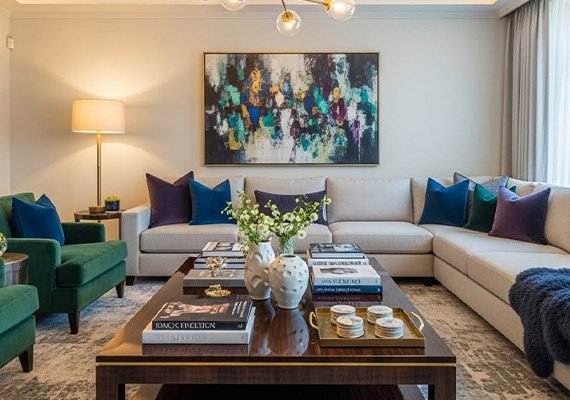
In conclusion, the return of earthy palettes and warm neutrals in contemporary home design offers a unique opportunity to create spaces that are both stylish and deeply personal. These colors, inspired by the natural world, bring a sense of calm and sophistication, making them ideal for crafting environments that elevate everyday living. By embracing warm neutrals, homeowners can achieve a timeless aesthetic that seamlessly integrates with various design elements and personal tastes. Key strategies for successfully incorporating these hues include maintaining a cohesive color palette, experimenting with textures, and utilizing lighting to enhance the depth and warmth of the space. Whether you’re designing an open-plan living area or a cozy bedroom retreat, earthy palettes provide a versatile foundation that can adapt to changing trends and personal preferences. For those who value refined aesthetics and meaningful spaces, this approach not only enhances the visual appeal of a home but also fosters a deeper connection to nature and a more serene living experience. As you embark on your design journey, remember that each element should contribute to the overall narrative of your space, reflecting your unique style and lifestyle. By doing so, you can transform your home into a sanctuary that resonates with the poetry of space, where every corner tells a story and every color evokes a sense of belonging.
TRENDING NOW