Designing Spaces That Feel Larger Through Color Choices
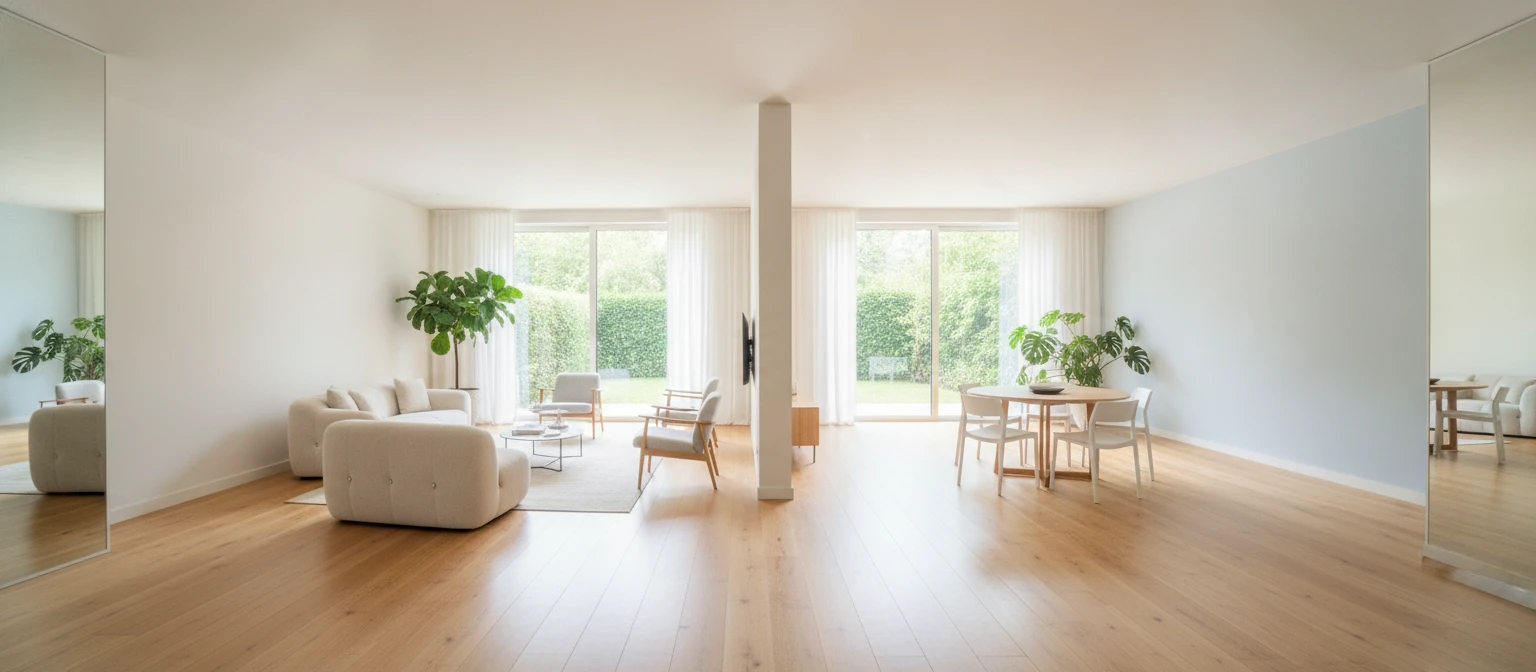
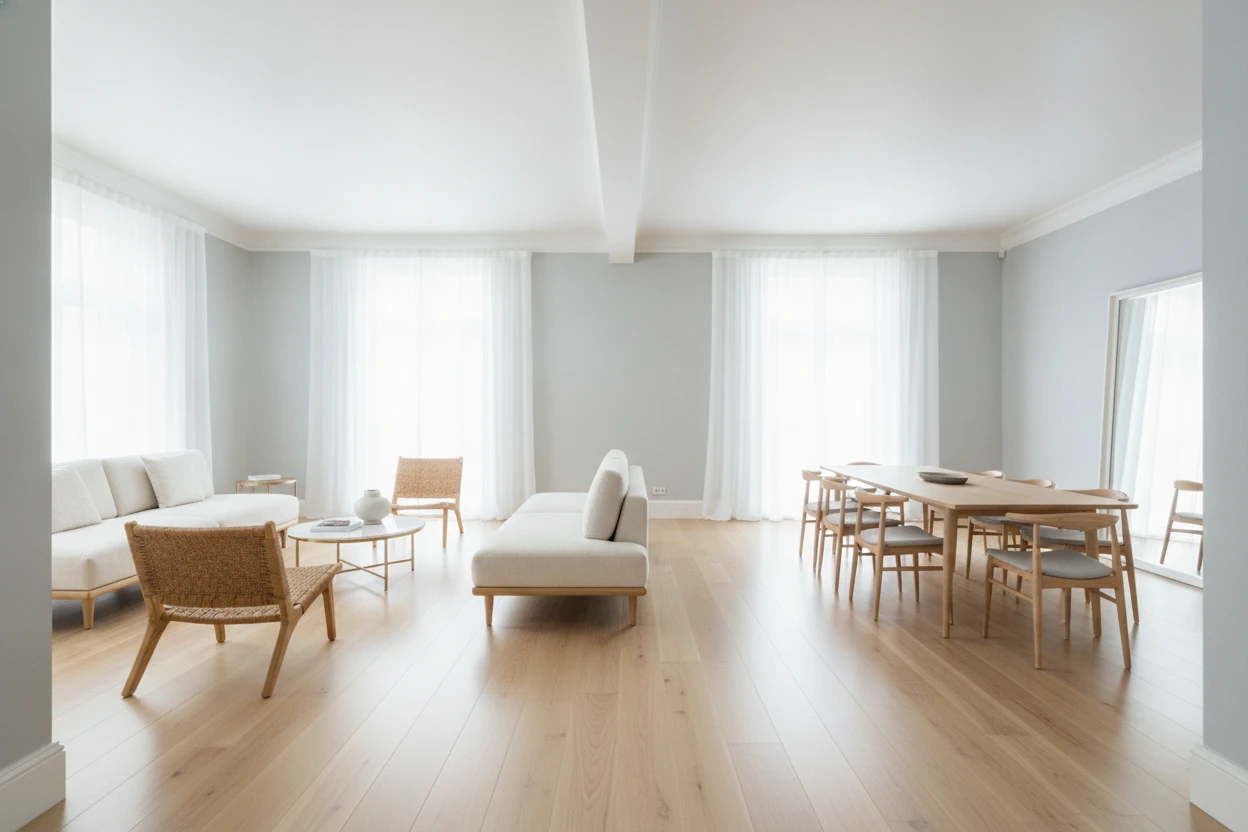
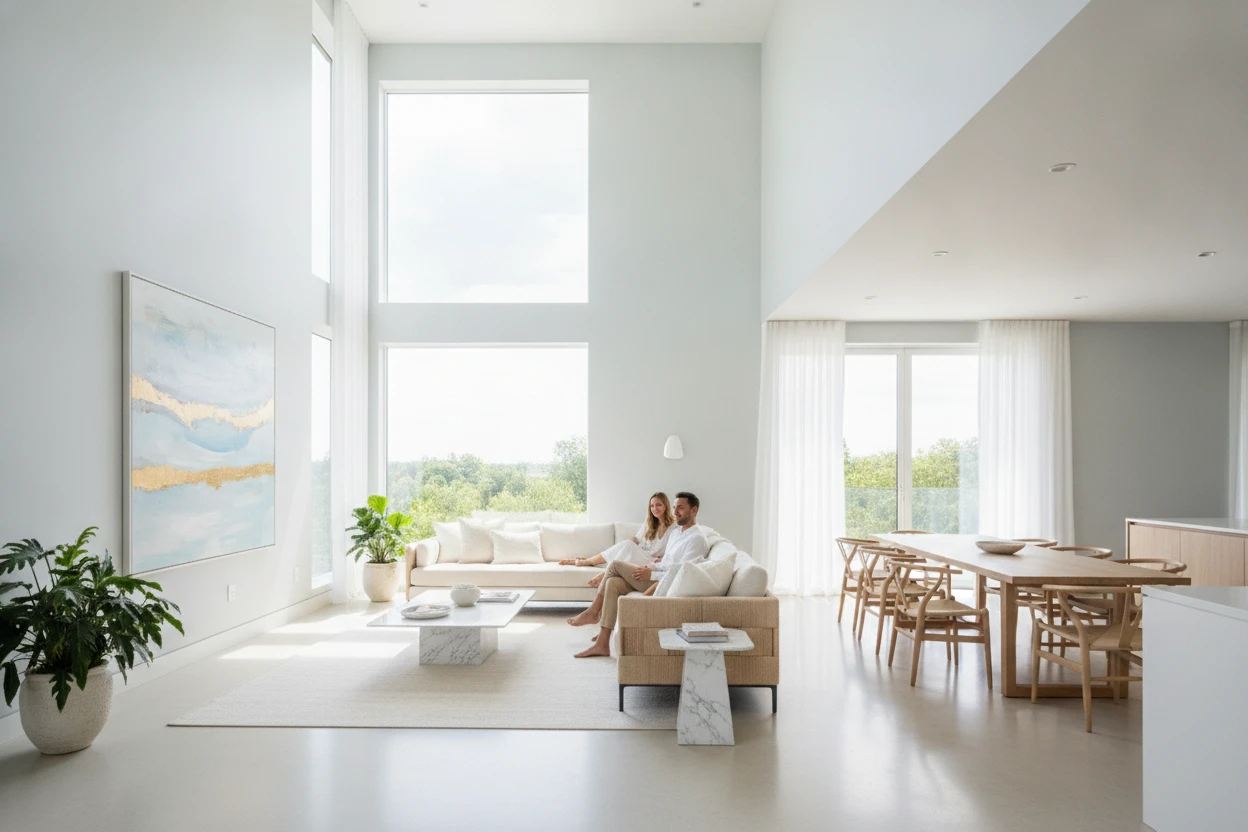
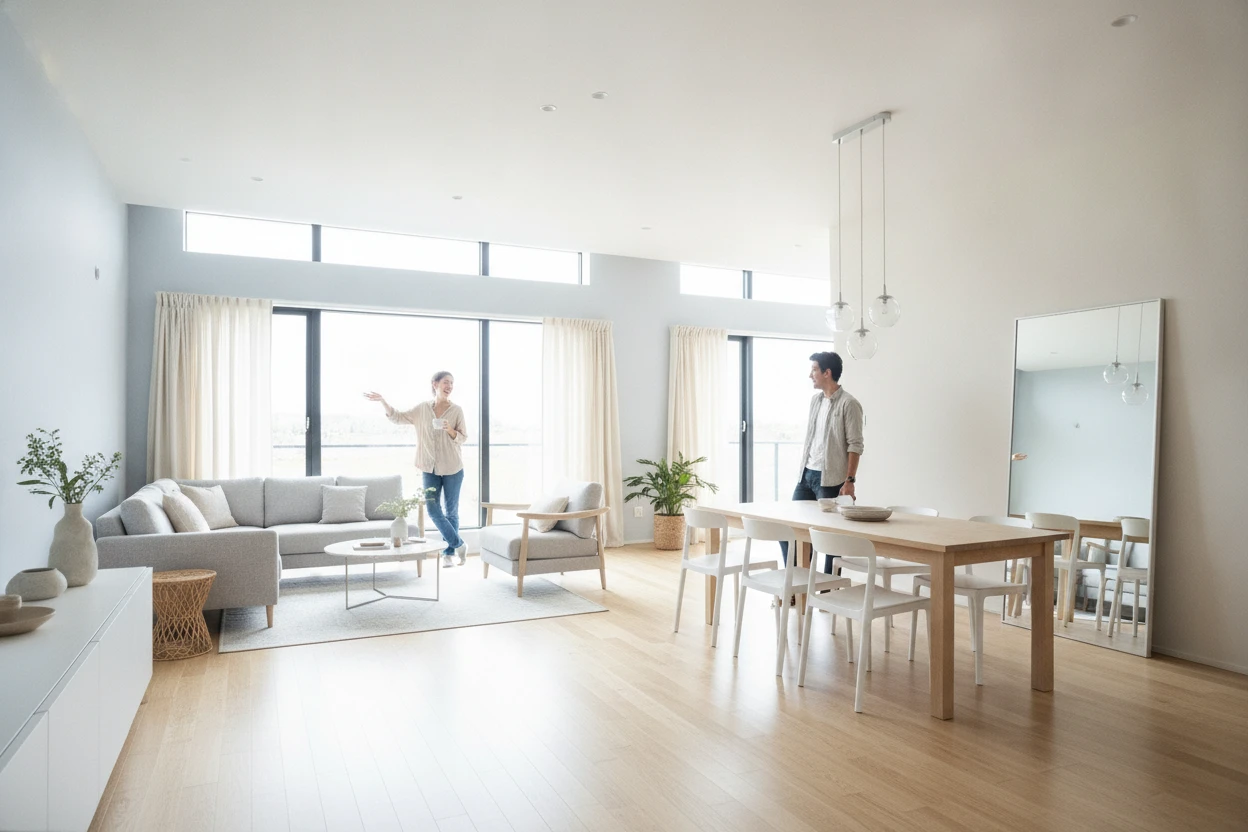
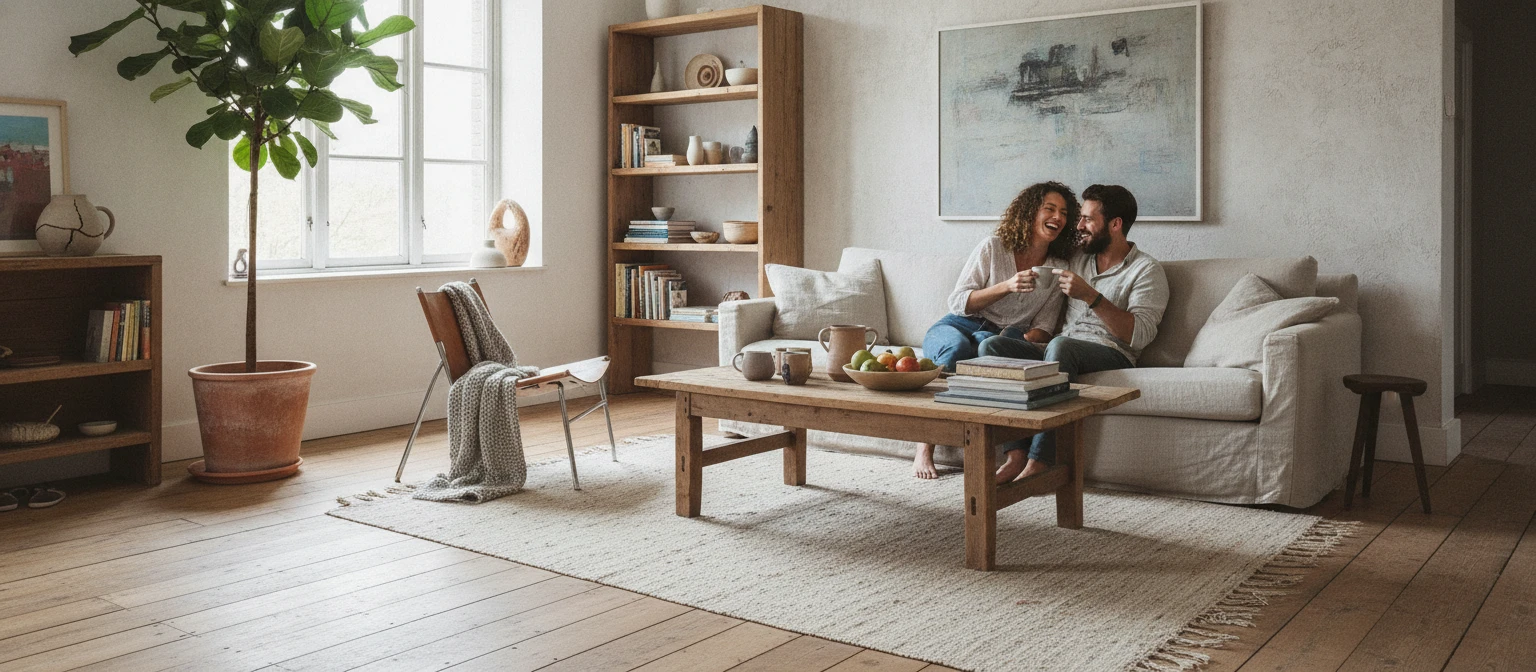
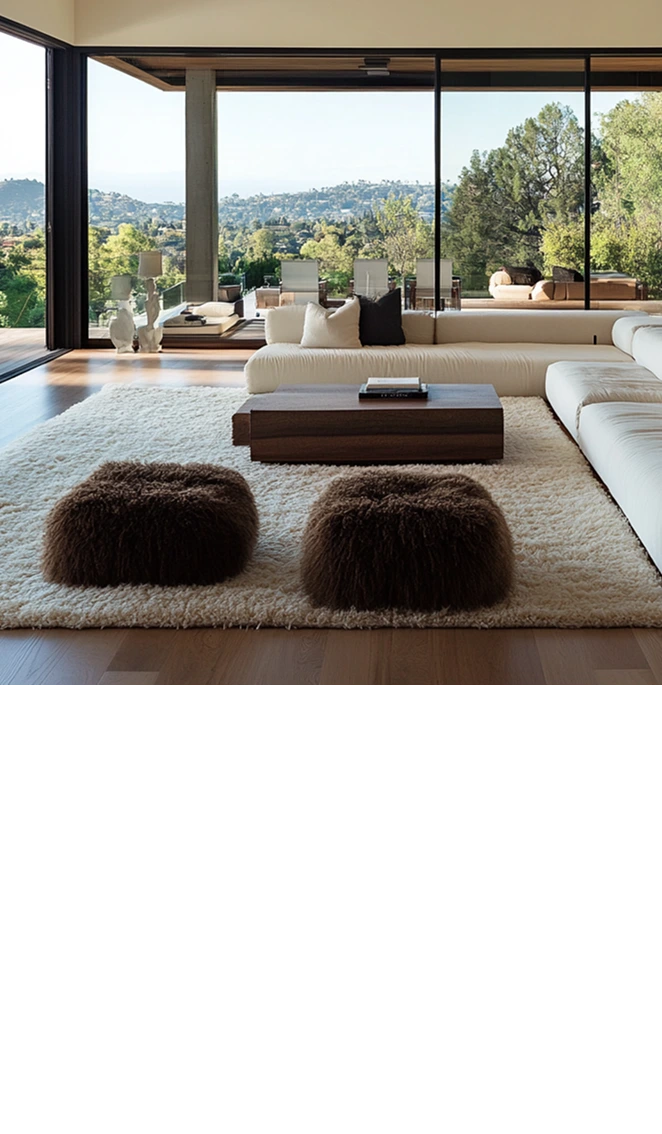
Designing spaces that feel larger through color and material choices is an art that combines aesthetic appeal with psychological perception. Color plays a crucial role in how we perceive space; lighter shades tend to open up an area, creating an illusion of breadth and airiness. For instance, using soft whites, pale blues, and gentle pastels can make a room feel like it is expanding beyond its physical boundaries. Additionally, the materials chosen for floors, walls, and furnishings can greatly impact the overall spaciousness of a space. Reflective materials like glass and high-gloss finishes can bounce light around, contributing to a more expansive feel. The strategic use of color and material can transform a compact room into a vibrant and inviting environment, making it not just visually appealing but also more functional. Understanding the psychological effects of colors and the textural qualities of materials can help homeowners and designers create spaces that not only look larger but also promote a sense of well-being and comfort. Thus, mastering these elements can lead to a more enjoyable living experience, making it an essential aspect of interior design.
When it comes to designing spaces that feel larger through color and material choices, careful planning and execution are essential. One effective technique is to create a monochromatic color scheme, where varying shades of a single color are used throughout the space. This approach can create a seamless flow, avoiding visual interruptions that can make a room feel cramped. Additionally, incorporating vertical lines through paint, wallpaper, or even furniture can draw the eye upward, enhancing the perceived height of a room. Choosing lighter flooring materials, such as pale wood or light-colored tiles, can also make a substantial impact. These materials reflect more light, contributing to an overall brighter atmosphere. Furthermore, the use of multi-functional furniture pieces can help declutter the space, making it seem more open and inviting. For instance, a coffee table with built-in storage can reduce the need for additional furniture, while open shelving can display items without overcrowding surfaces. By combining these strategies with thoughtful color palettes and material selections, you can significantly enhance the sense of space in any area, leading to a more comfortable and enjoyable home environment.
In summary, designing spaces that feel larger through color and material choices involves a thoughtful approach to both aesthetics and functionality. By selecting lighter colors and reflective materials, homeowners can create an illusion of spaciousness that enhances the overall experience of the space. Additionally, using design techniques like monochromatic schemes and vertical lines can further maximize the perception of height and width. As you plan your next interior design project, consider these insights and strategies to create a more open and inviting environment. Remember that the goal is not just to make a room appear larger, but to create a harmonious living area that promotes comfort and well-being. Future considerations could involve experimenting with different textures and integrating natural light sources, such as mirrors and strategic window placements, to further enhance the open feel of your spaces. Ultimately, understanding how color and material choices affect perception can lead to beautiful and functional interiors.
TRENDING NOW
How Texture and Color Work Together to Shape Human Experience