January 16, 2026
Color Temperature 101: How Warm and Cool Tones Shape Interior Atmospheres
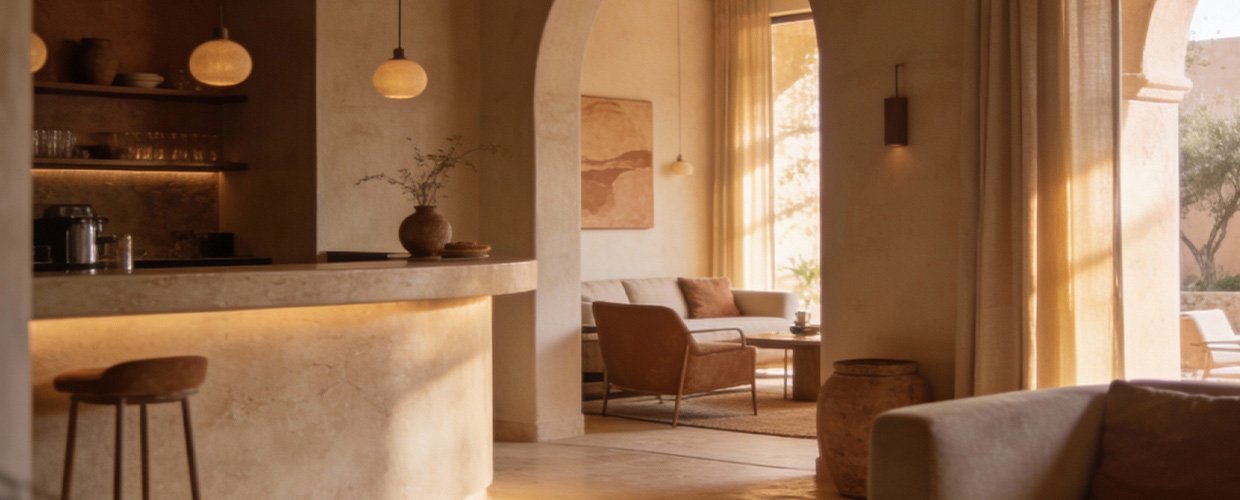
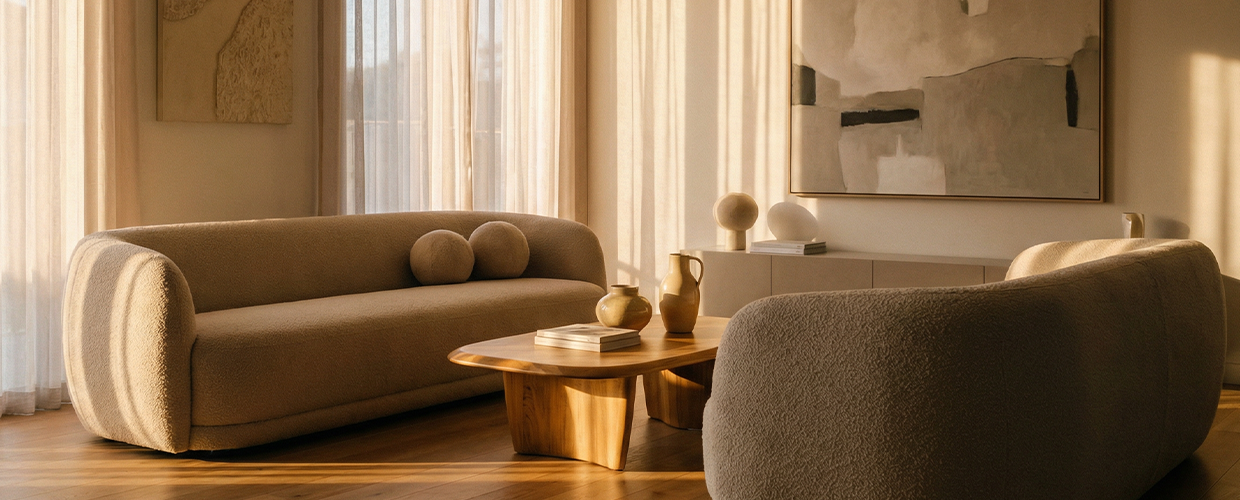
In the realm of luxury interior design, the interplay of color temperature is a subtle yet powerful tool that shapes the essence of a space. At AB Concepts, where the poetry of space is crafted into every design, understanding how warm and cool tones influence interior atmospheres is pivotal. Color temperature, a term borrowed from physics, refers to the warmth or coolness of a hue and is measured in Kelvin. This seemingly technical aspect of design transcends mere aesthetics, delving into the psychological and emotional responses elicited by different tones. The luxury hospitality and residential sectors, where our expertise lies, demand a nuanced approach to color. Here, color temperature is not merely a backdrop but an active participant in the storytelling of a space. Warm tones, reminiscent of sunlight and fire, evoke feelings of comfort and intimacy, making them ideal for spaces designed for relaxation and social interaction. In contrast, cool tones, akin to water and sky, instill a sense of calm and tranquility, perfect for areas intended for concentration and reflection. As design-conscious decision-makers seek to create environments that are not only visually stunning but also deeply personal and timeless, the strategic use of color temperature becomes indispensable. This article delves into the profound impact of warm and cool tones on interior atmospheres, offering insights into how they can be harnessed to elevate everyday living. By exploring the narrative potential of color, we aim to guide you through the intricacies of creating spaces that resonate with the soul, ultimately transforming the ordinary into the extraordinary.
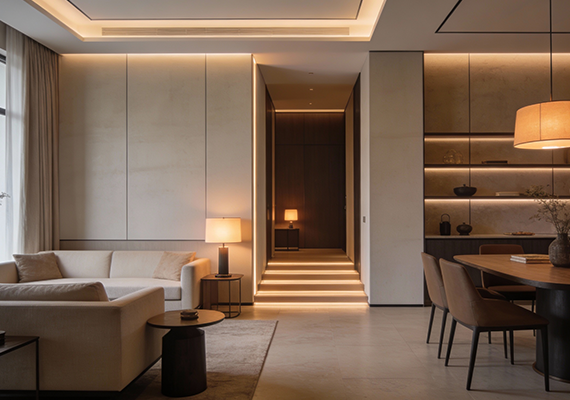
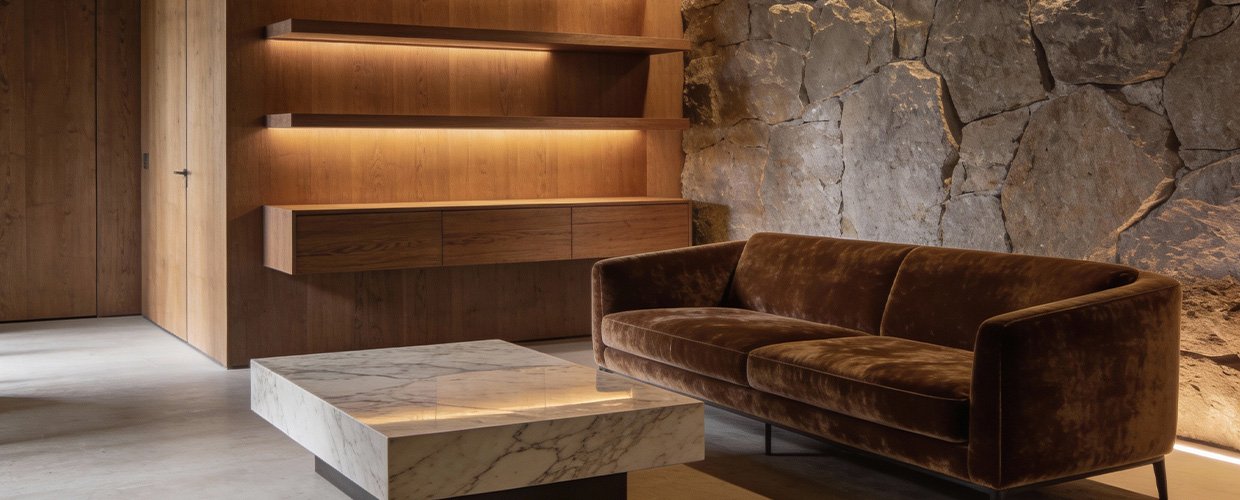
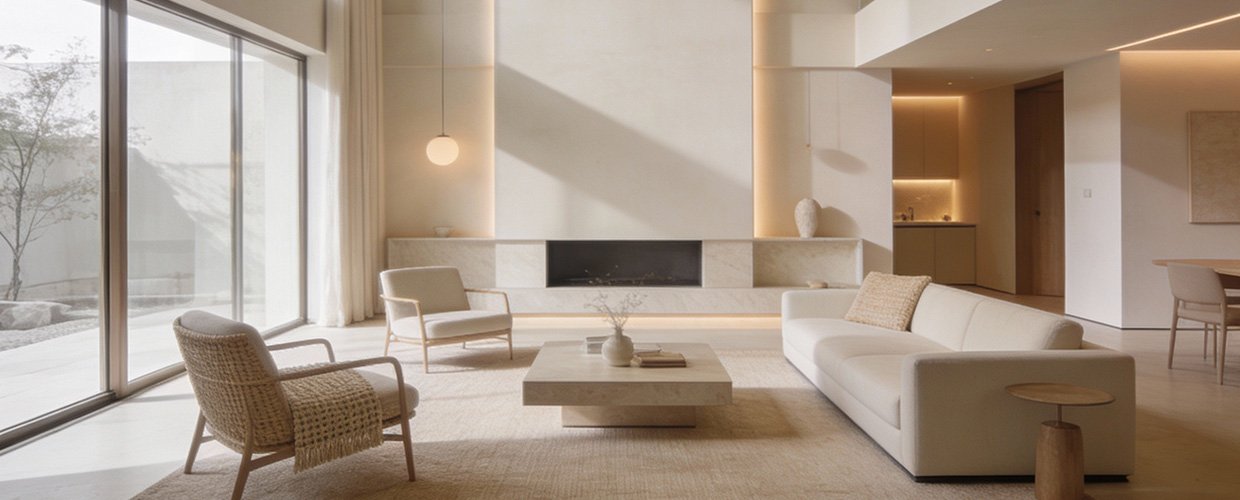
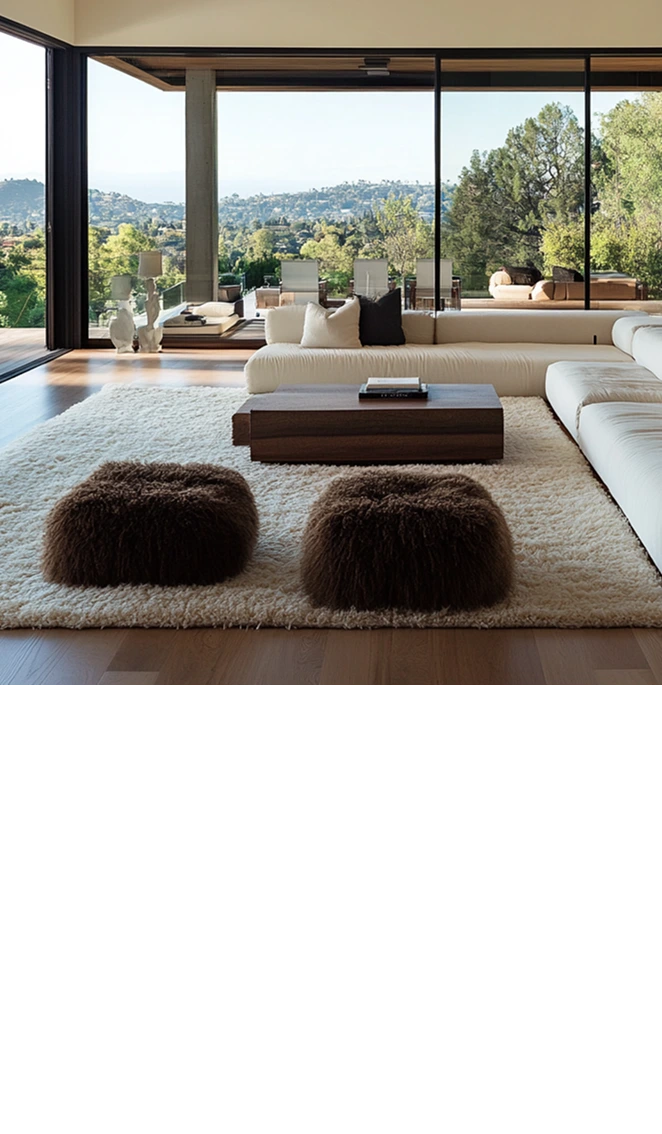
Color temperature plays a critical role in the design narrative, influencing both the perception and functionality of a space. At AB Concepts, we understand that the choice between warm and cool tones is not simply a matter of preference but a deliberate decision that impacts the atmosphere and experience of an interior. Warm tones, which range from deep reds and oranges to soft yellows, carry an inherent vibrancy that can make a space feel inviting and energizing. These colors are often utilized in hospitality settings such as hotel lobbies and dining areas, where creating a welcoming and dynamic environment is crucial. For residential spaces, warm tones can transform living rooms or kitchens into hubs of activity and warmth, fostering a sense of community and engagement. On the other hand, cool tones, including blues, greens, and purples, offer a serene and soothing ambiance. These colors are frequently chosen for bedrooms, spas, and lounges, where relaxation and tranquility are paramount. The cool palette can also enhance the perception of space, making rooms appear larger and more open, a valuable asset in urban residential design. The interplay of warm and cool tones can be further enhanced by the materials and textures chosen for a space. The reflective quality of a polished marble floor, for instance, can amplify the coolness of a blue wall, while a textured wool rug can add warmth to a neutral, cool-toned room. By carefully balancing these elements, designers can craft environments that not only meet functional needs but also tell a compelling story through color and materiality.
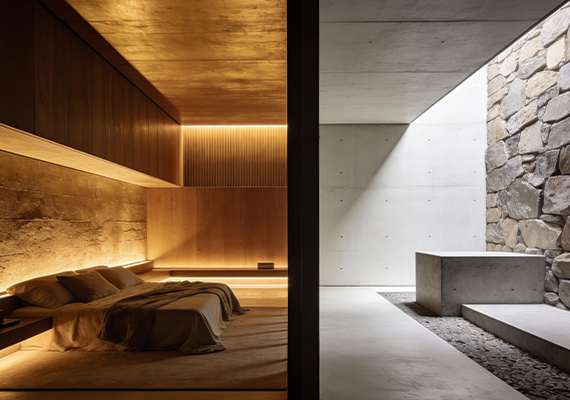
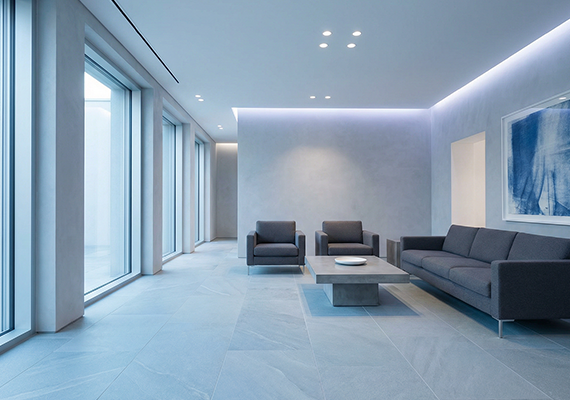
In conclusion, the strategic use of color temperature in interior design is a sophisticated art that extends beyond mere aesthetics, deeply influencing the atmosphere and experience within a space. For AB Concepts, where the poetry of space is a guiding principle, understanding the emotional and psychological impact of warm and cool tones is essential in crafting environments that are both timeless and personal. Warm tones offer vibrancy and comfort, ideal for spaces that thrive on social interaction and energy, while cool tones provide tranquility and a sense of expansiveness, perfect for areas dedicated to relaxation and introspection. The thoughtful integration of these tones, alongside textures and materials, allows for the creation of spaces that resonate on a sensory level, enhancing the narrative and elevating everyday living. As you consider the role of color in your own projects, remember that the subtle dance between warmth and coolness can transform a space, shaping not only its look but also its feel. This knowledge empowers you to create interiors that are not only visually stunning but also deeply engaging, ensuring that every space tells a unique and compelling story.
TRENDING NOW