Color Blocking in Interiors: Creative Ways to Define Space
Color blocking is a dynamic and visually striking design technique that has been gaining popularity in interior design circles. At its core, color blocking involves the use of large, solid blocks of color to create distinct areas within a space. This method not only adds vibrancy and personality to interiors but also serves as an effective tool for defining and organizing space. In the world of interior design, where the interplay of colors can dramatically alter the perception of a room, color blocking stands out as a powerful strategy for both aesthetic enhancement and functional space delineation. For homeowners and business owners alike, understanding the potential of color blocking can transform ordinary spaces into extraordinary environments. This technique is particularly relevant for those who seek to infuse their spaces with a sense of individuality and creativity. By strategically applying contrasting colors, designers can highlight architectural features, create focal points, and even influence the mood and perceived size of a room. As we delve deeper into the nuances of color blocking, we will explore various creative ways this technique can be employed to define space, offering insights and inspiration for those looking to elevate their interior design game. Whether you’re revamping a living space or designing a commercial environment, the principles of color blocking can be adapted to suit a wide range of styles and preferences, making it a versatile choice for any design project.
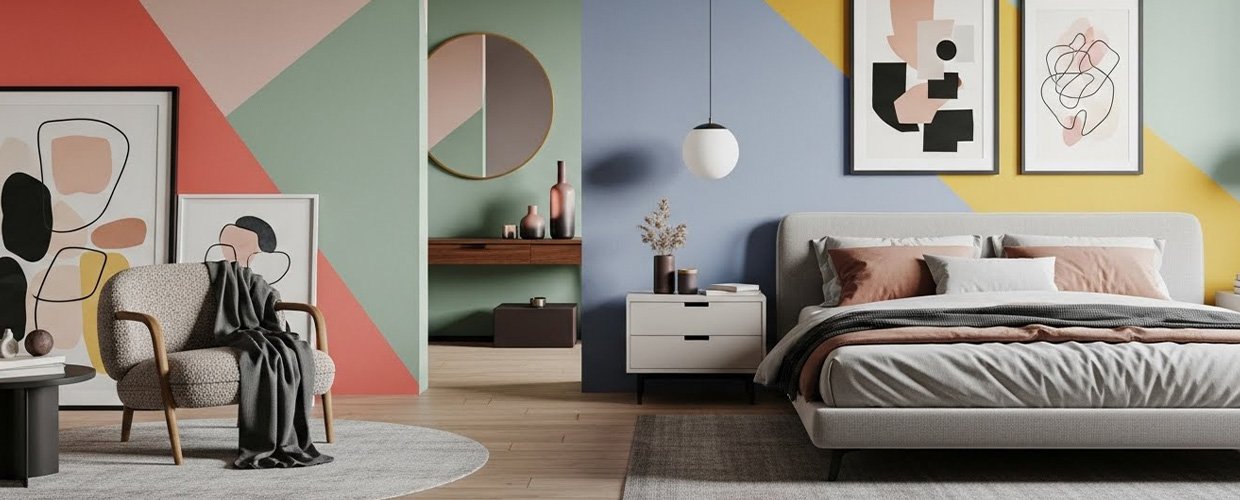
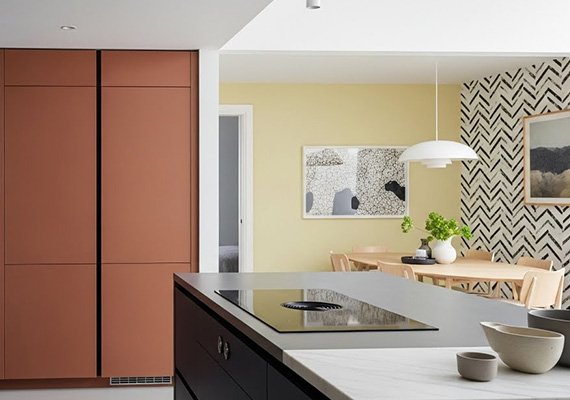
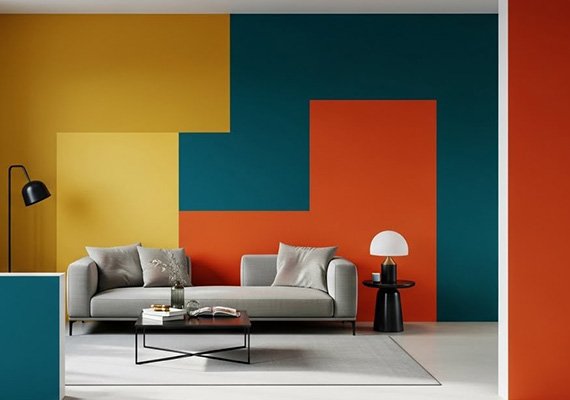
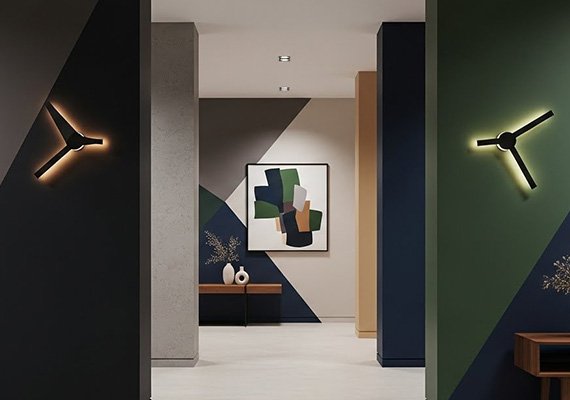
The art of color blocking in interiors involves more than just putting contrasting colors next to each other; it requires a thoughtful approach to color theory and spatial dynamics. When executed skillfully, color blocking can redefine how a space is perceived and used. For instance, in open-plan homes where distinct rooms are not separated by walls, color blocking can create the illusion of separate areas, each with its own purpose and ambiance. By using bold colors to delineate spaces, one can guide the flow of movement and direct attention to key areas within a room. Consider a vibrant blue wall that frames a reading nook or a striking red accent that draws focus to a dining area. These examples illustrate how color can be used to enhance functionality while also adding an element of surprise and interest. Furthermore, color blocking can be adapted to suit different design styles, from minimalist to eclectic, by varying the intensity and combination of colors used. For minimalist spaces, subtle pastel blocks can provide a gentle division without overwhelming the simplicity of the design. In contrast, a more eclectic approach might involve a mix of bold hues that reflect the owner’s personality and taste. The versatility of color blocking lies in its ability to transform spaces without the need for structural changes, making it an accessible and cost-effective solution for those looking to refresh their interiors.
In summary, color blocking is a versatile and impactful design technique that offers a myriad of possibilities for defining and enhancing spaces. By strategically applying blocks of color, designers and homeowners can create visually distinct areas that serve both aesthetic and functional purposes. This technique is particularly beneficial in open-plan settings, where it can create the illusion of separate rooms and guide the flow of movement. Additionally, color blocking can be tailored to fit various design styles, from minimalist to eclectic, allowing for personalized expression in any interior. As we have explored, the key to successful color blocking lies in understanding color theory and the spatial dynamics of a room. By considering the mood, function, and architectural features of a space, one can use color blocking to highlight, divide, and transform interiors in creative ways. For those seeking to elevate their living or working environments, embracing the principles of color blocking can lead to spaces that are not only visually engaging but also deeply personal and functional. As you embark on your design journey, remember that color is a powerful tool—use it wisely to tell your unique story through the poetry of space.
TRENDING NOW
Curated Color Palettes for Boutique Hospitality Spaces