How Texture and Color Work Together to Shape Human Experience
Understanding how texture and color work together to shape human experience is crucial in various fields, including design, psychology, and art. These two elements are not merely aesthetic; they play significant roles in influencing our emotions, perceptions, and behaviors. Texture can evoke feelings of warmth, comfort, or harshness, while color can alter our mood and perception of space. For instance, a rough texture can convey ruggedness and durability, making it ideal for outdoor settings, whereas smooth textures often suggest elegance and sophistication, suitable for upscale environments. Similarly, colors have psychological impacts; warm colors like red and orange can evoke excitement and energy, while cooler colors like blue and green can induce calmness and serenity. By understanding how these elements interact, professionals in design and marketing can create more effective environments and products that resonate with their audience. This comprehensive exploration of texture and color reveals their profound impact on our daily lives, highlighting the importance of their thoughtful application in various contexts, from interior design to branding.
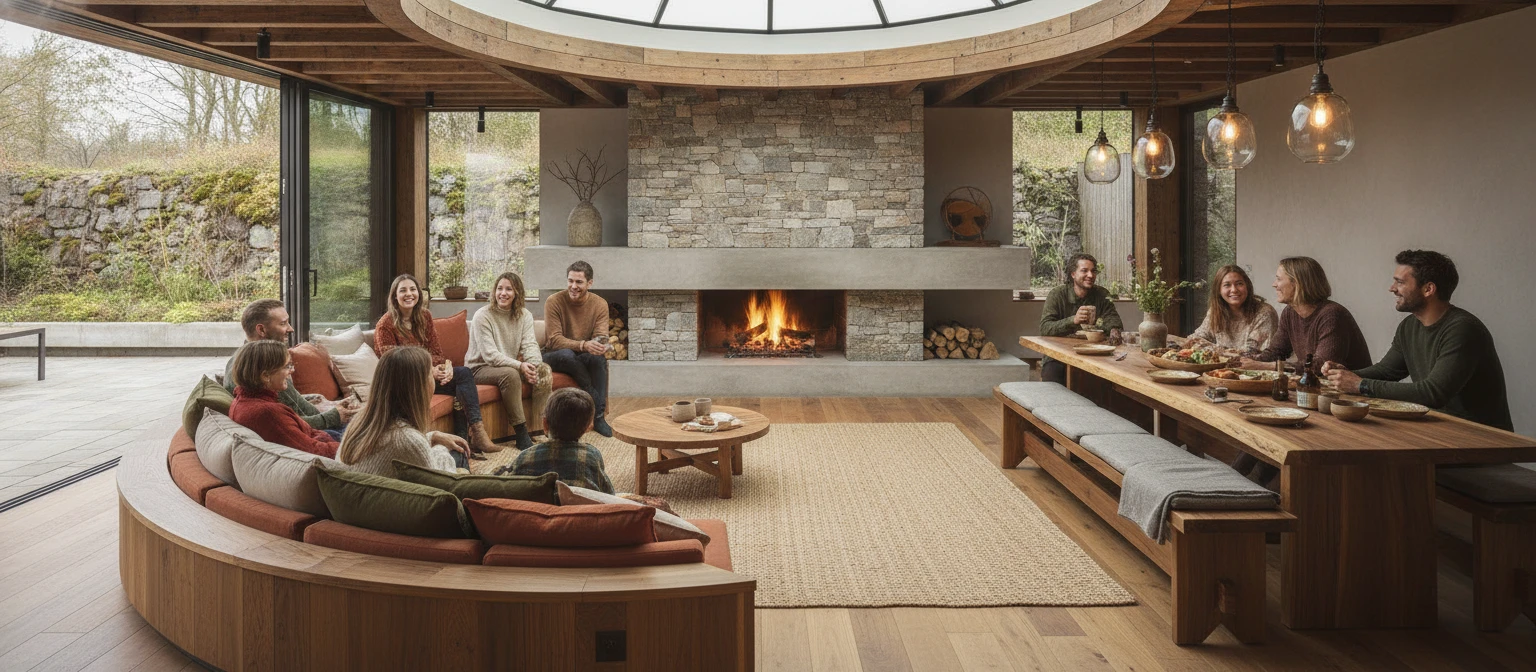
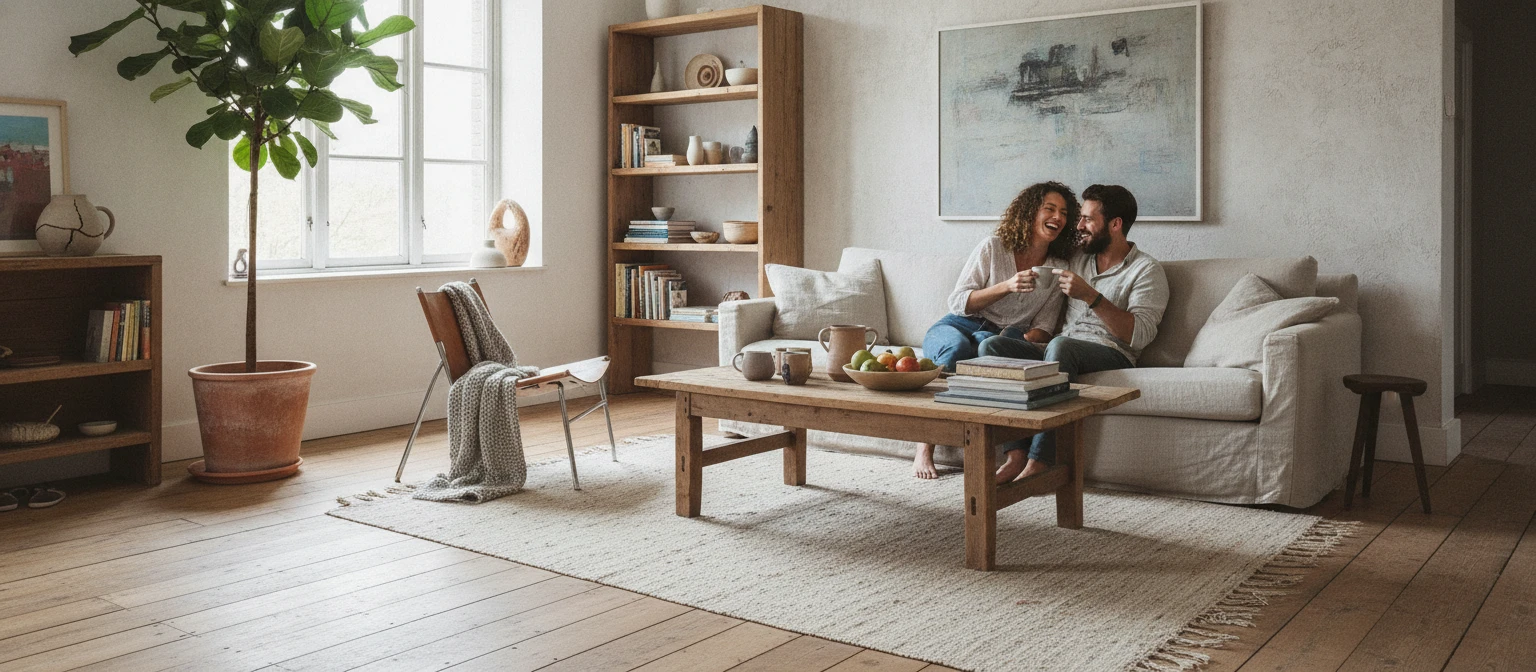
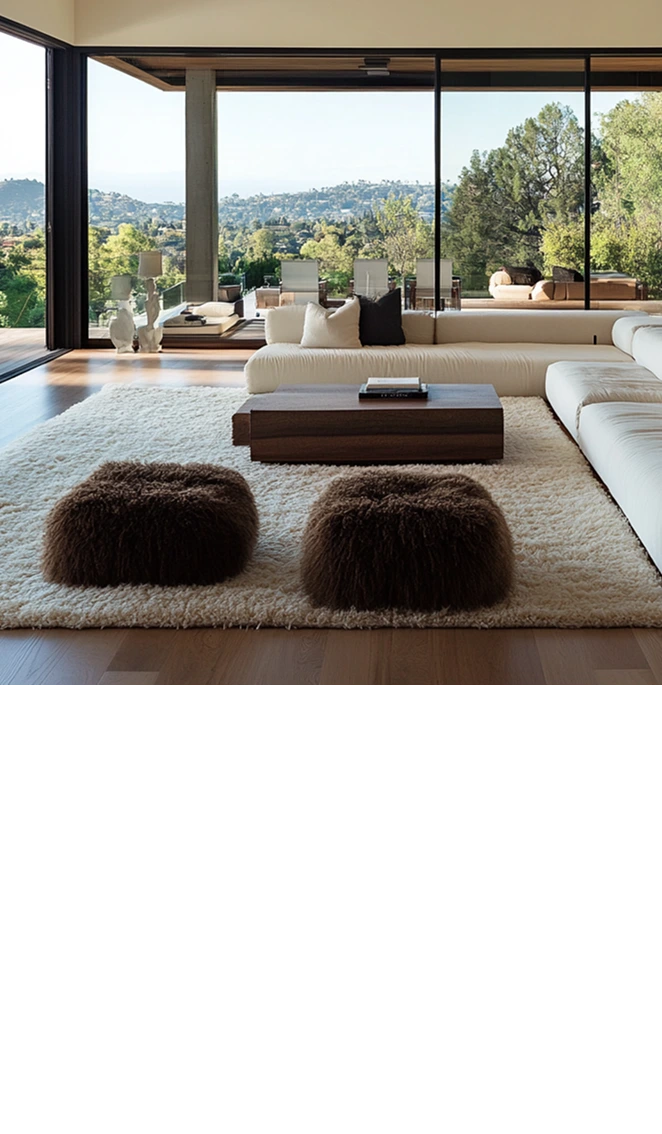
The relationship between texture and color is complex and multifaceted, influencing not just aesthetic appeal but also functionality and emotional response. For example, in interior design, the combination of textured fabrics and color schemes can drastically alter a room’s atmosphere. A space adorned with soft, pastel colors paired with plush, textured cushions can create a cozy sanctuary, inviting relaxation. Conversely, bold colors combined with sleek, glossy textures can energize a space, making it feel modern and dynamic. This interplay is not limited to physical spaces; in marketing, brands often use specific color palettes and textures in their packaging to evoke particular feelings or associations with their products. For instance, organic food brands frequently employ earthy tones and natural textures to evoke a sense of wholesomeness and sustainability. Furthermore, art often relies on the synergy between texture and color to convey complex emotions and narratives, making the viewer’s experience richer and more immersive. By analyzing how texture and color work together to shape human experience, we gain deeper insights into our emotional responses and preferences, ultimately enhancing our interactions with the world around us.
In conclusion, the study of how texture and color work together to shape human experience reveals their significant impact on our perceptions and emotions. By understanding the nuances of these elements, individuals and professionals can harness their power to create more engaging and meaningful environments, products, and art. Whether in design, marketing, or everyday life, the thoughtful integration of texture and color can enhance our experiences and emotional responses. As we move forward, it is essential to consider how these aspects influence our choices and interactions. Future research and exploration in this area can lead to innovative applications that improve our surroundings and deepen our understanding of human psychology. Embracing the synergy between texture and color not only enriches our aesthetic experiences but also enhances our overall well-being, making it a vital aspect of both personal and professional considerations.
TRENDING NOW
How Texture and Color Work Together to Shape Human Experience