Why Designers Are Embracing Imperfection in Modern Interiors
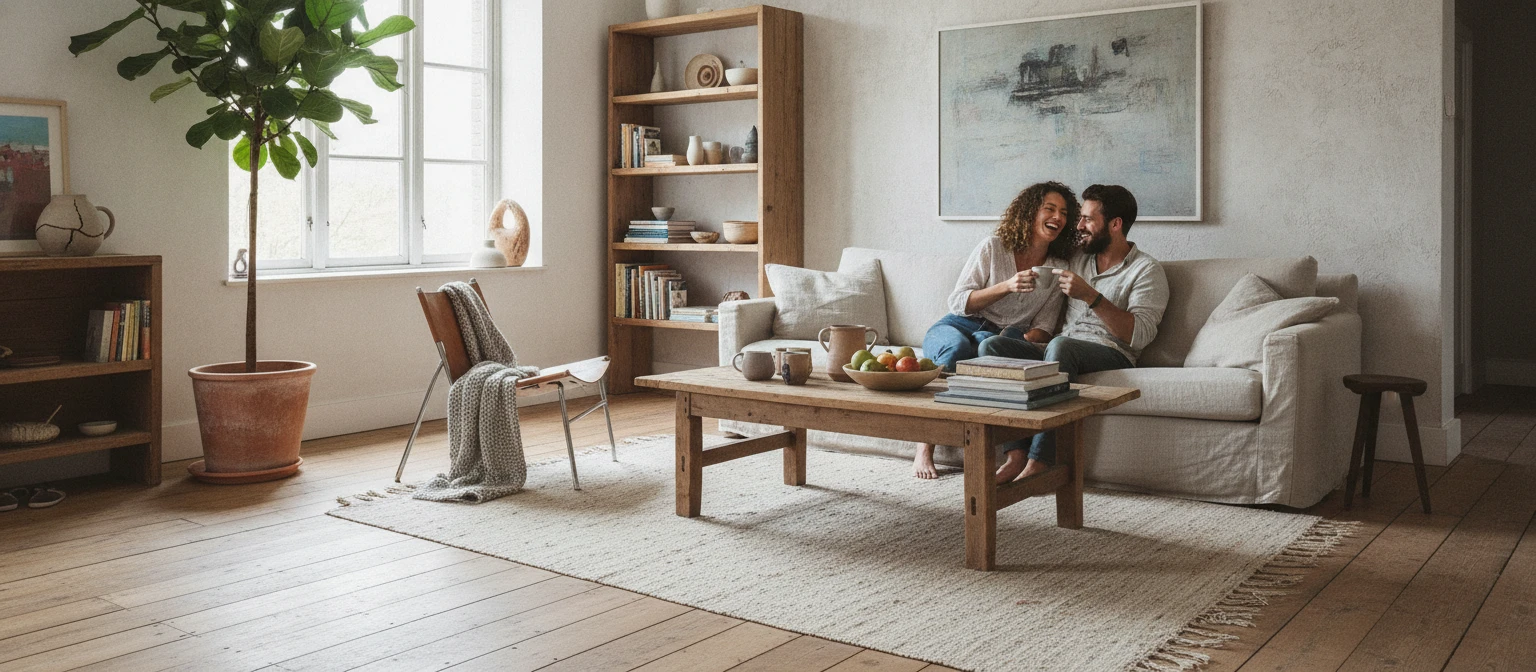
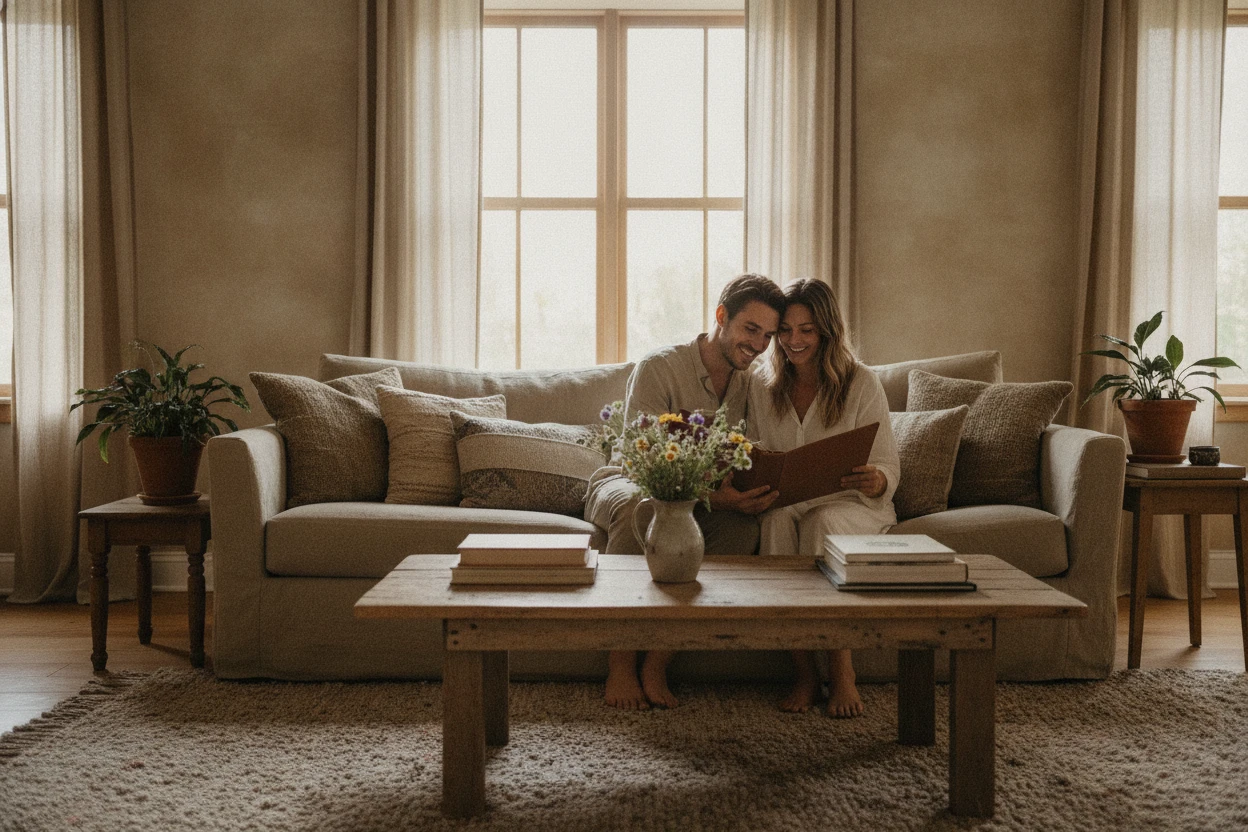
In recent years, a significant shift has occurred in the world of interior design, with many designers embracing imperfection as a core principle. This movement, often referred to as ‘Wabi-Sabi’, is rooted in the Japanese philosophy that finds beauty in the natural cycle of growth and decay. As we move further into the 21st century, the fast-paced, perfection-driven culture is being questioned, leading to a growing appreciation for authenticity and individuality in interior spaces. Imperfect designs encourage a more personal connection between the inhabitants and their environment, fostering a sense of comfort and warmth. This shift isn’t just about aesthetics; it reflects deeper societal trends such as sustainability, mental well-being, and the desire for authenticity in an increasingly digital world. By understanding ‘Why Designers Are Embracing Imperfection in Modern Interiors’, individuals can gain insights into how embracing flaws can create spaces that are not only visually appealing but also resonate with personal narratives and lived experiences. The idea of beauty being subjective is gaining traction, encouraging homeowners to curate their spaces with items that tell a story, rather than simply adhering to conventional standards of attractiveness.
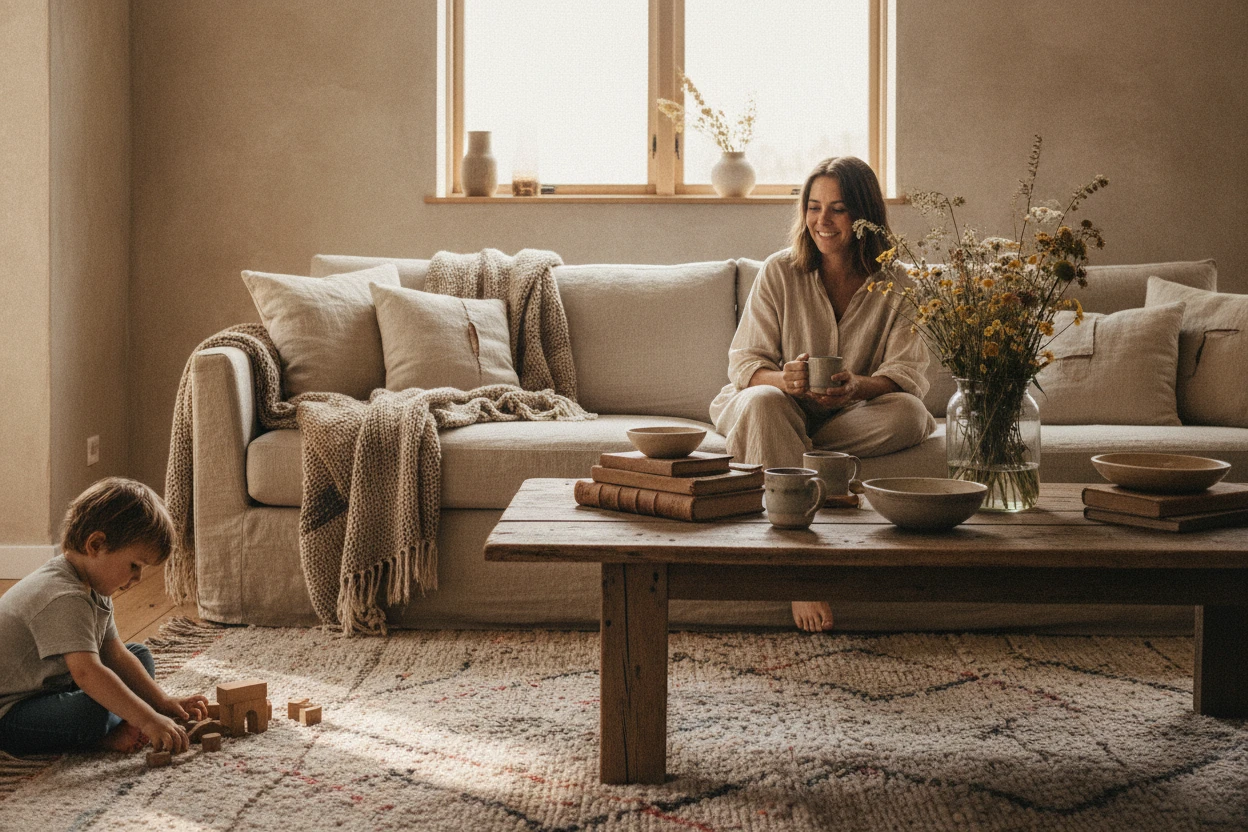
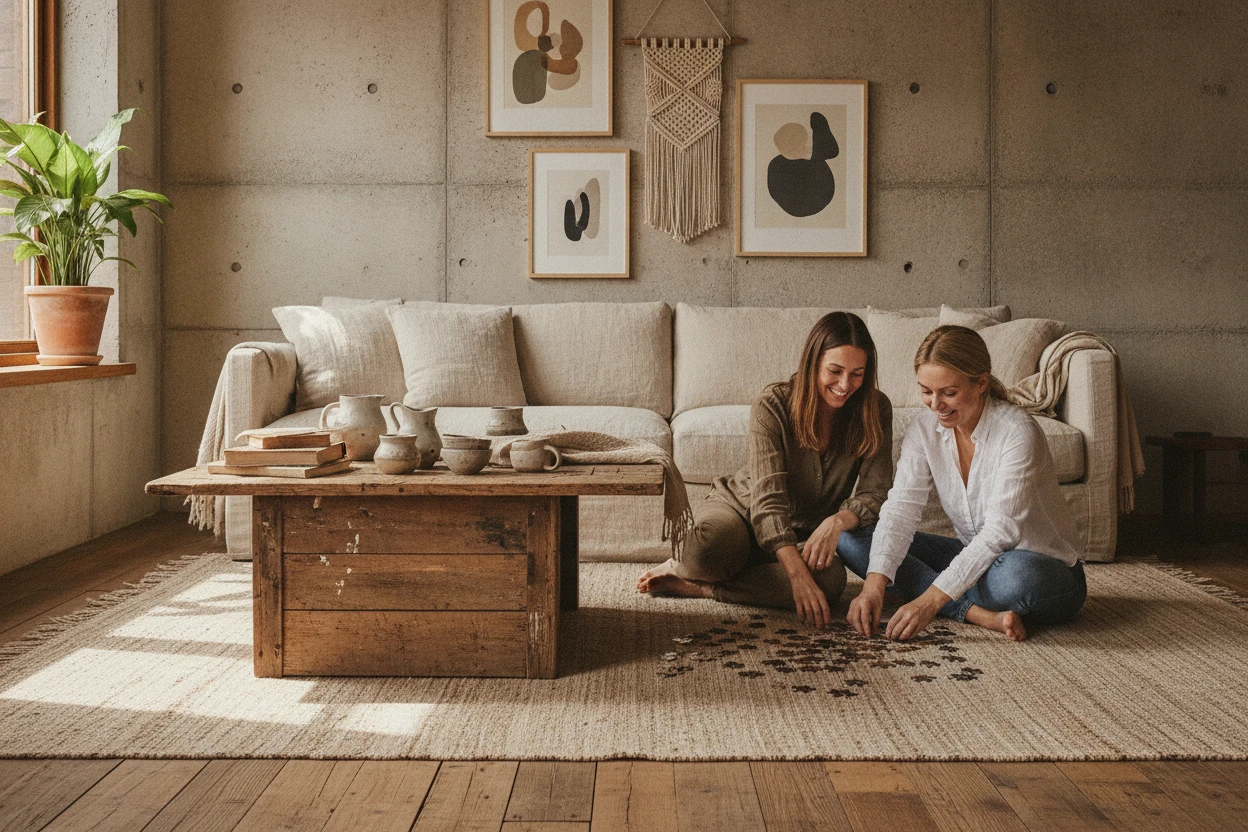
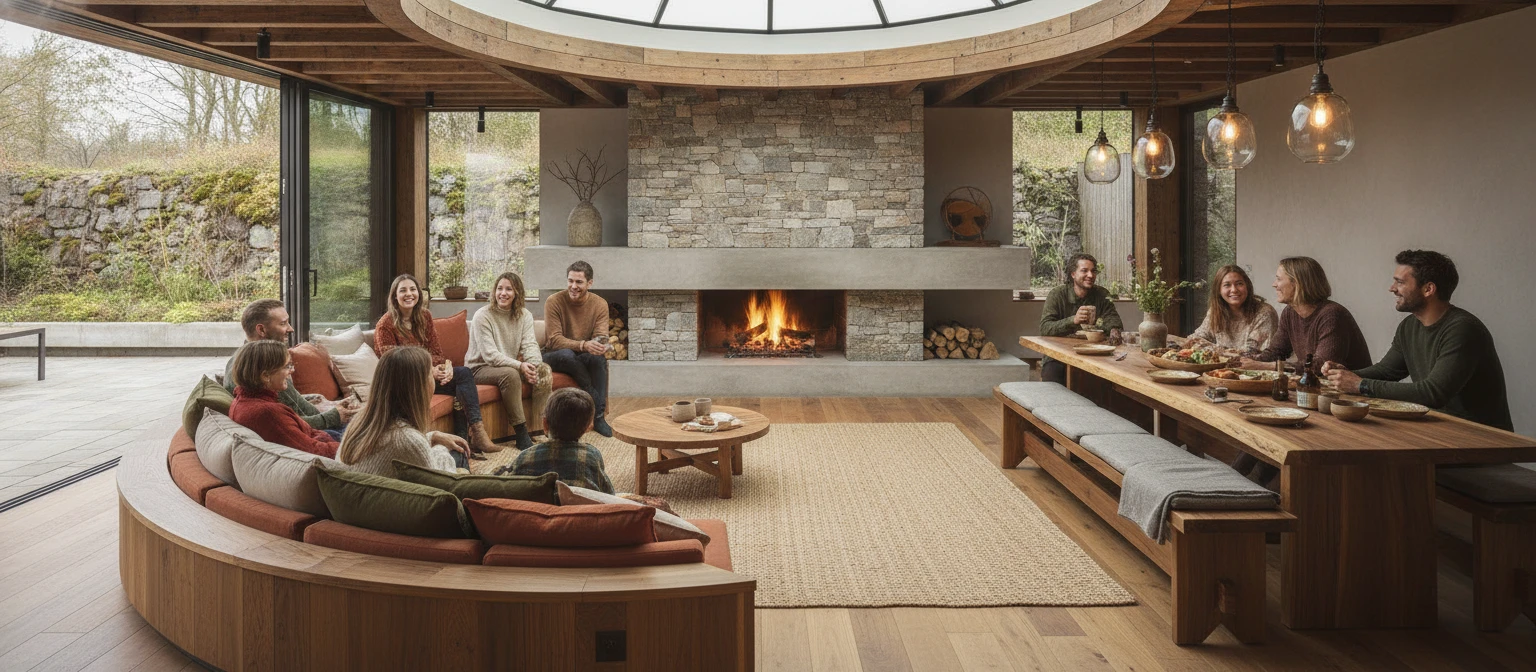
The trend towards imperfection in modern interiors has been propelled by several factors, including the rise of minimalism, sustainability concerns, and a shift in consumer values. For instance, many designers are now opting for handcrafted pieces that showcase unique characteristics, celebrating the artisan’s touch rather than the mass-produced uniformity often seen in traditional furnishings. This dedication to craftsmanship not only enhances the narrative of each piece but also supports local economies and artisans, promoting an eco-conscious lifestyle. Furthermore, the concept of biophilic design—integrating nature into interior spaces—also aligns with the embrace of imperfection. Natural materials such as wood, stone, and clay often display irregularities that add character and depth to a space. By incorporating these elements, designers create environments that feel more alive and connected to the natural world. Additionally, the emotional aspect cannot be overlooked; interiors that reflect imperfections often evoke memories and feelings, making spaces more relatable and inviting. This approach encourages a departure from the sterile, cookie-cutter designs of the past, allowing for a more personalized touch that resonates with both the inhabitants and visitors. As such, understanding ‘Why Designers Are Embracing Imperfection in Modern Interiors’ can inspire anyone to rethink their approach to home design, focusing on what truly makes a space feel like home.
In conclusion, the embrace of imperfection in modern interiors represents a significant evolution in design philosophy, highlighting the value of authenticity, sustainability, and personal connection. By understanding ‘Why Designers Are Embracing Imperfection in Modern Interiors’, individuals are encouraged to look beyond traditional ideals of beauty and perfection. Instead, this approach advocates for the appreciation of unique, handcrafted items that tell a story and provide warmth to living spaces. As homeowners become more aware of the emotional impact of their environments, they are likely to prioritize pieces that reflect their individuality and experiences. The trend is not just about aesthetics; it’s about creating spaces that foster connection and narrative, ultimately leading to homes that are not only visually stunning but also deeply personal and meaningful. As we continue to navigate a world that often feels overwhelmingly polished and artificial, embracing imperfection can serve as a powerful reminder to celebrate life’s natural beauty and unpredictability.
TRENDING NOW
How Texture and Color Work Together to Shape Human Experience