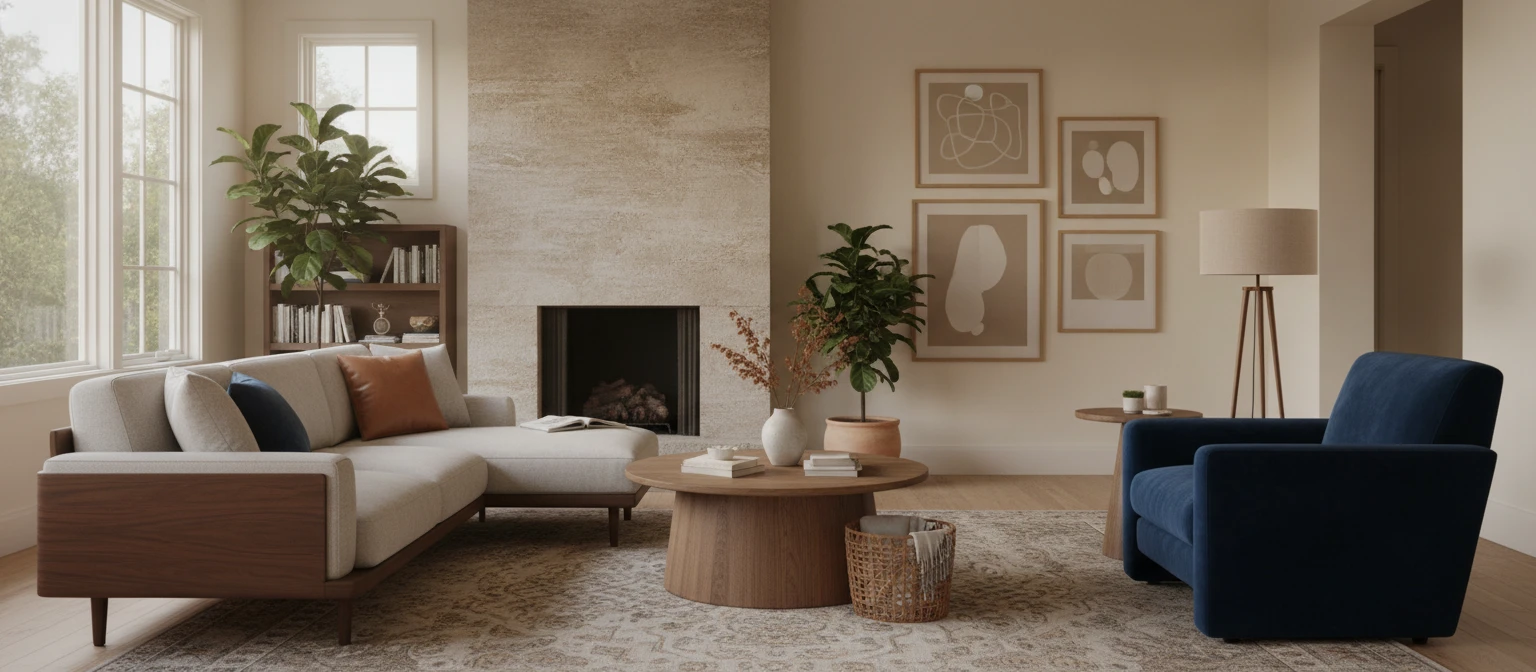
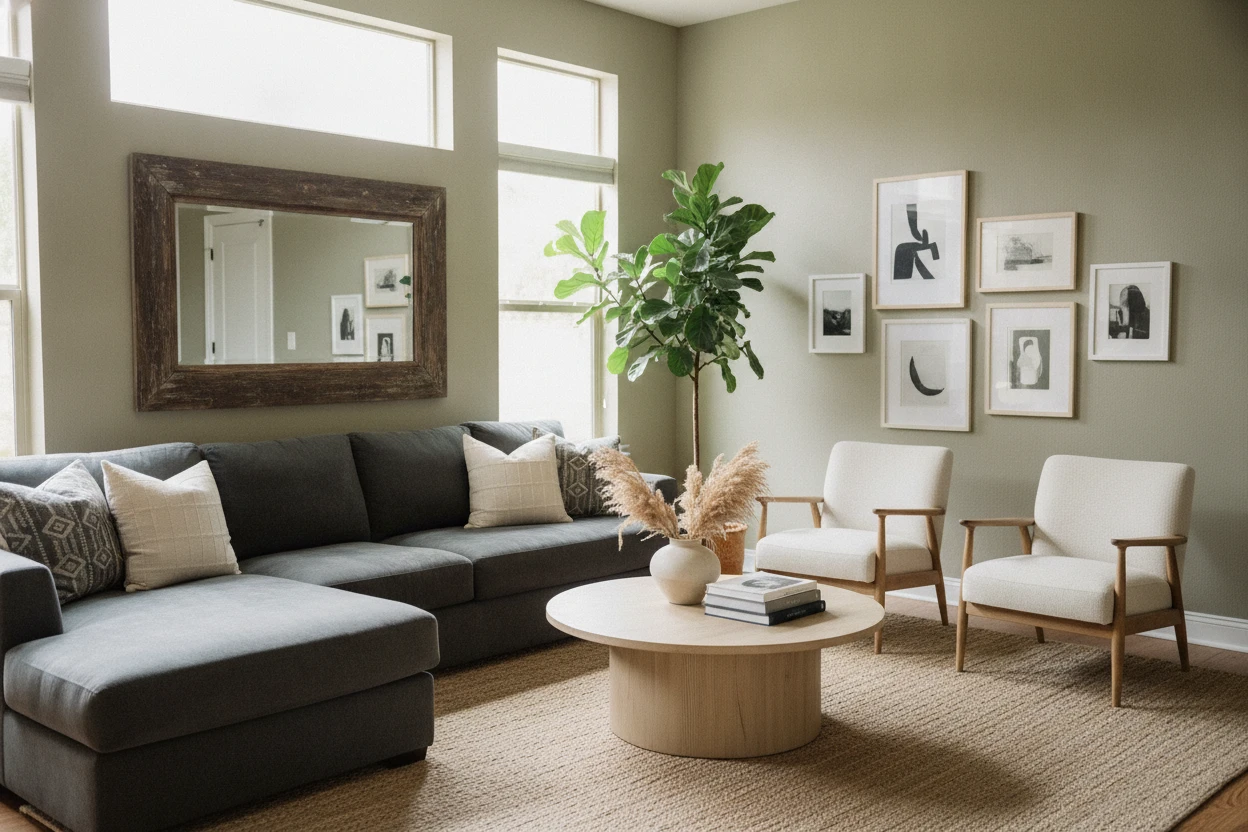
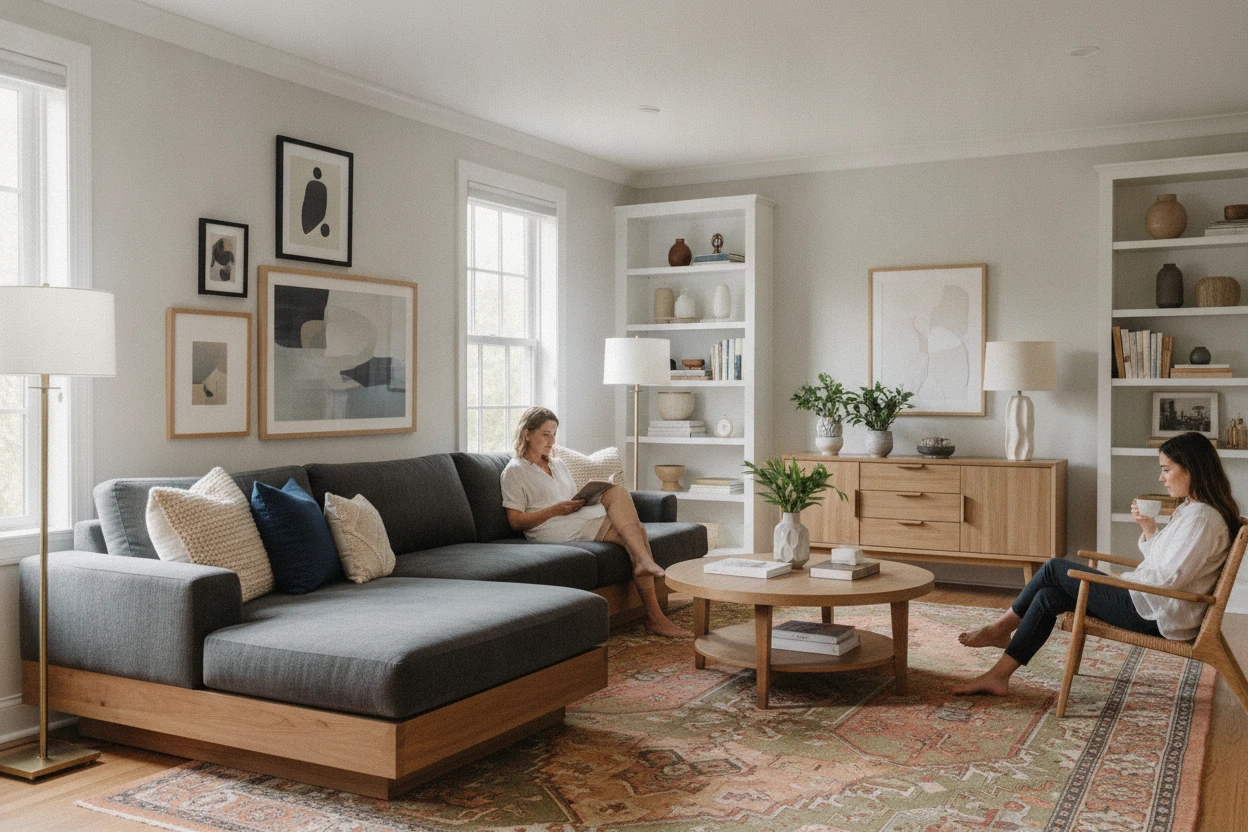
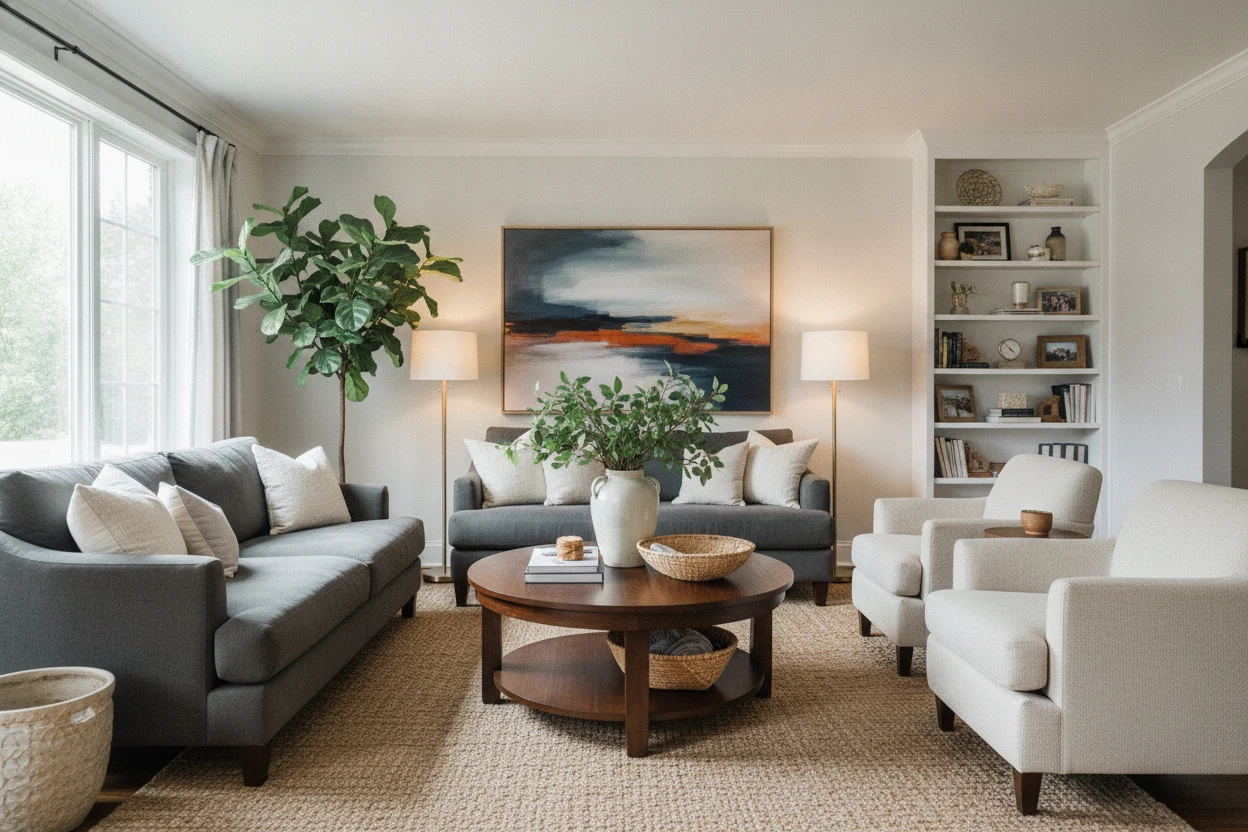
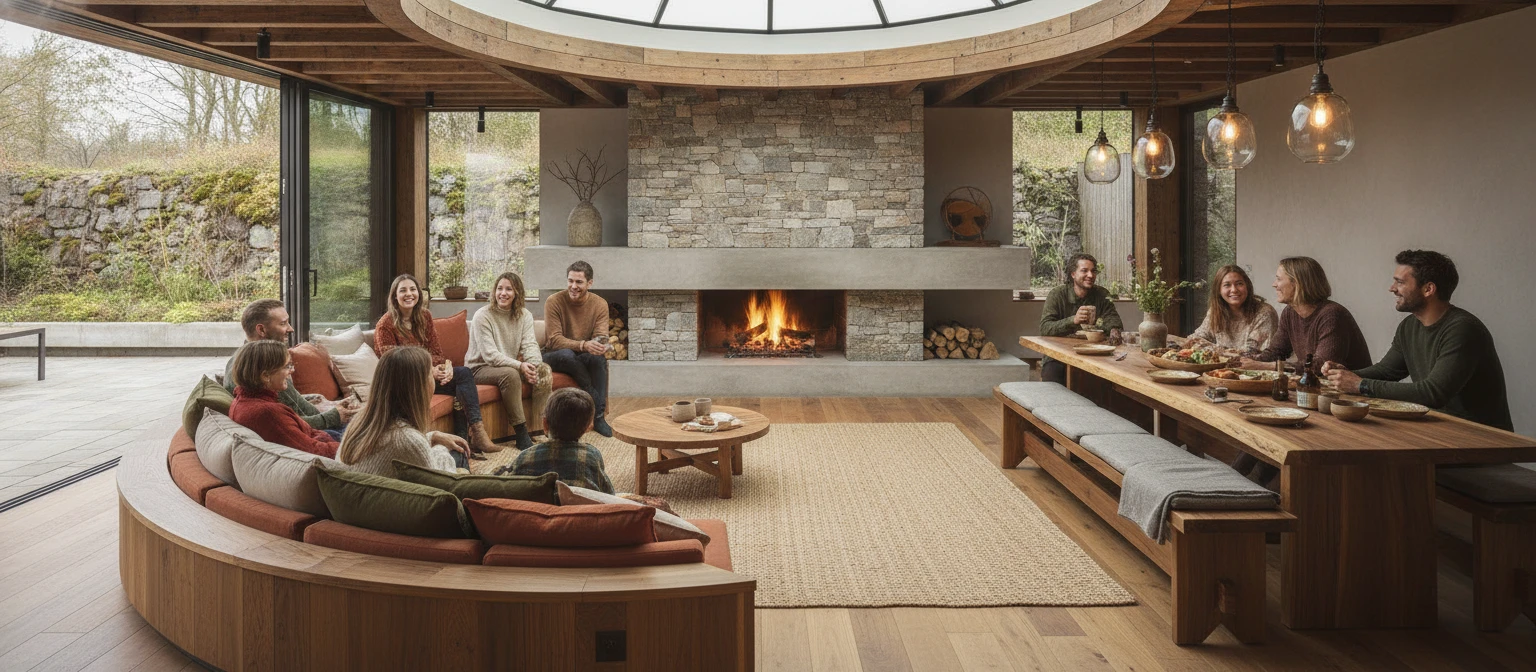
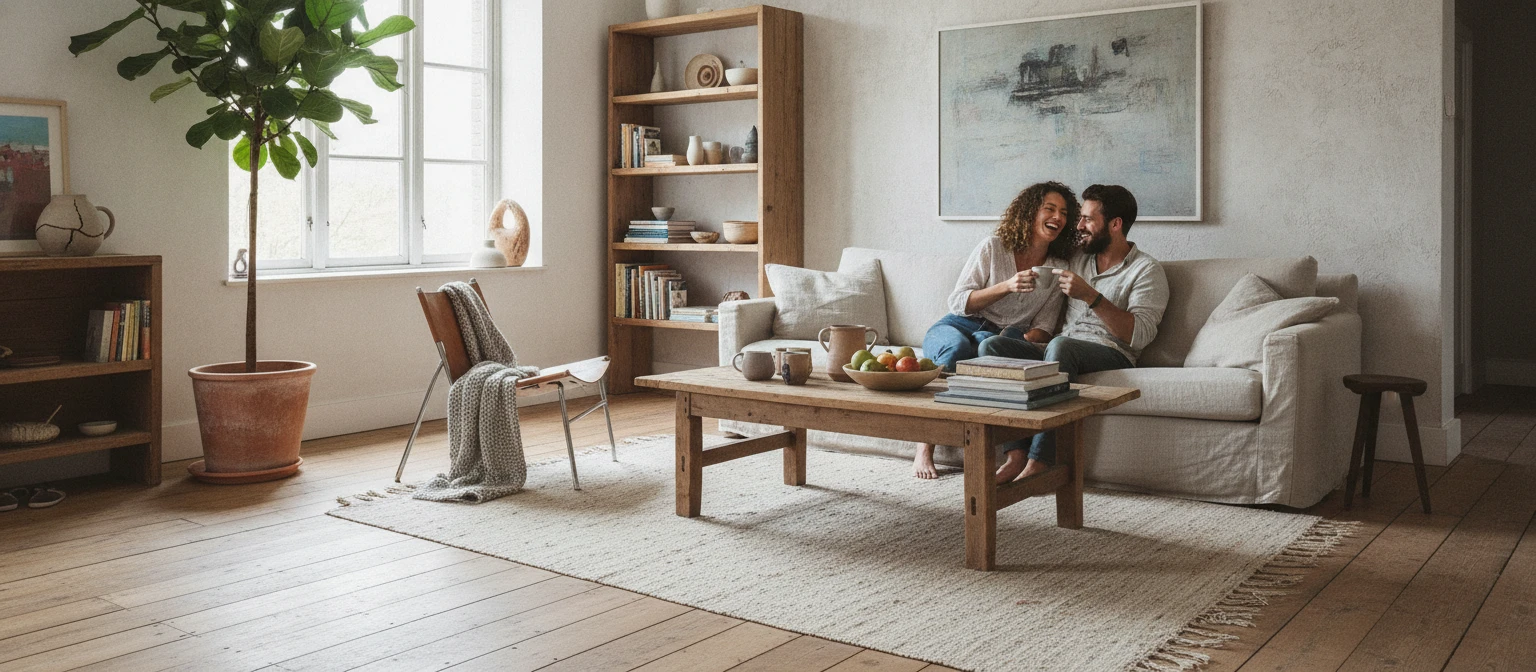
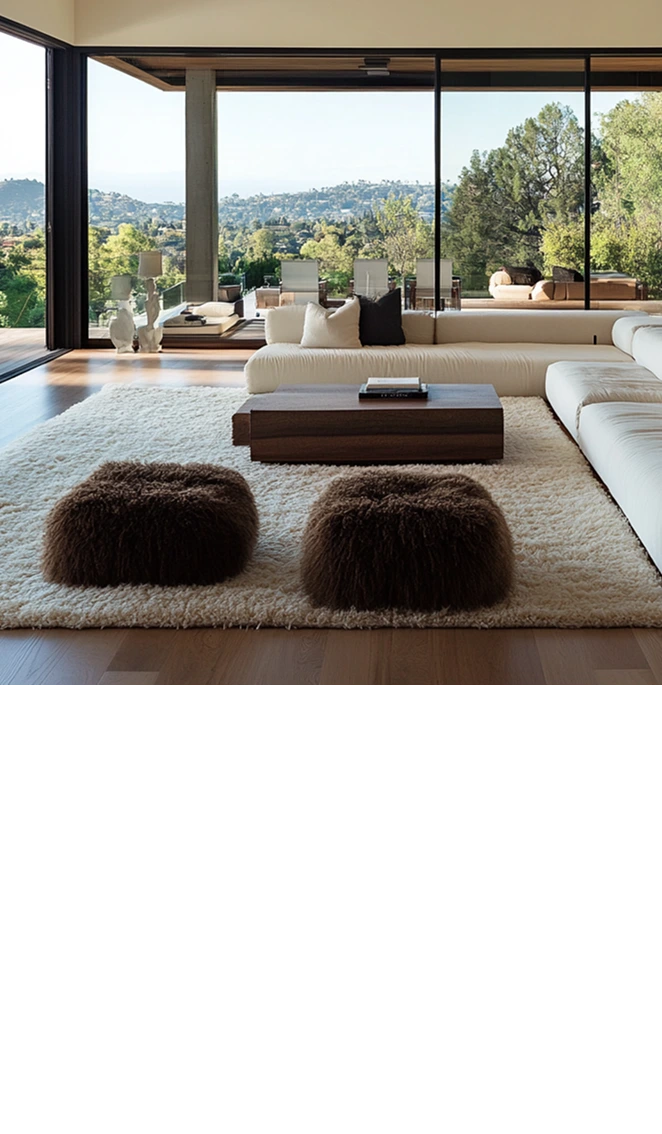
In the world of interior design, the concept of visual weight plays a critical role in how spaces are perceived and experienced. Visual weight refers to the perceived heaviness or lightness of an object based on its size, color, texture, and placement within a room. Designers utilize this principle to achieve balance, harmony, and aesthetic appeal in their designs. When a room feels balanced, it creates a sense of comfort and tranquility for its inhabitants. This is essential not only for visual appeal but also for functional living spaces. An understanding of visual weight allows designers to manipulate various elements to guide the viewer’s eye throughout the room, creating focal points and ensuring that no single area feels overwhelming or neglected. For instance, a large, dark sofa can dominate a light-colored room, necessitating the inclusion of lighter accessories to counterbalance its weight. By mastering the use of visual weight, designers can transform ordinary rooms into cohesive, inviting environments that reflect the personalities and lifestyles of their occupants.
When exploring how designers use visual weight to balance a room, it is crucial to consider several factors, including scale, color, and texture. Scale refers to the size of furniture and decor relative to the room; larger pieces can create a focal point, while smaller items add detail and interest. For example, a grand chandelier can serve as a visual anchor in a dining room, drawing the eye upwards and enhancing the room’s elegance. Color also plays a significant role in establishing visual weight. Darker hues tend to feel heavier than lighter shades, which can create a sense of lightness and airiness. Designers often use this knowledge to strategically place darker elements, like a bold accent wall or a dark coffee table, alongside lighter furnishings to establish balance and rhythm. Texture adds another layer of complexity to visual weight. A plush, textured rug can ground a room and provide contrast against sleek furniture, creating a dynamic interplay of visual elements. By thoughtfully considering these aspects, designers craft spaces that not only look aesthetically pleasing but also feel harmonious and balanced, ensuring that every element serves a purpose in the overall design.
In summary, understanding how designers use visual weight to balance a room is essential for creating inviting and functional spaces. By considering elements such as scale, color, and texture, designers can manipulate visual weight to achieve harmony and aesthetic appeal. This knowledge not only enhances the beauty of a room but also contributes to the comfort and functionality of living spaces. Whether you are a professional designer or a homeowner looking to refresh your space, applying these principles can lead to more balanced and attractive interiors. As you experiment with different elements in your own design projects, remember the importance of visual weight and its impact on the overall atmosphere of your home. By thoughtfully arranging furniture and decor, you can create a space that feels both cohesive and inviting.
TRENDING NOW
How Texture and Color Work Together to Shape Human Experience