Creating Seamless Transitions Between Indoor and Outdoor Spaces
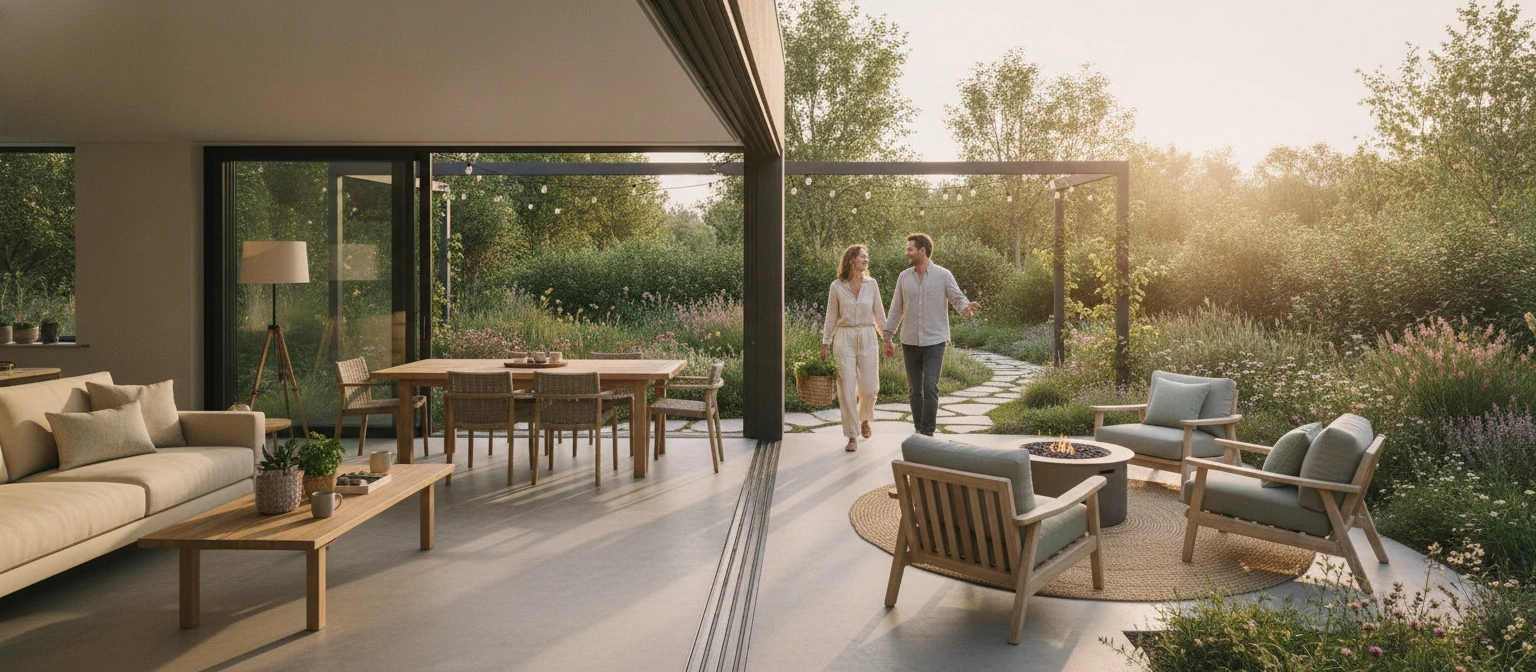
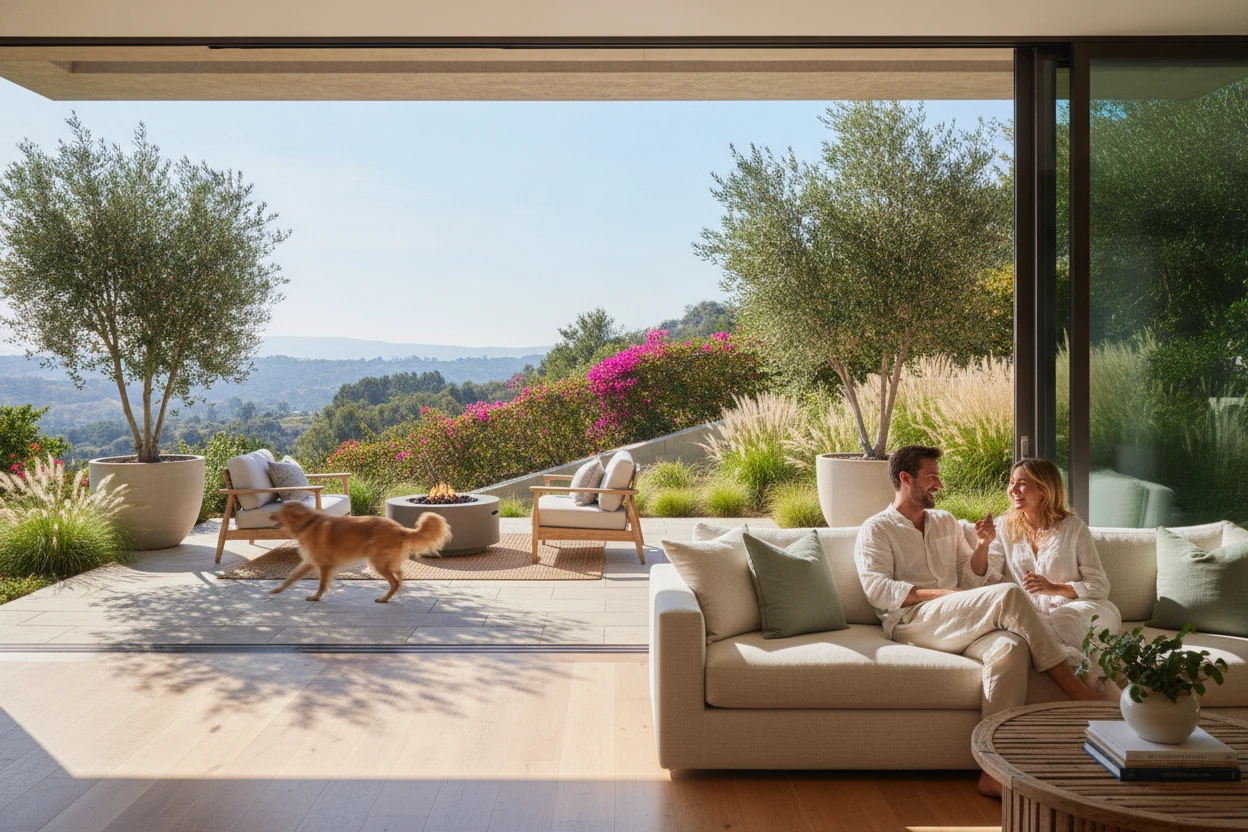
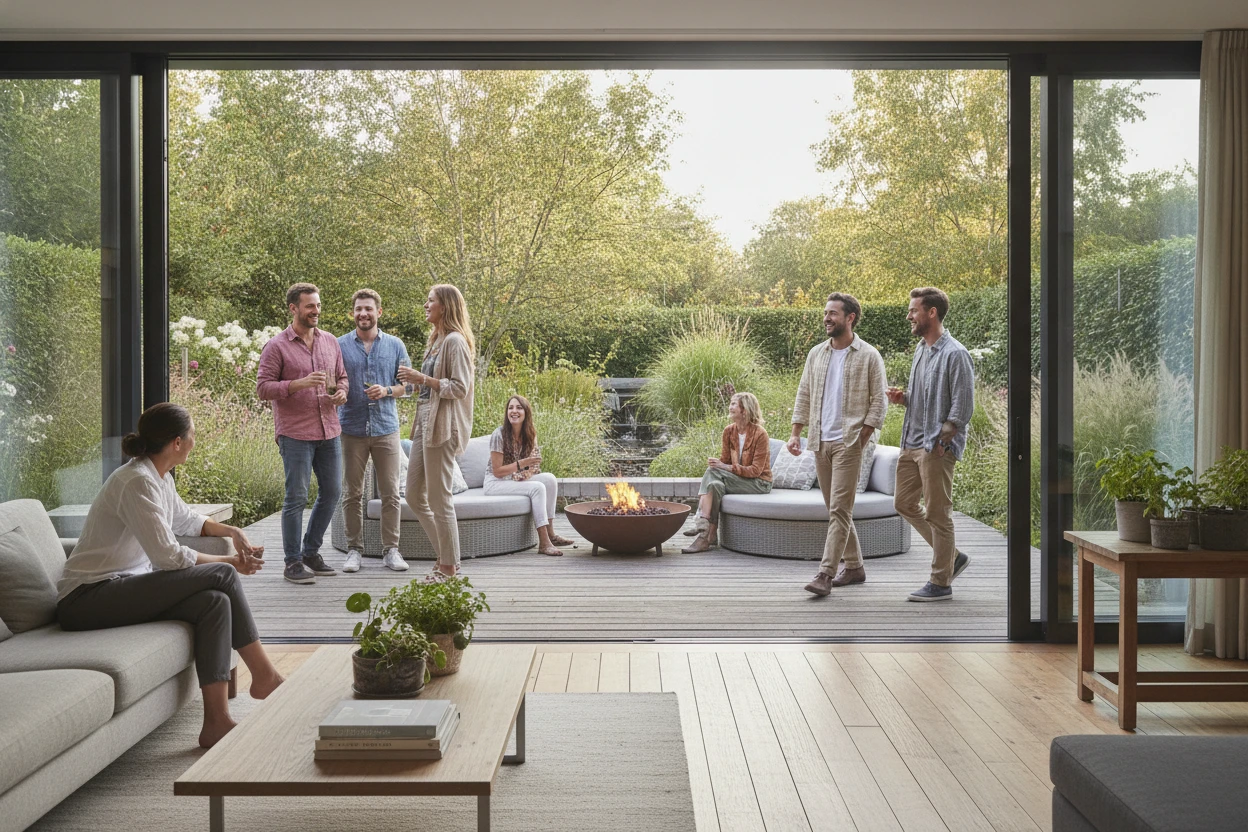
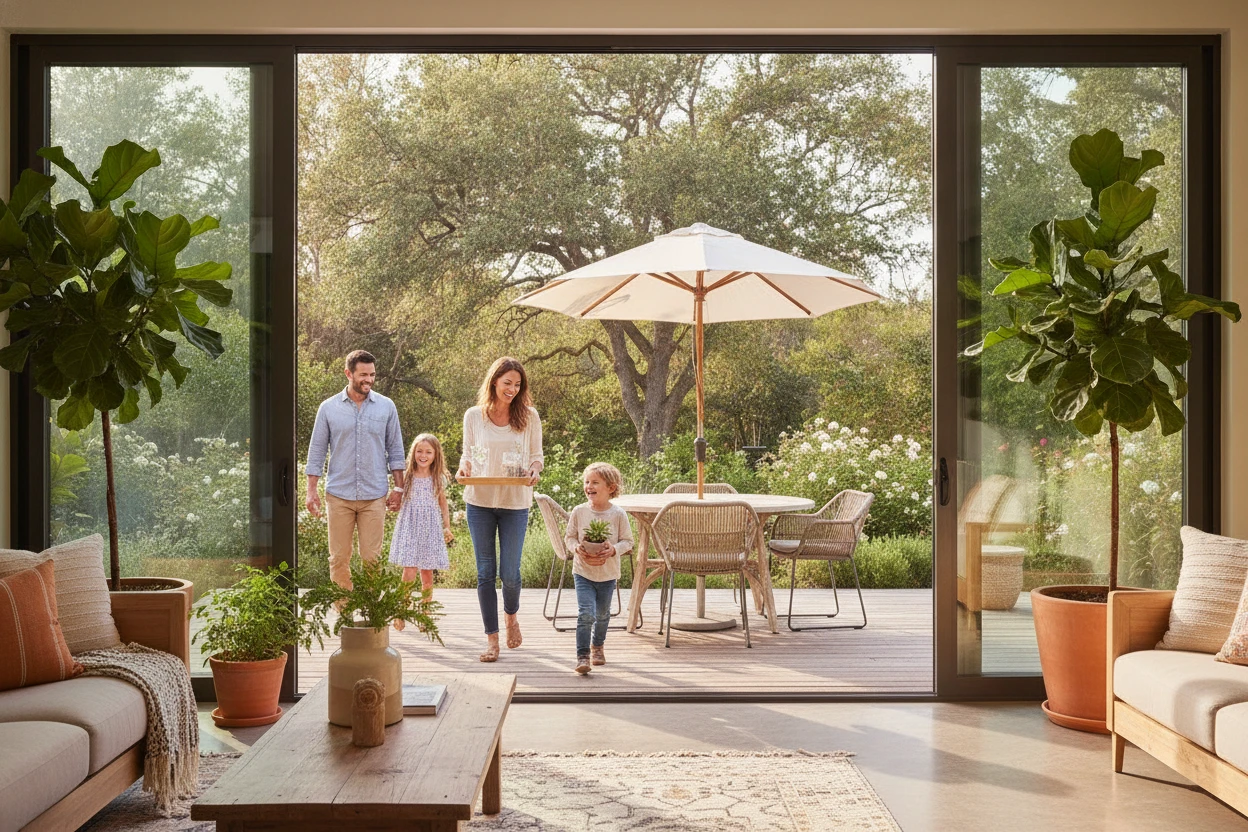
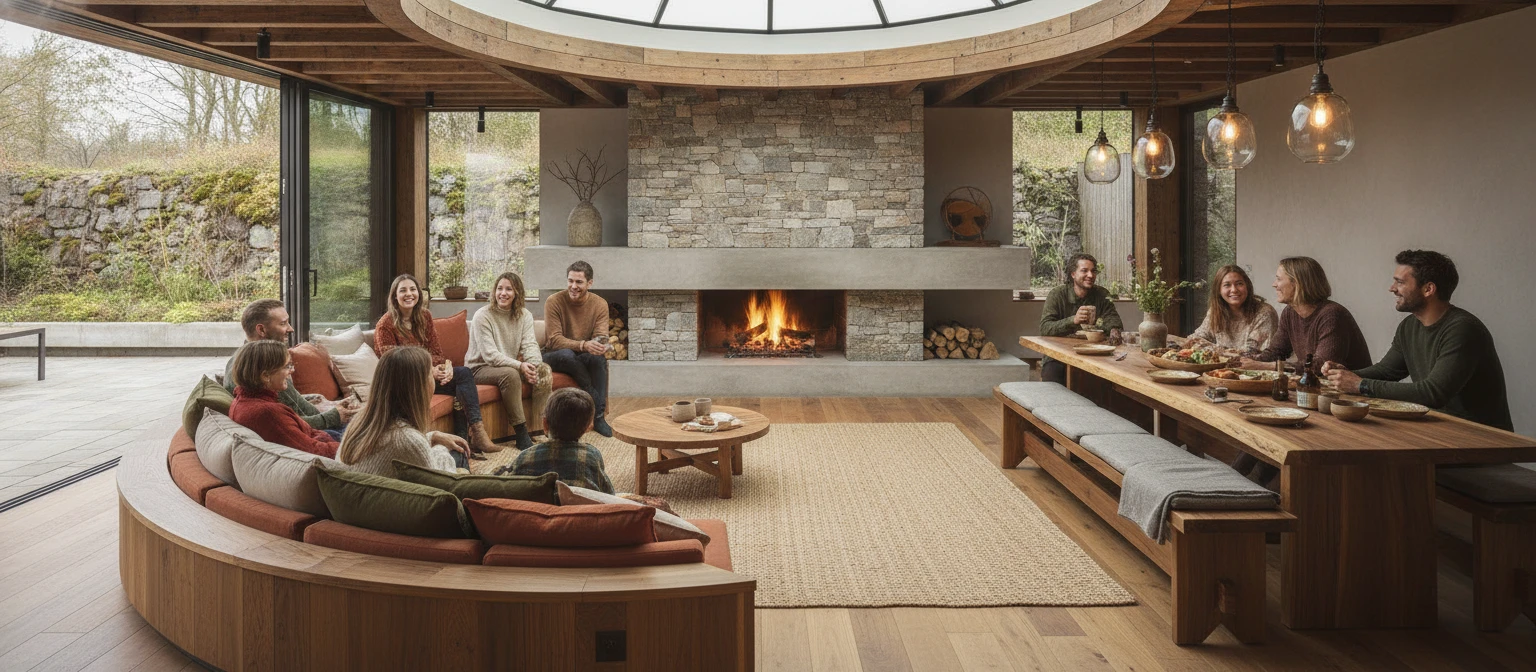
Creating seamless transitions between indoor and outdoor spaces is essential for enhancing the overall aesthetics and functionality of your home. This concept has gained immense popularity as homeowners seek to maximize their living areas while connecting with nature. The integration of these spaces not only improves the flow of natural light but also enhances the emotional well-being of residents, as access to outdoor environments is linked to improved mental health. By fostering a sense of continuity between indoor and outdoor areas, homeowners can create inviting environments that are conducive to relaxation and social interaction. This transition can be achieved through various design strategies, including the use of large sliding doors, expansive windows, and cohesive flooring materials that extend from one space to another. Additionally, landscaping elements can play a crucial role in achieving this seamless connection, as strategic plant placements can draw the eye from the interior to the exterior. As we delve deeper into the methods of creating these transitions, we will explore innovative architectural designs, the incorporation of natural elements, and the importance of thoughtful planning.
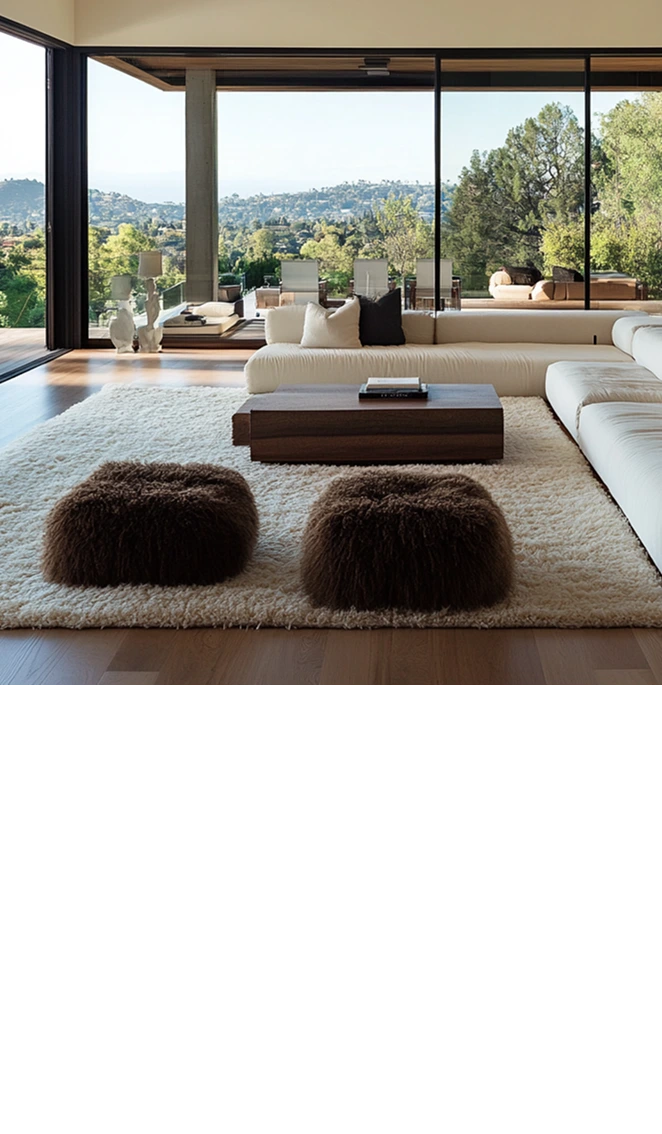
To effectively create seamless transitions between indoor and outdoor spaces, it is vital to consider several factors that contribute to the overall harmony of these environments. First and foremost, utilizing large glass doors or bi-fold doors can dramatically enhance the sense of openness, allowing for unobstructed views and easy access to outdoor areas. These features not only provide practicality but also create a visual link that draws the eye, effectively blurring the lines between the inside and outside. Furthermore, employing consistent flooring materials throughout both spaces can create an uninterrupted visual flow, making the transition feel more natural. For instance, using hardwood or composite decking that extends from the living room to the patio can unify the two areas, creating a cohesive look. Additionally, incorporating natural elements such as plants, outdoor furniture that reflects interior design styles, and similar color palettes can further enhance this connection. Lighting also plays a critical role; strategically placed lighting can provide ambiance and make the outdoor space usable during the evening, encouraging more time spent outside. By thoughtfully considering these elements, homeowners can create a harmonious transition that enhances both the beauty and functionality of their living spaces.
In conclusion, creating seamless transitions between indoor and outdoor spaces is not merely a design trend but a fundamental aspect of modern living that offers numerous benefits. By implementing techniques such as the use of large openings, unified flooring, and complementary decor, homeowners can foster an inviting atmosphere that enhances their quality of life. This approach not only improves aesthetic appeal but also promotes a healthier lifestyle by encouraging outdoor interaction. To take the next steps toward achieving these transitions, homeowners should consider consulting with design professionals who specialize in indoor-outdoor living. They can provide tailored advice based on individual space constraints and personal preferences. Ultimately, the goal is to create a harmonious living environment that reflects both the beauty of nature and the comfort of home.
TRENDING NOW
How Texture and Color Work Together to Shape Human Experience