How Architectural Details Enhance Interior Materiality
The relationship between architectural details and interior materiality is profound, significantly impacting the aesthetic and functional qualities of a space. Architectural details encompass a range of elements, including moldings, trims, and structural features that contribute to the overall design narrative of a building. These elements serve not only as visual enhancements but also as critical components that define the character and atmosphere of interior spaces. By carefully integrating architectural details into the design process, architects and interior designers can create environments that resonate with users, evoke specific emotions, and foster a sense of place. Furthermore, understanding how different materials interact with these details allows for a more nuanced approach to design, where texture, color, and light interplay to create a cohesive aesthetic. As we delve deeper into the topic, we will explore various examples of how architectural details enhance interior materiality, showcasing their importance in both residential and commercial design contexts. This exploration will provide valuable insights for professionals in the field as well as homeowners looking to enhance their living spaces.
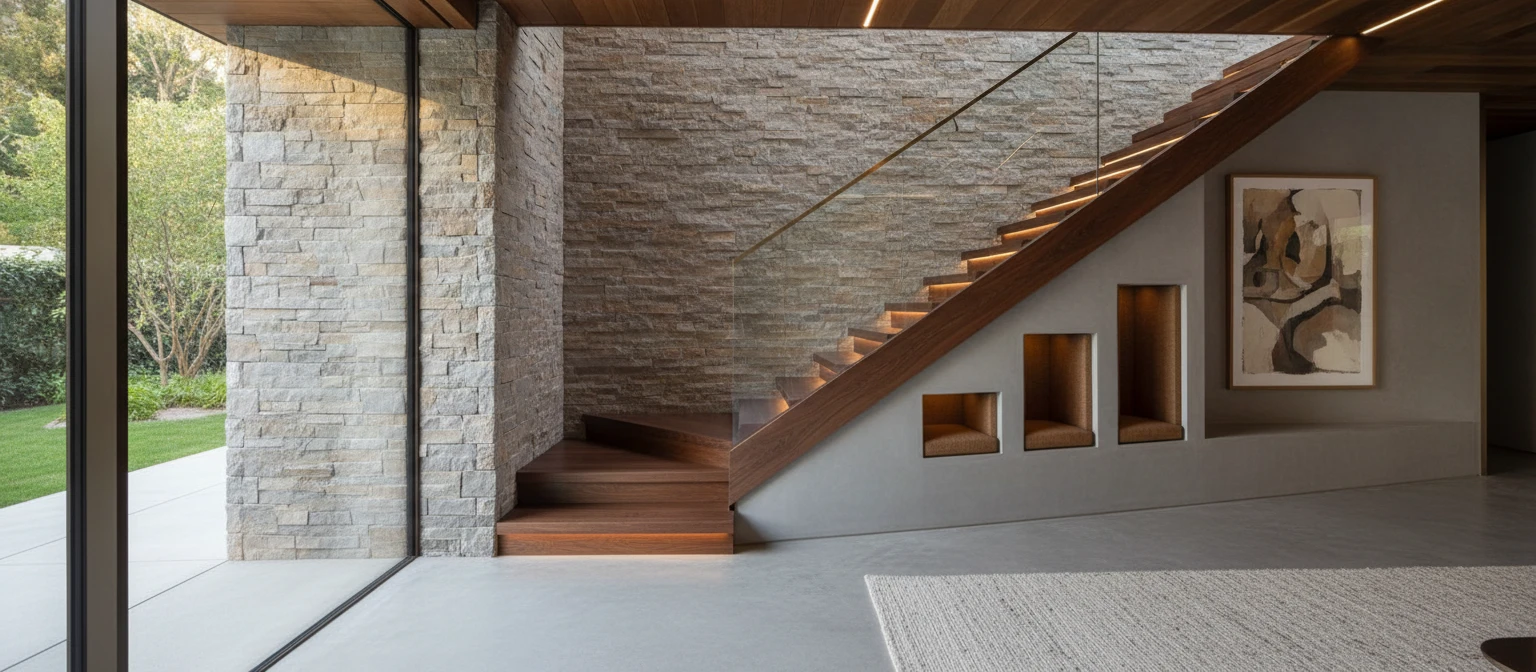
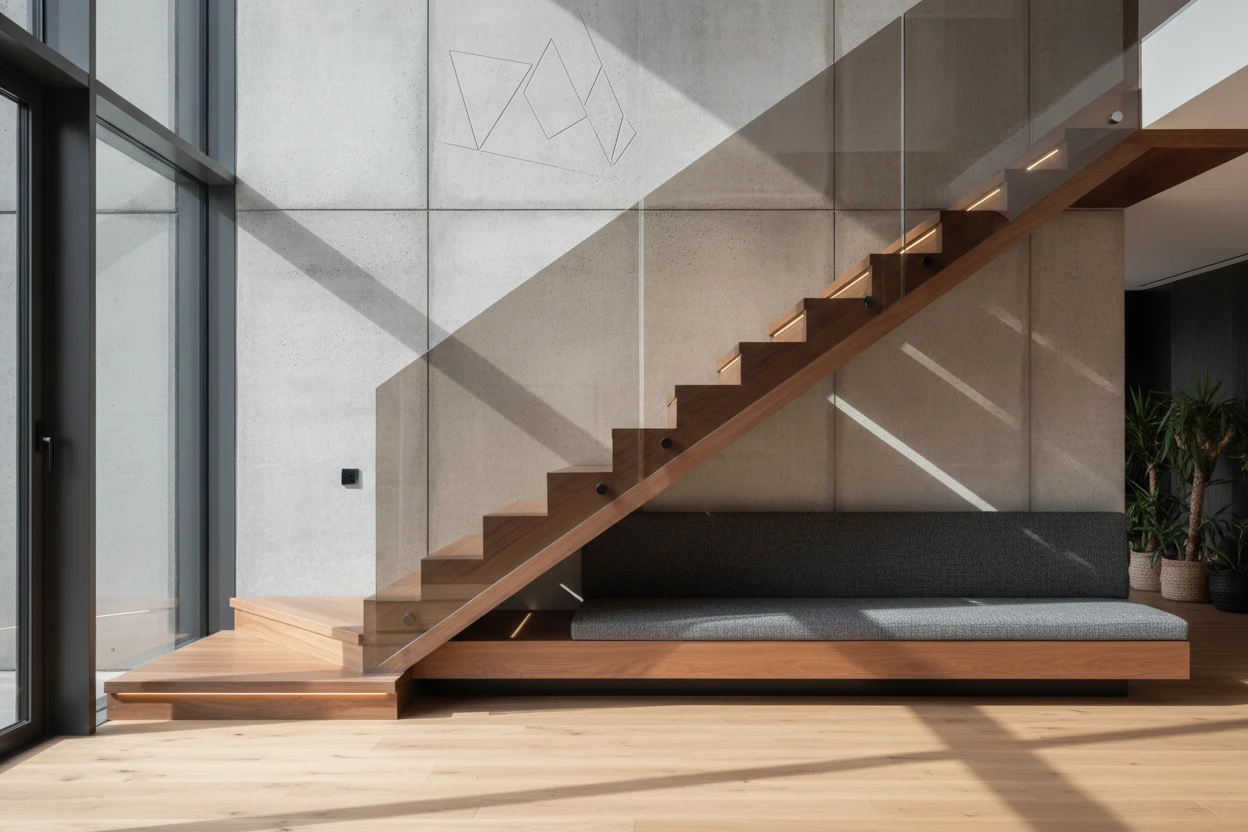
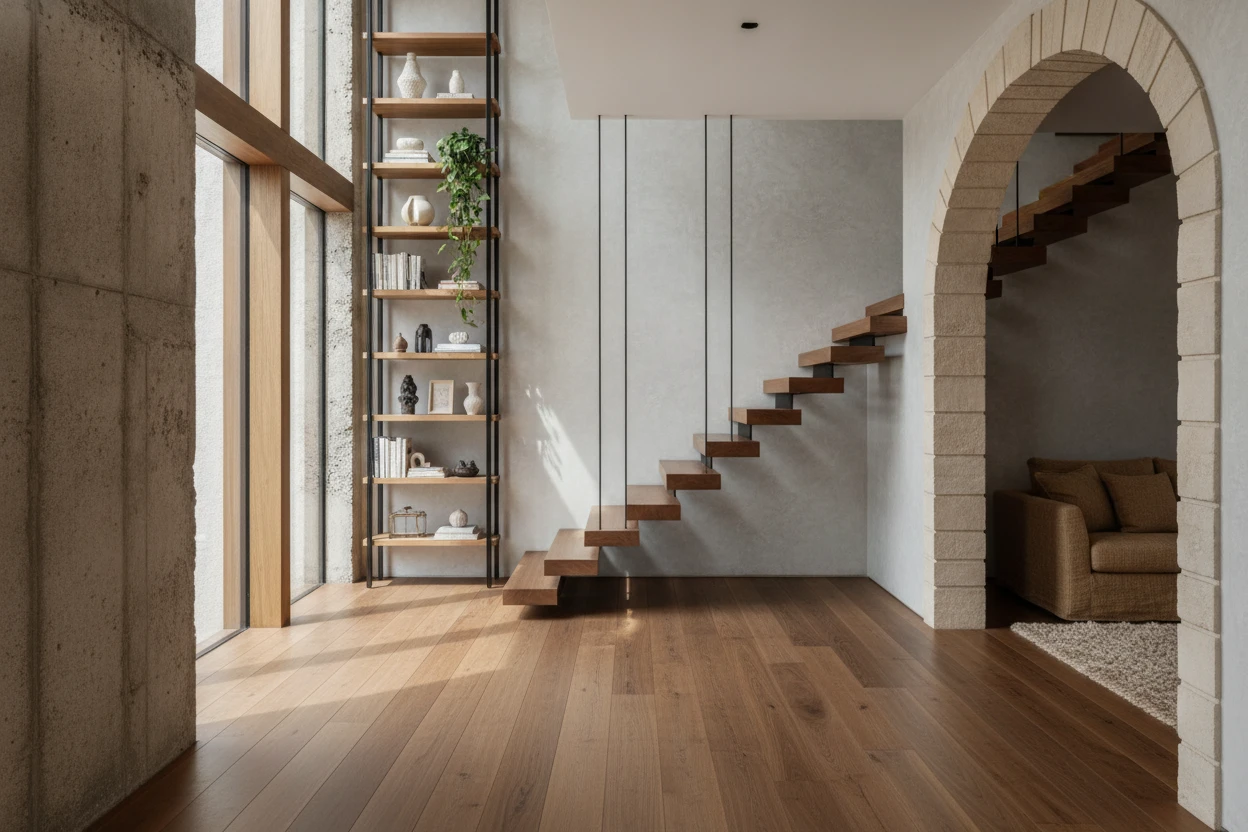
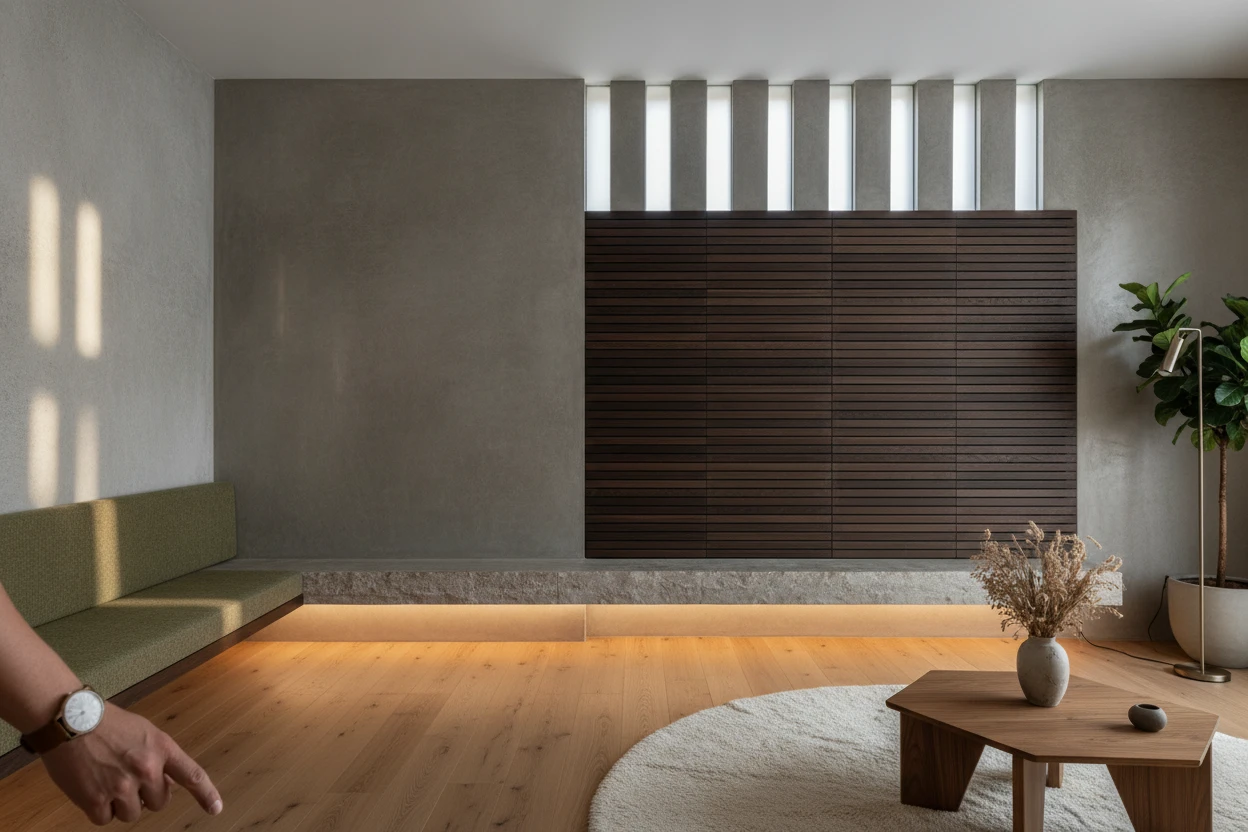
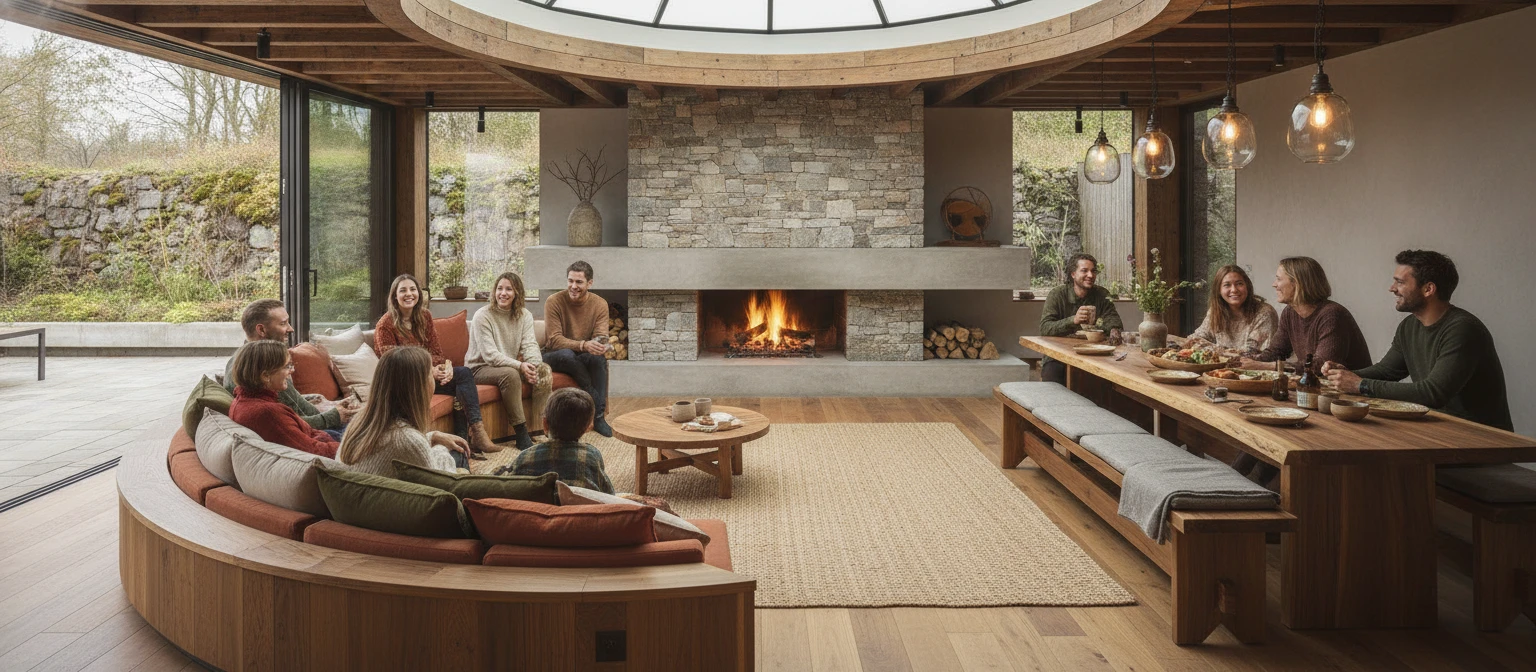
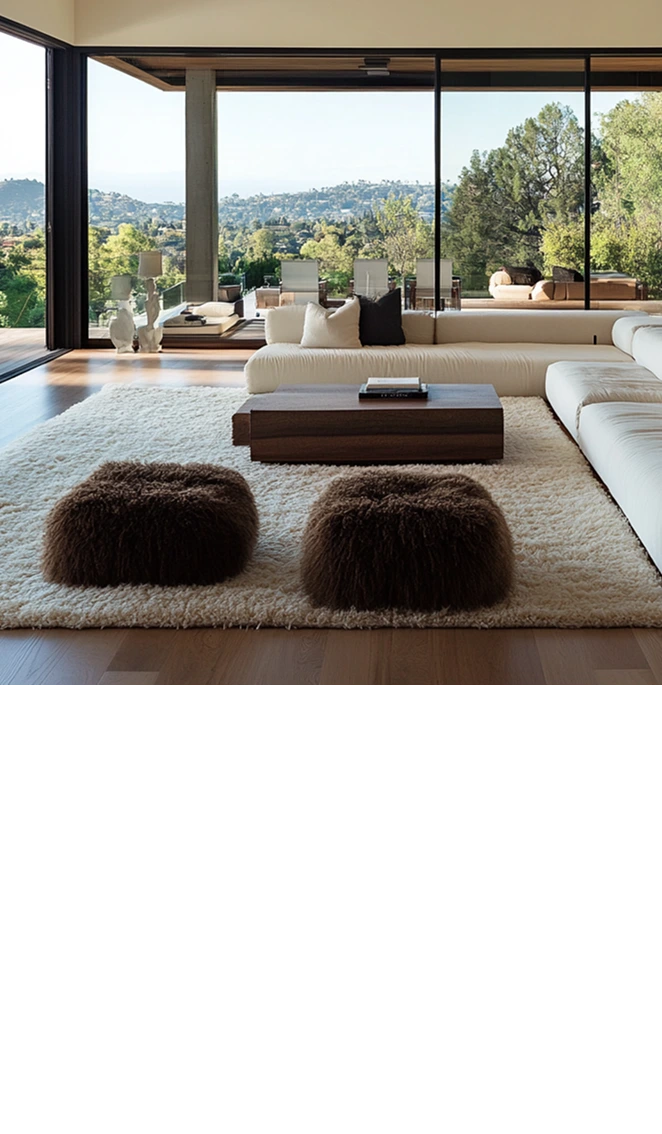
When examining how architectural details enhance interior materiality, we must consider specific examples that illustrate this dynamic interaction. For instance, crown molding and baseboards can significantly influence how a room feels, adding elegance and sophistication while seamlessly transitioning between different surfaces. In modern design, exposed beams and ductwork are often celebrated as architectural details that contribute to a space’s industrial aesthetic, allowing materials like wood and metal to define the room’s character. Moreover, intricate door frames and window casings can transform ordinary openings into focal points, enriching the visual narrative and adding depth to the overall design scheme. Additionally, the choice of materials plays a crucial role; for example, pairing natural wood with sleek metal can create a striking contrast that highlights both elements, enriching the materiality of the overall environment. Furthermore, the way light interacts with these details can alter perceptions of space, making rooms feel larger or more intimate depending on the design choices made. This emphasis on materiality not only enhances beauty but also directly impacts the functionality and comfort of the space, demonstrating the integral role architectural details play in the successful execution of a design vision.
In conclusion, understanding how architectural details enhance interior materiality is essential for anyone involved in the design process. These details are not merely decorative elements; they are fundamental to shaping the experience of a space. By thoughtfully integrating architectural details with appropriate materials, designers can create environments that are not only visually stunning but also functional and inviting. As we continue to explore innovative design trends, it remains crucial for professionals to consider the implications of their choices on overall materiality. Whether through the use of sustainable materials or the incorporation of local craftsmanship, attention to architectural details can set the stage for creating meaningful spaces that resonate with users. Moving forward, designers should prioritize the synergy between architectural elements and materials in their projects, ensuring a holistic approach that enhances both form and function.
TRENDING NOW
How Texture and Color Work Together to Shape Human Experience