Designing for Comfort: Tactile Experiences in Design
In today’s fast-paced world, the significance of tactile experiences in design cannot be overstated. ‘Designing for Comfort: The Importance of Tactile Experiences’ emphasizes how the physical sensations associated with materials, textures, and shapes can profoundly influence our comfort levels in various environments. The human experience is heavily reliant on our senses, and touch is one of the most pivotal among them. Whether it is the soft embrace of a fabric, the smoothness of a surface, or the warmth of a material, tactile experiences play a crucial role in how we perceive our surroundings. The importance of these sensory engagements extends beyond mere aesthetics; they significantly impact our emotional well-being and overall satisfaction with a space. This realization has led designers, architects, and product developers to prioritize tactile quality in their creations, ensuring that users not only see but feel the comfort in their environments. By focusing on tactile experiences, designers are able to create spaces and products that foster a sense of belonging and relaxation, which is essential in both residential and commercial settings. As we delve deeper into this topic, we will explore the various dimensions of tactile experiences and their implications for design.
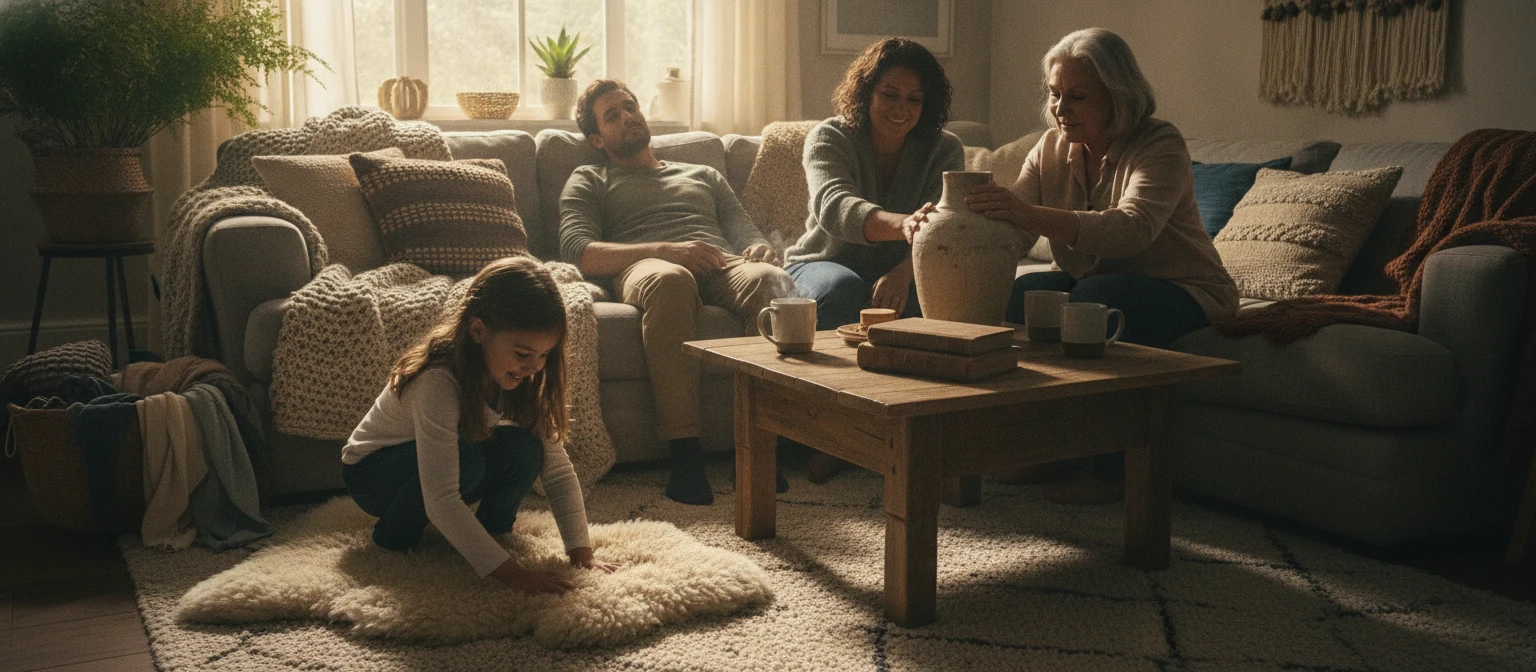
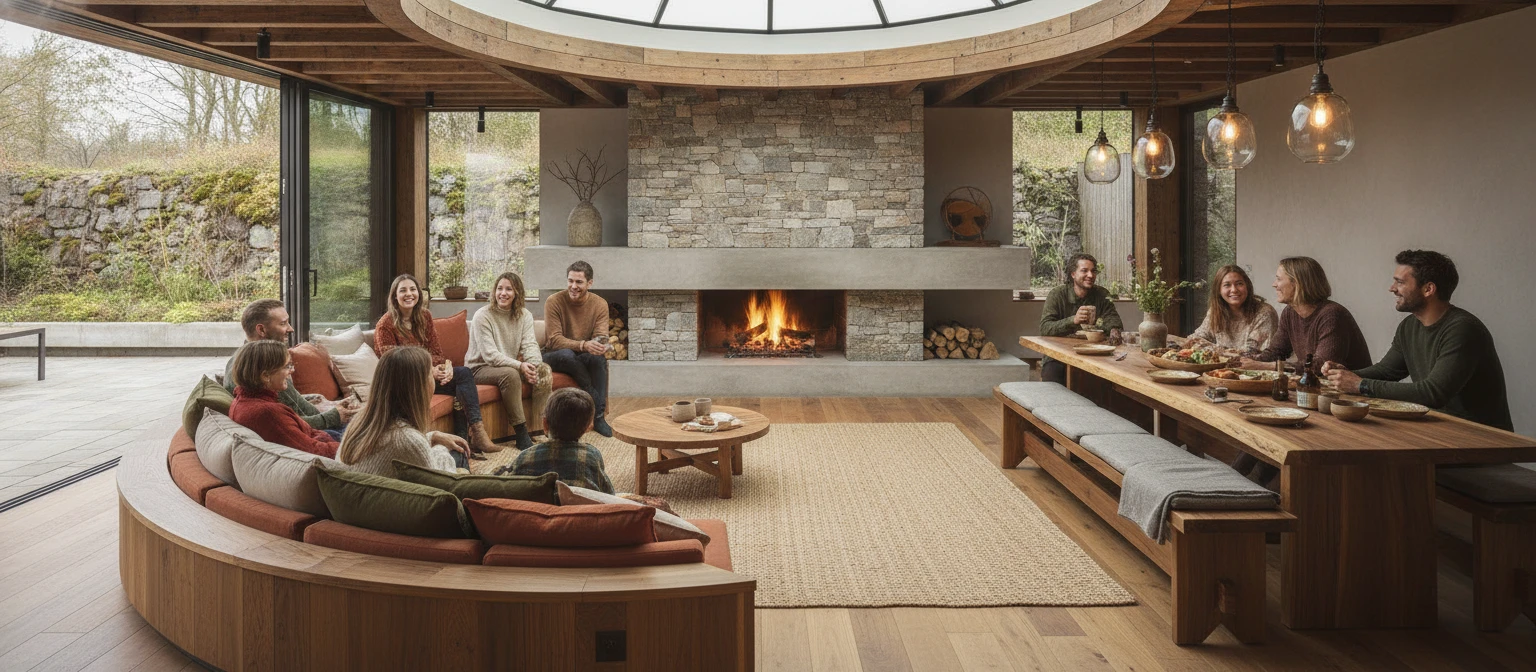
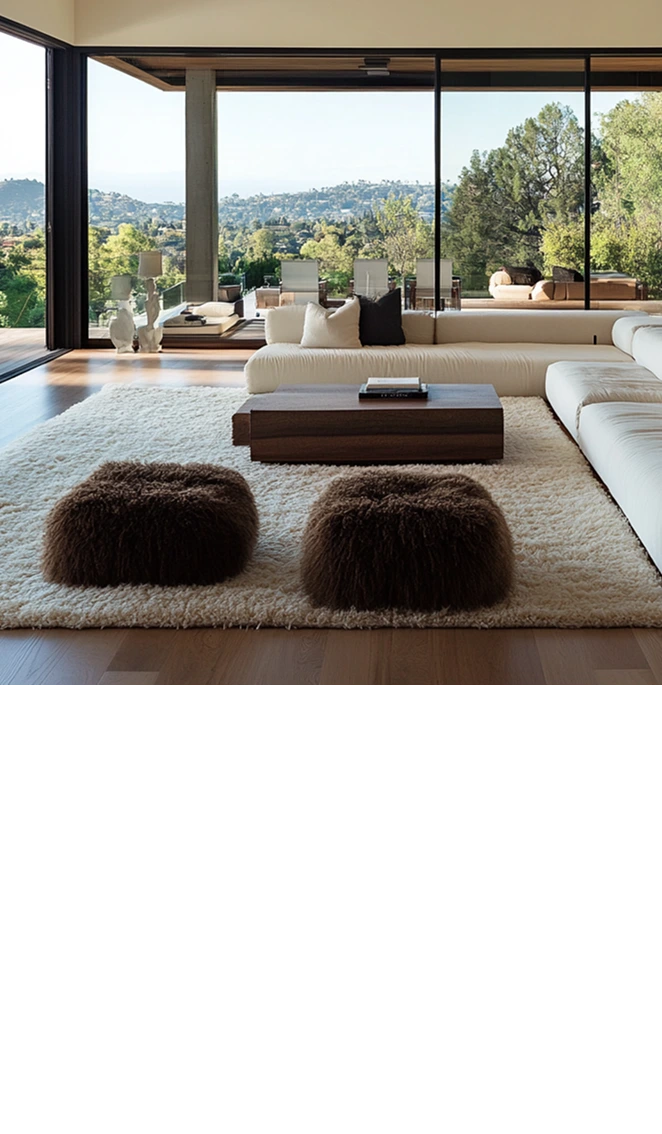
When discussing ‘Designing for Comfort: The Importance of Tactile Experiences’, it’s essential to delve into the specific ways tactile elements can be integrated into design. For instance, in furniture design, the choice of materials such as soft fabrics versus hard surfaces can create vastly different tactile experiences. Soft upholstery can evoke feelings of warmth and welcome, while hard surfaces may convey modernity or minimalism but can also appear uninviting. Furthermore, the texture of a surface can greatly affect the user’s emotional response; a rough texture may be stimulating, while a smooth one could be calming. Beyond interior design, these principles apply to product design as well. Consider smartphones; the tactile feedback from buttons and screens can enhance user interaction, making the device feel more intuitive and satisfying to use. Additionally, the concept of tactile experiences extends to public spaces. Parks and urban design that incorporate varied textures, such as grass, stone pathways, or wooden benches, can enhance the sensory experience of the environment, encouraging more prolonged and meaningful engagement with the space. Ultimately, integrating touch-friendly elements into design is not merely a trend; it is a fundamental approach to creating comfortable and inviting spaces that resonate with users on a deeper level.
In conclusion, ‘Designing for Comfort: The Importance of Tactile Experiences’ highlights how crucial tactile sensations are in shaping our interactions with the world around us. By understanding and implementing tactile design principles, creators can significantly enhance comfort and satisfaction in their environments. This approach not only enriches individual experiences but also fosters a stronger emotional connection between users and their spaces or products. As we move forward, it is essential for designers to continue exploring innovative materials and textures that can elevate tactile experiences. They should consider user feedback and behavioral studies to refine their designs further. Whether you are an architect, interior designer, or product developer, embracing the significance of touch in design will undoubtedly lead to more engaging and comfortable experiences for users. As the demand for sensory-rich environments continues to grow, prioritizing tactile experiences will be key to standing out in the competitive design landscape.
TRENDING NOW
How Texture and Color Work Together to Shape Human Experience