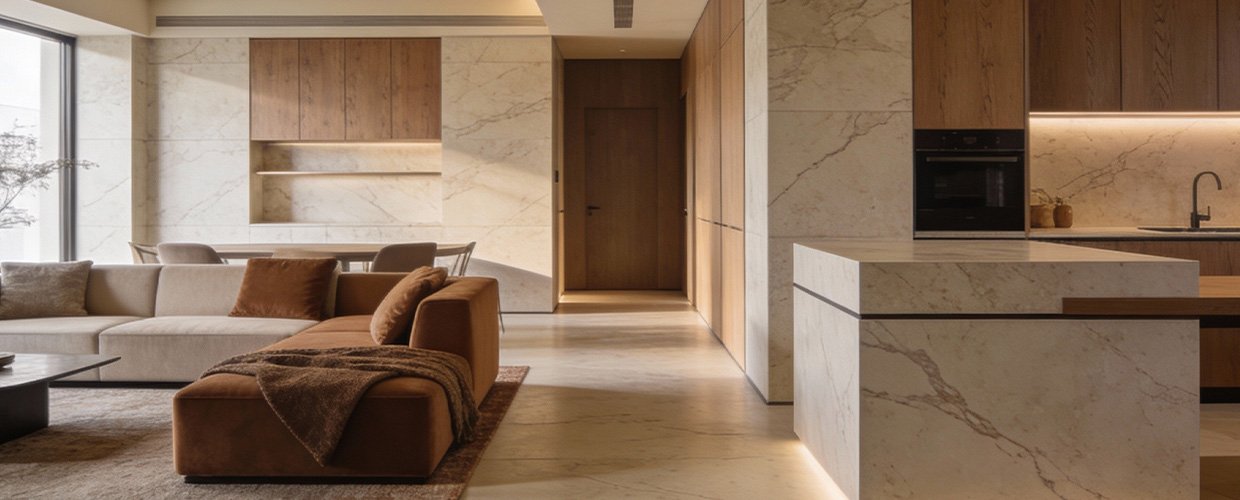
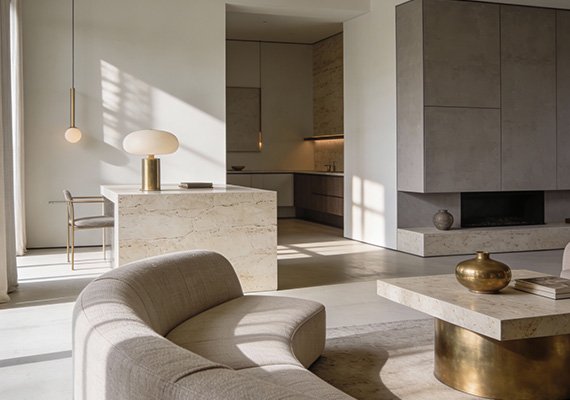
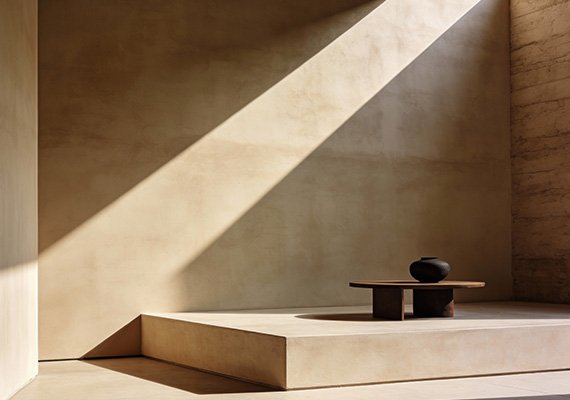
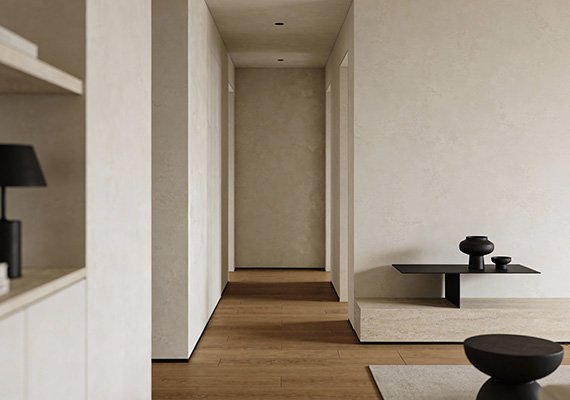
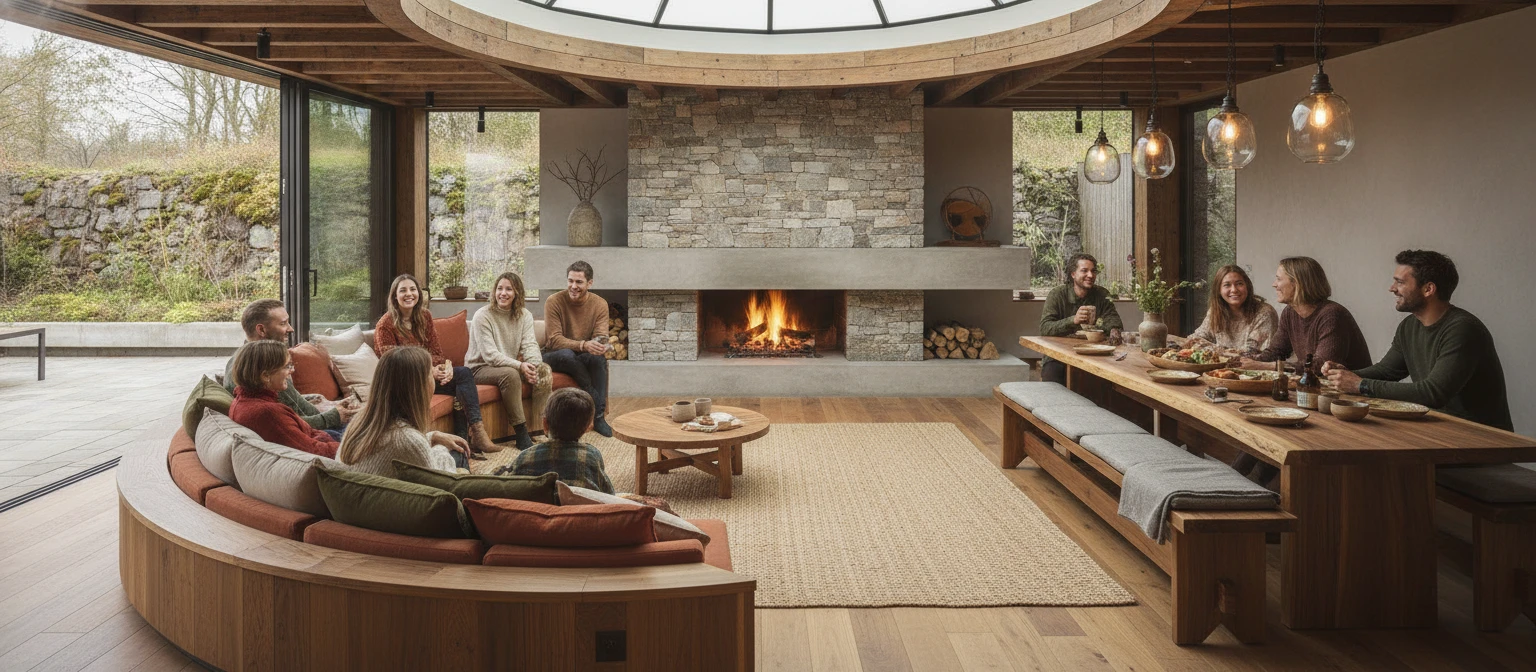
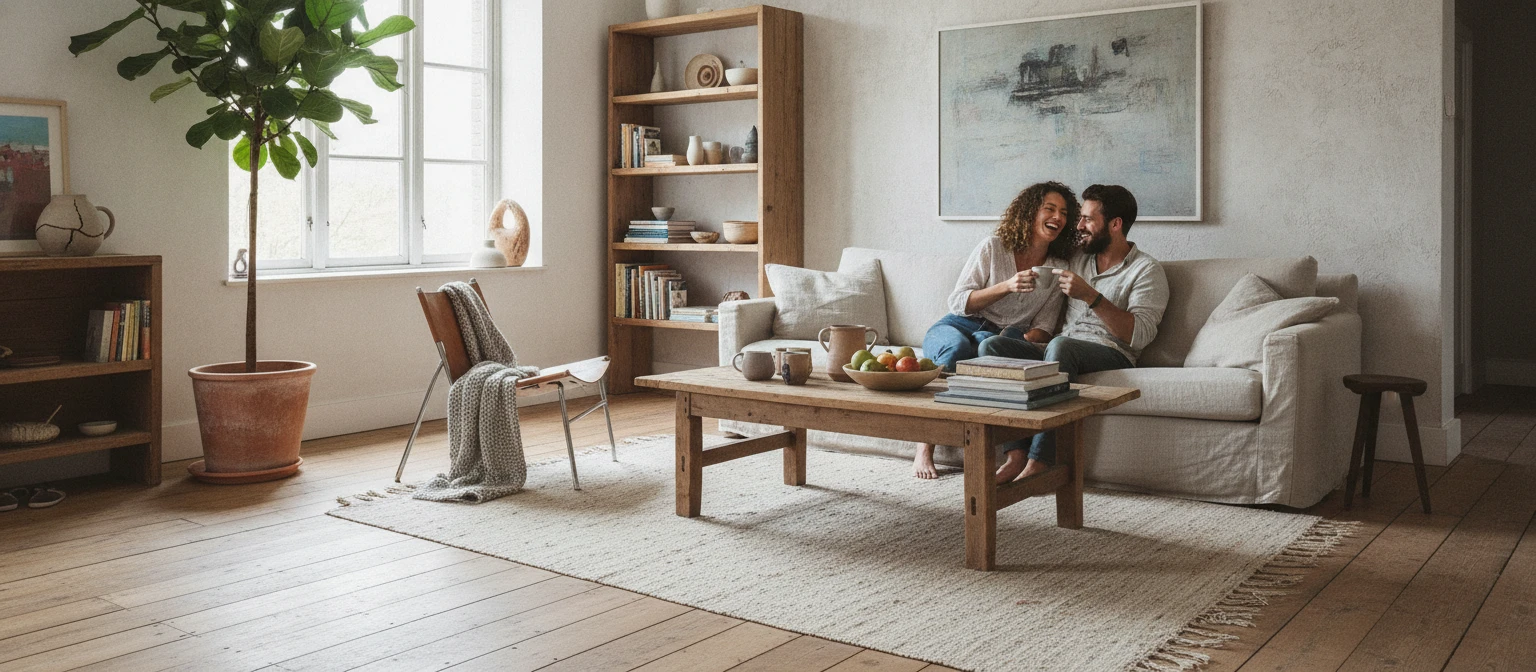
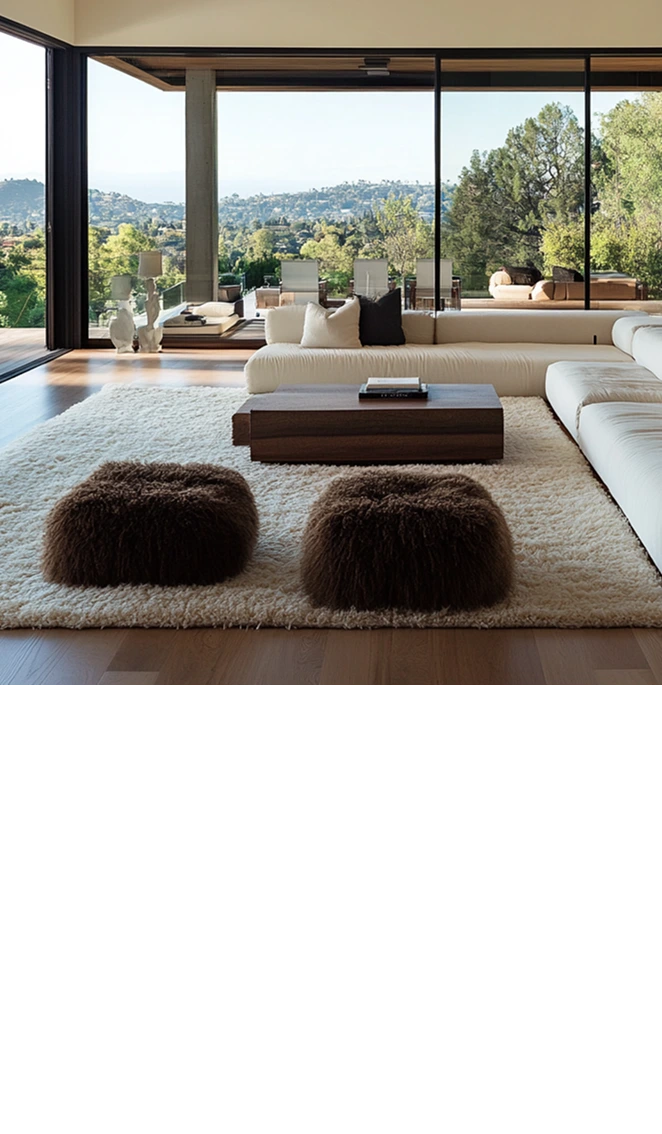
When designing for sensory experience, touch is an element that cannot be overlooked. The tactile quality of materials plays a crucial role in shaping the ambiance of a space. In luxury settings, the choice of materials such as velvet, silk, or high-grade leather can evoke feelings of comfort and opulence. These materials invite interaction, encouraging guests to engage with their surroundings in a more intimate manner. At AB Concepts, we prioritize material storytelling, selecting textures that not only complement the visual aesthetics but also enhance the sensory experience. The sensation of running one’s hand along a smooth marble countertop or feeling the warmth of a wooden surface can evoke emotional responses that contribute to the overall narrative of the space. Sight, on the other hand, is about the strategic use of color, light, and form to guide the visual journey of a space. The interplay of natural and artificial lighting can dramatically alter the perception of a room, highlighting architectural features and creating mood. Color palettes are carefully curated to evoke specific emotions, whether it’s the calming effect of soft neutrals or the invigorating energy of bold hues. Spatial feel, the third pillar of sensory design, involves the orchestration of layout and flow. It’s about ensuring that spaces are not only aesthetically pleasing but also functional and intuitive. The arrangement of furniture, the scale of objects, and the balance of negative space all contribute to how a space is perceived and navigated. A well-designed space should feel effortless, guiding occupants naturally from one area to another, fostering a sense of comfort and ease.