Sustainable Textures: Eco-Friendly Materials Shaping the Future of Design
In the evolving landscape of architecture and interior design, the quest for sustainability has become more than just a trend; it is a necessity. As environmental concerns continue to rise, the demand for eco-friendly materials that do not compromise on aesthetics or functionality is increasing. This shift is particularly evident in the textures and materials used in design, where sustainability and innovation intersect to create spaces that are both beautiful and responsible. At AB Concepts, we understand that the poetry of space is not just about visual appeal but also about the stories these materials tell—stories of sustainability, responsibility, and a commitment to the future. Our clients, who value refined aesthetics and meaningful spaces, are increasingly seeking materials that reflect their lifestyle while minimizing environmental impact. This article explores the concept of sustainable textures and how they are shaping the future of design. We delve into the importance of choosing eco-friendly materials, the various types available, and how they contribute to creating spaces that are not only timeless but also environmentally conscious. By understanding the impact of these materials, homeowners and business owners can make informed decisions that elevate their living spaces while contributing to a more sustainable world.
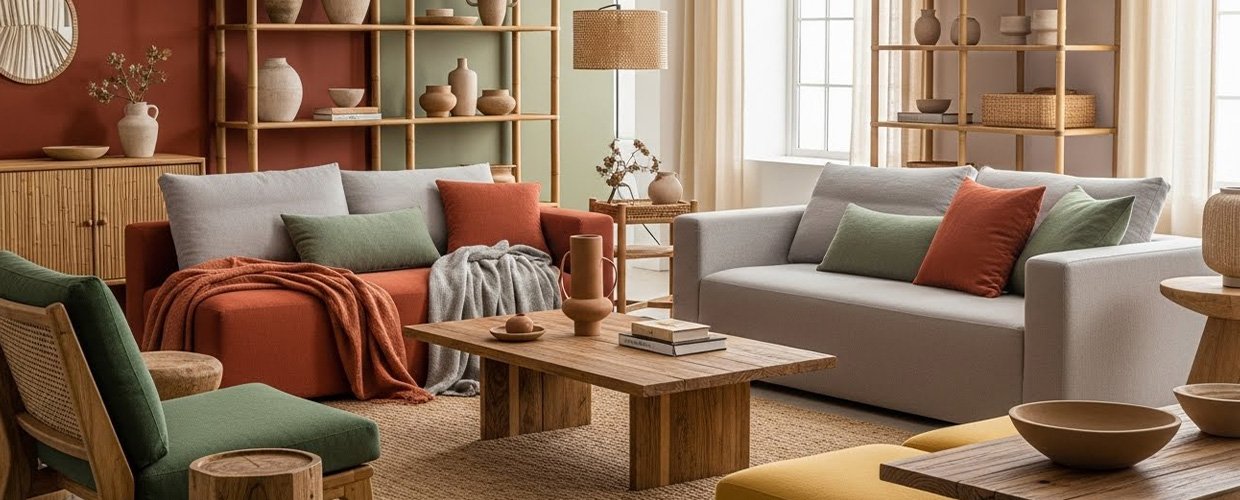
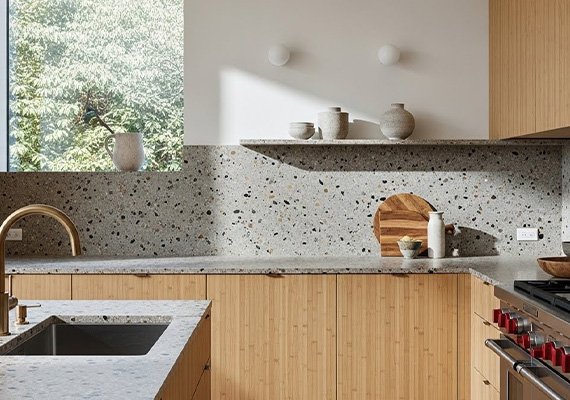
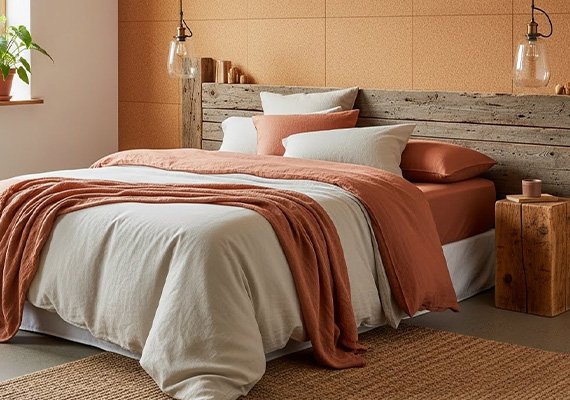
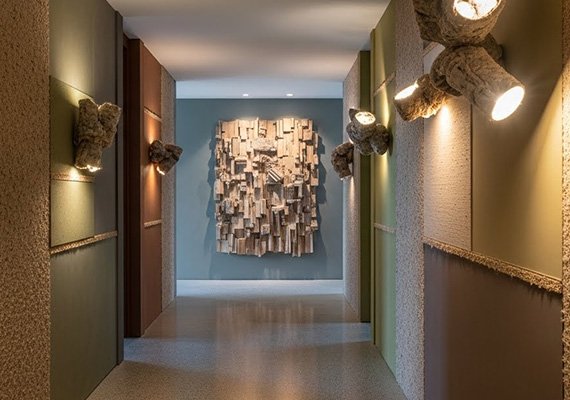
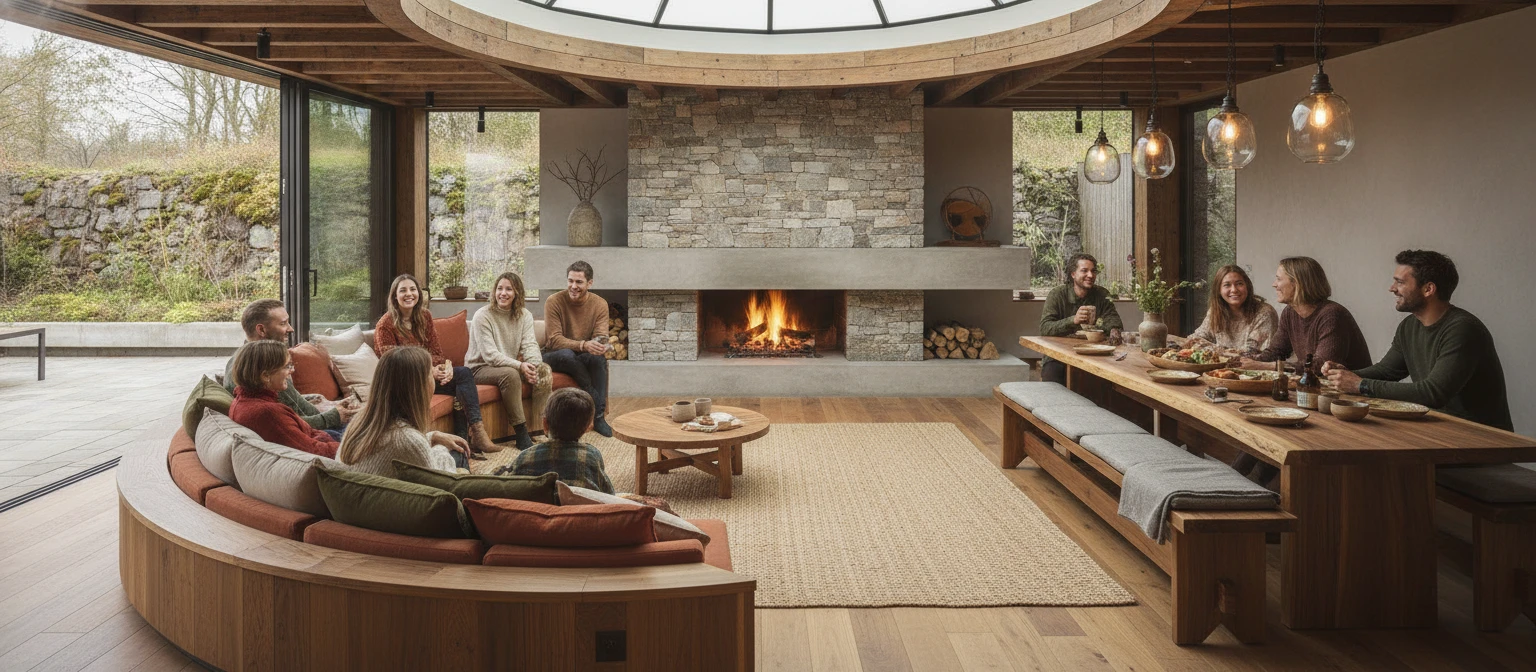
The integration of sustainable textures in design is revolutionizing the way we think about materials and their impact on the environment. One of the most significant benefits of using eco-friendly materials is their reduced carbon footprint. Materials such as reclaimed wood, bamboo, and recycled metal not only offer unique textures and aesthetics but also ensure that fewer natural resources are depleted in the process. Reclaimed wood, for instance, provides a rustic charm that is unmatched by new wood, while bamboo, known for its rapid growth and renewability, offers a sleek and modern look. Furthermore, recycled metal can be transformed into stunning fixtures and accents that add a touch of industrial elegance to any space. These materials are not only sustainable but also durable, ensuring that the spaces created are both beautiful and long-lasting. Additionally, sustainable textures often come with health benefits, as they tend to be free from harmful chemicals and toxins found in conventional materials. This aspect is particularly important for our discerning clients who prioritize health and well-being alongside aesthetics. By opting for eco-friendly materials, designers can create environments that promote healthier living while also supporting the global movement towards sustainability. As we look to the future, the role of sustainable textures in design will only continue to grow, offering endless possibilities for innovation and creativity in creating spaces that are as responsible as they are beautiful.
In conclusion, sustainable textures are not just a fleeting trend in the design world; they are a fundamental shift towards more responsible and environmentally conscious practices. The use of eco-friendly materials such as reclaimed wood, bamboo, and recycled metal not only enhances the aesthetic appeal of a space but also aligns with the growing demand for sustainability in design. These materials offer unique textures that tell a story of innovation, durability, and environmental responsibility. For homeowners and business owners who value refined aesthetics and meaningful spaces, incorporating sustainable textures into their design projects is a way to elevate their living environment while contributing to a healthier planet. As we move forward, the emphasis on sustainability will continue to shape the future of design, encouraging more creative and responsible choices. At AB Concepts, we are committed to leading this change, crafting spaces that are not only timeless but also a testament to the beauty of sustainable design. By embracing these eco-friendly materials, we can create a future where design is synonymous with sustainability, innovation, and the poetry of space.
TRENDING NOW
How Texture and Color Work Together to Shape Human Experience