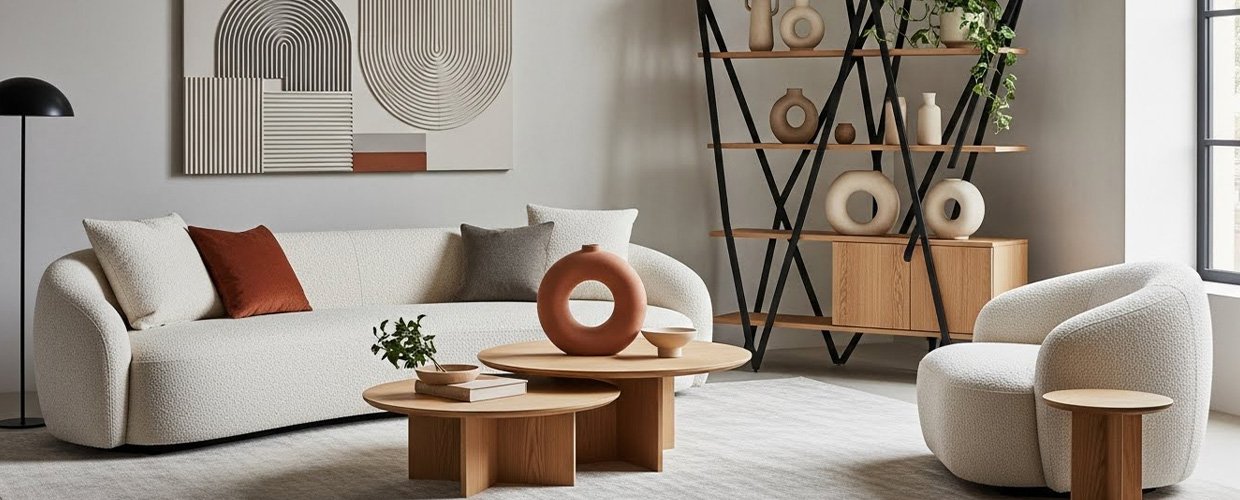
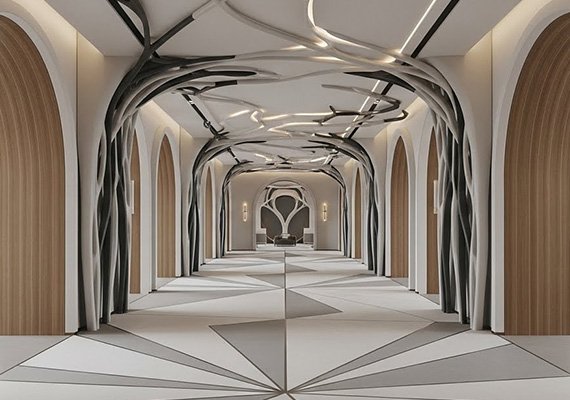
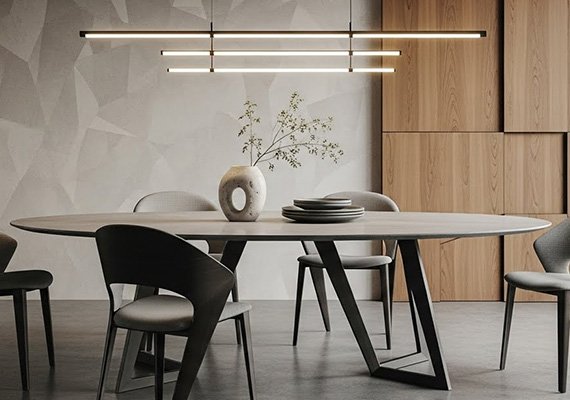
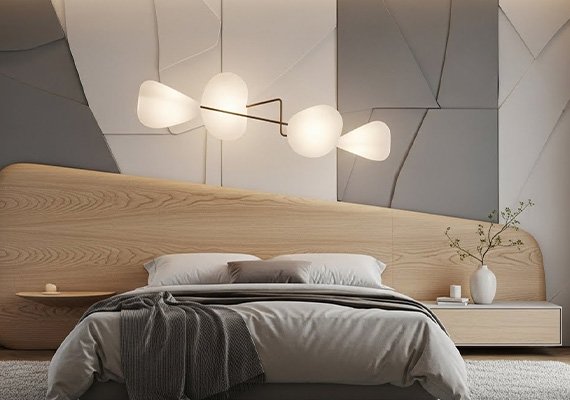
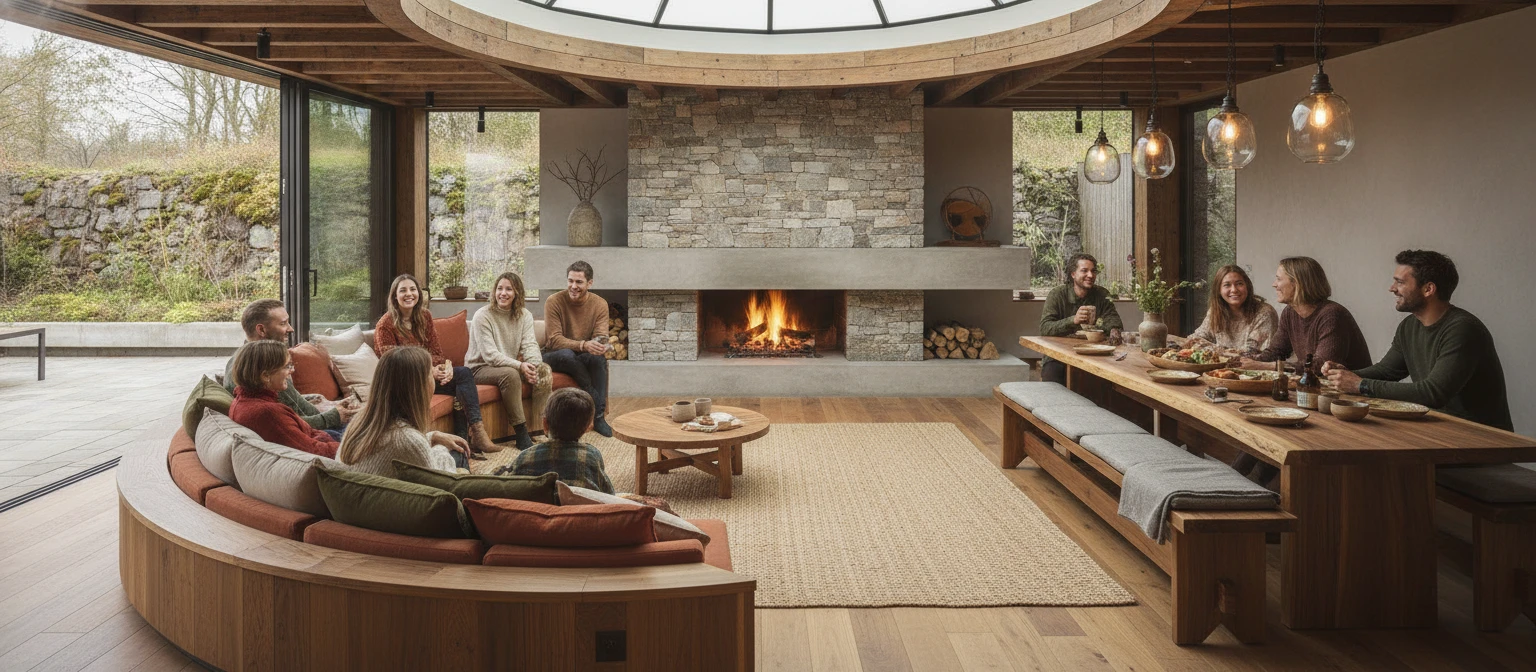
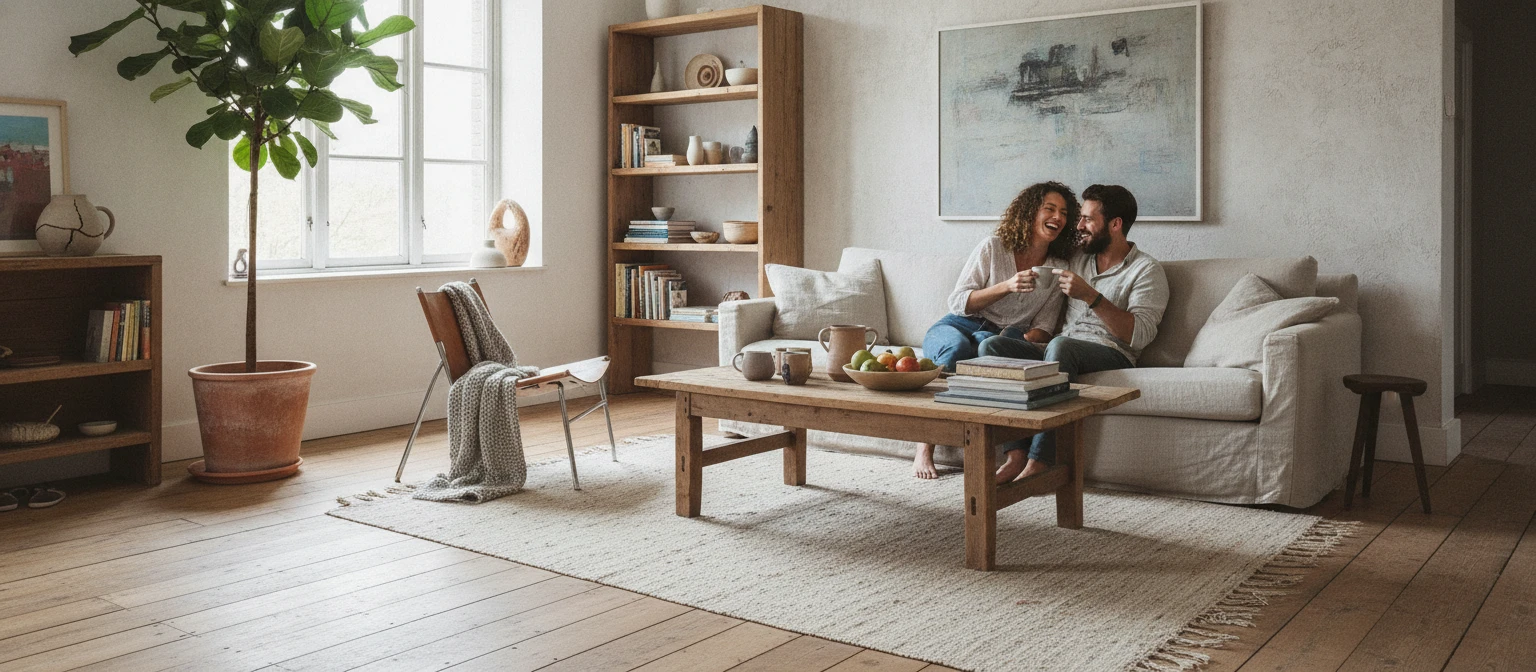
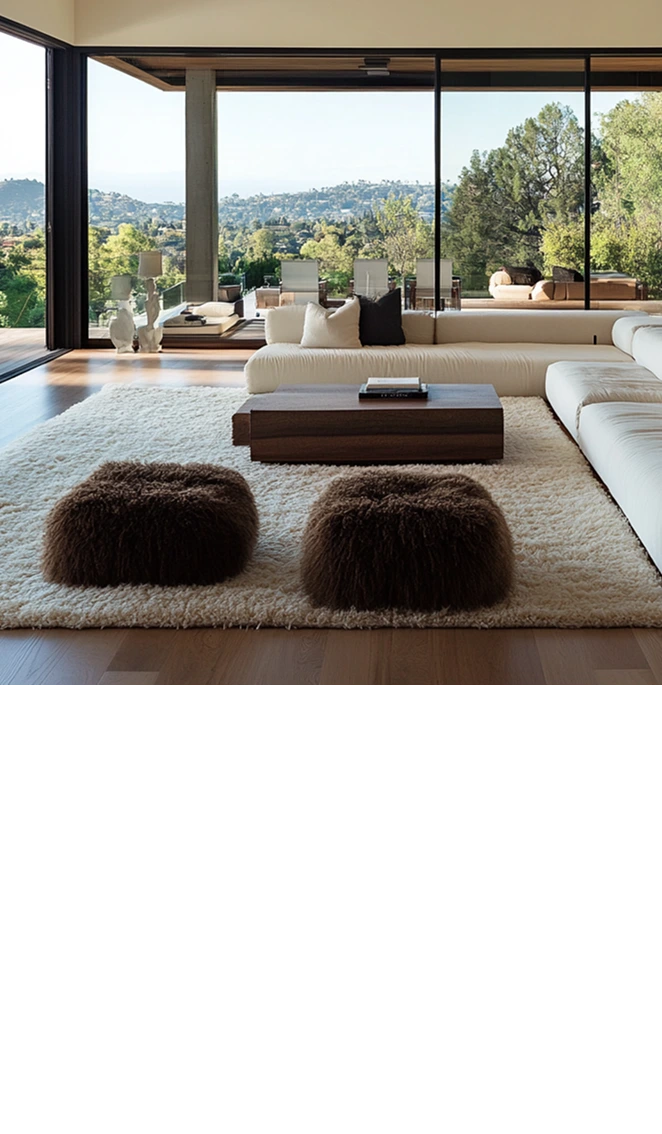
The concept of balancing organic forms with geometric shapes in design is not merely about aesthetics; it’s about creating a dialogue between nature and human ingenuity. Organic forms, characterized by their curvilinear, asymmetrical, and often unpredictable nature, draw inspiration from the natural world. These forms evoke a sense of fluidity and movement, bringing a touch of the outside world into interior spaces. Think of the gentle curve of a leaf, the undulating line of a river, or the irregular contour of a mountain. Incorporating these elements into design can soften the harshness of a space, creating a sense of calm and relaxation. On the other hand, geometric shapes are defined by their precision, symmetry, and mathematical order. Squares, circles, triangles, and other polygons represent the human desire for order and control. These shapes are often associated with modernity and minimalism, offering a clean, structured aesthetic that can anchor a space. In the hands of a skilled designer, the interplay between these two elements can result in a harmonious environment that feels both dynamic and grounded. For instance, a living room might feature a sleek, geometric coffee table set against a backdrop of organic-patterned wallpaper, creating a visual balance that is both striking and serene. The key lies in understanding the emotional and psychological impact of these forms and using them to craft spaces that are not only beautiful but also meaningful.