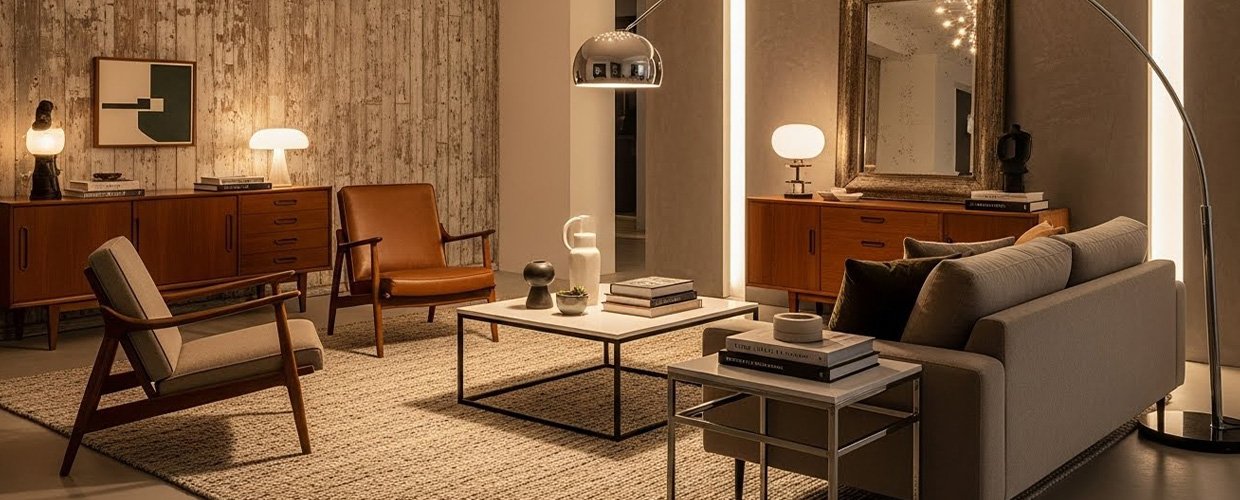
December 12, 2025
A Designer’s Guide to Mixing Vintage and Modern Textures
In the world of interior design, the fusion of vintage and modern textures is more than just a trend—it’s an art form that transforms spaces into timeless sanctuaries. At AB Concepts, we understand that the poetry of space is written through the thoughtful interplay of different design elements. Mixing vintage and modern textures allows homeowners and business owners to create environments that speak to both nostalgia and innovation, offering a unique narrative that elevates everyday living. This guide is designed for those who appreciate sophistication and are willing to invest in creating spaces that reflect their personal style and enhance their lifestyle. By blending the classic charm of vintage pieces with the sleek lines of modern design, you can achieve a balanced aesthetic that is both dynamic and cohesive. This approach not only adds depth and character to a room but also showcases a discerning taste for design that is both refined and personal. As you embark on this creative journey, consider the textures that resonate with you. From the rich patina of aged wood to the smooth finish of contemporary metals, each element contributes to the overall story of your space. Understanding how these textures interact and complement each other is key to mastering this design technique. This guide will provide you with insights and strategies to seamlessly integrate vintage and modern textures, ensuring your space is as functional as it is beautiful. Whether you are redesigning a single room or an entire home, the principles outlined here will help you create a space that is both timeless and uniquely yours.
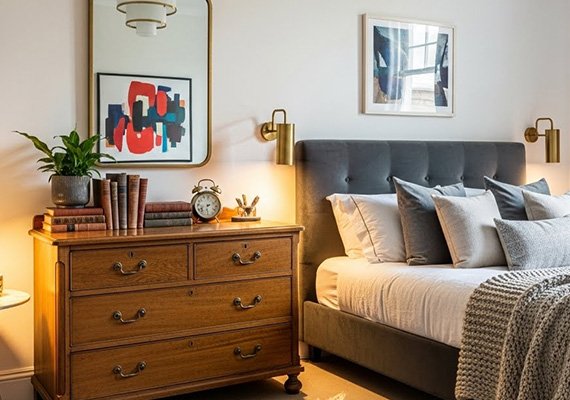
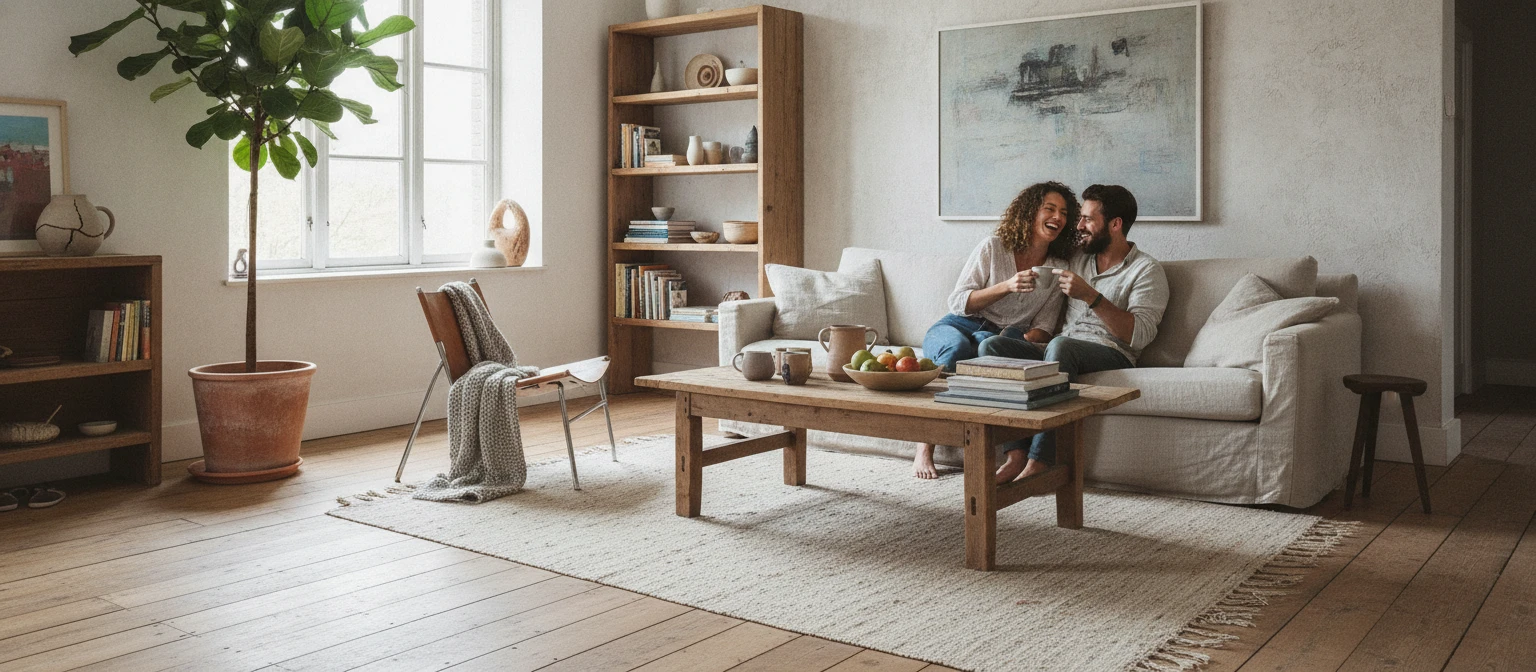
The art of mixing vintage and modern textures begins with understanding the characteristics and emotional impact of each element. Vintage textures often evoke a sense of history and nostalgia, characterized by materials like distressed wood, aged leather, and intricate textiles. These elements bring warmth and depth to a space, offering a lived-in feel that invites comfort and reflection. On the other hand, modern textures are typically sleek and minimalistic, featuring materials such as glass, polished metals, and smooth plastics. These elements contribute to a clean and uncluttered aesthetic, promoting a sense of openness and clarity. To successfully blend these contrasting styles, start by identifying the focal points of your space. A vintage rug with a modern sofa, for instance, can create a stunning visual contrast that draws the eye and anchors the room. Consider the color palette as well; neutral tones often serve as a harmonious backdrop that allows both vintage and modern elements to shine. Layering textures is another effective strategy. Pair a vintage wooden coffee table with contemporary metal accessories to create a tactile experience that is both intriguing and cohesive. Lighting also plays a crucial role in highlighting textures. Use a combination of vintage lamps and modern fixtures to create a dynamic interplay of light and shadow, enhancing the overall ambiance. Remember, the goal is to create a space that feels curated and intentional, rather than chaotic. By thoughtfully selecting and combining textures, you can craft an environment that is as functional as it is aesthetically pleasing, reflecting a sophisticated blend of past and present.
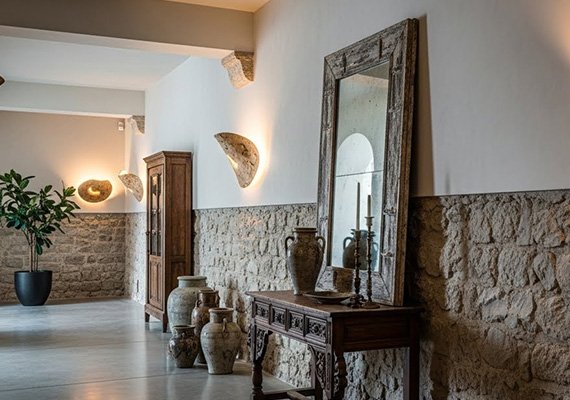
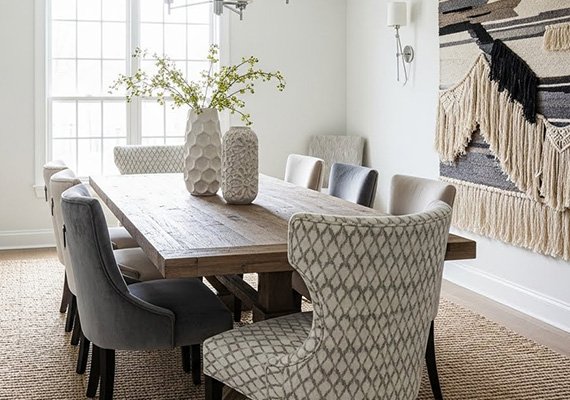
Successfully mixing vintage and modern textures requires a keen eye for detail and a deep understanding of design principles. The key takeaways from this guide emphasize the importance of balance and intentionality in your design choices. Start by identifying the textures that resonate with your personal style and consider how they can complement each other within the space. Remember, the goal is to create a harmonious blend that tells a story, rather than a disjointed collection of elements. Pay attention to the scale and proportion of each piece to ensure a cohesive look. Utilize a neutral color palette to provide a versatile backdrop that enhances the interplay of textures. Layering is crucial—combine different materials to add depth and interest, but be mindful of clutter. Lighting should not be overlooked, as it can dramatically affect the perception of texture and space. Use a mix of vintage and modern lighting fixtures to create an inviting atmosphere. Finally, trust your instincts and allow your space to evolve. Design is an ongoing process, and as your tastes and needs change, so too can your environment. By following these guidelines, you can create a space that is not only beautiful but also deeply personal and reflective of your unique story.
TRENDING NOW