December 12, 2025
Layering Textures Like a Pro: A Guide to Depth and Dimension in Interior Design
In the world of interior design, creating spaces that captivate and inspire is an art form. At AB Concepts, we embrace the poetry of space, where each element plays a pivotal role in crafting environments that are not only functional but also deeply personal and timeless. One of the most effective ways to achieve this is through the strategic layering of textures, a technique that adds depth and dimension to any room. This guide, ‘Layering Textures Like a Pro: A Guide to Depth and Dimension in Interior Design,’ is designed to help homeowners and business owners alike understand the transformative power of texture in interior design. By skillfully combining different materials, finishes, and patterns, you can elevate your space from ordinary to extraordinary, creating a rich tapestry that reflects your unique style and enhances everyday living. Whether you’re drawn to the sleek sophistication of modern design or the cozy warmth of traditional aesthetics, mastering the art of texture layering can help you achieve the desired ambiance and visual interest in your space. In this guide, we will explore the fundamentals of texture layering, offering practical tips and insights to help you create spaces that are both visually appealing and emotionally resonant. From understanding the different types of textures and their impact on a room’s atmosphere to learning how to balance and contrast them effectively, this comprehensive guide will equip you with the knowledge and confidence to transform your interiors into works of art. So, let’s embark on this journey of discovery and uncover the secrets to layering textures like a pro.
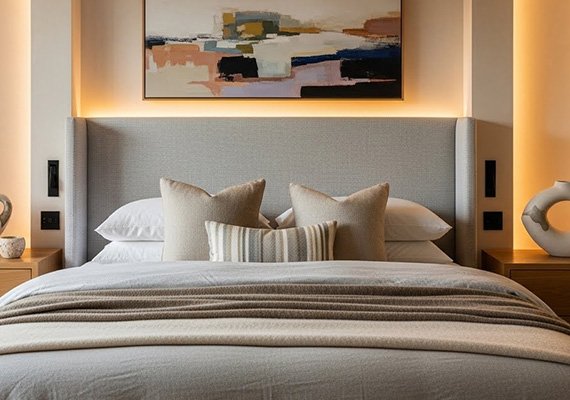
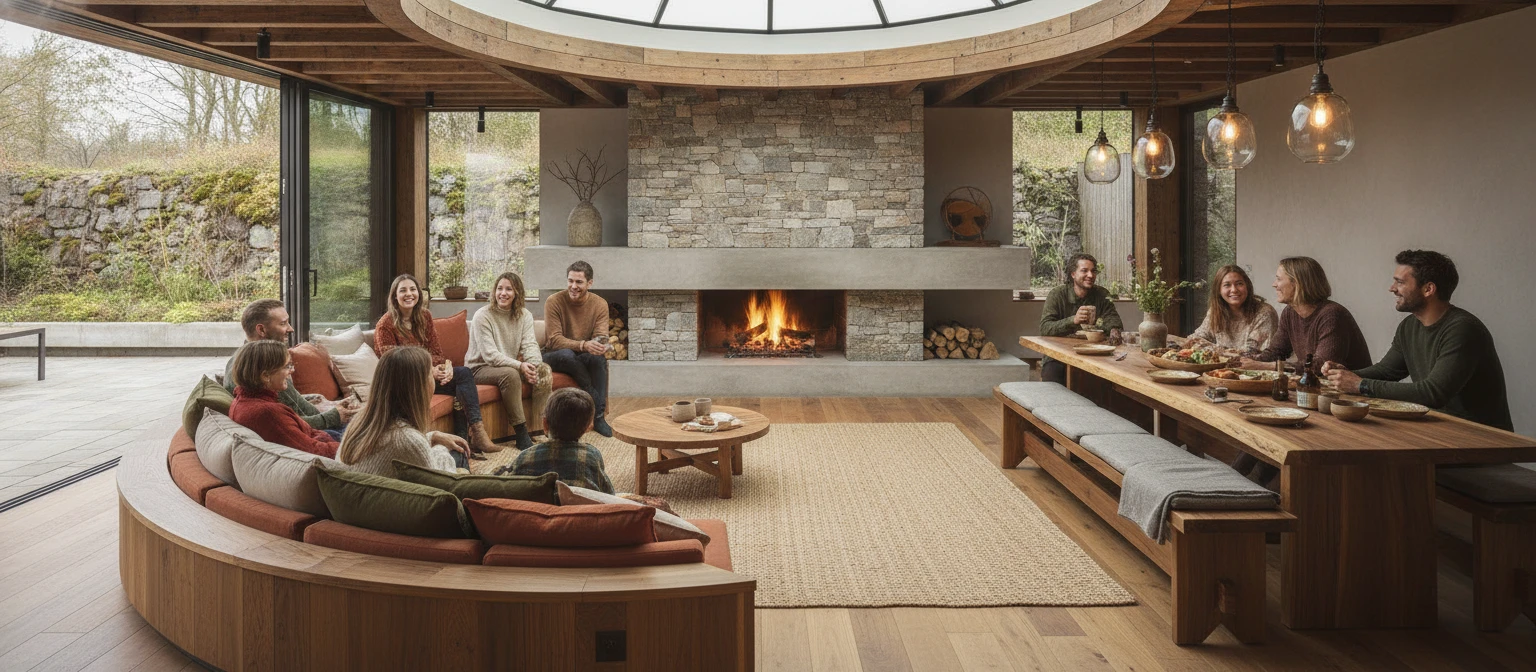
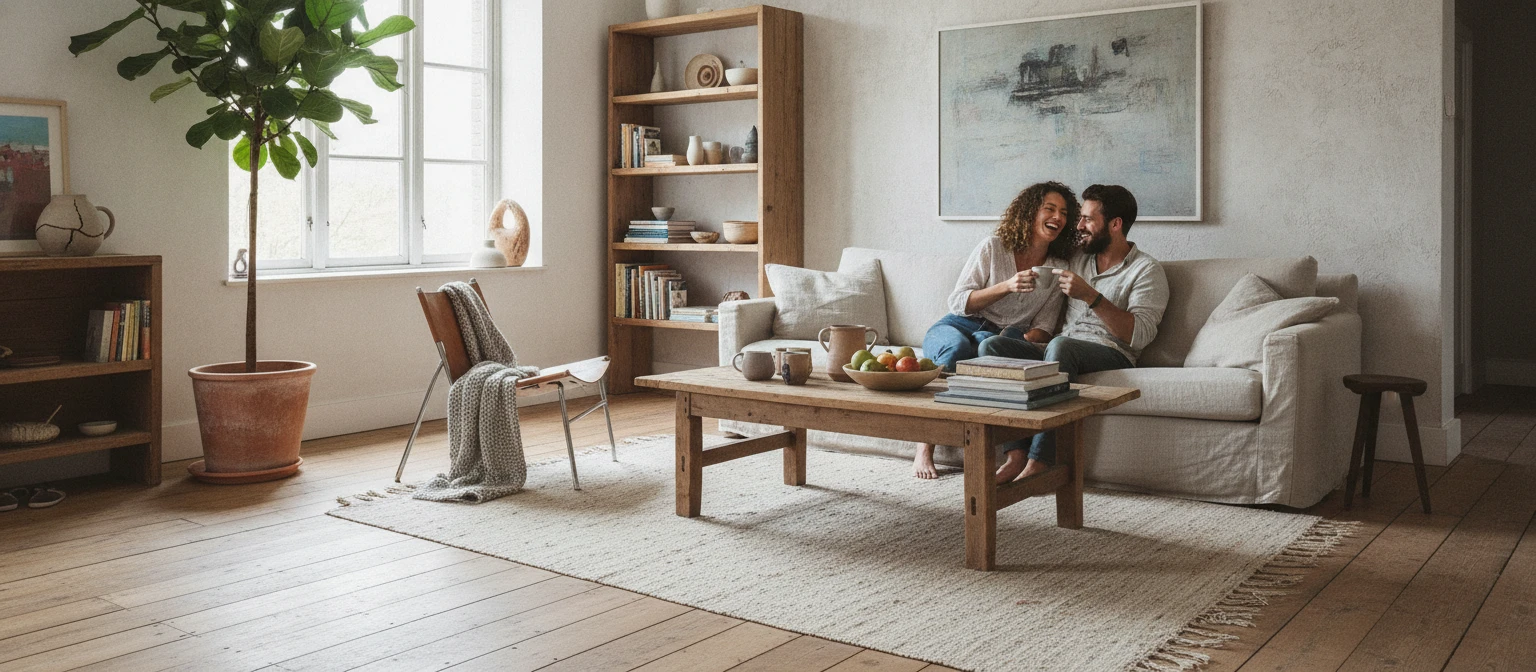
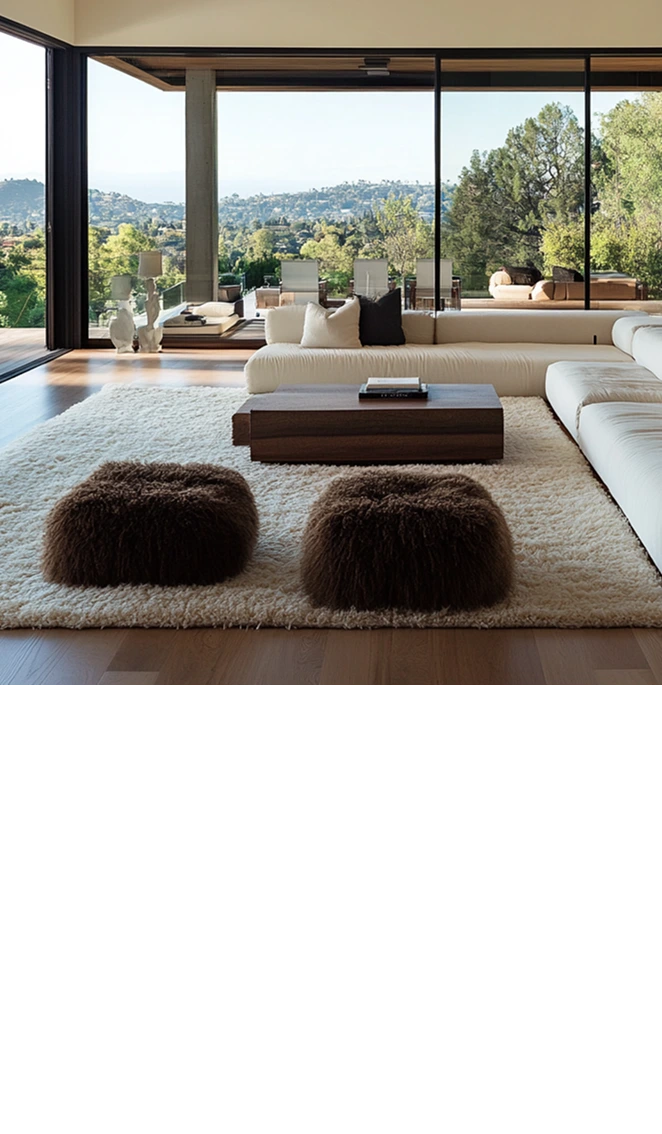
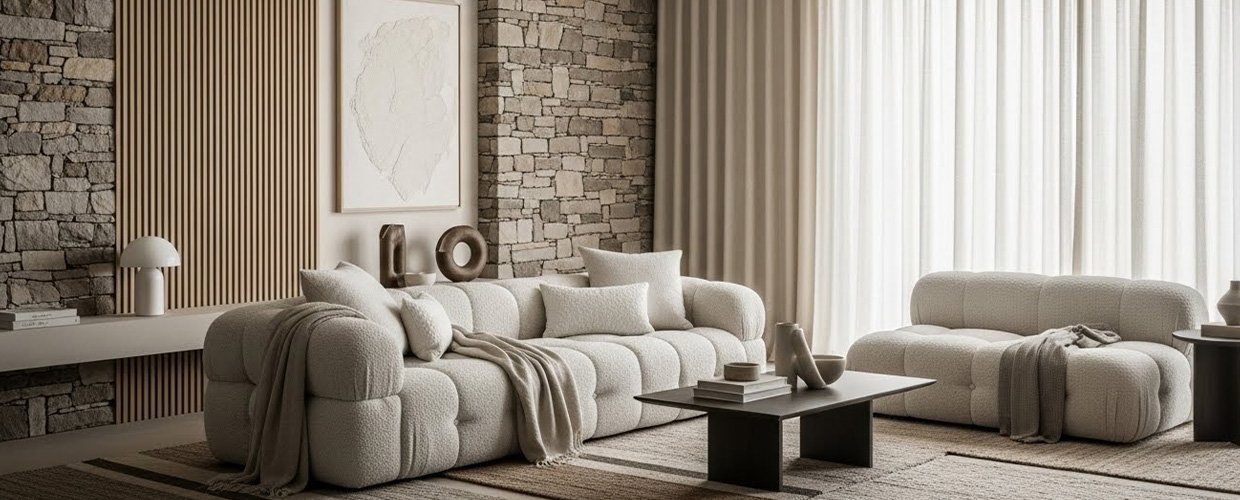
Layering textures is more than just an aesthetic choice; it is a fundamental principle in interior design that can significantly influence the mood and functionality of a space. At its core, texture refers to the surface quality of materials—whether they are smooth, rough, soft, or hard—and how they interact with light and shadow. When used thoughtfully, textures can create a sense of depth and dimension, making a room feel more dynamic and inviting. For instance, consider a living room with a plush velvet sofa, a sleek glass coffee table, and a rustic wooden floor. Each of these elements brings a distinct texture to the space, contributing to a layered and cohesive design. The soft velvet invites touch and adds warmth, while the glass reflects light and introduces a modern edge. Meanwhile, the wooden floor grounds the room, providing a natural, earthy contrast. This interplay of textures not only enhances the visual appeal of the room but also creates a multisensory experience that engages occupants on a deeper level. When layering textures, it’s important to consider the scale and proportion of each element. Mixing large, bold textures with smaller, subtle ones can create balance and harmony, preventing any single element from overwhelming the space. Additionally, varying the textures within a single color palette can add complexity and interest without compromising the overall cohesion of the design. By experimenting with different combinations and paying attention to how textures interact with one another, you can craft a space that feels both sophisticated and inviting. Ultimately, the key to successful texture layering lies in understanding the emotional response that different textures evoke and using that knowledge to create a space that resonates with your personal style and enhances your quality of life.
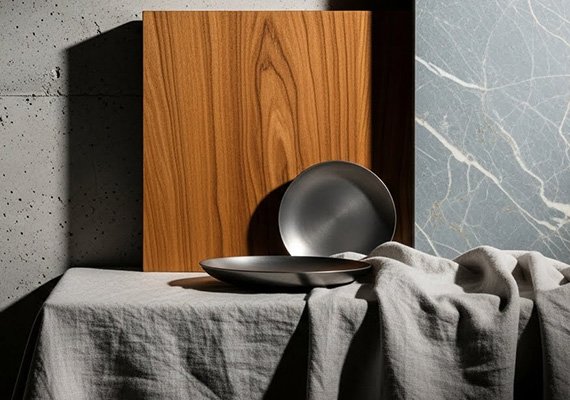
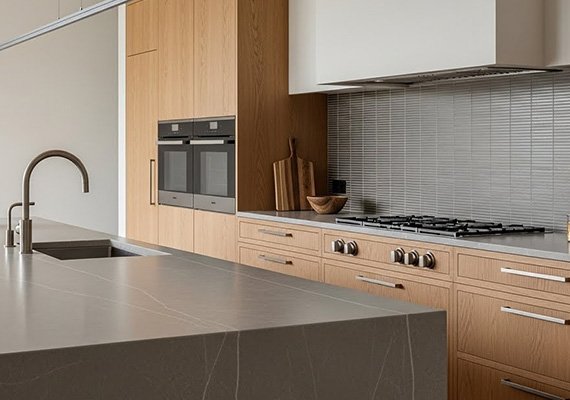
As we conclude this guide on ‘Layering Textures Like a Pro: A Guide to Depth and Dimension in Interior Design,’ it’s essential to remember the transformative power of texture in creating spaces that are both beautiful and functional. By skillfully layering different textures, you can add depth and dimension to your interiors, making them more engaging and inviting. Start by understanding the various types of textures and how they can influence the mood and atmosphere of a room. Experiment with different combinations, balancing bold and subtle textures to create harmony and interest. Pay attention to the scale and proportion of each element, ensuring that no single texture dominates the space. Remember, texture is not just about visual appeal; it’s about creating a multisensory experience that resonates with occupants on a deeper level. By incorporating a variety of textures, you can craft a space that is not only aesthetically pleasing but also emotionally resonant. Whether you’re redesigning a single room or an entire home, use texture as a tool to express your unique style and enhance your living environment. At AB Concepts, we believe in the poetry of space, where every element tells a story. By mastering the art of texture layering, you can create spaces that are deeply personal, timeless, and designed to elevate everyday living. So, embrace the beauty of texture and transform your interiors into works of art that reflect your individuality and enrich your life.
TRENDING NOW