December 12, 2025
The Rise of Tactile Interiors: Why Texture Is Redefining Modern Design
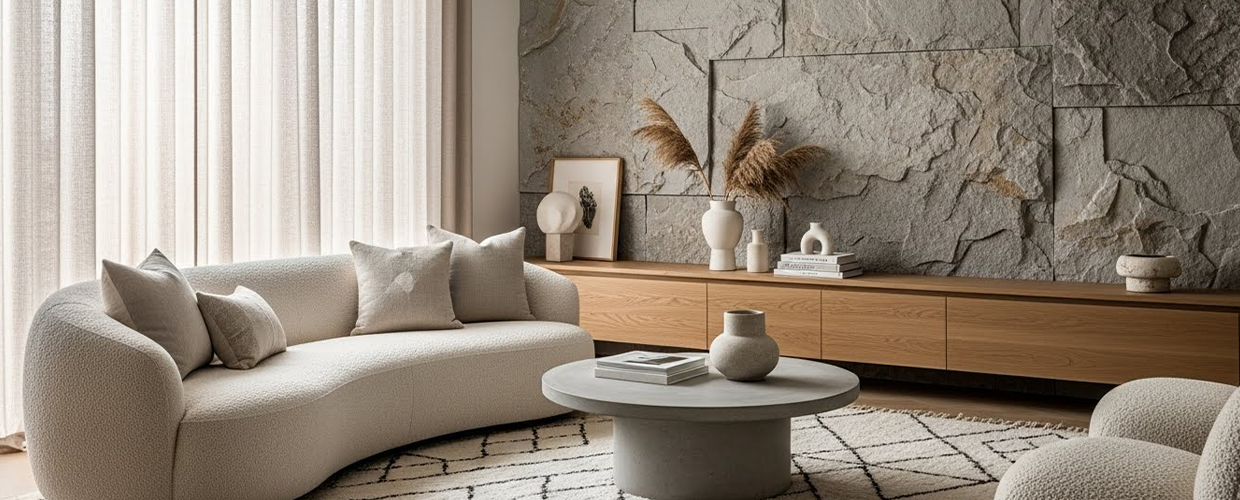
In recent years, the world of interior design has witnessed a significant shift towards tactile interiors, where the sense of touch plays a pivotal role in shaping the ambiance of a space. This trend, known as the rise of tactile interiors, is redefining modern design by emphasizing the importance of texture in creating environments that are not only visually appealing but also emotionally engaging. At AB Concepts, we understand that the poetry of space is not just about visual aesthetics but also about how a space feels to its inhabitants. Tactile interiors are about creating a multi-sensory experience that elevates everyday living into something extraordinary. This approach aligns with our brand purpose of crafting refined and functional environments that tell a unique story. The increasing interest in tactile interiors can be attributed to a growing desire for spaces that offer comfort and connection in an increasingly digital world. As people spend more time in front of screens, the longing for physical experiences has intensified. Textures such as soft velvets, rugged stone, and natural wood grains provide a sensory richness that digital experiences simply cannot replicate. For homeowners and business owners in Miami, Florida, and surrounding areas, this trend offers a way to transform their spaces into sanctuaries that reflect their lifestyle and values. By integrating various textures, designers can create depth and warmth, making spaces more inviting and personalized. This trend is not just about aesthetics; it’s about enhancing the quality of life by making spaces that feel as good as they look. As we delve deeper into the rise of tactile interiors, we will explore how texture is redefining modern design and the impact it has on creating meaningful, timeless spaces.
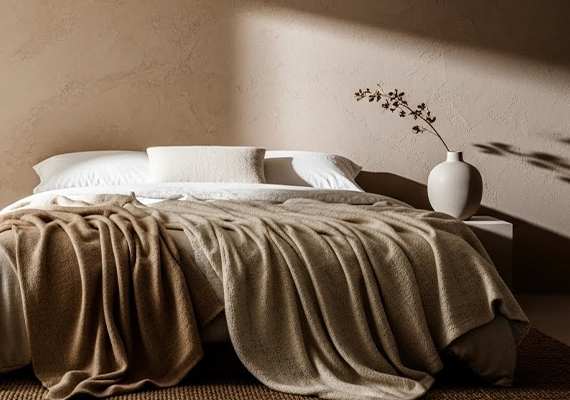
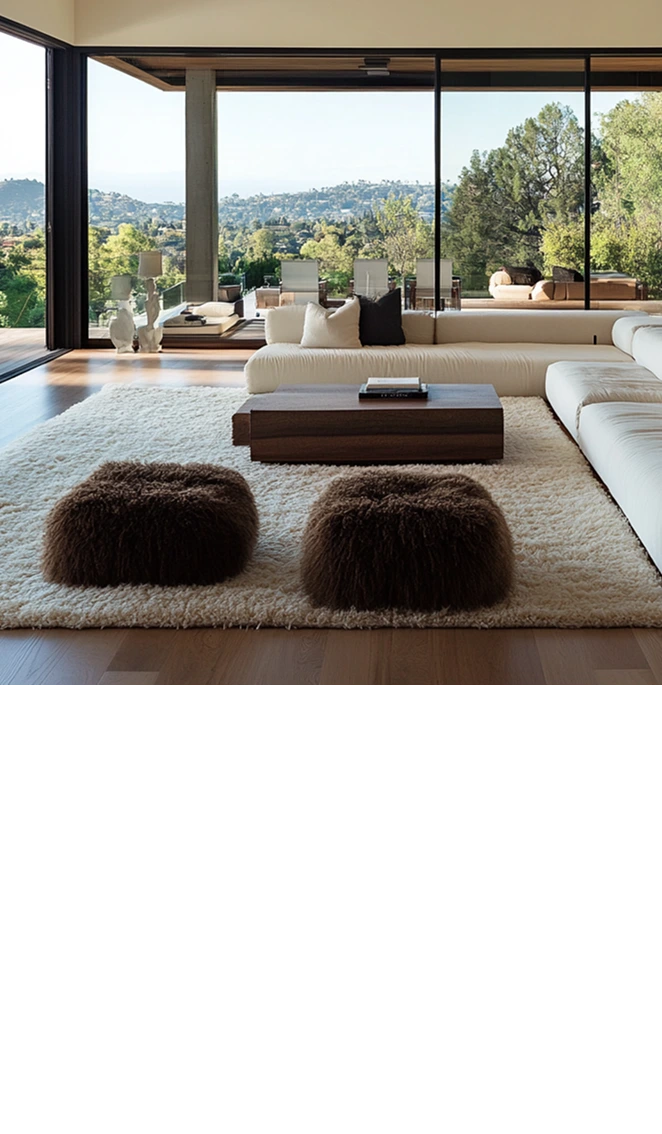
The incorporation of texture in interior design is not a new concept, but its resurgence in modern design speaks volumes about our evolving relationship with our environments. Texture has the power to transform a flat, uninspiring space into a dynamic and engaging one. It can evoke emotions, suggest warmth, and create a sense of comfort and security. In the context of modern design, texture is being used to challenge traditional notions of minimalism, which often prioritized sleek, smooth surfaces and monochromatic color schemes. Today, designers are embracing a more eclectic approach, where contrasting textures are used to add interest and character to a space. For instance, pairing a smooth, polished concrete floor with a plush, shaggy rug can create a striking visual contrast that also invites physical interaction. Similarly, the juxtaposition of raw, unfinished wood with sleek metal fixtures can add an element of surprise and sophistication. This trend is particularly appealing to affluent individuals and families who value sophisticated design and are willing to invest in creating spaces that reflect their discerning taste. At AB Concepts, we see texture as a tool for storytelling. Each material and surface has its own narrative, contributing to the overall story of the space. By carefully selecting and combining textures, we can craft environments that are deeply personal and meaningful. This approach not only enhances the aesthetic appeal of a space but also its functionality, as different textures can influence acoustics, light reflection, and even temperature regulation. As we continue to explore the rise of tactile interiors, it becomes evident that texture is more than just a design element; it is a fundamental aspect of creating spaces that resonate with the human experience.
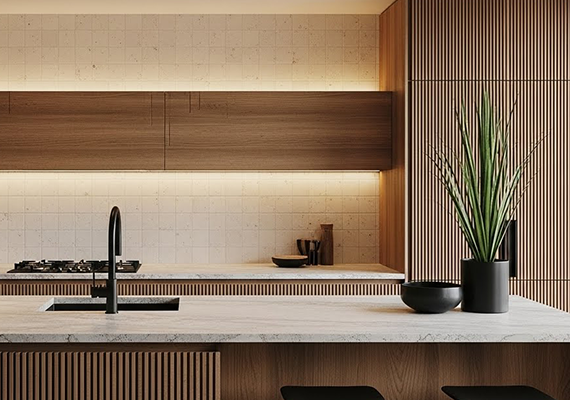
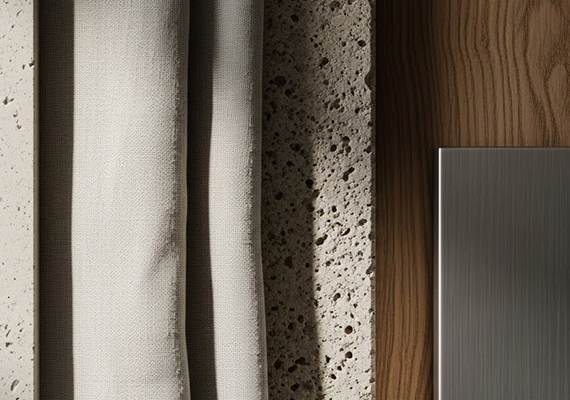
As we conclude our exploration of the rise of tactile interiors, it is clear that texture is playing a crucial role in redefining modern design. This trend is not merely about aesthetics; it is about creating spaces that engage the senses and enhance the quality of life. For homeowners and business owners seeking to elevate their environments, texture offers a powerful tool for personalization and expression. By integrating a variety of textures, designers can craft spaces that are not only visually stunning but also emotionally resonant. At AB Concepts, we believe that the poetry of space is about more than just appearance; it is about how a space feels and the story it tells. As we look to the future, the demand for tactile interiors is likely to continue growing, driven by a desire for spaces that offer comfort and connection in an increasingly digital world. For those considering a redesign, embracing texture can provide a unique opportunity to create environments that are both timeless and deeply personal. In doing so, we can transform everyday living into something extraordinary, celebrating the beauty and richness of the tactile world. Whether through the use of natural materials, innovative finishes, or thoughtful combinations, the possibilities are endless, and the impact profound. As texture continues to redefine modern design, it invites us to engage with our spaces in new and meaningful ways, ultimately enriching our lives and elevating our experiences.
TRENDING NOW