November 7, 2025

How Lighting Enhances Texture and Depth in Interior Design

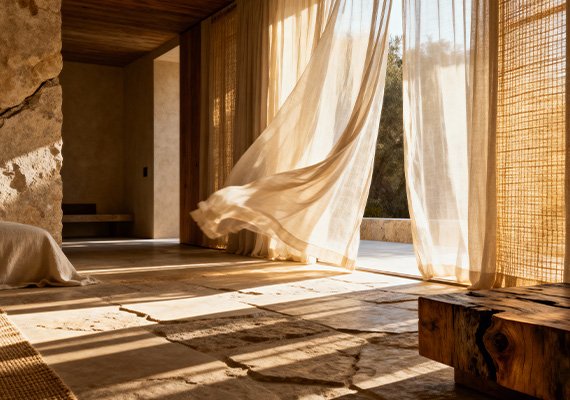
In the realm of interior design, lighting serves as more than just a functional necessity; it is a powerful tool that can transform spaces by enhancing texture and depth. The interplay between light and design elements can redefine a room, shifting perceptions and evoking emotions. For design-conscious homeowners and boutique commercial clients, understanding how lighting can accentuate the texture and depth of materials is crucial in creating spaces that are both aesthetically pleasing and deeply personal. The strategic use of lighting can highlight the intricate details of a textured wall, bring out the richness in materials such as wood or stone, and create a sense of layered complexity in a room. This nuanced approach not only elevates the visual appeal but also adds an emotional dimension to the space, making it feel more inviting and personalized. As we delve into the intricacies of lighting in interior design, we will explore how different lighting techniques can enhance the tactile qualities of materials and create a sense of depth that transforms ordinary spaces into extraordinary environments. This exploration is particularly relevant for our audience at AB Concepts, who value bespoke interiors and collaborative design partnerships. By understanding the profound impact of lighting on texture and depth, clients can engage more deeply in the design process, crafting environments that are not only visually stunning but also resonate on a personal level.
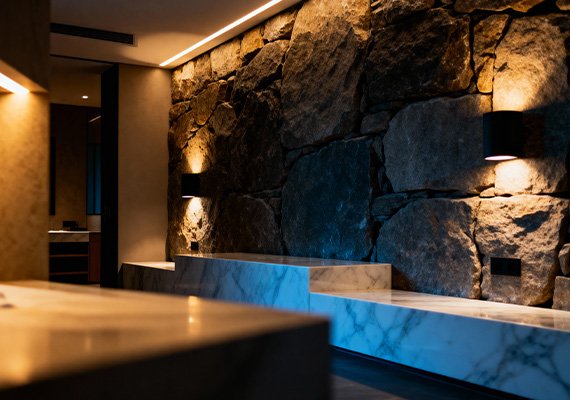
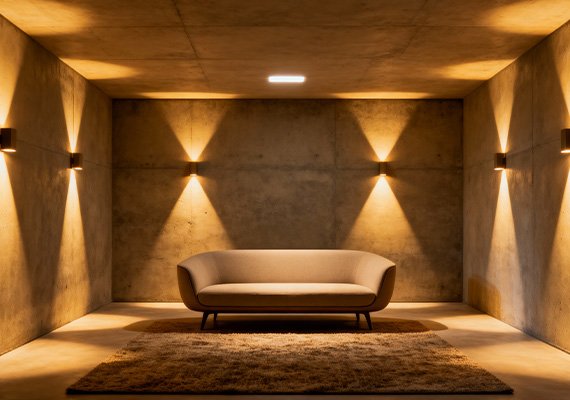
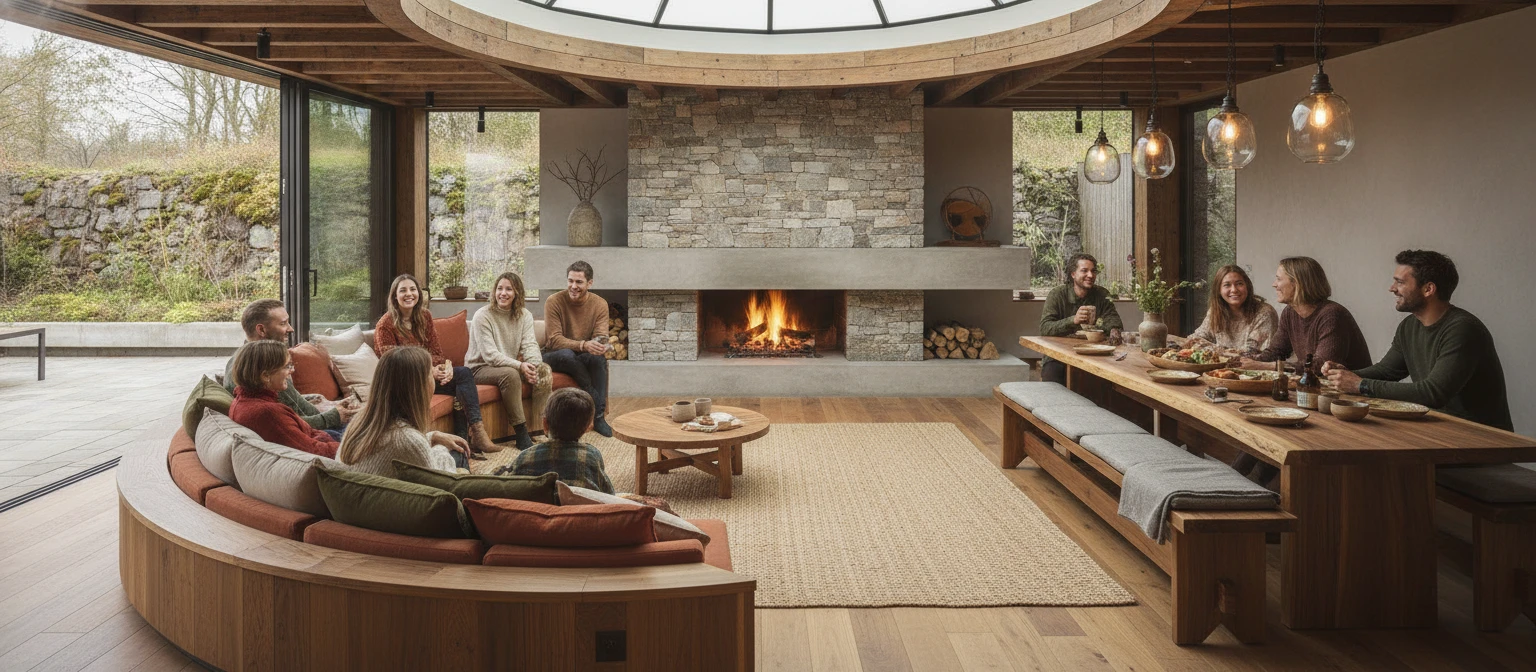
Lighting plays a pivotal role in enhancing the texture and depth within interior spaces, serving as a dynamic element that interacts with materials and architecture. Various lighting techniques, such as ambient, task, and accent lighting, can be employed to bring out the best in textured surfaces. Ambient lighting provides a general illumination that sets the tone of the room, while task lighting focuses on specific areas, highlighting textures in a functional manner. Accent lighting, on the other hand, is used to draw attention to particular features or objects, such as a textured wall or a piece of art, creating visual interest and depth. For instance, a textured brick wall can be dramatically enhanced with the use of wall washers or uplights, which highlight the uneven surface and cast shadows that add depth. Similarly, the use of pendant lights over a wooden dining table can accentuate the grain and natural imperfections of the wood, giving it a warm, inviting glow. The strategic placement of lighting can also create layers within a room, making it feel larger and more complex. By understanding and utilizing these lighting techniques, homeowners and designers can craft spaces that are not only functional but also rich in texture and visual depth. This approach aligns with AB Concepts’ commitment to creating refined, functional environments that are both timeless and deeply personal.
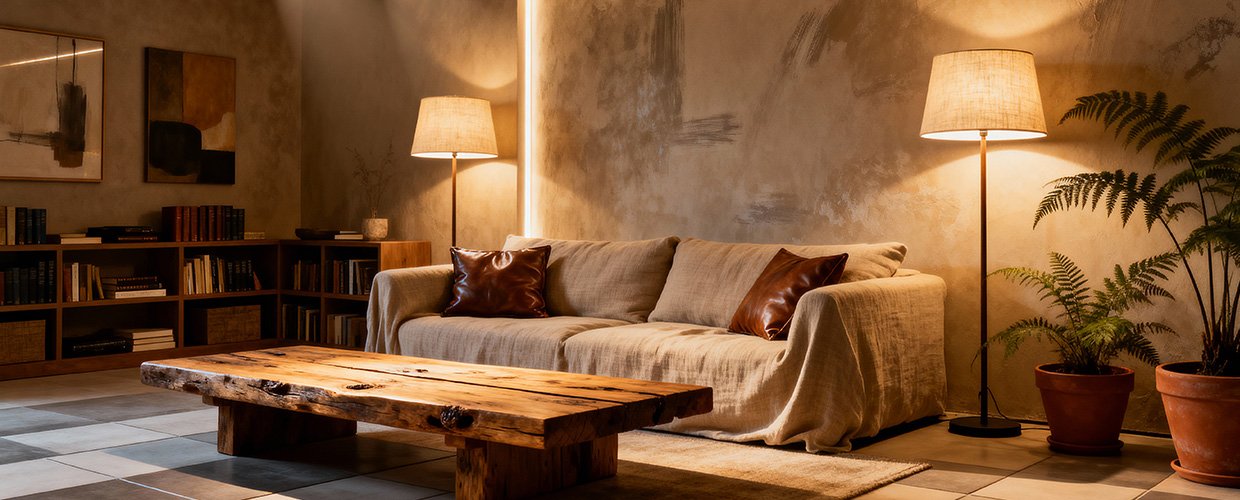
In conclusion, the thoughtful application of lighting in interior design can significantly enhance the texture and depth of a space, transforming it from ordinary to extraordinary. By using a combination of ambient, task, and accent lighting, designers can highlight the unique characteristics of materials, create visual interest, and evoke specific emotions within a space. This nuanced approach to lighting not only enhances the aesthetic appeal but also adds a layer of personalization, making spaces feel more intimate and tailored to the individual. For affluent professionals and boutique commercial clients, understanding the impact of lighting on texture and depth is essential in crafting spaces that are both functional and emotionally resonant. At AB Concepts, we invite you to start a conversation with us about how we can incorporate these principles into your next design project, ensuring that your space is not only beautiful but also a true reflection of your personality and style.

TRENDING NOW

AB Concepts
AB Concepts
AB Concepts

The Poetry of Space