Texture in Architecture: How Surfaces Define Space and Emotion
In the realm of architecture and interior design, texture is a powerful yet often understated element that shapes our experience of space. It transcends the visual, engaging our sense of touch and influencing our emotional responses. At AB Concepts, we understand that texture is not merely a surface characteristic; it is a narrative tool that can transform a building’s atmosphere and imbue it with character. Whether it’s the rough-hewn stone of a rustic wall or the sleek, polished surface of modern glass, textures communicate a story and evoke emotions that resonate on a personal level. For design-conscious homeowners and boutique commercial clients, the choice of texture is integral to creating environments that are both timeless and deeply personal. As we delve into the significance of texture in architecture, we explore how surfaces define space and emotion, offering insights into the ways texture can be utilized to craft refined, functional environments. This exploration is not just about aesthetics; it is about understanding how the tactile qualities of materials can influence mood, perception, and the overall experience of a space. Join us on this journey as we uncover the layers of meaning behind architectural textures and how they can be harnessed to create spaces that speak to the soul.
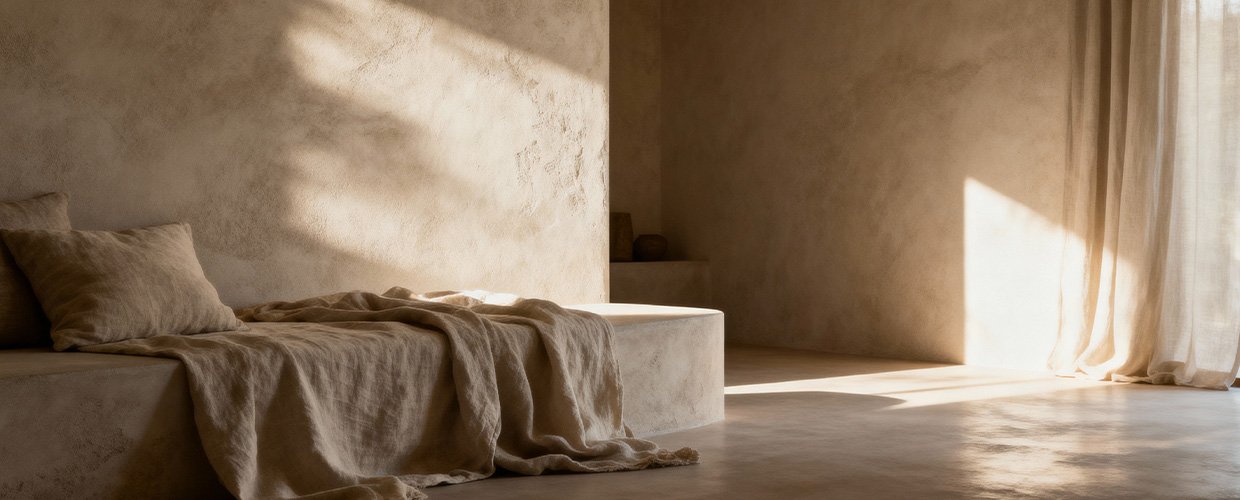
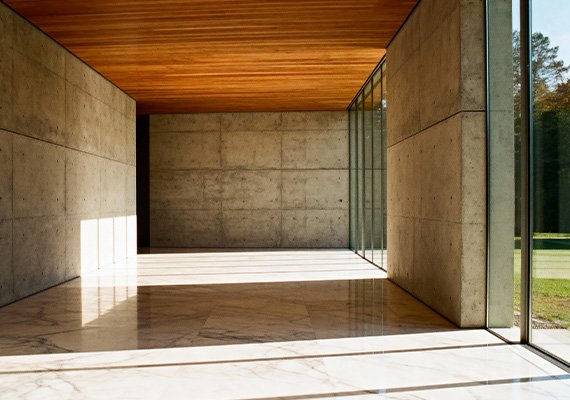
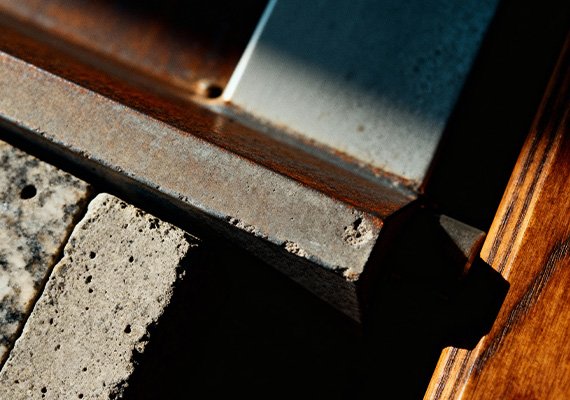
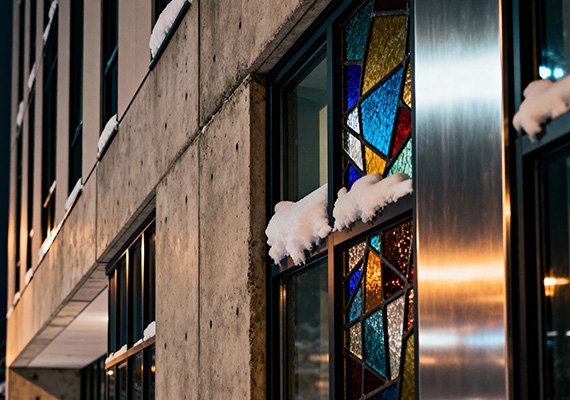
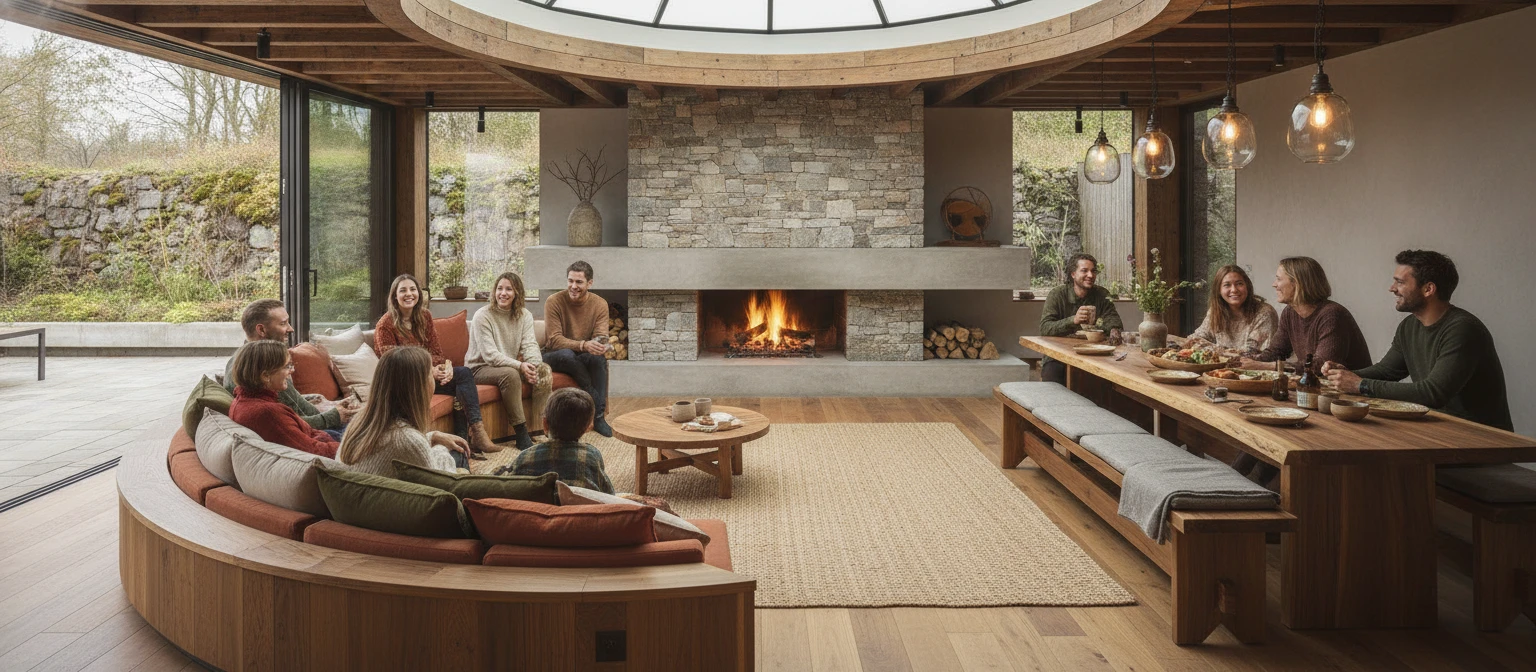
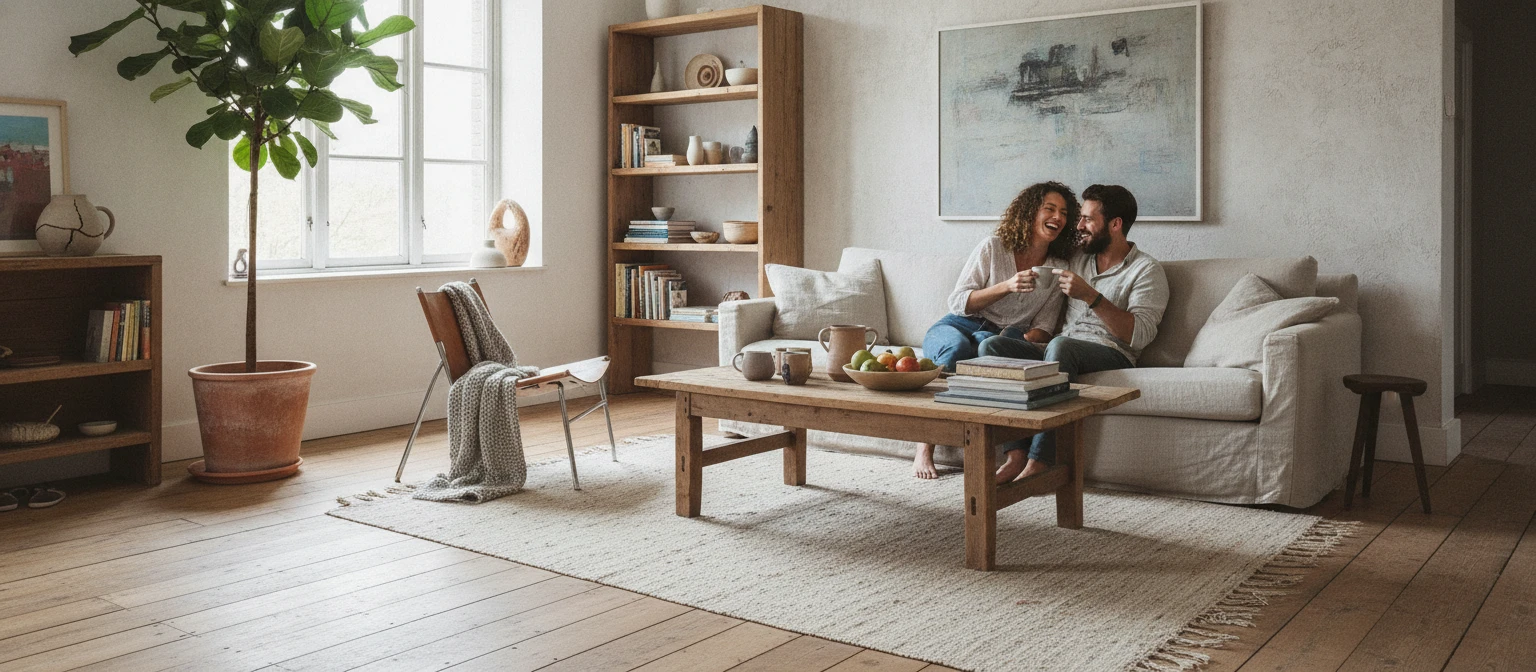
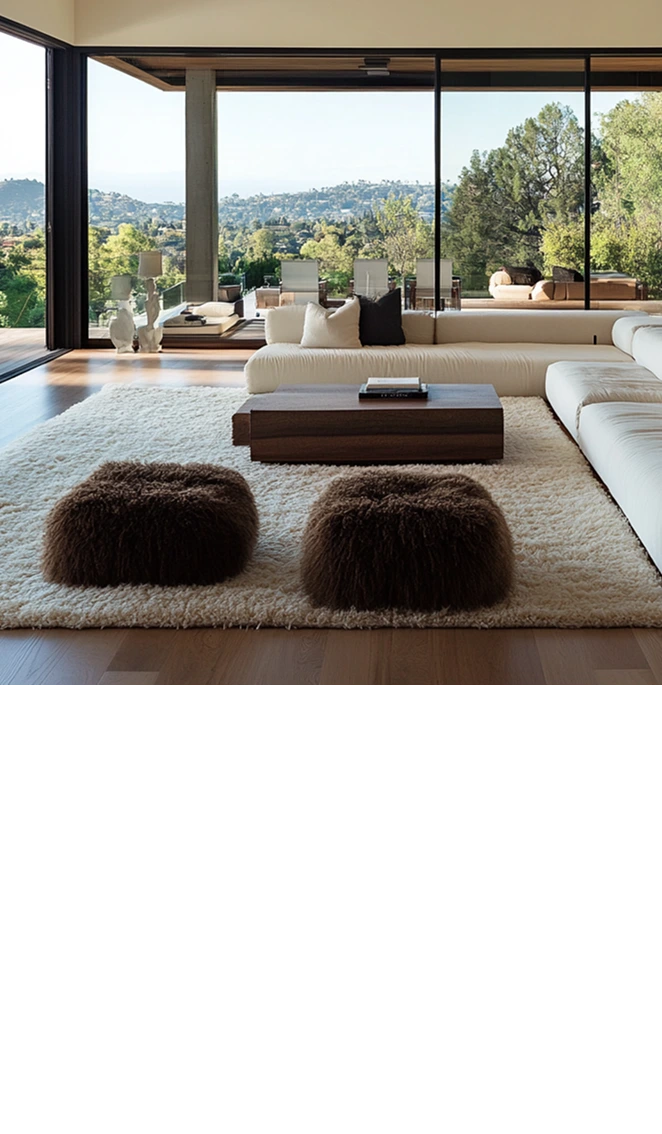
Texture in architecture serves as a bridge between the tangible and the intangible, offering a sensory experience that goes beyond visual appeal. It plays a crucial role in defining the ambiance of a space, influencing how it feels and functions. The interplay of textures can create contrasts that highlight certain features or harmonize elements to produce a cohesive aesthetic. For instance, the juxtaposition of rough, natural materials like stone or wood against smooth, manufactured surfaces such as glass or metal can create a dynamic tension that adds depth and interest to a design. This contrast not only enhances the visual complexity of a space but also engages the senses, inviting touch and exploration. Furthermore, textures can also be used to manipulate light and shadow within a space. The way light interacts with different surfaces can dramatically alter the perception of a room, enhancing its warmth or coolness, its openness or intimacy. A textured wall can cast intricate shadows, adding layers of complexity and intrigue. In environments where acoustics are important, such as theaters or concert halls, texture can also play a functional role in sound absorption and diffusion. At AB Concepts, we believe that understanding the emotional and practical implications of texture is essential for creating spaces that are not only visually stunning but also emotionally resonant. By carefully selecting and combining textures, we can craft spaces that are both beautiful and meaningful, spaces that invite occupants to connect with their surroundings on a deeper level.
In conclusion, texture is a fundamental element in architecture and interior design that profoundly influences the perception and emotion of a space. It is through texture that designers can communicate subtle nuances and create environments that are both aesthetically pleasing and emotionally engaging. By understanding the interplay of different textures, architects and designers can craft spaces that are not only functional but also resonate with the occupants’ sensibilities. At AB Concepts, we are committed to exploring the potential of texture to define space and emotion, offering bespoke design solutions that reflect our clients’ unique tastes and aspirations. As you consider the role of texture in your own spaces, we invite you to start a conversation with our studio. Together, we can explore how texture can be used to create environments that are timeless, personal, and truly transformative. Let us help you craft a space that tells your story, one texture at a time.
TRENDING NOW
How Texture and Color Work Together to Shape Human Experience