Modern Architecture Trends Redefining Urban Living in 2025
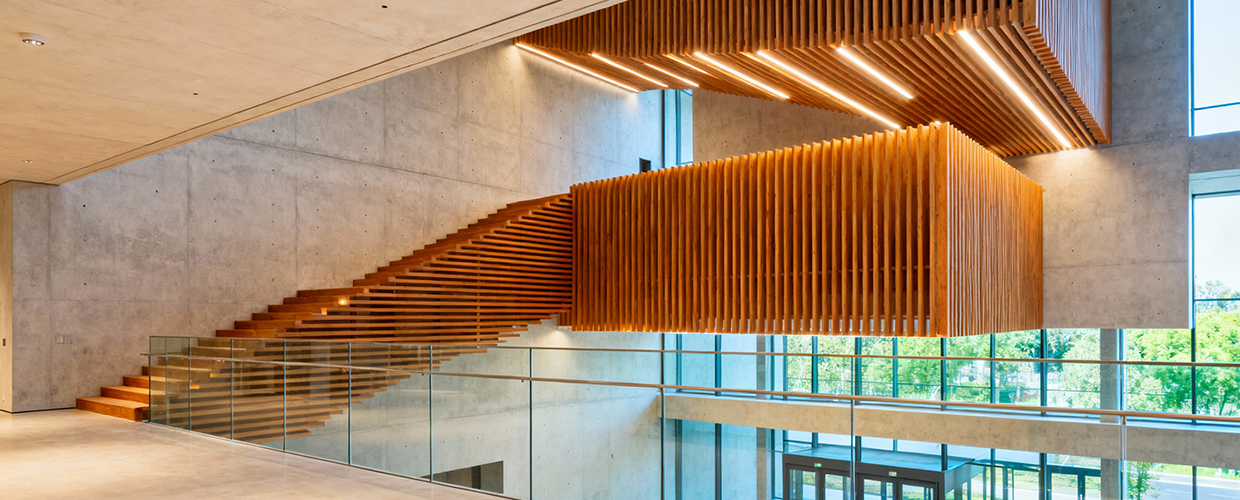
In the ever-evolving landscape of urban development, the year 2025 promises a transformation in how we perceive and interact with our living spaces. As cities grow denser and more complex, modern architecture trends are pushing the boundaries of design to create environments that are not only aesthetically pleasing but also functional and sustainable. At AB Concepts, where we believe in the poetry of space, the integration of contemporary design principles with timeless aesthetics is at the forefront of our approach. Our journey through these emerging trends reveals a focus on sustainability, technology integration, and the reimagining of communal spaces. The modern architecture of 2025 is characterized by its ability to adapt to the needs of an ever-changing world, enhancing the quality of urban living by prioritizing human experience and environmental harmony. As we explore these trends, it becomes clear that the future of architecture is not just about building structures, but crafting experiences that resonate with the soul.
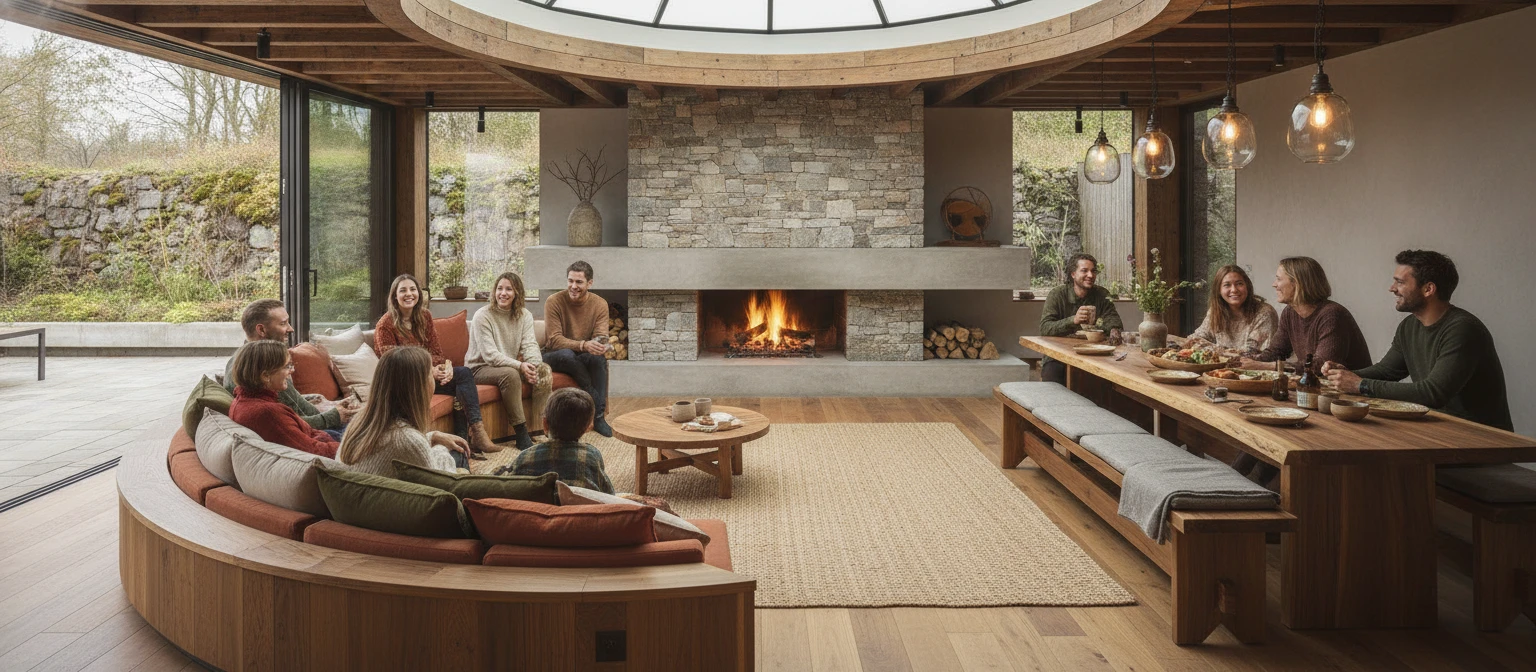
One of the most prominent trends in modern architecture in 2025 is the emphasis on sustainable living. This goes beyond simply using eco-friendly materials; it involves designing buildings that minimize carbon footprints and enhance energy efficiency. Architects are adopting passive design strategies that optimize natural light and ventilation, significantly reducing the need for artificial lighting and air conditioning. The incorporation of green roofs and vertical gardens not only improves air quality but also offers a visual connection to nature, creating urban oases that provide respite from the concrete jungle. Additionally, the use of recycled and locally sourced materials is gaining traction, aligning with the broader global push towards sustainability. The integration of smart technology is another defining trend, as buildings become increasingly automated to enhance comfort and efficiency. From intelligent climate control systems to advanced security features, technology is seamlessly woven into the fabric of modern architecture, making homes smarter and more responsive to the needs of their residents. Furthermore, the design of living spaces is becoming more flexible, catering to the diverse lifestyles of urban dwellers. Open-plan layouts that can be reconfigured for different uses reflect a shift towards multifunctional living, where spaces adapt to the rhythms of everyday life. This adaptability is complemented by a focus on wellness, with elements such as biophilic design, which incorporates natural elements into interiors, gaining prominence. These trends collectively represent a holistic approach to urban living, where functionality, sustainability, and emotional resonance are in perfect harmony.
As we look towards the future, the modern architecture trends redefining urban living in 2025 offer a glimpse into a world where design transcends mere aesthetics to become a profound expression of culture and identity. At AB Concepts, we are committed to embracing these trends, ensuring that every project we undertake is a testament to our belief in the poetry of space. The emphasis on sustainability, the seamless integration of technology, and the creation of adaptable, wellness-oriented environments are not just trends but essential elements that define the future of urban living. These developments not only enhance the functionality and beauty of our spaces but also enrich the lives of those who inhabit them. As we continue to explore and innovate, our goal is to craft spaces that resonate deeply with our clients, reflecting their values and aspirations. In doing so, we contribute to a legacy of design that is both timeless and transformative. The journey towards 2025 is one of inspiration and possibility, inviting us to reimagine what urban living can be and to create spaces that truly elevate everyday life.
TRENDING NOW
How Texture and Color Work Together to Shape Human Experience